Feedstock handling
Coal, carbonized coconut shell, wood char or biomass-derived material is crushed, dried, screened or prepared for the next process stage.


MTW European Trapezium Grinding Mills and LM Vertical Roller Mills support controlled powder preparation for coal, carbonized coconut shell, biomass char and dried activated carbon.
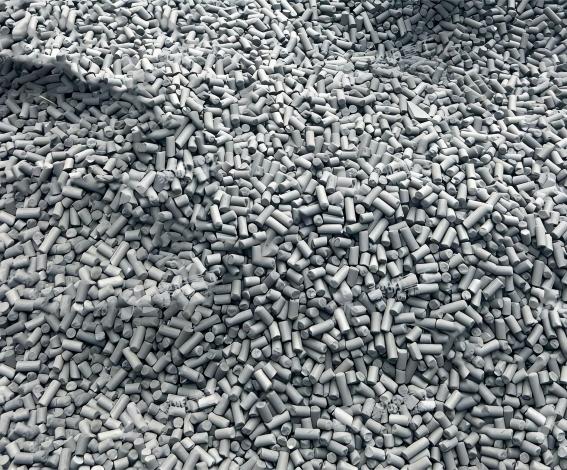
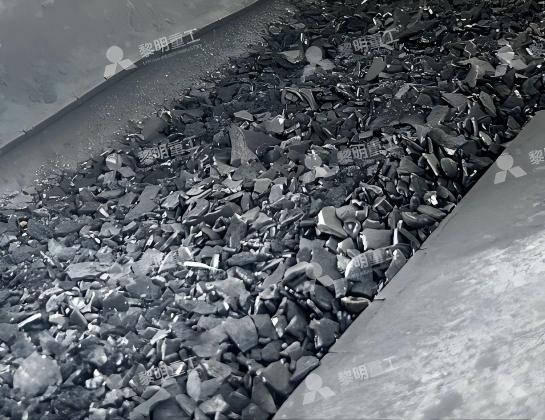
Activated carbon is not a single product. Powdered activated carbon, granular grades and pelletized products each require a different route for crushing, screening, grinding and classification. Our solutions focus on the stages where controlled powder preparation adds measurable production value.
Grinding is applied before or after thermal treatment according to the feedstock and required product form. MTW and LM mills are positioned at the powder-preparation stages—not as substitutes for carbonization or activation equipment.
Coal, carbonized coconut shell, wood char or biomass-derived material is crushed, dried, screened or prepared for the next process stage.
MTW or LM milling supports feedstock powder preparation for forming, briquetting, extrusion or controlled carbon powder production.
Dedicated furnaces or kilns create carbon-rich char and develop the pore structure needed for adsorption applications.
Activated material may be washed, neutralized and dried before final crushing, sizing or powder processing.
Final sizing delivers powdered activated carbon, granular grades or fine powder for pelletized and briquetted carbon products.
Select the grinding platform based on product type, required fineness, production capacity, feed condition, plant layout and powder-handling requirements.
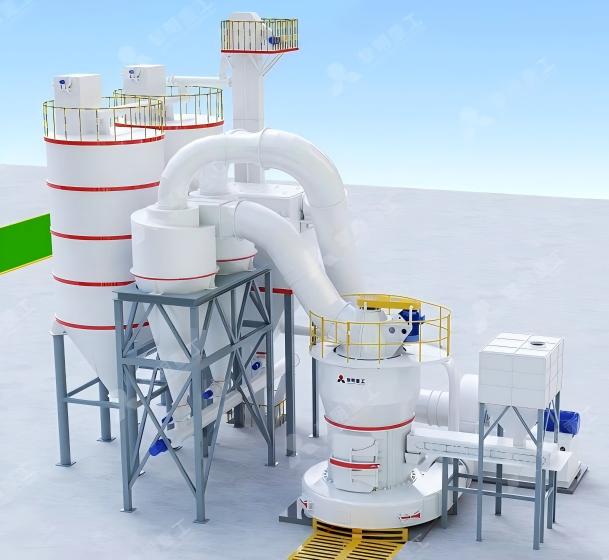
A practical configuration for medium-capacity powdered activated carbon production, activated carbon fines processing and fine powder preparation before pelletizing or briquetting.
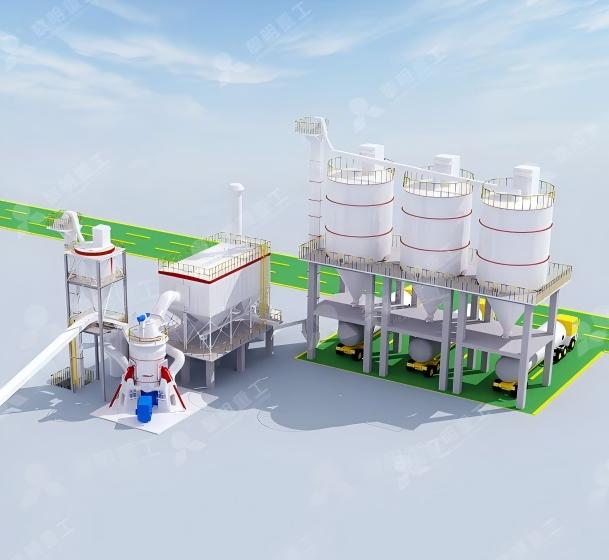
A centralized solution for high-throughput carbonaceous powder preparation and continuous powdered activated carbon production with coordinated classification, collection and storage.
A suitable activated carbon grinding system starts with the actual material and target product. The same plant may process coal, carbonized shell, char or dried activated carbon, but each requires its own evaluation.
Explore grinding applications for coal, coconut shell, wood, and other raw materials used in activated carbon production. Each application demonstrates how suitable grinding equipment can help achieve the required powder fineness and production capacity.
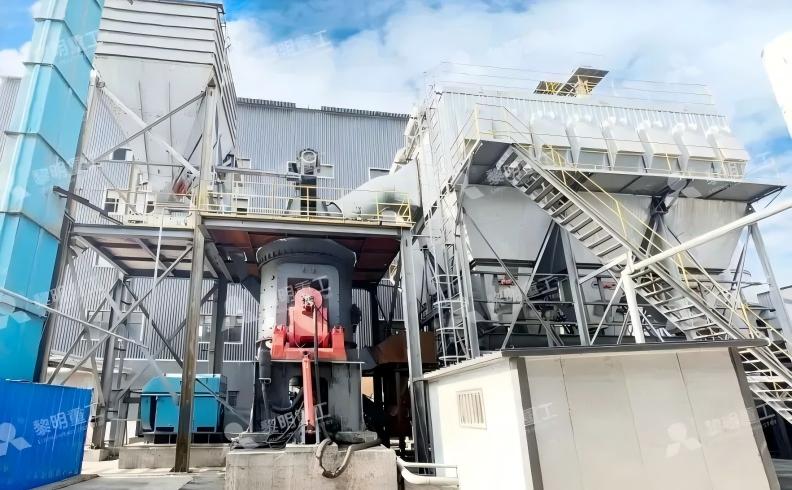 Verified Project Reference
Coal is ground to the required fineness for activated carbon production, providing a stable and continuous powder supply for subsequent carbonization or activation.
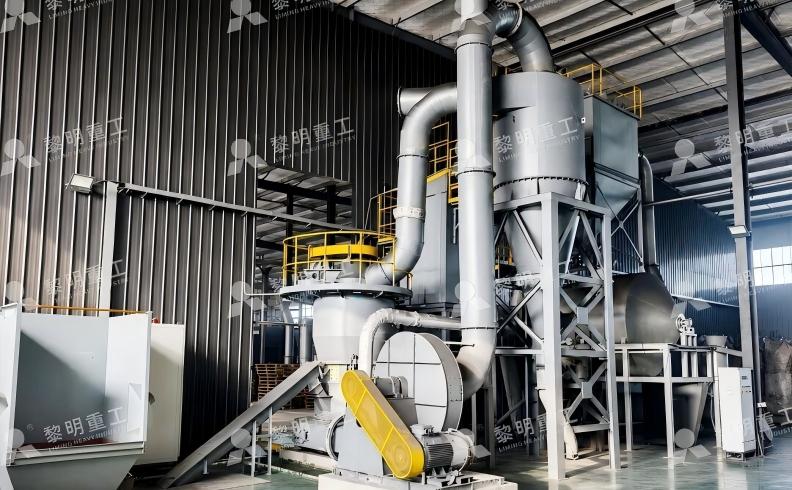 Verified Project Reference
Carbonized coconut shell is ground to the required fineness for activated carbon production, providing a stable and continuous powder supply for subsequent activation.
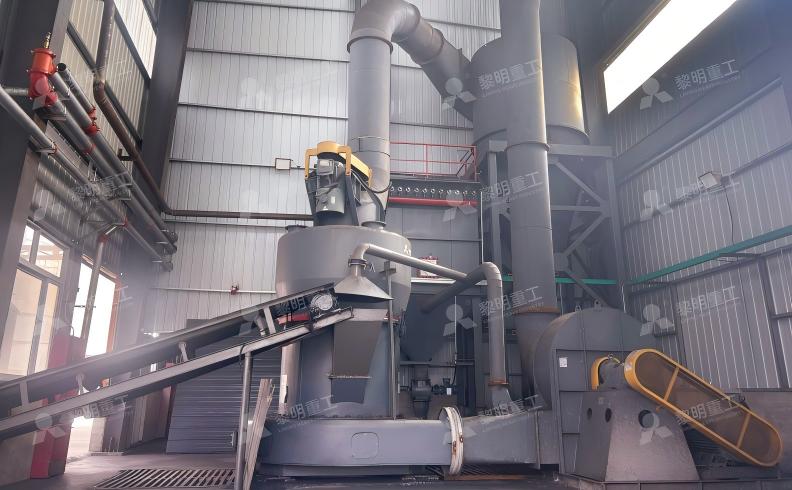 Verified Project Reference
Carbonized wood is ground to the required fineness for activated carbon production, providing consistent powder for subsequent activation and stable downstream processing.
| Production Requirement | Recommended Direction | Why It Fits |
|---|---|---|
| Medium-capacity PAC line | MTW European Trapezium Grinding Mill | Flexible configuration for dried activated carbon, fines processing and controlled powder grades. |
| Multiple PAC specifications | MTW European Trapezium Grinding Mill | Suitable for independent powder-processing lines that need practical fineness adjustment and product changeovers. |
| Large coal-based carbon project | LM Vertical Roller Mill | Designed for centralized, continuous powder preparation at industrial scale. |
| High-volume PAC production | LM Vertical Roller Mill | Supports integrated grinding, classification, collection, storage and coordinated downstream handling. |
| Pelletized or briquetted carbon | MTW or LM, project-dependent | Fine powder is prepared before binder mixing, briquetting or extrusion; selection depends on throughput and layout. |
| Granular activated carbon | Crushing and screening first | GAC normally requires defined granular sizing; milling is used only where fines or powder grades are required. |
This resource set covers production routes, particle-size control, equipment selection and powder-handling considerations.
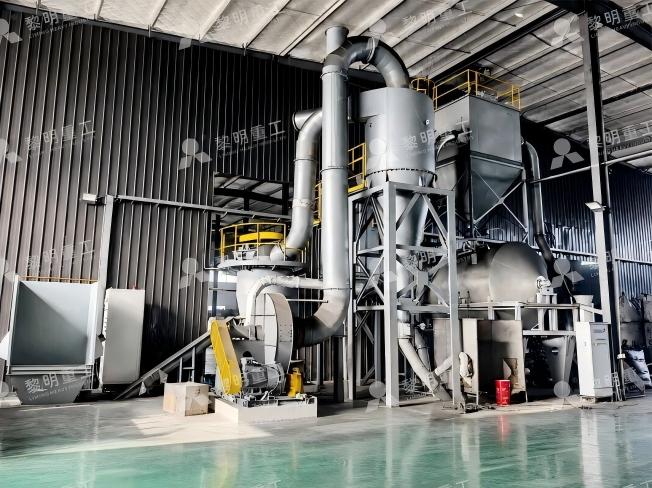
Activated carbon powder processing requires more than grinding capacity. Plant design should account for feed stability, sealed transfer, powder collection, storage, packaging and project-specific process-safety measures.
Grinding mills are used for carbonaceous feedstock preparation, powdered activated carbon production and fine powder preparation before pelletizing or briquetting. Carbonization and activation are completed by dedicated thermal equipment, while the grinding system controls particle size before or after these stages.
MTW European Trapezium Grinding Mill can be configured for grinding dried activated carbon or activated carbon fines into powdered activated carbon grades. The final configuration depends on feed size, moisture, target fineness, capacity and powder-handling requirements.
LM Vertical Roller Mill is generally considered for larger, continuous activated carbon powder projects that require centralized grinding, stable high-throughput production, integrated classification and connection with dust collection, storage and packing systems.
Not always. Granular activated carbon is commonly produced by crushing and screening into defined particle-size ranges. Deep grinding is mainly used for powdered activated carbon, fines recovery or fine powder preparation before pelletizing and briquetting.
Key information includes feedstock type, material condition, inlet size, moisture, hardness, ash content, required final fineness, capacity, final product form, existing equipment and applicable local safety requirements.
They can be considered for fine preparation of suitable carbonaceous feedstocks before binder mixing, briquetting, extrusion or other forming stages. The preferred route depends on the raw material and intended final product.
Not necessarily. Performance depends on pore structure, surface chemistry, ash content, particle-size distribution, contact time and the intended application. The goal is a consistent, application-appropriate particle-size distribution rather than the finest possible powder.
A complete system should evaluate enclosed conveying, negative-pressure operation, dust collection, grounding, conductive connections, temperature monitoring, safe storage and project-specific explosion protection. The exact design depends on material characteristics and applicable regulations.
A powder-processing solution can be planned around feeding, grinding, classification, dust collection, storage, conveying and packing. Upstream carbonization, activation, washing and drying equipment should be coordinated according to the selected production route.
Send your raw material, feed size, moisture, required fineness, production capacity and final product type. Our technical team will help identify the appropriate grinding and powder-handling configuration.