


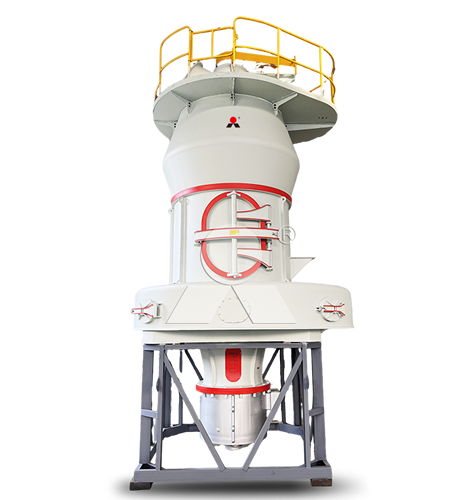
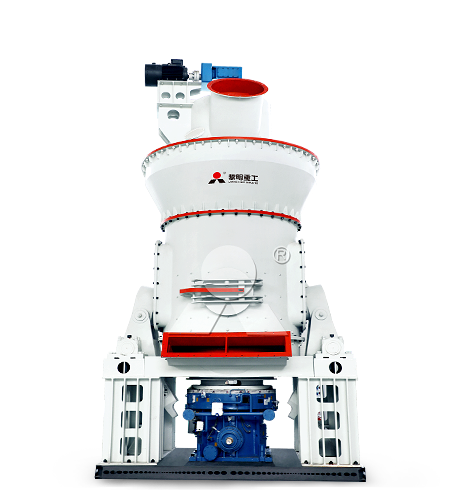
The LM Vertical Roller Mill is suitable for grinding activated carbon and other non-coal carbonaceous materials into controlled powder grades. It combines material grinding, airflow classification, powder conveying, and collection into an integrated process system, making it a practical choice for activated carbon powder plants that require stable output, adjustable fineness, and enclosed powder handling.
For activated carbon powder production, the LM Vertical Roller Mill should be applied after the carbonization and activation stages, when the material has become activated carbon, char, coconut-shell carbon, wood-based carbon, biomass carbon, or another non-coal carbon product. If the starting feed is coal and the task is coal powder preparation before carbonization or forming, the correct equipment is the LM Vertical Coal Mill—not the LM Vertical Roller Mill.
Where the LM Vertical Roller Mill Fits
Activated carbon production includes several stages, such as feedstock preparation, carbonization, activation, cooling, washing where required, drying, crushing, fine grinding, classification, and packaging. The LM Vertical Roller Mill is positioned in the final powder-processing section, where qualified activated carbon must be converted from coarse granules, pellets, irregular fragments, or crushed material into finished powder.
This arrangement is suitable for producing powdered activated carbon for water purification, wastewater treatment, decolorization, odor removal, chemical purification, food and beverage processing, pharmaceutical processing, gas-treatment additives, and other adsorption-related applications.
A typical process route is:
Activated carbon receiving or intermediate storage → drying when necessary → crushing → metal removal → controlled feeding → LM Vertical Roller Mill → integrated classifier → cyclone collection → pulse-jet dust collection → finished-product silo → weighing and packing.
The material should be dry and prepared to a stable feed size before entering the mill. Oversized granules, pellets, or carbon lumps should be crushed first. A magnetic separator should be installed before the grinding section to remove tramp metal that could damage the grinding components or contaminate the finished activated carbon powder.
How the Grinding System Works
In an LM Vertical Roller Mill, material is delivered through a controlled feeding system to the center of the grinding table. Rotation of the table moves material outward into the grinding zone, where it is compressed and ground by the grinding rollers. Ground powder is lifted by the airflow into the classifier.
The classifier separates powder according to the required cut size. Qualified fine material leaves the mill with the airflow and enters the collection system. Coarse particles are rejected by the classifier and fall back onto the grinding table for further size reduction. This internal circulation supports continuous operation and helps control the particle-size distribution of the finished activated carbon powder.
Vertical roller mill systems commonly use this combination of grinding, classification, and pneumatic transport: qualified powder is carried to a collector, while coarse material returns for regrinding. This operating principle supports stable fine-powder production when feed conditions and airflow are properly controlled.
Suitable Materials and Applications
| Material to Be Processed | Recommended Equipment | Typical Purpose |
|---|---|---|
| Activated carbon granules or pellets | LM Vertical Roller Mill | Production of powdered activated carbon with controlled fineness |
| Coconut-shell activated carbon | LM Vertical Roller Mill | Fine powder for adsorption, water treatment, and purification processes |
| Wood-based activated carbon | LM Vertical Roller Mill | Powder processing for decolorization and chemical purification applications |
| Biomass char and activated biomass carbon | LM Vertical Roller Mill | Controlled fine grinding before final use or further processing |
| Petroleum coke and other non-coal carbon materials | LM Vertical Roller Mill | Continuous powder production with air classification |
| Coal before carbonization or pelletizing | LM Vertical Coal Mill | Coal powder preparation for coal-based activated carbon production |
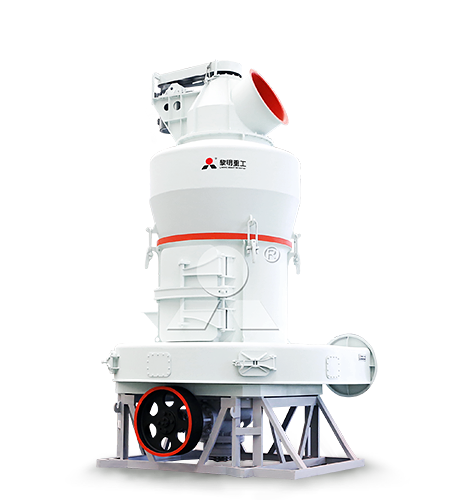
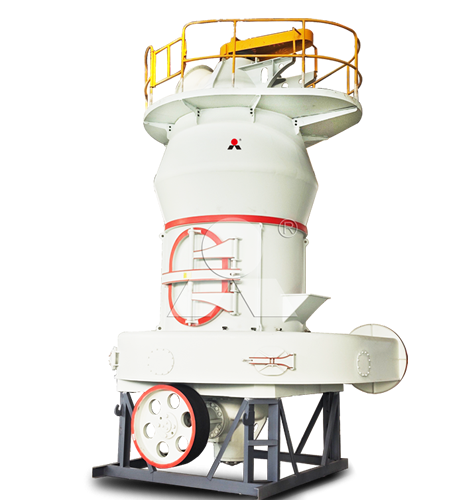
This distinction is important for production-line design. Coal grinding is a dedicated preparation stage and should use the LM Vertical Coal Mill. Activated carbon grinding is a non-coal powder-processing stage and should use the LM Vertical Roller Mill or, where a separate pendulum-type grinding arrangement is preferred, the MTW European Trapezium Grinding Mill.
Controlling Activated Carbon Fineness
The required fineness depends on how the product will be used. Activated carbon powder for a general adsorption process may require a medium-fine grade, while powdered activated carbon for short-contact water treatment or decolorization may require a finer and more tightly controlled particle-size distribution.
The LM Vertical Roller Mill can control fineness through the coordinated operation of the grinding table, rollers, mill airflow, and classifier. The most important variables include:
Feed rate and feed-size consistency.
Feed moisture and drying performance.
Grinding pressure and stable material bed formation.
Classifier rotor speed and classification setting.
Airflow volume through the mill and separator.
Temperature of process air when moisture removal is required.
Condition of grinding rollers, grinding table, and other wear parts.
Efficiency of the cyclone collector and pulse-jet bag filter.
Increasing the classifier speed generally produces a finer powder because larger particles are rejected and returned to the grinding area. Reducing classifier speed allows a coarser fraction to pass into the powder collection system. Feed rate and airflow must be adjusted together with classifier speed; otherwise, the mill may experience excessive circulating load, unstable pressure, reduced output, or an inconsistent finished product.
Activated carbon powder is frequently supplied in grades ranging from coarse powder to fine PAC. Industry references describe activated carbon fine-powder processing broadly from about 20 to 400 mesh, while finer products may require dedicated ultrafine processing systems. The appropriate target should be established through the final product specification, including sieve residue, D10, D50, D90, adsorption index, moisture, bulk density, and packing requirement.
Moisture Management During Grinding
Moisture has a major effect on activated carbon powder production. Material with excessive moisture can accumulate in hoppers, stick to feeders, reduce grinding efficiency, block conveying lines, and interfere with classifier performance. Excessively dry and fine material, on the other hand, may increase dust generation and require more careful handling.
The LM Vertical Roller Mill can be configured with a hot-air system when moderate moisture removal is needed. Hot gas passes through the grinding area, helping dry the material while powder is being ground and classified. This integrated approach can reduce the need for a separate dryer when the material moisture and process conditions are within the equipment’s operating range.
Published vertical roller mill information indicates that hot air can be introduced directly into the mill to dry material during grinding, with maximum feed moisture in some configurations reaching approximately 15%. Actual allowable moisture for activated carbon must be determined from material testing, thermal conditions, product quality requirements, and the final process safety design.
Where activated carbon has high moisture after washing or storage, pre-drying should be considered before the mill. This can improve material flow, reduce internal buildup, stabilize classifier operation, and support consistent bagging performance.
Dust Collection and Safe Powder Handling
Activated carbon powder requires an enclosed process arrangement. Fine carbon particles can escape from open transfer points, create product losses, settle on nearby equipment, and make routine cleaning more difficult. A properly designed LM vertical roller mill system operates under controlled negative pressure so that air enters potential leakage points instead of allowing powder to escape into the workshop.
The powder collection section normally includes a cyclone collector, pulse-jet bag filter, induced-draft fan, rotary airlocks, sealed conveyors, product silo, and packing system. The cyclone separates a major portion of the finished activated carbon powder from the gas stream. The bag filter captures fine residual particles, improving recovery and helping maintain clean exhaust air.
Fine carbon dust may present a combustible-dust hazard under certain conditions. OSHA identifies particle size as one factor that can change dust characteristics and affect the type and magnitude of a combustion hazard.
Therefore, a finished activated carbon grinding plant should be designed after evaluating the actual material and site requirements. Depending on the outcome of a project-specific dust-hazard assessment and applicable regulations, the system may require grounded and bonded equipment, sealed transfer points, temperature monitoring, spark control, explosion venting, explosion isolation, inerting provisions, suitable electrical equipment, interlocks, emergency shutdown functions, and carefully managed housekeeping procedures.
Why Use an LM Vertical Roller Mill?
For suitable activated carbon powder projects, the LM Vertical Roller Mill offers a compact production arrangement because several functions are combined in one system. Instead of relying on separate grinding, classification, and conveying sections, the mill can perform these functions in a coordinated continuous process.
Grinding, classification, and pneumatic powder transport are integrated into one process arrangement.
Classifier adjustment supports production of different activated carbon powder grades.
Coarse material is returned internally for further grinding, helping reduce oversize content in the finished product.
Hot-air support can be incorporated when moderate moisture removal is required.
Closed and negative-pressure operation supports powder recovery and cleaner material handling.
The line can be connected with automatic feeding, storage, weighing, and packing equipment.
The equipment can be configured for continuous operation in medium- and large-capacity activated carbon powder plants.
Actual capacity depends on the activated carbon source, feed size, moisture, target fineness, powder bulk density, classifier setting, and the capacity of auxiliary equipment. A finer finished product requires more grinding work and tighter classification, so output is normally lower than for a coarser powder grade.
Example: Activated Carbon Powder Line
A plant receives dried coconut-shell activated carbon in granular form and needs to produce a fine powder for an industrial water-treatment additive. The material first enters a receiving hopper and passes through a magnetic separator. A crusher reduces oversized granules to a stable feed size, and a controlled feeder supplies the LM Vertical Roller Mill.
Inside the mill, the activated carbon is ground between the rollers and table. Airflow lifts the powder into the classifier. Material that meets the selected powder grade moves to the cyclone collector, while oversize particles return to the grinding table. A pulse-jet bag filter collects the remaining fine powder from the gas stream. The final powder is transferred to a sealed silo, weighed, and packed into moisture-resistant bags or bulk bags.
This process supports controlled fineness, continuous powder recovery, reduced manual handling, and stable preparation of activated carbon powder for downstream use.
Information Needed for Mill Selection
The most suitable LM Vertical Roller Mill configuration should be selected from verified process data. Before final equipment selection, the following information should be confirmed:
Type of activated carbon or non-coal carbonaceous material.
Maximum feed size and required feed preparation method.
Initial and final moisture content.
Target powder fineness, sieve residue, or particle-size distribution.
Required production capacity in tons per hour.
Bulk density, hardness, ash content, and grinding characteristics.
Required adsorption indicators and contamination-control requirements.
Whether the line needs integrated drying.
Required dust-collection, safety, and emissions-control arrangement.
Finished-product storage, conveying, and packing format.
The LM Vertical Roller Mill is a suitable solution for activated carbon powder production when processing non-coal activated carbon and related carbonaceous materials. It provides an integrated route for grinding, classification, and powder collection, while helping the plant maintain stable fineness and continuous output. For coal powder preparation before activated carbon production, the LM Vertical Coal Mill remains the dedicated equipment choice.
Related Powder Processing for Activated Carbon


Liming Heavy Industry at bauma CONEXPO INDIA 2026 | Booth 5-C6
2026-09-07

Turnkey Raw Mill Cement Plant in Saudi Arabia: Design and Installation
2026-09-03
Cement Raw Mill Supplier in Indonesia: Cost and Configuration Analysis
2026-09-01
Liming Heavy Industry to Exhibit at the 24th Global Gypsum Conference & Exhibition in Turkey
2026-08-31
Complete Calcium Carbonate Grinding and Coating Plant Solution
2026-08-29
Complete Mineral Processing Solutions
Convenient Reliable Professional Efficient Get Your Quote
Please feel free to submit your inquiry information to us. We will contact with you as soon as possible.
Our team will contact you as soon as possible.