


Activated carbon grinding requires a fully enclosed powder-processing system because fine carbon dust can become airborne, accumulate around equipment, and create fire or deflagration hazards when the required conditions are present. Safe operation depends on controlling dust at its source, preventing ignition, maintaining stable negative pressure, and designing the grinding line around the actual tested properties of the carbon material.
Safety should be built into every stage—from raw-material receiving and crushing to milling, classification, collection, storage, and bagging. This is especially important for powdered activated carbon, where fine particles are continuously generated and transferred through the process.
Why Activated Carbon Powder Needs Careful Handling
Activated carbon is a porous carbonaceous material. During crushing and grinding, it can generate fine particles that remain suspended in air, escape through open transfer points, or settle on structural surfaces and equipment. If a combustible dust cloud is dispersed in air and exposed to an effective ignition source within a confined or partially confined area, a flash fire or deflagration may occur.
OSHA identifies several conditions that should be evaluated in facilities handling combustible dust: combustible materials that can become hazardous when finely divided, operations that generate dust, areas where dust can accumulate, locations where deposits may be dispersed into the air, and potential ignition sources.
Powdered activated carbon is commonly identified in safety data sheets as a combustible dust. One activated carbon SDS classifies powdered activated carbon as weakly explosive dust, Dust Explosion Class St1, and notes that a deflagration can occur when airborne carbon dust is present at a suitable concentration with oxygen, confinement, and a strong ignition source.
The level of risk cannot be determined from material name alone. Particle size, moisture, ash content, volatile content, dust concentration, oxygen level, equipment geometry, confinement, electrostatic charge, and ignition energy can all affect the hazard. A project should therefore test the actual powder and complete a site-specific dust-hazard assessment before finalizing the equipment configuration.
Primary Dust-Generation Points
Dust is usually generated where activated carbon falls, is broken, is conveyed, or is exposed to moving air. The plant layout should identify each release point before selecting collectors and ducting.
| Processing Area | Typical Dust Source | Preferred Control Method |
|---|---|---|
| Raw-material receiving | Bag opening, unloading, hopper charging, vehicle unloading | Enclosed receiving station, local extraction hood, sealed hopper connection |
| Pre-crushing | Crusher inlet, crusher discharge, screen feed and discharge | Closed crusher housing, extraction points, sealed transfer chutes |
| Grinding mill | Mill feed, inspection doors, discharge points, internal pressure fluctuations | Sealed feed system, stable negative-pressure operation, controlled airflow |
| Classification | Fine-powder separation and classifier discharge | Closed classifier circuit and correctly balanced airflow |
| Cyclone collection | Dust leakage at connections, rotary valve discharge, maintenance openings | Gas-tight flanges, reliable airlocks, negative pressure, regular inspection |
| Bag filter | Filter cleaning cycle, hopper discharge, damaged filter bags | Collector designed for combustible dust, monitored filter condition, sealed dust discharge |
| Silo and packing | Filling, venting, bagging, weighing, bag sealing | Vent-filter system, enclosed packing machine, local exhaust ventilation |
| Housekeeping areas | Settled dust on floors, ledges, beams, cable trays, and equipment tops | Scheduled removal using approved vacuum systems and controlled cleaning procedures |
Dust should be captured as close as possible to the source. Local exhaust ventilation at the point of generation is more effective than relying on general room ventilation after powder has spread through the production area. The Canadian Centre for Occupational Health and Safety advises that dust-extraction inlets should be placed close to dust-producing processes and that collectors should be designed to control combustible dust.
Closed Grinding System Design
An activated carbon grinding line should operate as a closed process wherever practical. The recommended arrangement includes sealed feeding, enclosed conveying, controlled air movement, fine-powder collection, and dust-tight finished-product storage.
A typical configuration is:
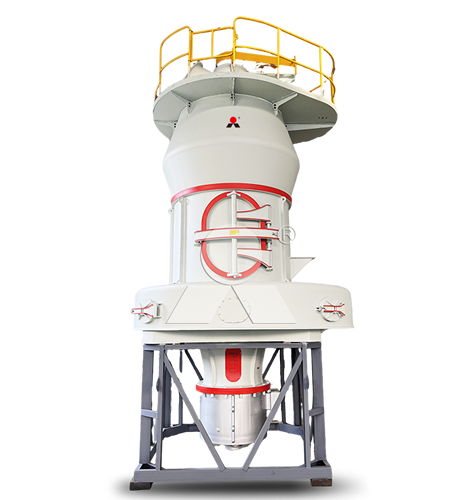
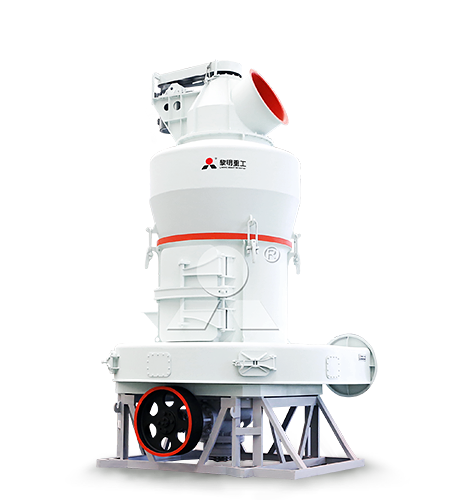
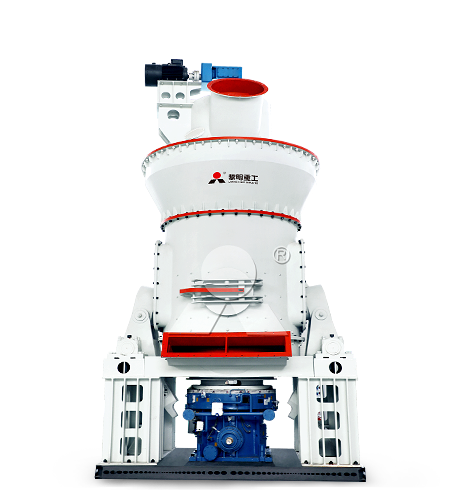
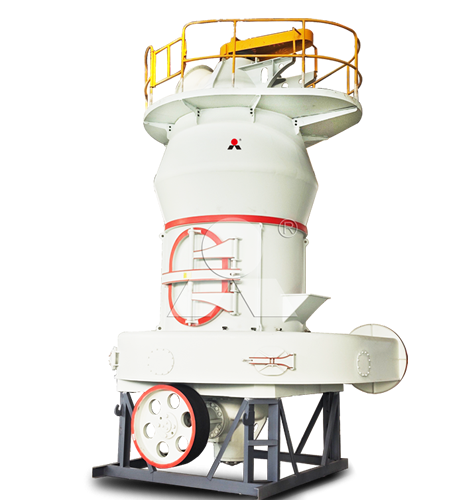
Sealed feed hopper → controlled feeder → magnetic separator → crusher when required → LM Vertical Roller Mill or MTW European Trapezium Grinding Mill → classifier → cyclone collector → pulse-jet bag filter → induced-draft fan → enclosed screw conveyor or pneumatic conveying line → finished-product silo → dust-tight packing machine.
For activated carbon and other non-coal carbon materials, use the LM Vertical Roller Mill or MTW European Trapezium Grinding Mill. If the material being prepared is coal before carbonization or pellet forming, use the LM Vertical Coal Mill for the coal grinding stage. Once coal has been converted into activated carbon, final powder production should use the LM Vertical Roller Mill or MTW European Trapezium Grinding Mill.
Negative-pressure operation is important because it draws air inward at small gaps rather than allowing activated carbon powder to escape outward. However, negative pressure alone does not remove the need for proper sealing. Flanges, inspection doors, rotary valves, conveyors, flexible connections, and packing interfaces should all be designed and maintained to limit leakage.
Dust Collection Equipment
The dust-collection system is an essential production component, not an optional accessory. It recovers saleable activated carbon powder, keeps the process airflow stable, protects workers from airborne dust, and reduces the accumulation of combustible material in the workshop.
A typical activated carbon powder collection system includes a cyclone collector, pulse-jet bag filter, induced-draft fan, ductwork, control dampers, hopper discharge devices, rotary airlocks, and sealed dust-return or product-transfer equipment.
Cyclone Collector
A cyclone collector separates a large portion of coarse and medium-fine activated carbon powder from the air stream by centrifugal force. It can reduce the dust load entering the bag filter and recover product efficiently. Cyclones are commonly used as a primary collection stage, but they are generally not sufficient on their own for final fine-dust control.
Pulse-Jet Bag Filter
A pulse-jet bag filter captures the remaining fine particles that pass through the cyclone. During operation, compressed-air pulses clean the filter media and allow recovered powder to fall into the hopper for controlled discharge.
The filter must be selected for the actual activated carbon powder properties, airflow volume, dust concentration, particle-size distribution, moisture, temperature, and pressure loss. Filter media should be suitable for fine carbon dust and the intended cleaning method. A filter designed only for ordinary nuisance dust may not provide the safeguards needed for combustible-dust service.
Dust collectors should be installed and protected according to the site’s dust-hazard assessment and applicable local standards. CCOHS recommends using collection or extraction systems designed to control combustible dust and notes that an ordinary fan can disperse dust and worsen the situation rather than safely collect it.
Dust Collector Location
Where the assessment and plant layout permit, locating the dust collector outdoors can reduce exposure within the main production building. Equipment placement should also consider safe access for filter replacement, hopper cleaning, maintenance, explosion protection, discharge routing, and weather protection.
The final location should account for personnel areas, adjacent buildings, vehicle routes, roof structures, escape paths, and the direction in which a pressure-relief device could discharge. Collector placement is a plant-specific engineering decision and should be reviewed with the applicable safety requirements.
Controlling Ignition Sources
A combustible dust event requires an ignition source as well as suspended dust and oxygen. The grinding line should identify and control all credible ignition sources, including mechanical friction, overheated bearings, tramp metal, sparks, static discharge, hot surfaces, electrical faults, welding, smoking, open flames, and hot maintenance work.
Key controls include:
Install magnetic separators and metal detectors before crushing and grinding equipment.
Monitor bearing temperature, mill vibration, motor load, and gearbox condition.
Use temperature sensors at critical points, including mills, ducts, collectors, and product-storage areas where required.
Ground and bond mills, ductwork, silos, filters, conveyors, transfer points, and packing equipment.
Use conductive components and suitable electrical equipment where the area classification requires them.
Control hot work through permits, isolation procedures, cleaning, gas monitoring where necessary, and fire watch arrangements.
Prevent smoking, open flames, and uncontrolled hot surfaces near carbon powder handling areas.
Inspect rotating equipment regularly to identify abnormal friction, misalignment, or bearing failure.
Control material temperature before it enters storage, packing, or other enclosed equipment.
Static electricity deserves special attention because powder flow through ducts, filters, hoppers, bags, and pneumatic conveying lines can generate charge. Activated carbon safety information recommends grounding transfer, blending, and dust-collection equipment to reduce electrostatic-discharge risk.
Explosion Prevention and Protection
Dust control reduces the probability of a combustible dust event, but a plant may also require protection measures to limit the consequences if an ignition occurs. The necessary measures depend on the actual dust test data, the equipment volume, operating pressure, location, interconnected vessels, and applicable codes.
NFPA 660 is the consolidated NFPA standard addressing prevention and mitigation of fires, flash fires, and explosions involving combustible dusts and particulate solids. It provides a structured framework for identifying hazards, conducting a Dust Hazard Analysis, and selecting appropriate safeguards.
Depending on the Dust Hazard Analysis, an activated carbon grinding plant may require one or more of the following measures:
Explosion venting for mills, collectors, silos, or other enclosed equipment.
Flameless venting where outdoor venting is impractical and the application is suitable.
Explosion suppression systems.
Explosion isolation devices between connected process equipment.
Backflow prevention or isolation on ducting and conveying lines.
Spark detection and extinguishing systems.
Inerting or oxygen-reduction systems for selected high-risk operations.
High-temperature alarms and automatic emergency shutdown logic.
Pressure-relief routing away from occupied work areas.
These controls must be engineered for the actual line. It is unsafe to assume that a general-purpose dust collector, simple pressure-relief opening, or ordinary electrical installation is sufficient for a carbon powder application.
Housekeeping Without Creating Dust Clouds
Settled dust can become a serious secondary hazard if it is disturbed by an initial event, airflow surge, equipment failure, or improper cleaning. Dust deposits may accumulate on floors, beams, cable trays, tops of machines, lighting fixtures, pipe racks, wall ledges, and hidden spaces above suspended ceilings.
Dry sweeping, compressed-air blowdown, and uncontrolled brushing can disperse deposited carbon dust into the air. OSHA specifically advises safe collection practices that avoid generating a dust cloud, while CCOHS recommends approved vacuum equipment and cleaning methods that minimize dust dispersal.
A practical housekeeping program should include:
Written cleaning schedules for floors, structural members, cable trays, ledges, and concealed areas.
Approved industrial vacuum systems suitable for the dust classification and plant requirements.
Collection and disposal procedures for recovered dust and off-specification material.
Routine inspection of filter hoppers, duct low points, screen housings, conveyor covers, and mill surroundings.
Prohibition of compressed-air cleaning unless a formally engineered and approved procedure specifically allows it.
Documentation of cleaning, inspections, dust accumulation observations, and corrective actions.
Storage, Packaging, and Confined Spaces
Activated carbon should be stored in clean, dry, well-ventilated areas and protected from moisture, direct heat, ignition sources, strong oxidizers, and incompatible chemicals. Bags, bulk bags, silos, and containers should remain closed when not in use to prevent moisture absorption and dust release.
Several activated-carbon safety data sheets warn that wet activated carbon can deplete oxygen in enclosed spaces. This can create a severe oxygen-deficiency hazard in silos, vessels, tanks, enclosed rooms, filter housings, or other confined spaces that contain or previously contained activated carbon.
Before entering any confined space associated with activated carbon, qualified personnel should evaluate oxygen concentration, carbon monoxide where relevant, and any other site-specific hazards. Entry should follow the applicable confined-space program, including isolation, ventilation, atmospheric monitoring, entry permits, rescue planning, communication, and attendant requirements. An activated carbon vessel should never be entered based only on its appearance or the assumption that it is empty.
Packing stations should also be enclosed and ventilated. The preferred layout uses sealed product transfer to a silo, controlled discharge through a rotary valve or screw conveyor, a dust-tight bagging machine, local extraction at the filling point, and properly sealed finished bags or bulk bags.
Operating Checklist for Grinding Lines
| Before Start-Up | During Operation | During Shutdown and Maintenance |
|---|---|---|
| Verify that all covers, doors, ducts, flanges, and inspection ports are closed and sealed. | Maintain stable feed rate, airflow, mill load, and negative pressure. | Apply lockout and tagout before opening mills, conveyors, filters, or other equipment. |
| Confirm that the dust collector, fan, rotary valves, and powder-discharge equipment are ready. | Monitor filter differential pressure, fan performance, temperature, vibration, and bearing condition. | Allow equipment and material to cool where necessary before inspection or cleaning. |
| Check grounding and bonding connections and inspect electrical components. | Investigate unusual odor, temperature rise, sparks, vibration, pressure fluctuation, or dust leakage immediately. | Use approved vacuum cleaning methods; do not create dust clouds by blowing or sweeping. |
| Confirm that metal-removal devices are operating before feed enters the mill. | Keep transfer points, packing stations, and nearby surfaces free of visible dust accumulation. | Inspect wear parts, seals, filter bags, rotary valves, and ducts before restarting. |
| Verify emergency stops, alarms, interlocks, and protective devices. | Keep ignition sources and unauthorized personnel away from powder-processing zones. | Document inspections, repairs, dust cleanup, abnormal events, and corrective actions. |
Design Safety Into the Entire Line
Safe activated carbon grinding is achieved by integrating process design, dust collection, equipment selection, maintenance, operating discipline, and formal hazard assessment. The grinding mill, classifier, collector, fan, silo, conveyor, and bagging machine must function as one sealed system rather than as separate pieces of equipment.
For activated carbon powder and other non-coal carbon materials, the LM Vertical Roller Mill and MTW European Trapezium Grinding Mill can be integrated with enclosed feeding, controlled classification, cyclone recovery, pulse-jet filtration, and sealed finished-product handling. Coal powder preparation remains a separate operation that uses the LM Vertical Coal Mill.
The most effective approach is to capture carbon dust at every generation point, eliminate or control ignition sources, prevent dust accumulation, maintain equipment in sound condition, and install protection measures based on tested dust data and a documented Dust Hazard Analysis. This approach improves product recovery and supports stable, responsible activated carbon powder production.
Related Powder Processing for Activated Carbon


Liming Heavy Industry at bauma CONEXPO INDIA 2026 | Booth 5-C6
2026-09-07

Turnkey Raw Mill Cement Plant in Saudi Arabia: Design and Installation
2026-09-03
Cement Raw Mill Supplier in Indonesia: Cost and Configuration Analysis
2026-09-01
Liming Heavy Industry to Exhibit at the 24th Global Gypsum Conference & Exhibition in Turkey
2026-08-31
Complete Calcium Carbonate Grinding and Coating Plant Solution
2026-08-29
Complete Mineral Processing Solutions
Convenient Reliable Professional Efficient Get Your Quote
Please feel free to submit your inquiry information to us. We will contact with you as soon as possible.
Our team will contact you as soon as possible.