


Coal-based activated carbon production converts selected coal into a porous adsorbent through controlled powder preparation, forming when required, carbonization, activation, cooling, grading, and final packing. The quality of the initial coal powder has a major influence on forming strength, thermal uniformity, pore development, product yield, and the consistency of the finished activated carbon.
The production route should distinguish clearly between coal preparation and activated carbon finishing. Coal must be ground with the LM Vertical Coal Mill. After carbonization and activation, the material is no longer coal; it becomes activated carbon. Any final grinding of activated carbon into powder should therefore use the LM Vertical Roller Mill or the MTW European Trapezium Grinding Mill.
From Coal to Activated Carbon
Coal-based activated carbon is produced from suitable coal feedstocks through thermal conversion and controlled pore development. Coal rank, ash content, volatile matter, sulfur content, mineral composition, particle size, and reactivity influence the final product. Depending on the target application, the plant may use bituminous coal, anthracite, lignite, sub-bituminous coal, or a selected blend.
Coal-based activated carbon is widely used in water purification, wastewater treatment, industrial air treatment, flue-gas purification, solvent recovery, gas treatment, chemical processing, mercury removal, and precious-metal recovery. Its pore structure can be adjusted through the choice of coal and the carbonization and activation conditions.
The core production stages are:
Coal receiving → crushing → coal drying and grinding → mixing with binder when required → briquetting, extrusion, pelletizing, or direct carbonization → drying and curing of formed product → carbonization → activation → cooling → crushing, screening, or powder grinding → quality inspection → packing.
Coal-based activated carbon production is commonly based on carbonization followed by activation. Carbonization removes volatile matter and converts coal into a carbon-rich char; activation then develops the internal pore network that provides adsorption capacity. Coal properties, particle size, activation method, temperature, heating rate, reagent dosage, and residence time all influence the resulting carbon quality and yield.
Coal Selection and Receiving
The first requirement is a stable and suitable coal source. Coal is not a uniform raw material, and variations between mines, seams, grades, and storage batches can affect grinding behavior and activated carbon performance.
Before production, representative coal samples should be analyzed for moisture, ash, volatile matter, fixed carbon, sulfur, chlorine where relevant, particle-size distribution, calorific value, grindability, and mineral composition. The plant should also assess how the coal reacts during carbonization and activation.
| Coal Property | Effect on Production |
|---|---|
| Moisture content | Influences drying load, powder flow, mill output, and thermal energy consumption |
| Ash content | Can reduce effective carbon yield and affect adsorption performance |
| Volatile matter | Influences carbonization behavior, gas release, tar formation, and char structure |
| Coal rank | Influences reactivity, hardness, pore development, and final activated carbon characteristics |
| Particle size | Affects grinding efficiency, binder distribution, forming quality, and heat transfer |
| Sulfur and mineral impurities | May affect emissions-control requirements and finished-product suitability |
| Grindability | Determines mill selection, energy use, wear, and stable production capacity |
There is no single best coal for every activated carbon product. A coal selected for granular water-treatment carbon may differ from a coal selected for powdered activated carbon, pelletized vapor-phase carbon, or specialized adsorption media. Pilot testing is valuable because it connects laboratory adsorption results with actual plant behavior.
Coal Crushing and Powder Preparation
Coal powder preparation is one of the most important sections in a coal-based activated carbon plant. Uniform powder supports accurate mixing, better binder contact, stable briquette or pellet formation, more even heat transfer during carbonization, and more consistent activation.
Large coal lumps are first reduced by crushing equipment. The crushed coal is then fed into the LM Vertical Coal Mill from Liming Heavy Industry for drying, grinding, and classification. This equipment is dedicated to coal processing and should be used whenever the material being milled is coal.
The LM Vertical Coal Mill can integrate several functions in one process arrangement:
Coal drying through controlled hot-air flow when feed moisture requires removal.
Grinding of crushed coal into the required powder fineness.
Internal classification to separate qualified coal powder from coarse particles.
Return of coarse material to the grinding zone for further reduction.
Pneumatic transport of qualified coal powder toward the collection system.
Stable coal powder fineness is especially important for formed activated carbon. If the powder contains too many coarse particles, the formed body may have poor strength, uneven density, and unstable reactivity during carbonization. If the powder is excessively fine, dust generation, energy consumption, and binder demand may increase.
A closed-circuit coal grinding system typically includes a receiving hopper, feeder, crusher, magnetic separator, LM Vertical Coal Mill, classifier, coal powder collector, bag filter, induced-draft fan, coal powder silo, and automatic dosing equipment. The final powder specification should be based on the forming method and the required activated carbon product—not only on a nominal mesh number.
Mixing and Forming
Coal-based activated carbon can be manufactured as granular, crushed, powdered, or formed products. For pelletized or extruded activated carbon, fine coal powder is blended with a binder and, when necessary, water, recycled carbon fines, additives, or an activating agent.
The mixture is then shaped by extrusion, briquetting, pelletizing, or granulation. The resulting green product may be cylindrical pellets, spherical particles, tablets, briquettes, or irregular granules. Forming creates a defined product shape and can improve handling in gas-treatment vessels and fixed-bed adsorption systems.
The binder must provide sufficient green strength while minimizing undesirable ash and avoiding excessive blockage of pores during carbonization. Binder selection and dosage should be verified through trials because they affect density, shrinkage, crushing strength, pore development, and the amount of residual ash in the finished activated carbon.
Some chemical activation routes may use alkali compounds as both activation agents and forming aids. Research on chemically activated coal-based pellets found that coal rank, pre-oxidation condition, and potassium hydroxide dosage influenced the ability to form a suitable pelletizable slurry and the properties of the resulting activated carbon pellets.
Carbonization: Producing Coal Char
Carbonization is the controlled thermal decomposition of coal or formed coal bodies in an oxygen-limited environment. During this step, moisture and volatile components are removed, leaving a carbon-rich char that can later be activated.
The carbonization section may use rotary kilns, vertical furnaces, retorts, multiple-hearth systems, or other continuous thermal equipment. Furnace selection depends on production capacity, feed form, energy source, target product shape, automation level, and emission-control requirements.
Coal-based carbonization is commonly conducted in the approximate range of 350–600°C for certain industrial routes, although the actual temperature profile and residence time depend on coal properties and furnace design. During heating, gases and condensable compounds are released. The char structure begins to form, but many pores remain undeveloped or partially blocked by tar and carbon deposits.
Heating rate matters. Rapid heating can change gas-release behavior, internal cracking, tar deposition, and the porosity of the carbonized material. A study of coal-based activated carbon carbonization found that the process generated gases including hydrogen, methane, carbon monoxide, carbon dioxide, hydrocarbons, and hydrogen sulfide, while tar deposition and carbon condensation could block pores in semi-coke before the activation stage.
Activation: Developing Adsorption Pores
Activation transforms coal char into activated carbon by opening and enlarging its internal pore network. This stage determines much of the finished product’s surface area, pore-size distribution, adsorption capacity, mechanical strength, and product yield.
Coal-based activated carbon can be produced by physical activation or chemical activation.
Physical Activation
Physical activation generally uses steam, carbon dioxide, flue gas, or a controlled mixture of activating gases at high temperature. Steam is widely used because it reacts with carbon in a controlled way and develops porosity. Industrial references commonly describe coal-char activation at approximately 800–1000°C, subject to the selected feedstock, furnace design, gas composition, and target burn-off.
During physical activation, the activating gas reacts selectively with carbon. This removes part of the carbon matrix and creates accessible micropores, mesopores, and transport pores. Increasing activation severity can raise adsorption capacity, but excessive activation can reduce yield, weaken particles, raise dust generation, and create an unsuitable pore structure.
A study of coal-based activated carbon reported that carbonization temperature, heating rate, activation time, and activator type had combined effects on specific surface area and iodine value. Under its tested conditions, steam plus carbon dioxide produced the strongest result among the evaluated activating agents.
Chemical Activation
Chemical activation involves mixing coal or coal-derived material with an activating chemical before thermal treatment. Depending on the process, chemicals such as potassium hydroxide, sodium hydroxide, phosphoric acid, or other activating compounds may be used.
This route can create a highly developed pore structure, but it also requires careful chemical handling, corrosion-resistant equipment where needed, washing, neutralization, chemical recovery, and wastewater treatment. The final product must be washed thoroughly to remove residual activating agents and soluble salts.
Chemical activation should be selected only after evaluating raw material behavior, target product specification, wastewater-treatment capability, operating cost, recovery options, and local environmental requirements.
Cooling, Washing, and Drying
Activated carbon discharged from the furnace must be cooled in a controlled manner. Hot activated carbon can react with oxygen if exposed to air too quickly, creating product loss and operational safety risks. Cooling systems should prevent uncontrolled combustion while bringing the material to a safe handling temperature.
Physically activated carbon may proceed from cooling to crushing, screening, or final grinding. Chemically activated carbon requires washing and neutralization before finishing. The washing section can include water washing, acid washing where required, solid-liquid separation, pH adjustment, dewatering, and wastewater treatment.
After cooling or washing, the carbon is dried to meet the required moisture level. Stable moisture is important for product flow, screening efficiency, grinding performance, storage, and accurate packing.
Producing Granular, Pelletized, and Powdered Grades
The final processing route depends on the required product form. Coal-based activated carbon can be sold as granules, formed pellets, or powder. Each product requires different sizing equipment and different quality controls.
| Finished Product | Final Processing Route | Main Quality Focus |
|---|---|---|
| Granular activated carbon | Controlled crushing, screening, removal of fines, and size grading | Screen range, hardness, abrasion resistance, low fines content, bulk density |
| Pelletized activated carbon | Forming before thermal treatment, followed by screening and removal of broken pellets | Pellet diameter, length, crush strength, ash, pore structure, pressure-drop performance |
| Powdered activated carbon | Crushing, fine grinding, air classification, dust collection, and sealed packing | Particle-size distribution, sieve residue, moisture, bulk density, adsorption rate |
For granular carbon, the finishing section focuses on screening and protection of particle integrity. Oversized pieces are crushed and returned to the screening circuit, while undersize material is removed as fines or sent to a powder-processing line where appropriate.
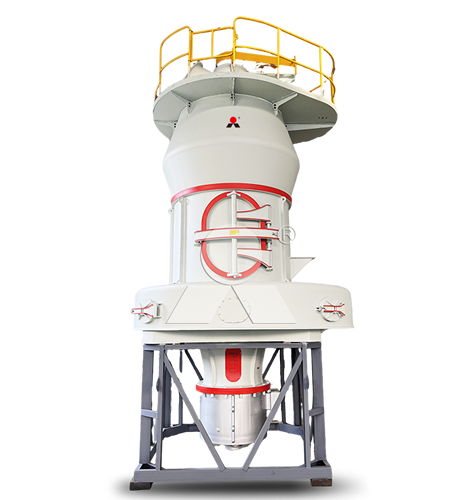
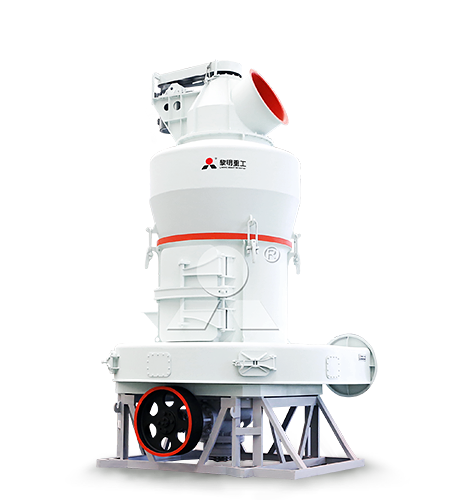
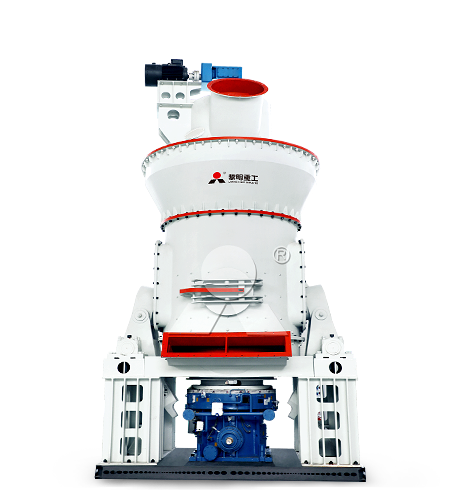
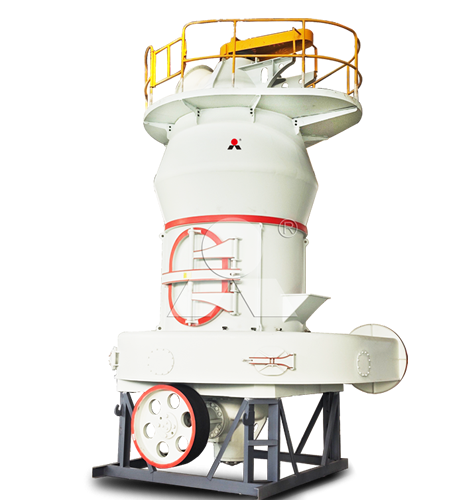
For powdered activated carbon, the finished activated carbon is a non-coal material. It should therefore be processed using the LM Vertical Roller Mill or the MTW European Trapezium Grinding Mill from Liming Heavy Industry. Both options can be configured with feeding, air classification, cyclone separation, pulse-jet dust collection, product storage, and bagging equipment.
The LM Vertical Roller Mill is suitable for integrated grinding, classification, drying support where appropriate, and pneumatic powder transport. The MTW European Trapezium Grinding Mill is suitable for a separate activated carbon grinding section where adjustable fineness and a compact powder-processing arrangement are required.
Dust Control and Process Safety
Coal powder and activated carbon powder require enclosed handling. Both materials can generate fine dust during crushing, milling, transfer, screening, storage, and packing. Dust collection is essential for product recovery, stable mill operation, clean production, and process safety.
Important measures include sealed transfer points, negative-pressure operation, suitable bag filters, grounded equipment, controlled conveying, temperature monitoring, metal removal before the mill, and regular inspection of ducting and collection systems. The final arrangement should be established through a site-specific safety review and testing of the actual dust.
Fine combustible particulate solids can present flash-fire or explosion hazards under the required conditions. OSHA identifies particle size as a factor that can influence dust characteristics and hazard magnitude, which is especially relevant in coal powder and activated carbon powder processing.
Depending on local requirements and the results of the dust-hazard assessment, the line may require explosion venting, explosion isolation, spark control, inerting, suitable electrical classification, interlocked shutdown systems, and housekeeping practices that prevent dust accumulation.
Quality Control Throughout the Plant
High-quality coal-based activated carbon is created through continuous control rather than final inspection alone. Testing should begin with incoming coal and continue through coal powder preparation, green-product forming, carbonization, activation, drying, final sizing, and packing.
Typical quality indicators can include coal moisture, coal powder fineness, green strength, carbonization yield, activation burn-off, iodine number, methylene blue value, molasses number, ash content, pH, moisture, bulk density, particle-size distribution, abrasion resistance, and application-specific adsorption performance.
For a water-treatment grade, adsorption capacity and particle integrity may be central requirements. For a gas-treatment pellet, crush strength, pressure drop, and pore structure may be more important. For powdered activated carbon, consistent fineness, high powder recovery, stable bulk density, and rapid adsorption performance are often critical.
Integrated Equipment Arrangement
A complete coal-based activated carbon production line can combine coal receiving equipment, crushers, coal storage, LM Vertical Coal Mill, powder collectors, mixing equipment, briquetting or extrusion machinery, dryers, carbonization furnaces, activation furnaces, cooling equipment, washing equipment where required, final dryers, crushers, screens, LM Vertical Roller Mill or MTW European Trapezium Grinding Mill for PAC production, dust collectors, storage silos, automatic controls, and packing equipment.
The most important equipment-selection rule is simple: use the LM Vertical Coal Mill for coal powder preparation. Once the material has completed carbonization and activation, use the LM Vertical Roller Mill or MTW European Trapezium Grinding Mill for activated carbon powder production. This process distinction supports appropriate equipment selection from raw coal to finished activated carbon.
Related Powder Processing for Activated Carbon


Liming Heavy Industry at bauma CONEXPO INDIA 2026 | Booth 5-C6
2026-09-07

Turnkey Raw Mill Cement Plant in Saudi Arabia: Design and Installation
2026-09-03
Cement Raw Mill Supplier in Indonesia: Cost and Configuration Analysis
2026-09-01
Liming Heavy Industry to Exhibit at the 24th Global Gypsum Conference & Exhibition in Turkey
2026-08-31
Complete Calcium Carbonate Grinding and Coating Plant Solution
2026-08-29
Complete Mineral Processing Solutions
Convenient Reliable Professional Efficient Get Your Quote
Please feel free to submit your inquiry information to us. We will contact with you as soon as possible.
Our team will contact you as soon as possible.