


Activated carbon fines are small particles generated during crushing, screening, thermal activation, conveying, regeneration, polishing, and packing. Instead of treating all fines as waste, a well-designed plant can separate them by source and quality, then direct each fraction toward powdered activated carbon production, pellet feed preparation, reactivation, controlled internal recycle, or specialized recovery.
The correct route depends on whether the fines are virgin activated carbon, carbonization char, off-specification fresh product, or spent carbon containing adsorbed contaminants. Clean production fines can often be converted into qualified powder products. Spent fines must first be evaluated for contaminants, handling risk, regulatory restrictions, and possible recovery value before they are reprocessed.
Where Carbon Fines Come From
Fines are generated at several points in an activated carbon plant. Their properties can vary widely, even within one production line. Fines from a freshly activated granular product may be clean and suitable for powder production, while fines from a spent adsorption bed may contain contaminants and require a completely different recovery route.
| Fines Source | Typical Material Condition | Possible Reprocessing Direction |
|---|---|---|
| Raw-material crushing | Coal, coconut shell, wood char, biomass char, or other carbonaceous feed fines | Return to upstream preparation, blending, pellet feed, or controlled thermal processing |
| Carbonization and activation | Char fines or freshly activated carbon fines | Screening, dust collection, powder production, or return to an approved process stage |
| Granular carbon screening | Undersize virgin activated carbon that does not meet GAC size specification | Powdered activated carbon production or pellet-forming feed after quality verification |
| Pellet screening | Broken pellets, undersize fragments, extrusion rejects, or carbonized pellet fines | Powder production, controlled recycle, or re-forming after testing |
| Dust collector | Fine carbon captured by cyclone or bag filter | Separate storage, quality testing, PAC processing, or internal recycle when approved |
| Transport and handling | Attrition fines generated in conveyors, silos, loading systems, or packed beds | Quality-based classification and use as PAC feed where uncontaminated |
| Spent carbon regeneration | Fines containing adsorbed contaminants, ash, moisture, or valuable metals | Reactivation, metal recovery, thermal treatment, or controlled disposal |
Fines should not be mixed automatically into one storage bin. Keeping fresh fines, process dust, screened undersize, spent carbon fines, and potentially contaminated materials separate provides more recovery options and makes product quality easier to control.
First Step: Classify the Fines
Before selecting a recovery route, the plant should identify the source, contamination status, particle size, moisture, ash, adsorption properties, and physical behavior of the material. A simple source-segregation system can prevent clean activated carbon fines from being downgraded by contact with contaminated material.
The most useful initial classification is:
Fresh activated carbon fines from production.
Fresh char fines generated before activation.
Screened undersize from granular activated carbon production.
Broken pellet material and extrusion rejects.
Bag-filter and cyclone dust from a known clean process.
Spent activated carbon fines from water, gas, chemical, or gold-recovery service.
Fines containing metals, salts, catalyst residues, oils, solvents, or other contaminants.
Each fraction should be sampled and tested before being reused. Typical tests include moisture, ash, particle-size distribution, bulk density, iodine number, methylene blue value, pH, water-soluble matter, sulfur or chlorine where relevant, heavy-metal content, residual organics, and application-specific adsorption performance.
For spent activated carbon, acceptance testing is particularly important. Commercial reactivation providers use acceptance criteria because the contaminants adsorbed on spent carbon determine whether the material can be safely and effectively processed.
Option 1: Produce Powdered Activated Carbon
Converting clean activated carbon fines into powdered activated carbon is one of the most direct recovery routes. This option is suitable when the fines are virgin material or otherwise meet the required purity and adsorption specifications after testing.
Screened undersize from granular activated carbon production, broken qualified pellets, and carbon collected from a clean dust-collection system can become feed for a PAC line. The material may require drying, pre-crushing, blending, fine grinding, air classification, and final inspection before packing.
A typical PAC recovery flow is:
Clean activated carbon fines → source-segregated storage → moisture check and drying when needed → magnetic separation → pre-crushing of larger fragments → fine grinding → air classification → cyclone collection → pulse-jet bag filter → finished-powder silo → quality inspection → packing.
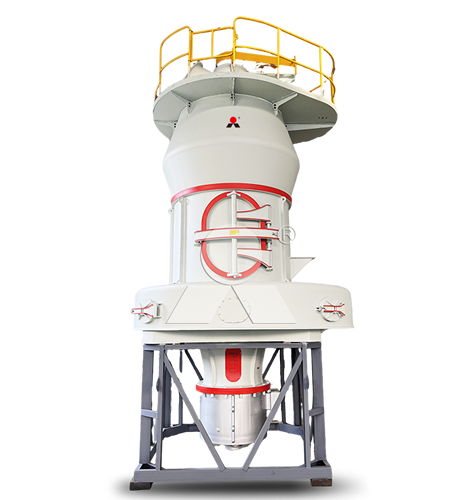
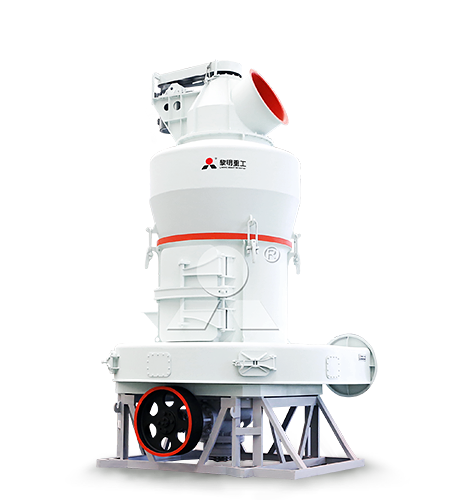
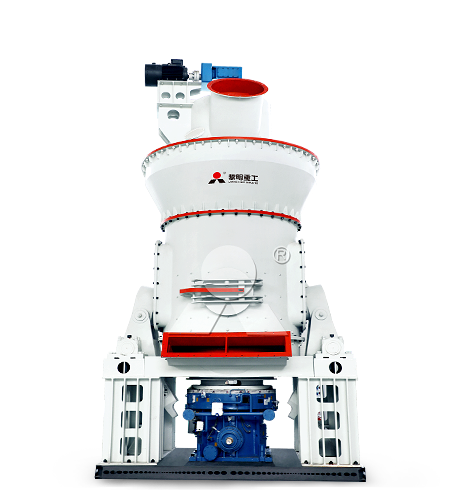
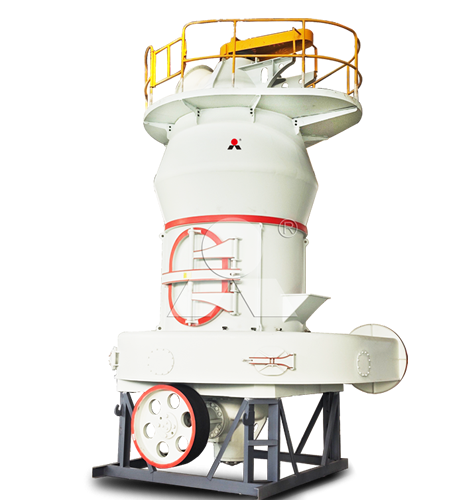
For activated carbon fines and all other non-coal carbon materials, use the LM Vertical Roller Mill or MTW European Trapezium Grinding Mill from Liming Heavy Industry. Both can be configured with controlled feeding, air classification, cyclone recovery, pulse-jet dust collection, sealed conveying, product storage, and packing equipment.
The LM Vertical Roller Mill is suitable for an integrated grinding and classification system, particularly where the plant needs continuous operation and coordinated airflow control. The MTW European Trapezium Grinding Mill is suitable for a dedicated powder-processing section with adjustable fineness and a compact collection arrangement.
Recovery fines should not be sold as PAC merely because they are small. They must meet the particle-size distribution, moisture, adsorption index, ash, bulk density, and contamination limits required for the intended application.
Option 2: Recycle Into Pelletized Carbon Feed
Qualified carbon fines can also be used as a component of pelletized activated carbon feed. This route can improve material utilization where the plant already operates a mixing, extrusion, carbonization, and activation line.
For example, clean activated carbon fines, carbonized char fines, or off-specification pellet fragments may be blended with fresh carbonaceous powder and a suitable binder. The resulting mixture is kneaded, extruded, dried, carbonized where required, and activated to produce new pellets.
The allowable recycle proportion must be established through trials. Excess recycled activated carbon can change paste plasticity, binder demand, green-pellet strength, shrinkage, thermal behavior, pore development, ash content, and final pellet strength. The plant should therefore define an approved blend ratio rather than adding fines without control.
Research has demonstrated that activated carbon powder can be agglomerated with a binder and extruded into formed products. However, binder selection and dosage can significantly affect pore structure and surface area, so the formulation must be optimized rather than treated as a simple mixing operation.
If the new pellet feed is coal-based, raw coal powder preparation should use the LM Vertical Coal Mill. If the recovered fines are activated carbon, biomass char, coconut-shell char, petroleum coke, or another non-coal material, use the LM Vertical Roller Mill or MTW European Trapezium Grinding Mill for any required grinding before mixing.
Option 3: Return Fresh Char Fines Upstream
Fines generated before activation may be returned to an earlier production stage if their composition and process behavior are compatible with the main feed. Examples include crushed coal fines, coconut-shell char fines, biomass char fines, and off-size material from a carbonization stage.
Possible upstream recycle routes include controlled blending with raw feed, briquetting or extrusion feed, pelletizing feed, or a dedicated thermal treatment route. This option can reduce raw-material losses, but it must not destabilize the carbonization or activation furnace.
Key questions include whether the fines have the same volatile matter, moisture, ash, particle size, thermal reactivity, and gas-flow behavior as the normal feed. Fine material can move through furnaces differently from larger particles and may be carried out by process gas if the feed system, furnace velocity, or dust-collection equipment is not designed for it.
A controlled recycle loop should include a buffer bin, metered feeder, maximum recycle ratio, material sampling point, and operating limits for moisture and fines content. Returning all fines directly to the furnace without metering can cause unstable temperature profiles, dust loading, reduced yield, or collector overload.
Option 4: Reactivate Spent Carbon
Spent granular or pelletized activated carbon may be thermally reactivated when its contaminant profile and physical condition are suitable. Reactivation removes or destroys adsorbed organic material and restores part of the carbon’s adsorption capacity through high-temperature treatment under controlled, oxygen-limited conditions, often with steam as a selective oxidant.
A commercial reactivation process typically includes receiving and acceptance testing, dewatering or drying when required, screening to remove fines, thermal treatment, off-gas treatment, cooling, quality testing, and return shipment. During regeneration, adsorbed organics may be volatilized or pyrolyzed, while steam treatment helps restore pore accessibility.
Spent granular carbon is often screened before reactivation to remove excessively fine material. Research on industrial carbon regeneration notes that carbon used in carbon-in-pulp operations is first removed and sieved to eliminate fines before chemical or thermal reactivation.
Reactivation is generally more practical for granular and pelletized activated carbon than for very fine PAC. Fine powder is harder to handle, can create high dust loads, and may have limited economic value for thermal regeneration. One reactivation reference notes that PAC reactivation has historically been profitable in relatively few cases because of the difficulty of handling powders that are typically finer than 200 mesh.
Spent carbon should never be mixed with virgin production fines unless laboratory analysis confirms that the material is safe, compliant, and suitable for the intended reuse. Carbon exposed to hazardous chemicals, persistent contaminants, oils, solvents, heavy metals, cyanide-bearing process streams, or other regulated substances requires a dedicated evaluation and may require specialized treatment or disposal.
Option 5: Recover Valuable Metals
Activated carbon fines from metal-recovery operations may contain valuable metals. In gold-processing circuits, carbon losses can occur through attrition during adsorption, desorption, transport, screening, and reactivation. These fines may retain gold and should be assessed separately from ordinary production dust.
Recovery methods can include screening, washing, gravity concentration, thermal treatment, controlled incineration, hydrometallurgical processing, or specialized electrochemical separation, depending on the process and the metal-bearing characteristics of the carbon. One study on gold-loaded activated carbon fines reported recovery above 96% for gold–activated-carbon particles under its tested electrocoagulation conditions.
This material should not be directed to a general PAC line. Metal-bearing fines require a separate storage route, sampling plan, accounting system, and metallurgical recovery evaluation. Mixing them into ordinary activated carbon products would cause loss of valuable material and may contaminate the finished product.
Option 6: Controlled Thermal Treatment
Some contaminated activated carbon fines cannot be returned to production, sold as PAC, or economically reactivated. Where permitted and technically appropriate, controlled thermal treatment may be used to destroy adsorbed organics and recover energy or valuable inorganic residues.
The process route must be selected according to the contaminants and local compliance requirements. Off-gas treatment is essential because thermal processing can generate particulates, carbon monoxide, carbon dioxide, acid gases, volatile compounds, and other emissions. Commercial reactivation systems commonly use afterburners, scrubbers, and dust-removal equipment to treat gases released during the process.
Thermal treatment is not a universal solution. It may be unsuitable for carbon containing certain metals, halogenated compounds, persistent contaminants, or regulated hazardous constituents without specialized emission controls and residue management.
Fines Recovery Equipment Arrangement
A practical fines-recovery system begins with collection and segregation. The line should include dedicated transfer equipment and storage for each fines category so that quality and recovery routes remain traceable.
| System Section | Recommended Equipment | Purpose |
|---|---|---|
| Source collection | Enclosed chutes, sealed conveyors, cyclone collectors, bag-filter hoppers | Capture fines at the point of generation and prevent uncontrolled dust release |
| Segregated storage | Dedicated hoppers, silos, bulk bags, labeled containers | Keep virgin, char, spent, and metal-bearing fines separate |
| Conditioning | Dryer, cooler, mixer, moisture-control equipment | Stabilize fines before screening, grinding, blending, or packing |
| Screening and classification | Vibrating screen, air classifier, sieve system | Separate reusable fractions by particle size and remove oversized contamination |
| Powder processing | LM Vertical Roller Mill or MTW European Trapezium Grinding Mill | Convert approved non-coal activated carbon fines into controlled PAC grades |
| Pellet feed preparation | Mixer, kneader, binder dosing system, extruder | Convert approved fines into a controlled formed-carbon feed mixture |
| Reactivation | Thermal reactivation furnace, steam system, cooling system, off-gas treatment | Restore adsorption capacity of suitable spent granular or pelletized carbon |
| Metal recovery | Screening, concentration, thermal or hydrometallurgical recovery equipment | Recover valuable metals from carbon fines from metallurgical operations |
Dust Control During Fines Handling
Activated carbon fines should be handled in a closed system. The material is lightweight and can easily become airborne at hopper discharges, conveyors, screen outlets, mill feed points, bag-filter hoppers, and packing stations.
Use enclosed transfer chutes, sealed screw conveyors, rotary valves, dust-tight flexible connections, negative-pressure extraction, cyclone collectors, and pulse-jet bag filters. Recovered carbon dust should be discharged through sealed equipment into a designated bin or silo rather than allowed to collect in open containers.
Fine carbonaceous dust can present a combustible-dust hazard under certain conditions. The recovery system should be based on a material-specific dust-hazard assessment that considers the actual particle size, moisture, dust concentration, ignition sensitivity, equipment confinement, and local requirements. Appropriate measures may include grounding and bonding, temperature monitoring, spark prevention, explosion venting, explosion isolation, suitable electrical equipment, and controlled housekeeping.
Decision Guide for Reprocessing Fines
| Fines Condition | Preferred Option | Do Not Do This |
|---|---|---|
| Clean virgin activated carbon fines with verified adsorption quality | Produce PAC through controlled grinding and classification | Sell directly without confirming particle size, ash, moisture, and adsorption performance |
| Clean granular-carbon undersize | Use as PAC feed or blend into approved pellet feed | Mix with finished GAC if it increases fines beyond product specification |
| Char fines before activation | Metered upstream recycle, pellet feed, or separate thermal route | Return uncontrolled quantities directly to the furnace |
| Broken fresh pellets | Reprocess as PAC feed or controlled pellet recycle after testing | Blend into high-strength pellet products without checking ash and particle integrity |
| Dust from a known clean bag filter | Store separately and test for PAC or controlled internal reuse | Assume collector dust always has the same quality as the main product |
| Spent granular or pelletized carbon | Evaluate for thermal reactivation or specialized recovery | Mix with fresh fines or return directly to virgin product production |
| Gold-bearing or metal-bearing carbon fines | Separate and send to a dedicated metal-recovery route | Use as ordinary PAC feed or discard without value analysis |
| Fines with unknown contaminants | Quarantine, sample, and characterize before selecting a route | Blend into any production stream before analysis |
Build Recovery Into the Original Plant
The best fines-recovery strategy begins when the activated carbon plant is designed. Crushers, screens, elevators, thermal equipment, dust collectors, silos, and packing stations should include controlled collection points and separate discharge routes for recoverable material.
A plant producing both granular and powdered activated carbon can use its granular screening section to separate marketable GAC grades, then direct approved undersize material to the PAC processing line. In this configuration, the LM Vertical Roller Mill or MTW European Trapezium Grinding Mill can convert qualified activated carbon fines into controlled powder products.
For coal-based activated carbon plants, the LM Vertical Coal Mill remains dedicated to raw-coal powder preparation before thermal conversion. Fresh activated carbon fines recovered after activation are non-coal material and should be processed with the LM Vertical Roller Mill or MTW European Trapezium Grinding Mill.
By separating fines at the source, testing each material stream, and assigning an approved recovery route, an activated carbon producer can reduce material loss, protect finished-product quality, improve inventory control, and turn qualified carbon fines into useful product or process feed rather than uncontrolled waste.
Related Powder Processing for Activated Carbon


Liming Heavy Industry at bauma CONEXPO INDIA 2026 | Booth 5-C6
2026-09-07

Turnkey Raw Mill Cement Plant in Saudi Arabia: Design and Installation
2026-09-03
Cement Raw Mill Supplier in Indonesia: Cost and Configuration Analysis
2026-09-01
Liming Heavy Industry to Exhibit at the 24th Global Gypsum Conference & Exhibition in Turkey
2026-08-31
Complete Calcium Carbonate Grinding and Coating Plant Solution
2026-08-29
Complete Mineral Processing Solutions
Convenient Reliable Professional Efficient Get Your Quote
Please feel free to submit your inquiry information to us. We will contact with you as soon as possible.
Our team will contact you as soon as possible.