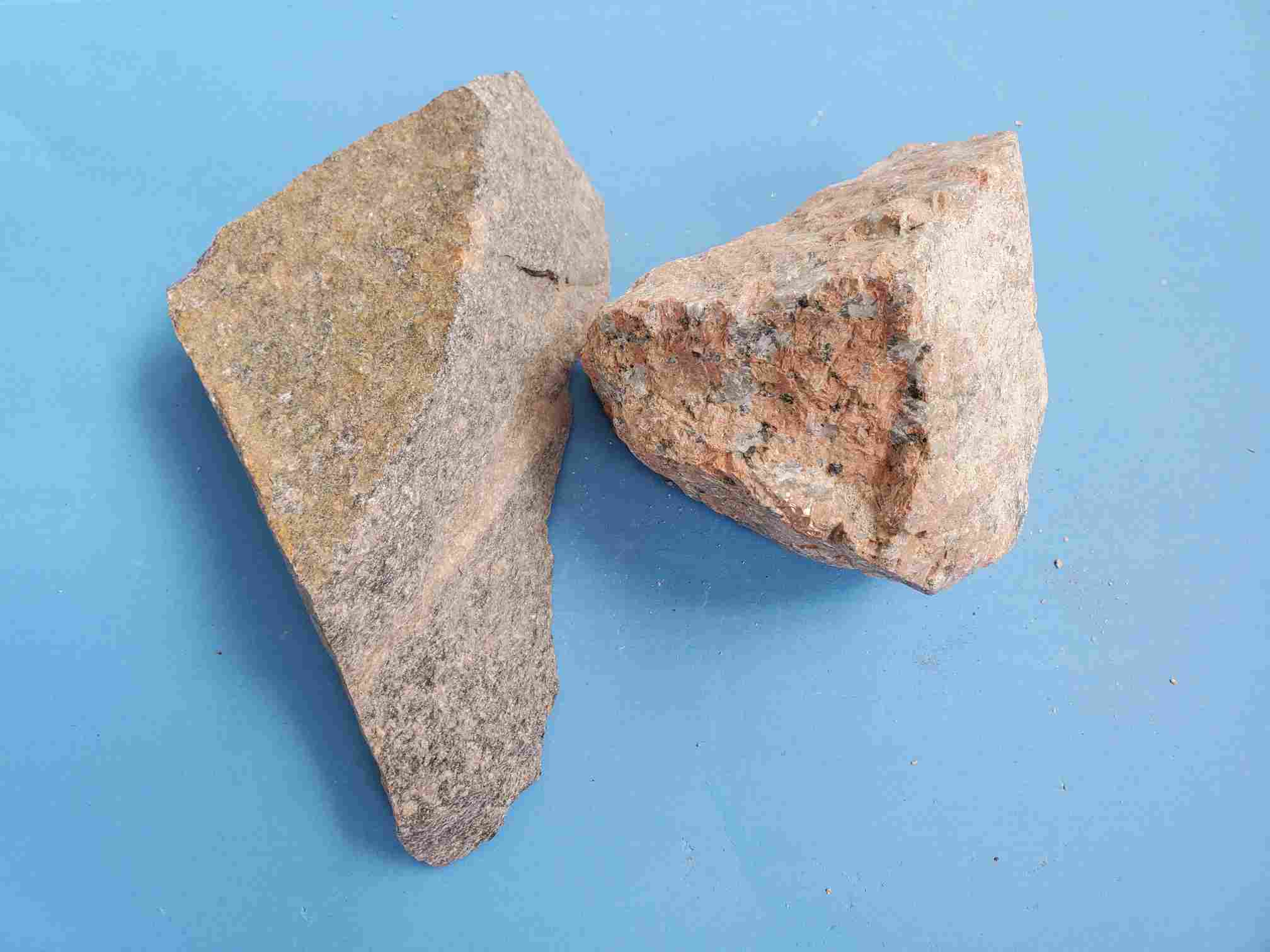
Calcium Carbonate / Limestone
Common mineral filler options. Grinding targets should be set from the required product grade and particle-size distribution.
Process focus: feed size, fineness, whiteness, moisture and consistency.


Mineral powder · Wall putty applications
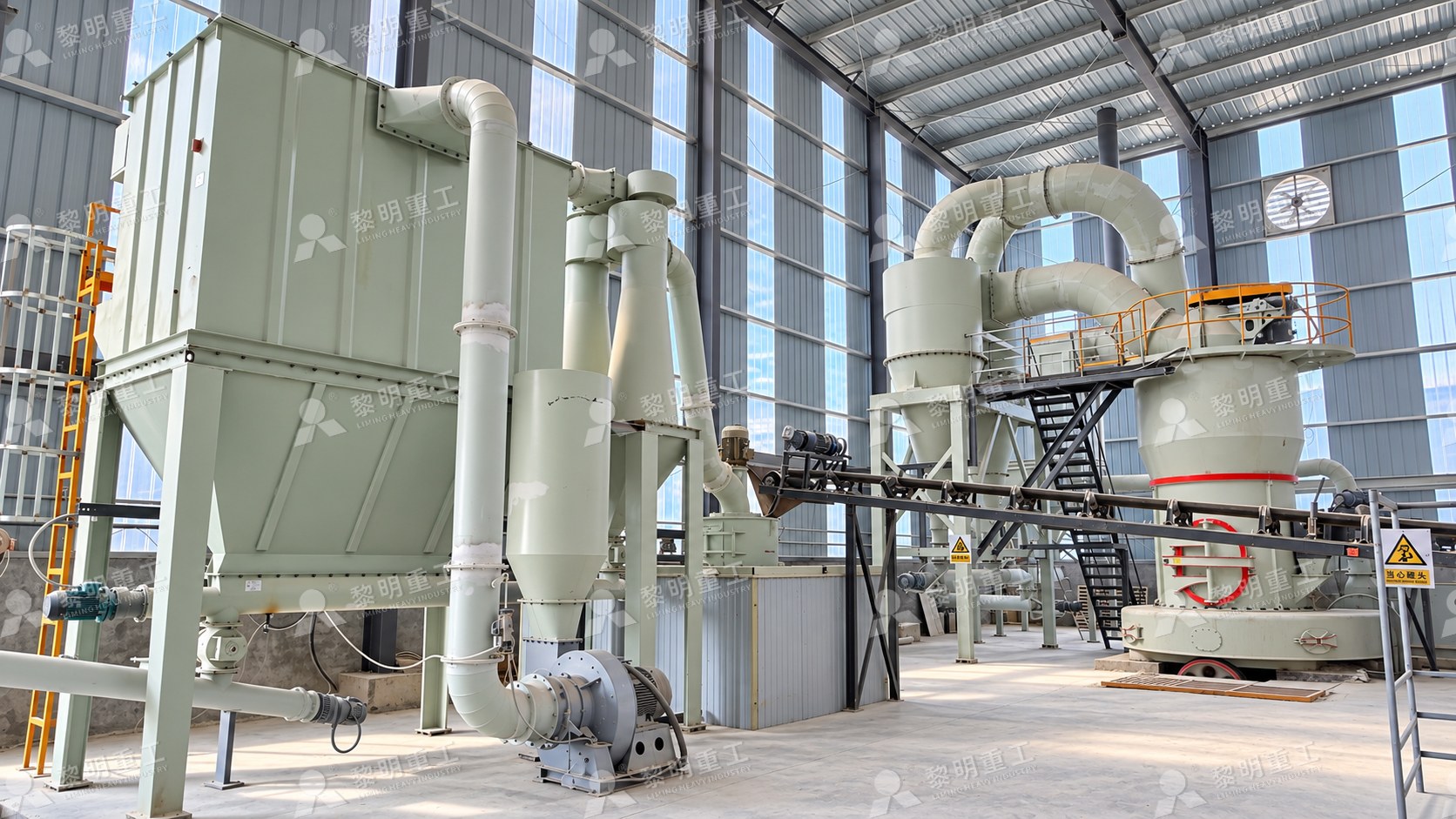
Grinding, classification and powder-handling systems for mineral raw materials used in wall putty formulations. The process is planned around the mineral, feed condition, required powder specification and production rate.
01 · Raw materials
Different formulations use different mineral ingredients. The materials below are examples of powders that may be considered; they are not interchangeable, and the correct choice must be established for the target formulation.
Common mineral filler options. Grinding targets should be set from the required product grade and particle-size distribution.
Process focus: feed size, fineness, whiteness, moisture and consistency.
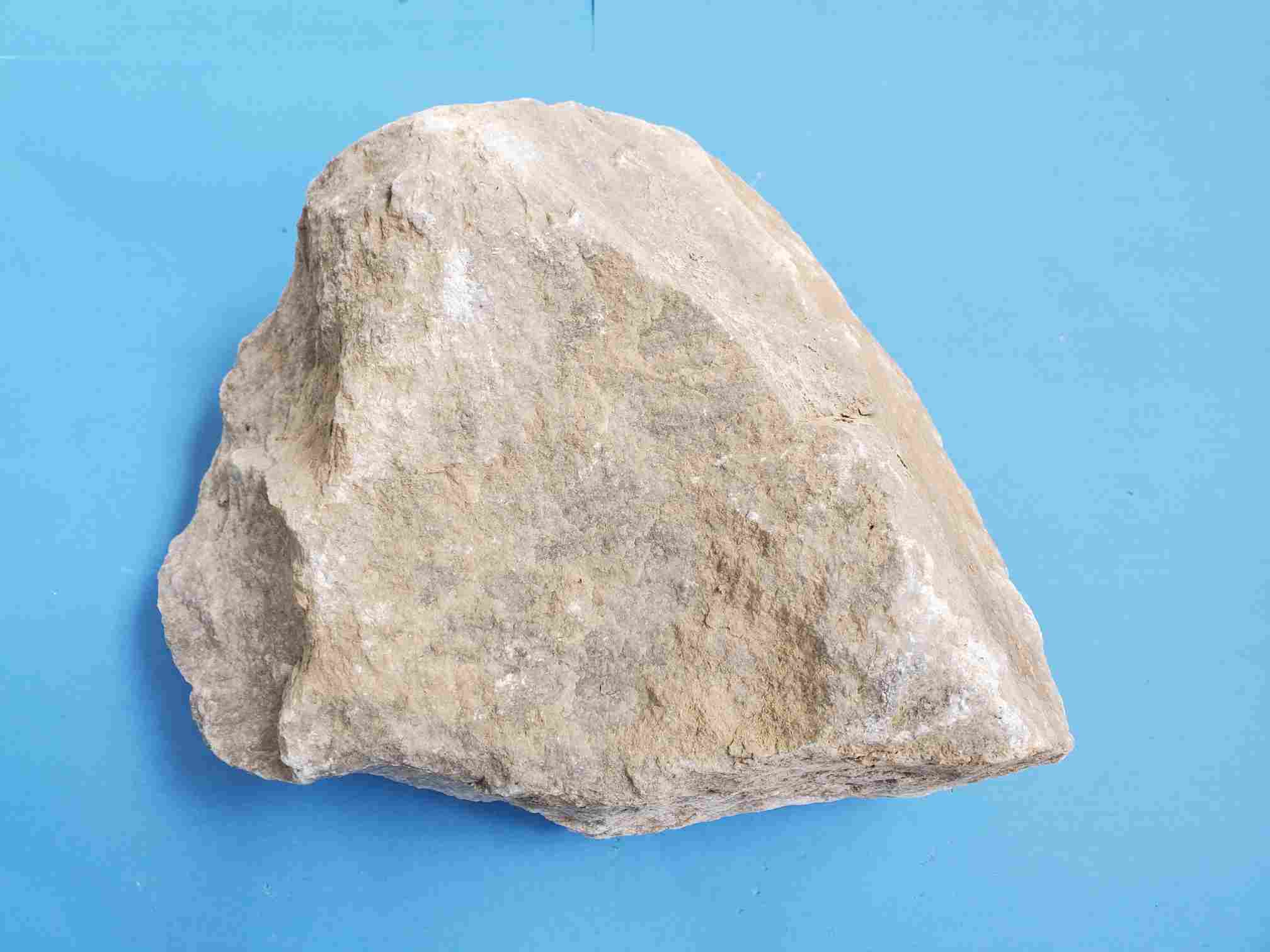
May be used in selected mineral powder formulations where its composition and product characteristics are appropriate.
Process focus: mineral composition, grindability and required powder specification.
Specialty mineral ingredients considered for specific formulation requirements. Their particle characteristics and processing behavior differ from carbonate minerals.
Process focus: material properties, particle characteristics and any specified thermal treatment.
02 · Product specification
A useful equipment selection begins with a clear product target. Mesh alone may not describe the full particle-size distribution or the quality requirements.
03 · Process route
A typical mineral grinding circuit may include the following stages. The actual layout is determined by feed size, moisture, mineral properties, target fineness and capacity.
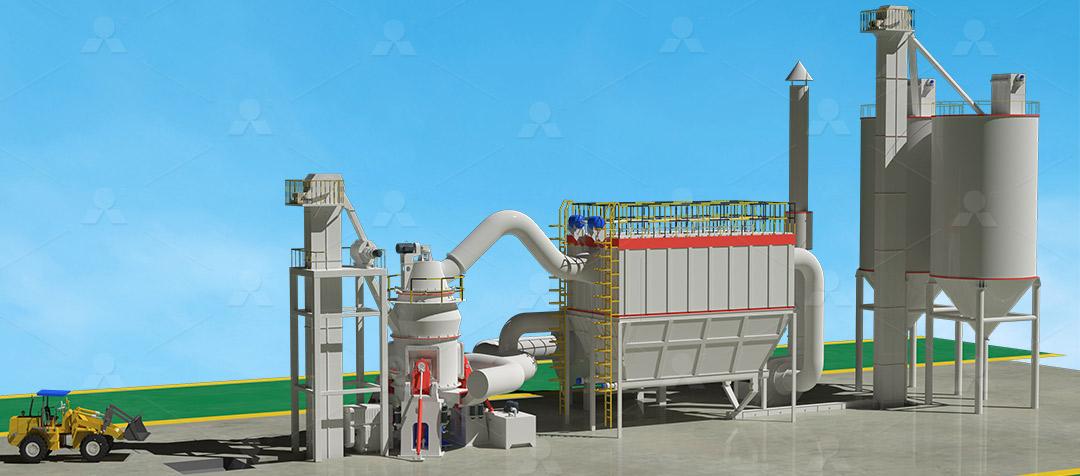
Check raw material condition and remove unsuitable material as required.
Reduce oversized feed to a size accepted by the selected mill.
Provide a stable feed to the grinding system.
Reduce the mineral to the specified particle size.
Separate product by size where the circuit requires it.
Collect powder and transfer it to storage or packing.
04 · Grinding equipment
Liming Heavy Industry offers several grinding mill families. The appropriate model depends on feed conditions, material properties, required fineness, capacity and plant arrangement; the descriptions below are selection starting points, not a final equipment recommendation.
Conventional fine grinding
Evaluate for suitable conventional mineral powder duties when the feed and product requirements fit the mill configuration.
Vertical grinding system
Assess for mineral grinding applications where capacity, layout and product requirements suit a vertical mill system.
Ultrafine powder
Consider when the required powder is ultrafine and the mineral is suitable for this grinding approach.
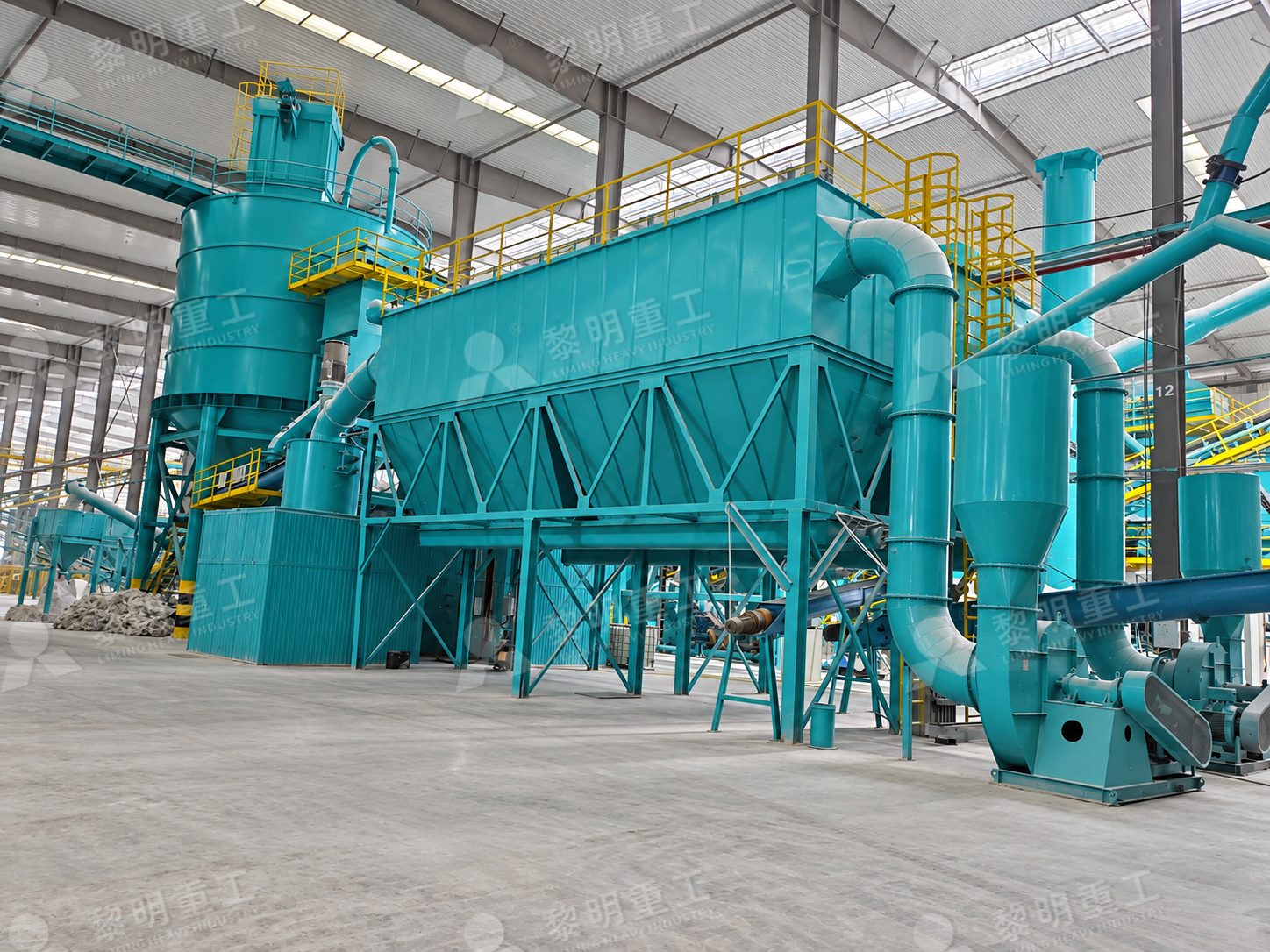
Micro powder processing
Evaluate for appropriate micro-powder duties after confirming the target particle size and capacity.
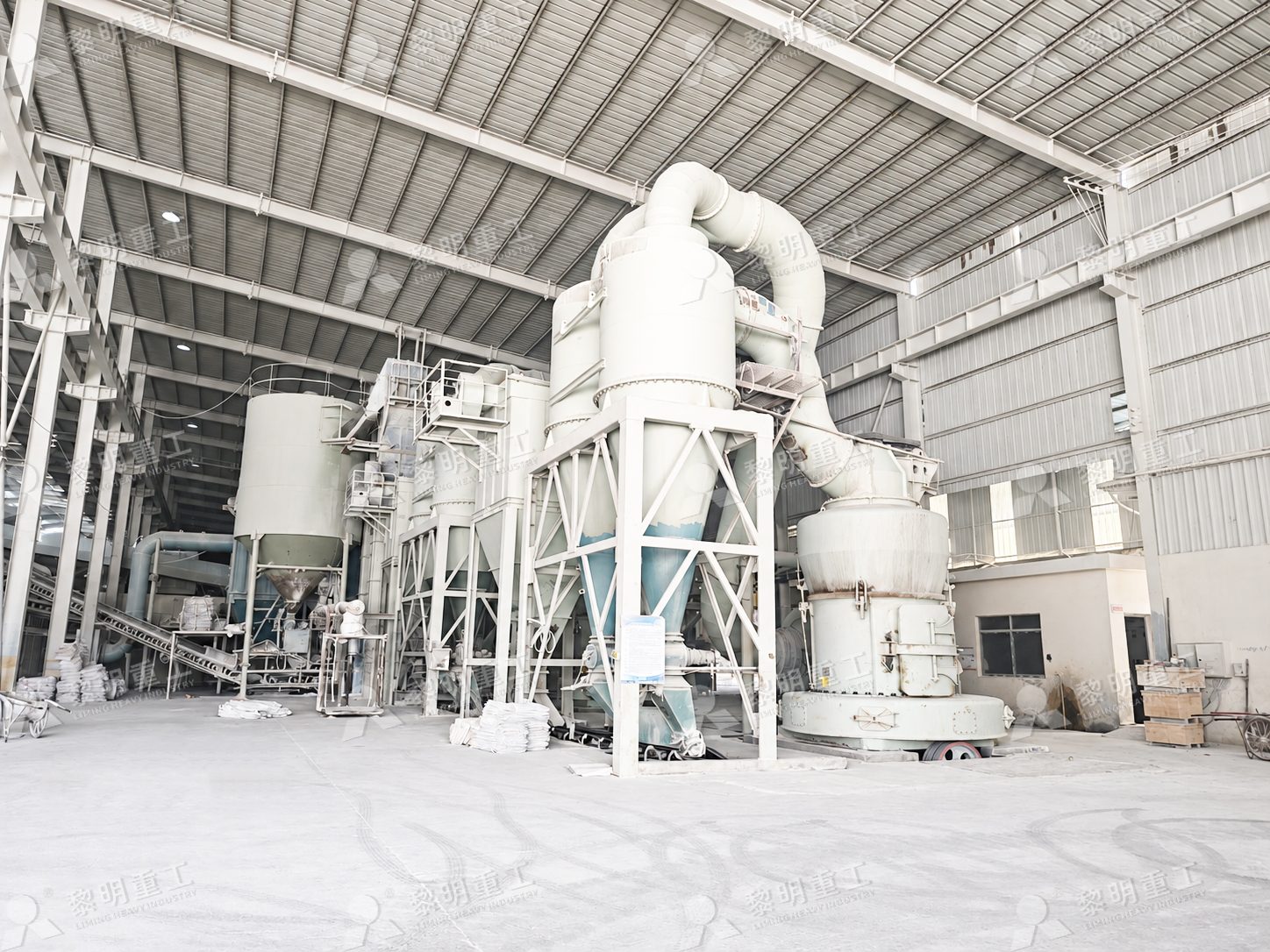
Conventional powder grinding
A mill family to consider for compatible conventional powder applications following a review of feed and product data.
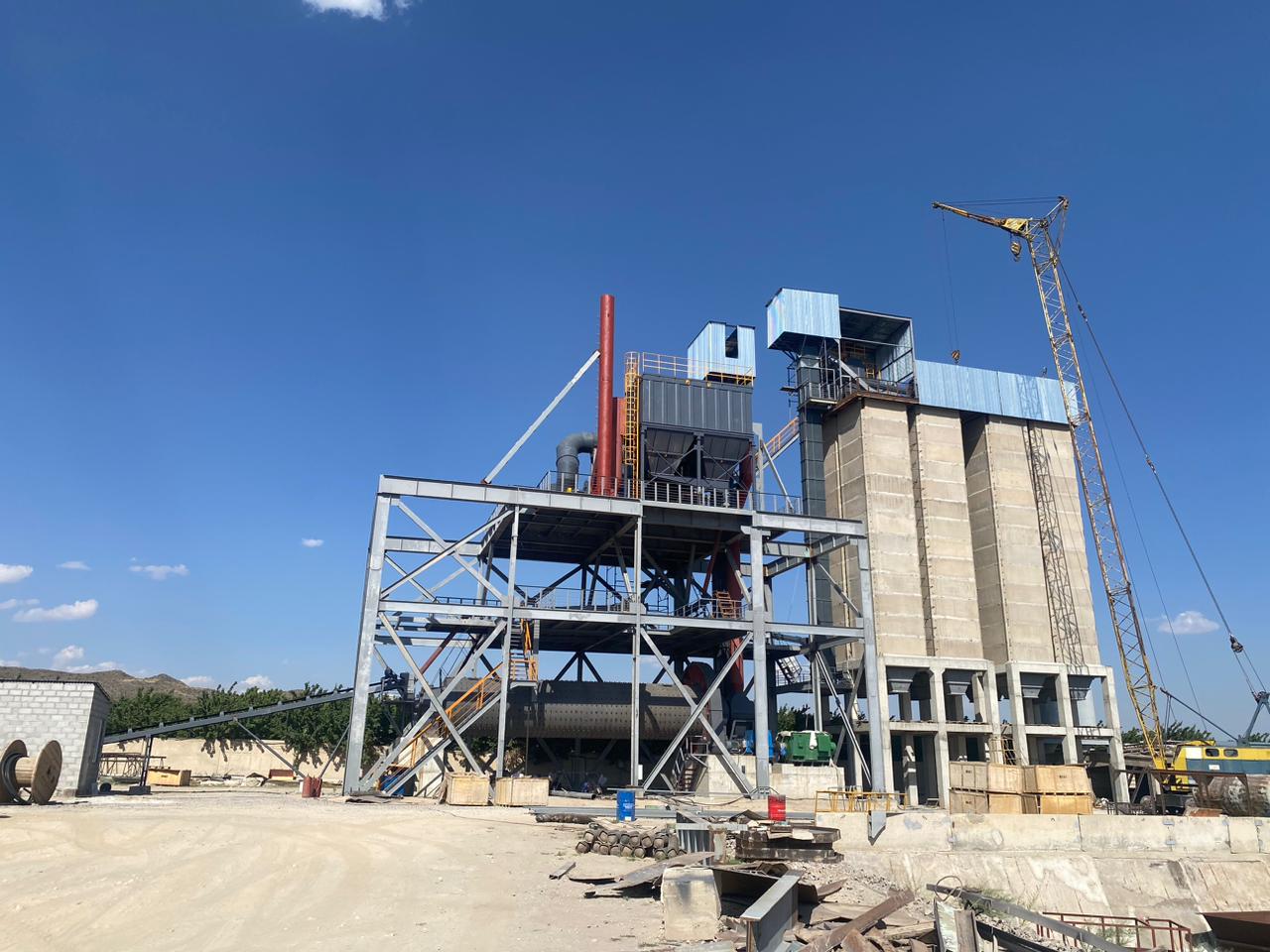
Grinding circuit option
May be evaluated for mineral grinding circuits where the process and product specification suit ball-mill technology.
Explore the Liming Heavy Industry product range for equipment information.
05 · Project references
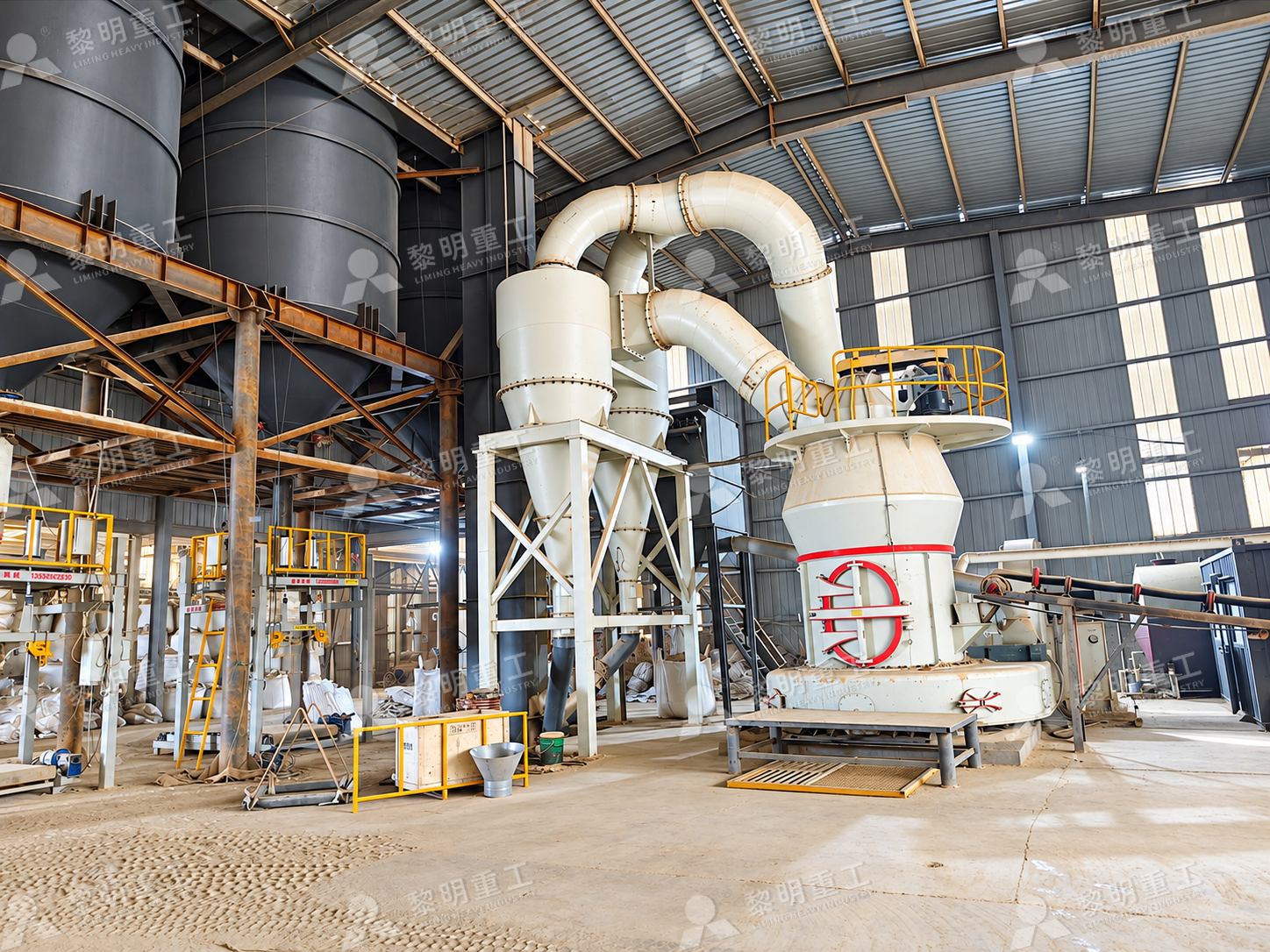
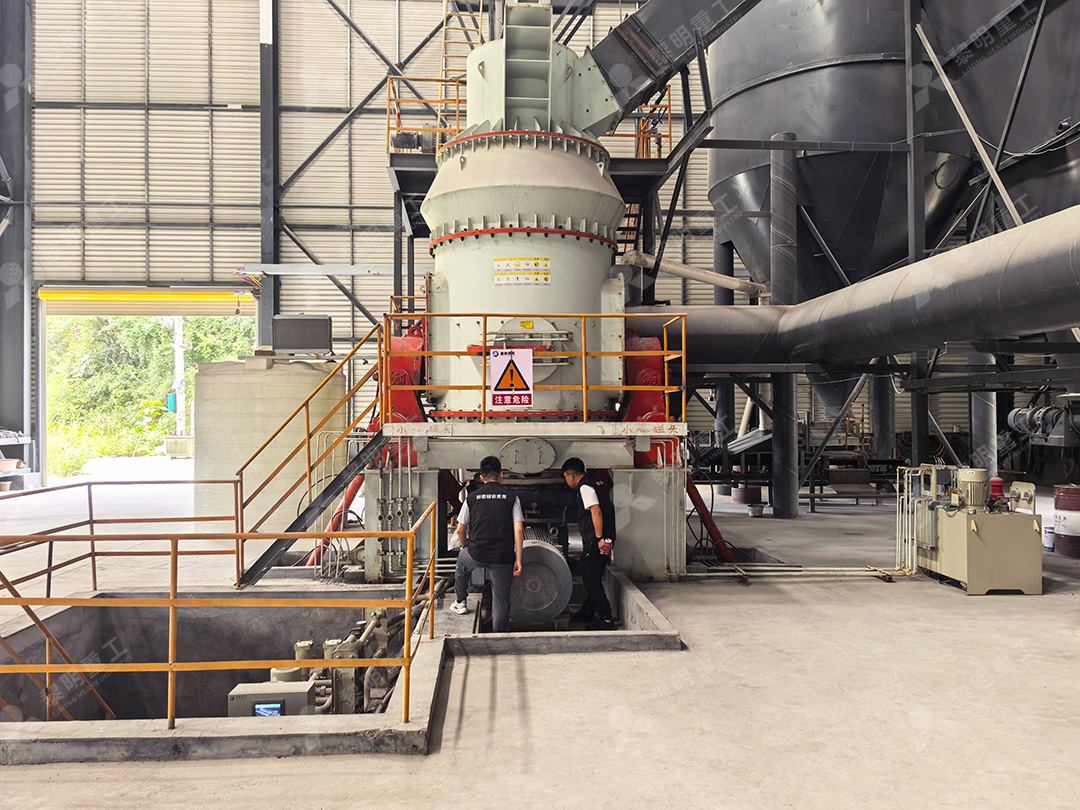
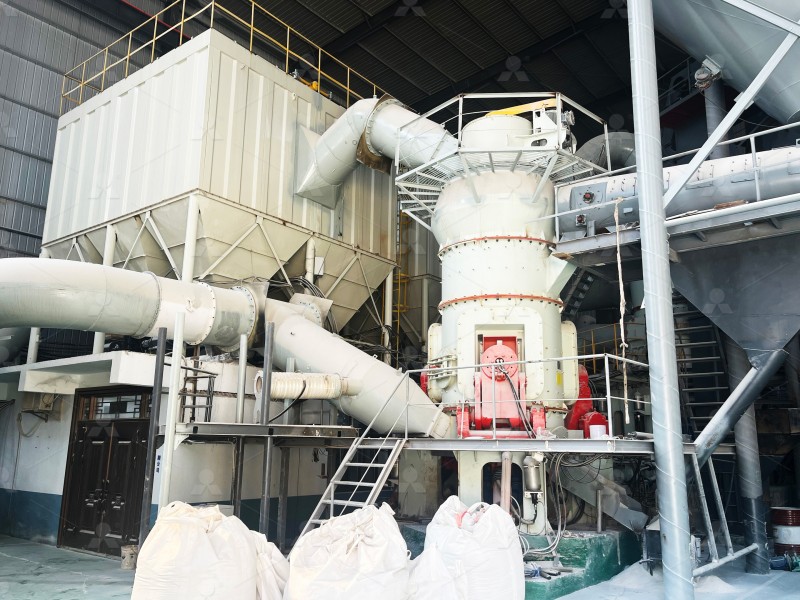
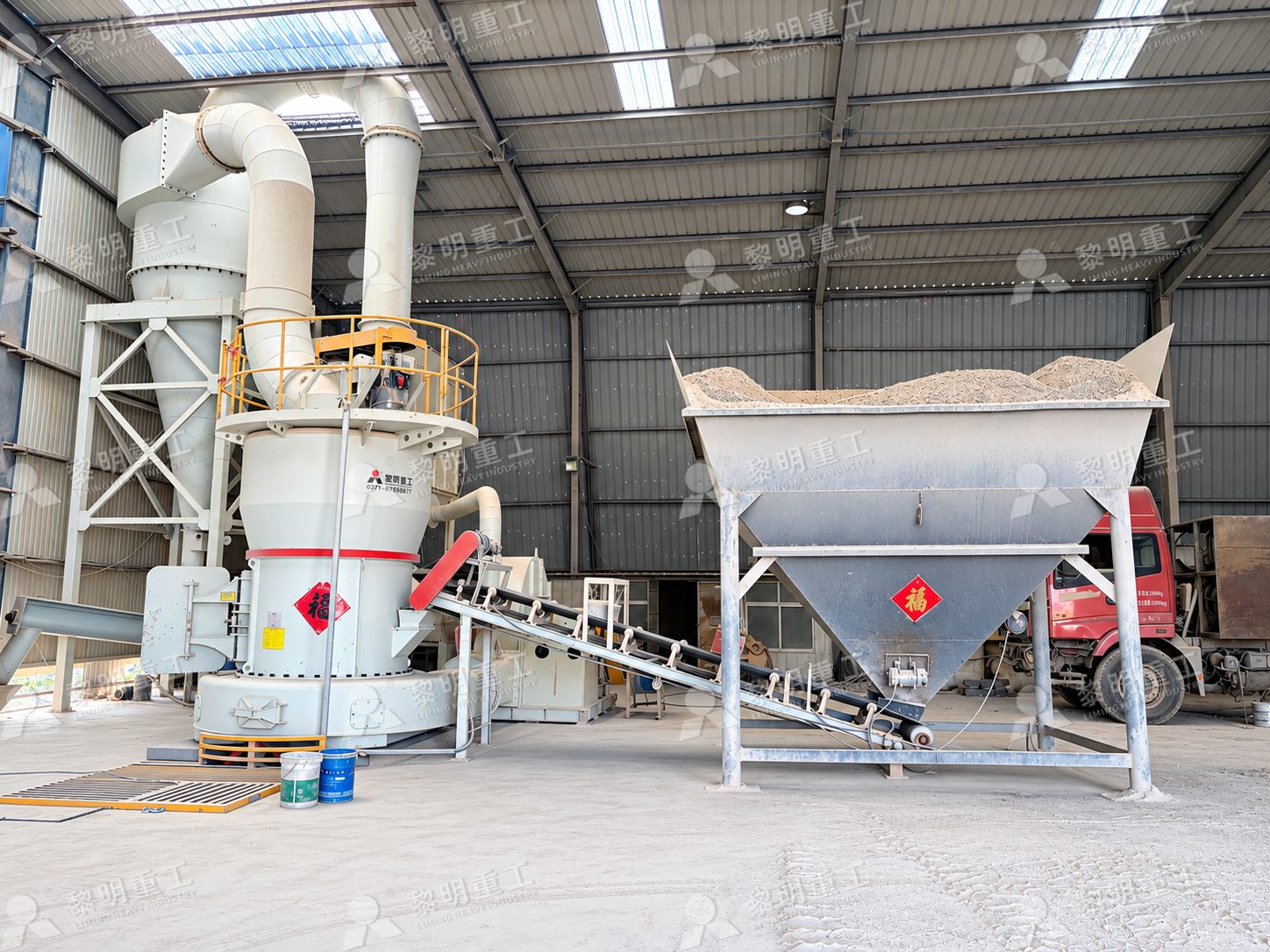
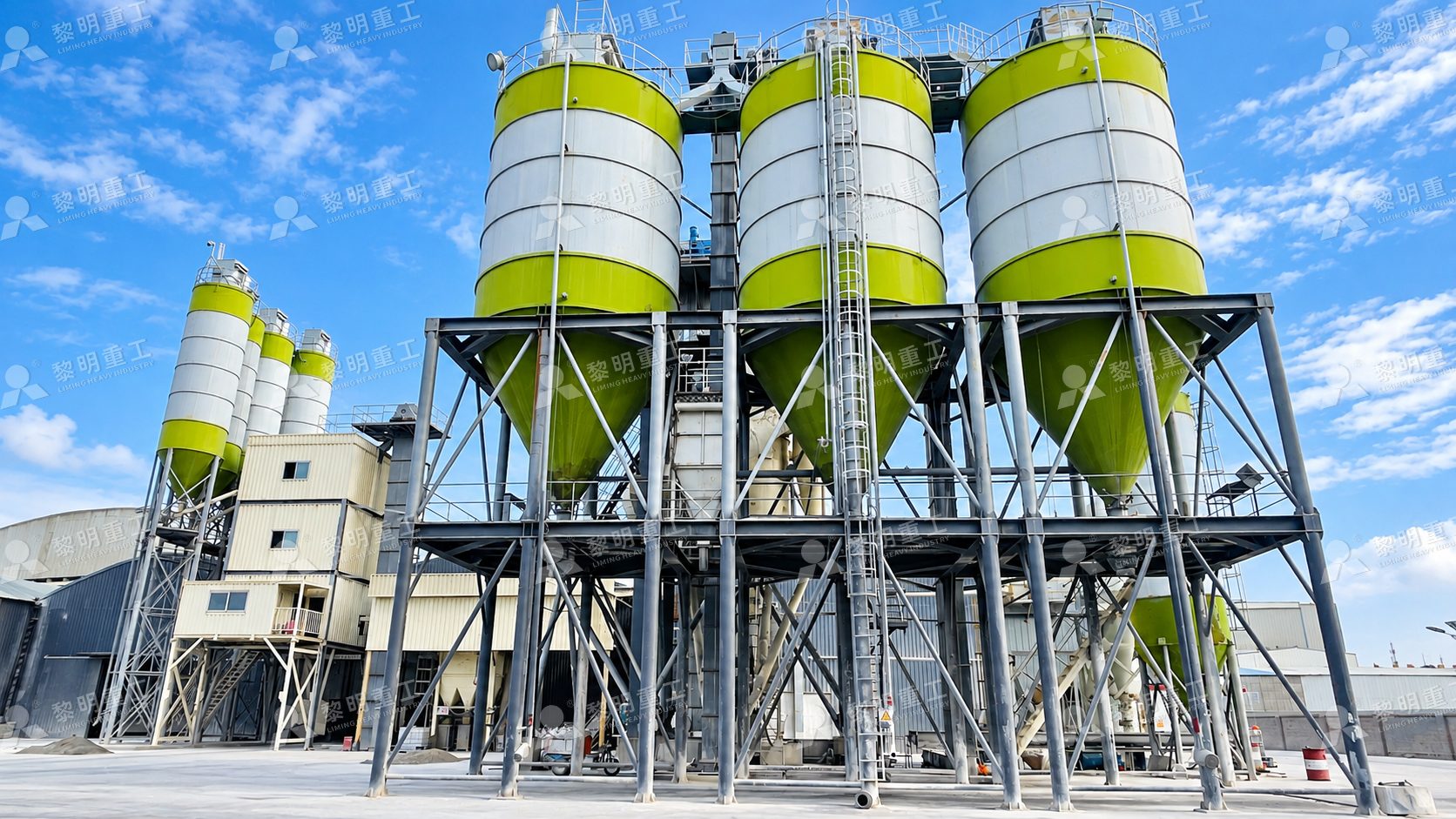
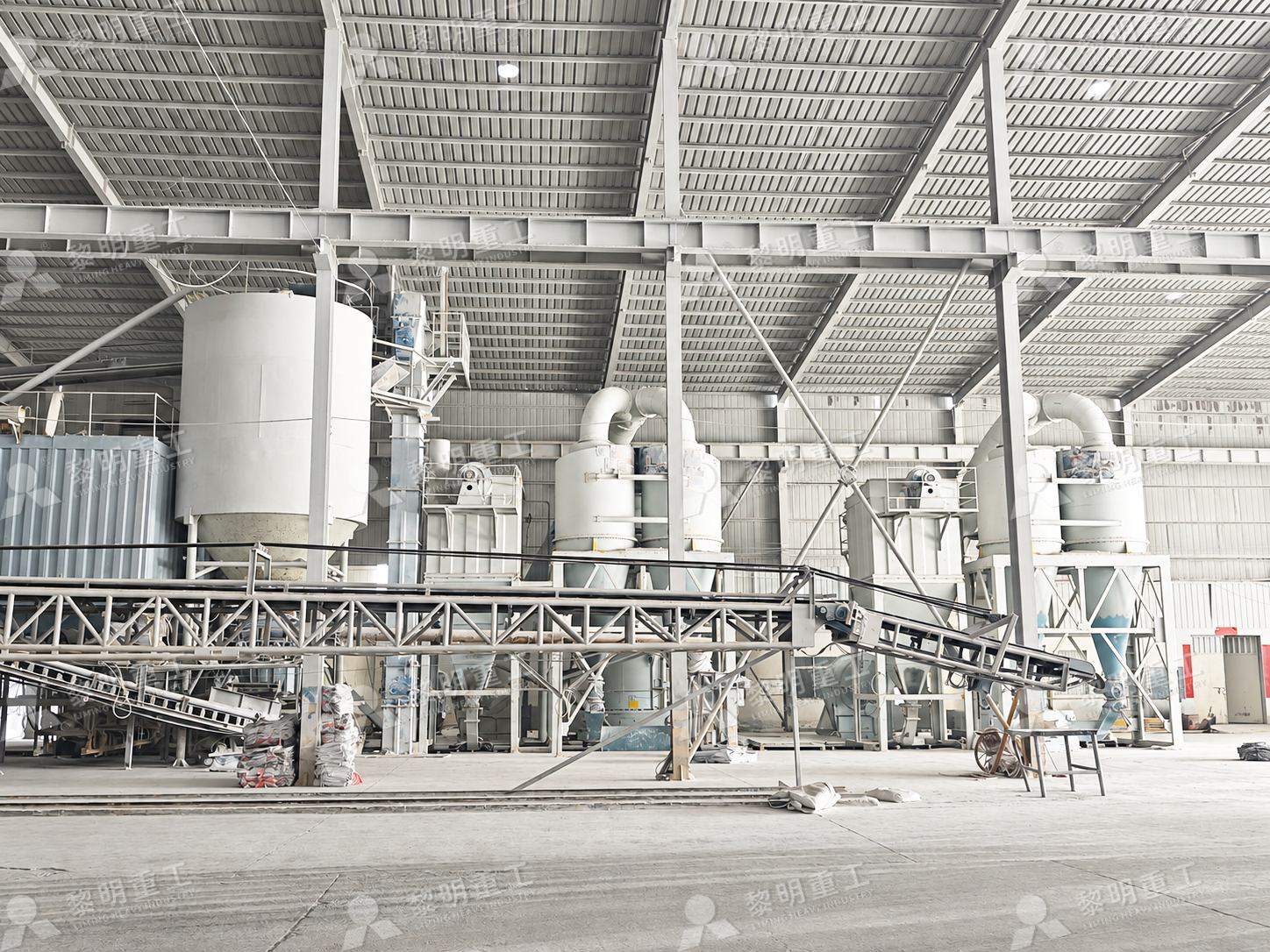
These project photographs show real mineral-processing installations and equipment. Project-specific material, capacity and scope should be stated alongside each image only where confirmed.
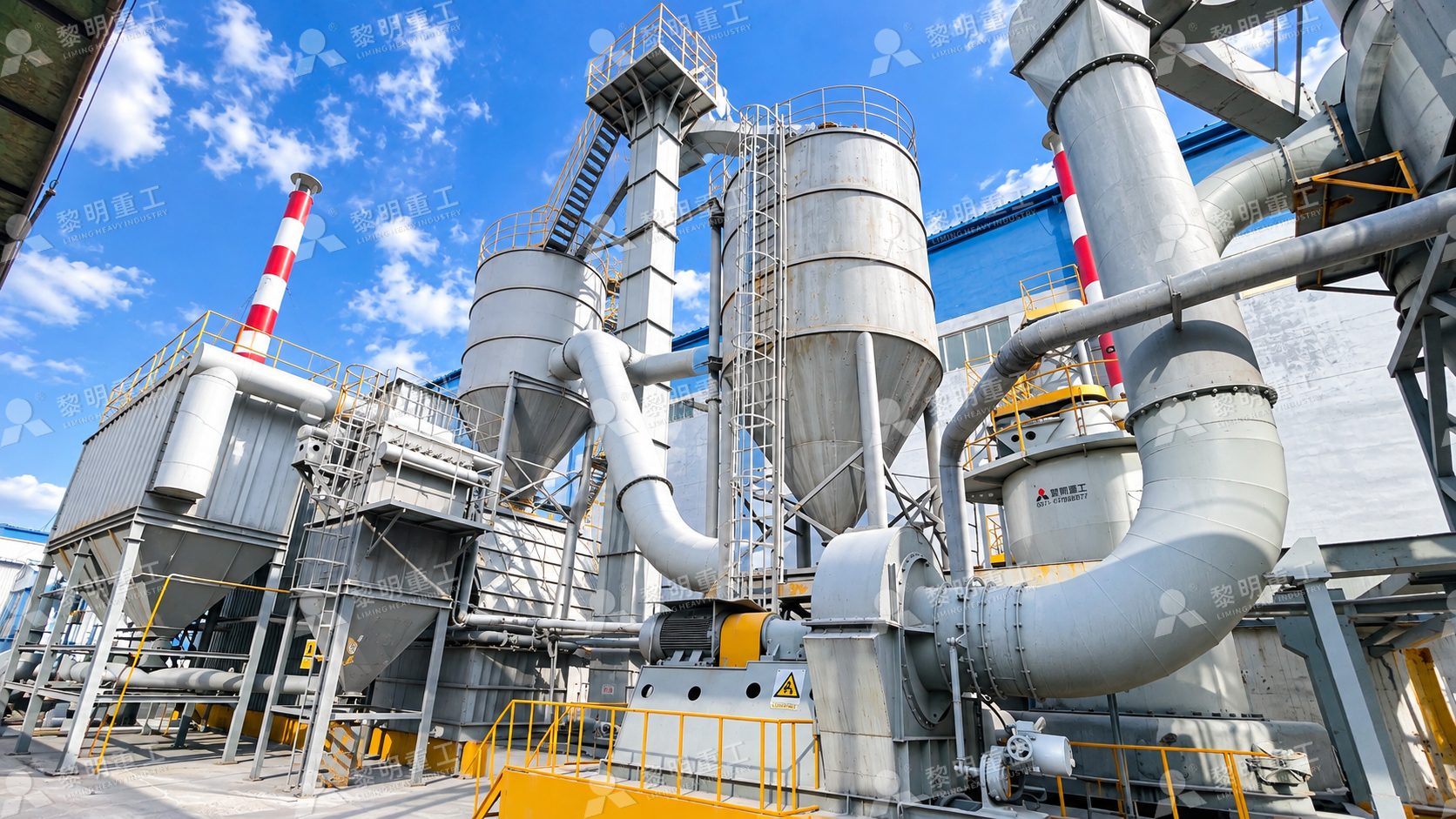
Site overview of a mineral powder production installation.
Equipment and plant arrangement in a grinding workshop.
Powder collection or transfer equipment within a mineral-processing plant.
06 · Plant integration
Stable operation also depends on the feeding, collection, transfer and control systems around the mill. Their configuration should match the project layout and operating requirements.
08 · Related articles
Explore practical guides to mineral raw materials, grinding technology and powder quality for wall putty applications.
07 · FAQ
Formulations vary. Calcium carbonate and other mineral fillers may be used, while dolomite, talc, kaolin or other minerals may be relevant to particular formulations. They are not interchangeable; confirm the formulation and material specification.
Provide the mineral name and grade, feed size, moisture if known, target fineness or particle-size distribution, required capacity and project location. These data help determine which mill configurations should be evaluated.
No. Crushing is needed only when the incoming material is too large for the selected mill. The required feed size depends on the mill model and process configuration.
Not automatically. Drying depends on incoming moisture, the material and the required operating conditions. If needed, it should be specified as a separate process stage.
No. Grinding reduces particle size. Calcination or other thermal treatment changes a material through controlled heating and requires suitable thermal equipment when the product specification calls for it.
Not necessarily. Mineral hardness, abrasiveness, moisture, particle structure and target product properties differ. Equipment and process settings must be reviewed for the specific material.
Share the material and grade, feed size, moisture if available, target fineness, hourly capacity, project country and whether the project is a new plant or an upgrade. A representative material analysis can help where properties are uncertain.
09 · Project discussion
Send the material details and target powder specification. Liming Heavy Industry can review the process information and identify suitable equipment options for further technical discussion.
For product information, visit our website or contact our team through the official channels.
WhatsApp Technical ConsultationShare the available project data so the technical requirements can be reviewed.