


Powder fineness affects how wall putty mixes, spreads, fills surface imperfections, and finishes after drying. Excessively coarse particles can leave a rough surface or produce scratches, while excessive fines can increase water demand and make the formulation more sensitive to small material changes. The objective is balance: a particle-size distribution that supports the required finish without creating unnecessary mixing or application problems.
For a putty manufacturer, this means that “finer” should not automatically mean “better.” For a powder producer, it means the grinding target should come from an approved application result rather than the finest product the mill can produce.
Why Two Powders with the Same Mesh Label Can Perform Differently
A mesh designation describes a sieve-related size reference, but it does not fully describe the particles within a powder. Two fillers carrying the same nominal mesh label may contain different proportions of fine, medium, and coarse particles.
This distinction matters because those fractions play different roles. Smaller particles can occupy spaces between larger particles, while an excessive fine fraction increases the surface area that interacts with water and additives. Research on limestone-containing cementitious systems shows that particle packing and surface area both influence water requirement and flow. The practical lesson for wall putty is to evaluate the whole distribution, not just a single fineness label.
A useful powder description therefore includes:
The particle-size distribution, measured using an agreed method.
A median particle-size value for tracking changes in the central portion of the distribution.
An upper-size indicator for monitoring the coarse end.
A separate coarse-residue test where occasional oversized particles could affect the finish.
These measurements complement one another. A satisfactory median size does not prove that the powder is free from grit, and a satisfactory sieve result does not describe how much very fine material is present.
What Changes Under the Putty Blade?
Surface Smoothness and Scratching
Controlling coarse particles is particularly important in a thin finishing layer. A particle that is acceptable in a thicker leveling material may become visible or drag beneath the blade when the same material is applied as a fine skim coat.
If scratches occur, inspect the retained coarse material rather than immediately increasing overall fineness. The cause may be a hard mineral grain, an agglomerate, or contamination introduced after grinding. Each requires a different corrective action.
Spreading Resistance
Fineness affects the balance between particle contact, available water, and packing. A well-matched distribution can support workable flow, but excessive fines may increase water demand or sensitivity to variation. A broader distribution is not automatically better either; it must remain compatible with the required surface quality.
The useful comparison is how the putty behaves at a defined application consistency. A powder that appears easier to spread only because the batch contains more water may not represent an improvement.
Consistency During Application
Record behavior throughout the intended working period, not only immediately after mixing. Compare spreading resistance, blade marks, and any change in consistency under the same temperature, substrate, and mixing conditions.
If those conditions vary between trials, an apparent fineness effect may actually come from substrate suction, mixing differences, or changes in the additive system.
Water Demand Connects Fineness to Finished Performance
Reducing particle size generally increases the available surface area for a given mass of mineral. However, water demand is not determined by surface area alone. Particle packing, shape, mineral composition, and impurities also influence the result. This is why two powders with similar median sizes can require different water additions.
For practical testing, separate two questions:
How does the new powder behave when the water addition remains unchanged?
How much water is needed to obtain application consistency comparable with the approved product?
The first comparison reveals sensitivity to the filler change. The second shows what an applicator may do to make the material workable. Both are useful, but they should not be confused.
After adjusting water, reassess the dried or cured product. Do not approve a finer powder solely because it produces a smoother wet surface. Sanding, surface cohesion, adhesion, and any exposure-related requirements still need to be checked.
Does Finer Powder Improve Strength, Sanding, or Crack Resistance?
None of these properties can be established from fineness alone. Particle grading influences the mineral structure, but the binder system, water addition, application thickness, substrate, and curing conditions also contribute to the result.
| Performance Question | What Fineness Can Influence | What the Trial Must Also Control |
|---|---|---|
| Will the surface be smoother? | Particle texture and the presence of oversized material | Dispersion, contamination, blade condition, and application thickness |
| Will the putty spread more easily? | Packing and water demand | Water addition, additives, mixing, and substrate condition |
| Will sanding improve? | The texture of the mineral framework | Binder content, mineral type, drying or curing, and sanding procedure |
| Will adhesion increase? | How the filler participates in the complete formulation | Binder adequacy, substrate preparation, water addition, and curing |
| Will cracking decrease? | Grading-related changes in the formulation | Layer thickness, substrate movement, drying conditions, and the complete recipe |
Treat these as application-testing questions rather than claims attached to a mesh number. A powder change is successful only when the relevant finished-product requirements remain satisfied.
Choose Fineness for the Intended Layer
A leveling coat and a thin finishing coat do not necessarily need the same powder specification. The finishing coat places greater emphasis on visible texture and freedom from particles that can disturb a thin application. A leveling product may accept a different grading, provided it meets its own application and finishing requirements.
Similarly, cement-based dry-mix putty and ready-mixed polymer putty should not share a fineness specification by default. The same filler can interact differently with different binder and additive systems.
Where a manufacturer supplies several products, separate approved powder grades may be more practical than forcing one increasingly fine grade into every formulation.
Translate the Approved Grade into a Grinding Target
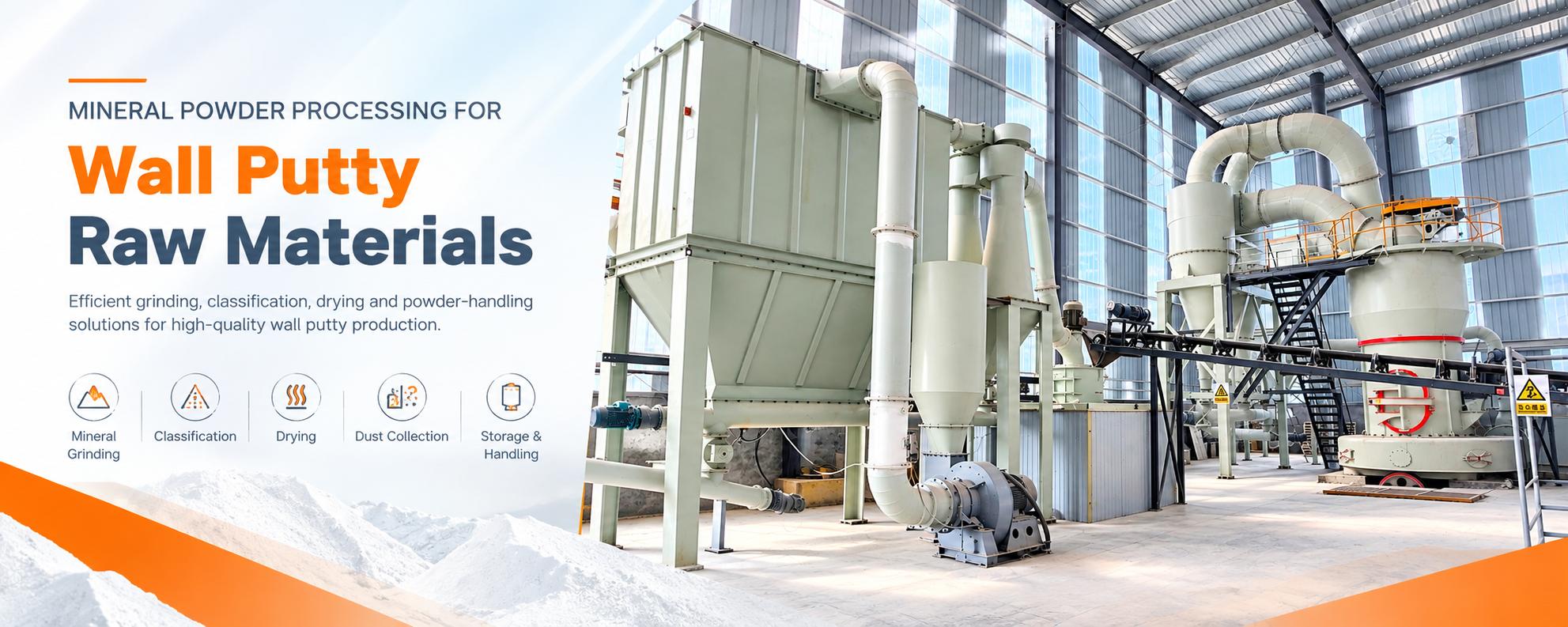
Once application trials identify a suitable powder, the processing task is to reproduce it consistently. Grinding reduces particle size, while classification separates acceptable powder from material requiring further grinding. In a closed-circuit system, rejected coarse material returns to the mill.
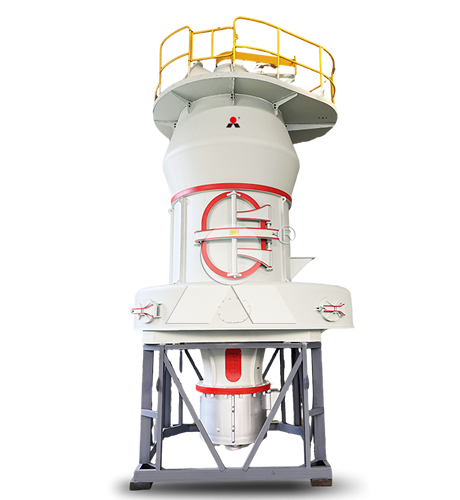
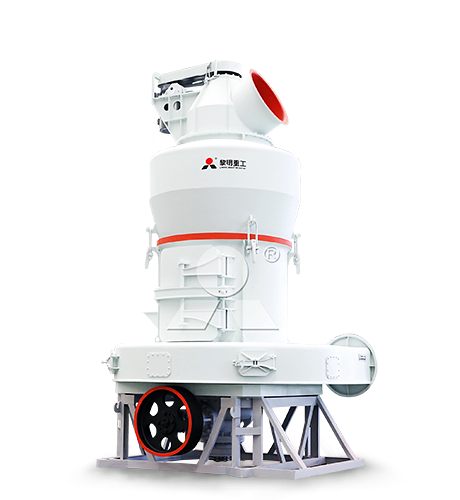
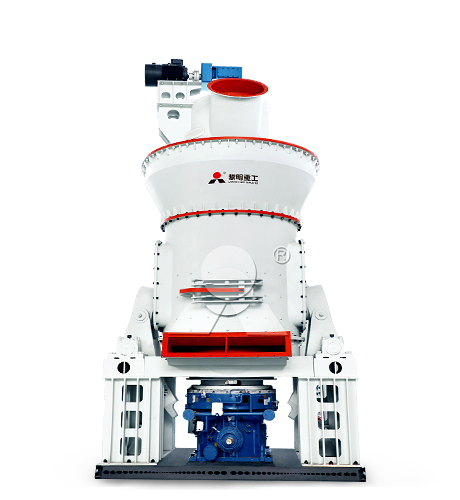
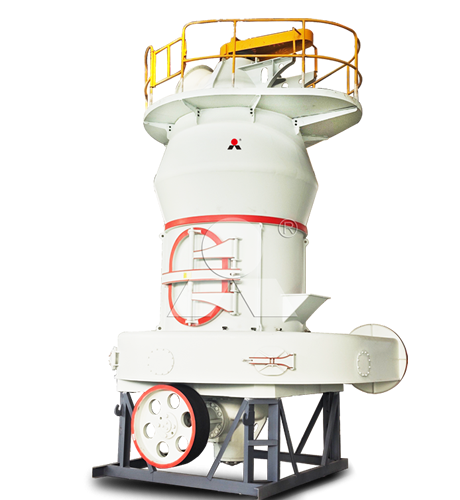
Liming Heavy Industry offers the MTW European Trapezium Mill and LM Vertical Roller Mill for standard-fineness ground calcium carbonate processing, with the LUM Ultrafine Vertical Mill available for ultrafine requirements. Equipment selection should follow the approved powder specification and required production rate rather than a general preference for ultrafine grinding.
Classifier adjustment is important, but it is not the only operating variable. Liming Heavy Industry identifies material hardness, feed moisture, feeding rate, and system air volume as factors affecting achieved fineness in its LUM grinding system. Production control should therefore track the feed and operating conditions alongside the laboratory result.
Ask for saleable output at the required distribution and residue limit. Maximum throughput and the finest achievable product should not be assumed to describe the same operating condition.
A Practical Method for Establishing the Right Fineness
Use an approved filler as the reference and prepare candidate grades from the same representative mineral feed wherever possible. This reduces the risk of confusing a mineral-composition change with a fineness change.
Characterize each powder using the same particle-size method, residue procedure, moisture test, and sample preparation.
Prepare putty with the same initial recipe, water addition, mixing sequence, and mixing time.
Record consistency differences before making adjustments. If water is subsequently changed, document the amount and the reason.
Apply the materials to matching substrates at a controlled thickness. Compare spreading, scratches, blade marks, and working behavior.
Assess the dried or cured surfaces for sanding, cohesion, adhesion, and the appearance required by the product specification.
Repeat the comparison with production samples to confirm that the accepted grade can be supplied consistently.
The resulting specification should define an acceptable operating range, not merely reproduce one unusually good sample. For a new powder-processing line, provide Liming Heavy Industry with the representative raw material, approved reference powder, target distribution, coarse-residue limit, and required hourly output. Those inputs connect the grinding system directly to the wall putty performance it must support.
Related Wall Putty Raw Material Processing


Liming Heavy Industry to Exhibit at bauma CHINA 2026 – Visit Us at Booth E6.510
2026-10-15

Meet Liming Heavy Industry at the 140th Canton Fair 2026
2026-10-13
Liming Heavy Industry to Attend the 140th Canton Fair
2026-09-25
Liming Heavy Industry at bauma CONEXPO INDIA 2026 | Booth 5-C6
2026-09-07
Turnkey Raw Mill Cement Plant in Saudi Arabia: Design and Installation
2026-09-03
Complete Mineral Processing Solutions
Convenient Reliable Professional Efficient Get Your Quote
Please feel free to submit your inquiry information to us. We will contact with you as soon as possible.
Our team will contact you as soon as possible.