


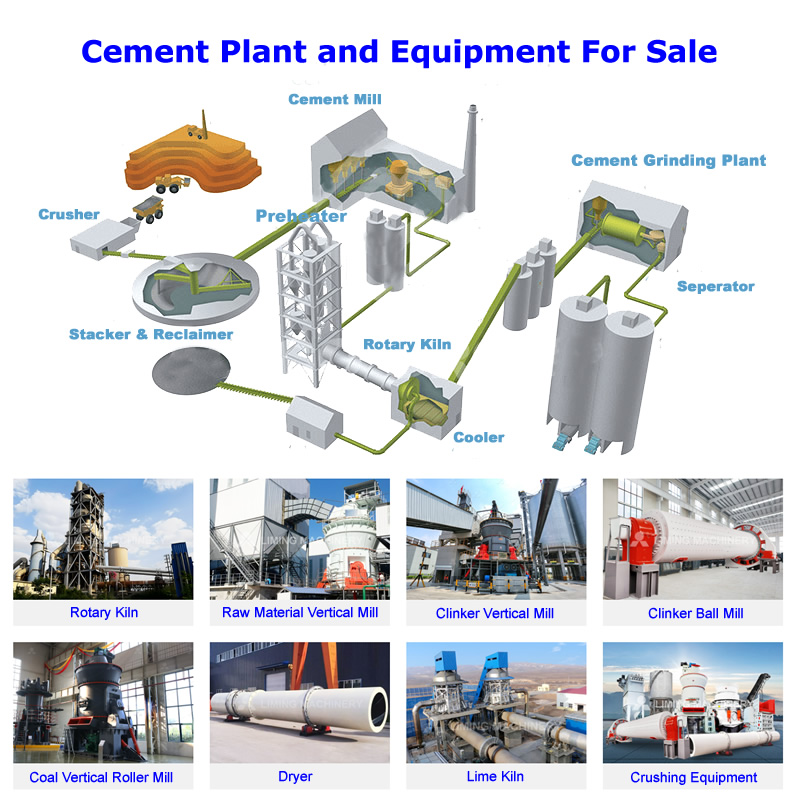
A turnkey raw mill cement plant in Saudi Arabia should be designed as an integrated grinding and drying system rather than as a standalone mill installation. The core engineering work is to match the raw mill capacity with the kiln's raw meal requirement, then integrate raw-material feeding, grinding, drying, classification, gas circulation, dust collection, conveying, electrical control, and commissioning into one operating system.
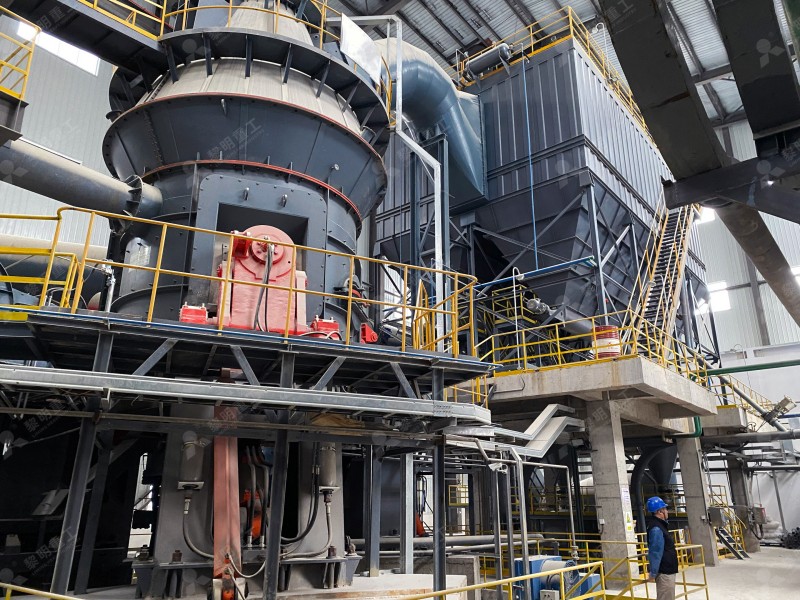
For a new cement project, a vertical raw mill is often a practical technology to evaluate because it can combine grinding, drying, and classification in a compact process arrangement. However, the appropriate mill size and configuration depend on raw-material properties, moisture, feed size, required raw meal fineness, production rate, available hot gas, and the operating strategy of the cement plant.
What Does a Turnkey Raw Mill Plant Include?
The term turnkey should be clearly defined in the contract because suppliers use different scopes of supply. A complete raw mill package can range from the main grinding machine to a fully integrated grinding and drying section ready for commissioning.
A typical turnkey raw mill section may include:
Raw-material feeding equipment
Feed-size reduction or crushing equipment where required
Raw mill and grinding components
Grinding rollers and table liners
Main drive motor and gearbox
Hydraulic system
Lubrication system
Dynamic classifier or separator
Hot-gas inlet and drying system
Process fan
Dust collector or bag filter
Finished raw meal conveying equipment
Ducts, dampers, and expansion joints
Electrical equipment and instrumentation
PLC/DCS control integration
Structural and auxiliary equipment within the agreed scope
Installation supervision
Commissioning and operator training
Before comparing suppliers, the buyer should request a detailed scope-of-supply list. A quotation described as turnkey may exclude civil construction, local erection, electrical cabling, utilities, or certain auxiliary equipment. Those exclusions can have a significant effect on the final installed cost.
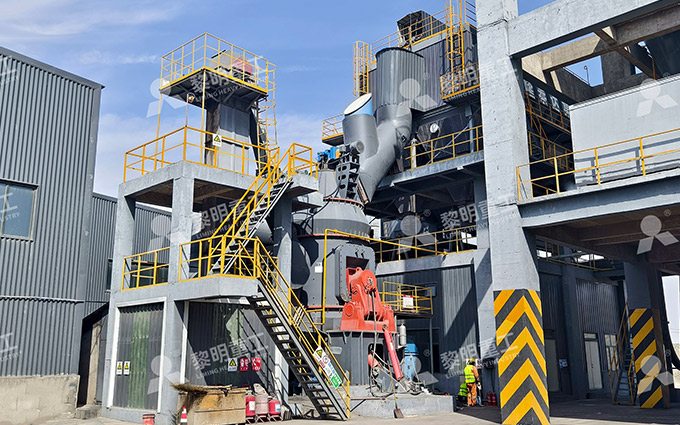
Design the Raw Mill From the Cement Plant Mass Balance
The raw mill should be sized from the plant's raw meal requirement rather than simply from the clinker production capacity.
A preliminary design relationship is:
Raw meal requirement = clinker production × raw meal factor
The actual raw meal factor depends on the raw mix and plant process. The design must also account for mill availability, maintenance periods, production fluctuations, and the required operating margin.
For example, if a hypothetical cement plant requires a certain amount of raw meal per day, the engineering team should convert that requirement into an hourly grinding rate based on the expected effective operating hours. The resulting figure becomes the basis for preliminary raw mill sizing.
This is more reliable than selecting a mill solely from a nominal capacity table. Actual throughput can change with material hardness, moisture, feed size, fineness, grinding efficiency, and separator performance.
Raw-Material Data Required for Saudi Arabia Projects
A Saudi Arabian cement plant may use limestone and other corrective materials with different hardness, abrasiveness, moisture, and grindability characteristics. The supplier therefore needs representative raw-material information before finalizing the mill configuration.
The design package should ideally include:
Raw-material chemical composition
Mineralogical characteristics where available
Hardness and grindability information
Abrasiveness
Normal and maximum moisture
Feed-size distribution
Maximum feed size
Required raw meal fineness
Required raw meal moisture
Expected raw-material proportion in the raw mix
Required production rate
Material testing is particularly useful when the raw materials are highly abrasive or their grinding behavior is uncertain. A mill that appears appropriately sized from the material name alone may not achieve the expected throughput under actual operating conditions.
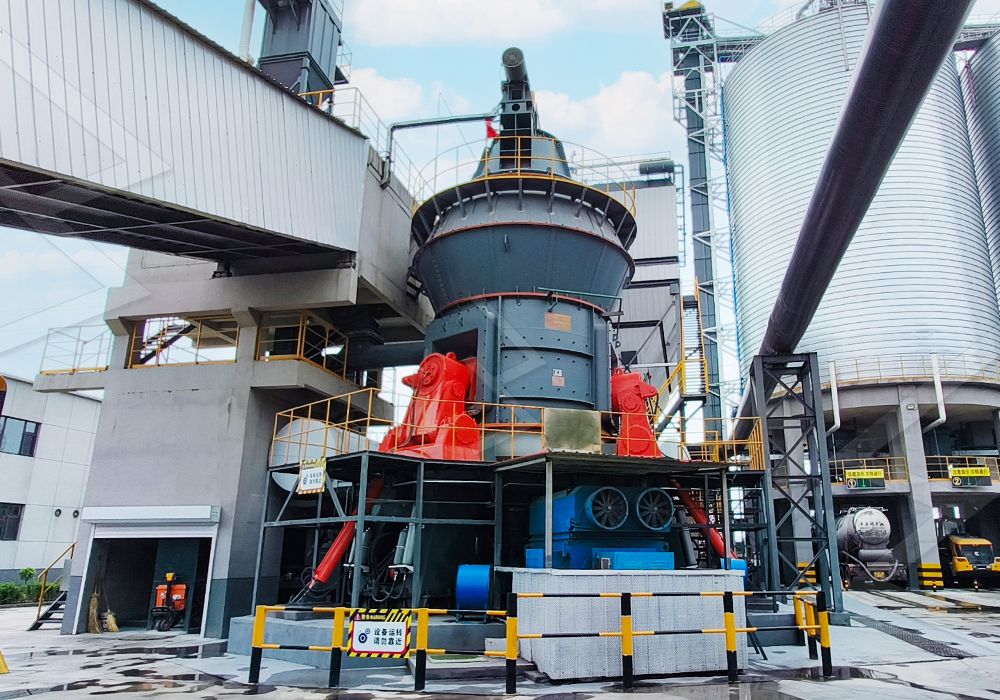
How the Grinding and Drying System Is Configured
A typical vertical raw mill process can be represented as:
Raw material → Feeding → Grinding and drying → Classification → Dust collection → Raw meal conveying → Raw meal storage
Hot gas can be introduced into the mill to evaporate moisture and carry fine particles through the separator. Coarse particles are returned to the grinding zone while sufficiently fine raw meal leaves the system.
This arrangement creates an important design relationship between the mill and the gas circuit. The grinding mill cannot be correctly sized without considering the required gas volume, gas temperature, moisture load, fan capacity, and dust-collection resistance.
If the raw material contains more moisture than anticipated, drying may become the limiting factor even when the mechanical grinding capacity of the mill is adequate.
Hot-Gas Integration With the Cement Plant
In an integrated cement plant, waste heat or process gas from the kiln and preheater system may be used as a heat source for raw-material drying, depending on the plant configuration and gas conditions.
The design team should evaluate:
Available gas temperature
Available gas volume
Gas moisture content
Required drying duty
Gas pressure
Fan capacity
Gas-circuit pressure losses
Dust loading
Required product moisture
The objective is not simply to maximize hot-gas temperature. The complete heat and gas balance must remain stable under normal and maximum raw-material moisture conditions.
_1767929649021.jpg)
Why the Separator Is Critical to Raw Mill Design
The classifier or separator determines the final particle-size distribution of the raw meal and controls the amount of material returning to the grinding zone.
If the separator is poorly matched to the required raw meal fineness, the mill may experience excessive circulating load, reduced throughput, or unstable operation. Conversely, an inappropriate classification setting can produce coarse raw meal even when the grinding components are operating normally.
For turnkey projects, separator selection should therefore be treated as part of the raw mill process design rather than as an auxiliary component added after mill sizing.
Dust Collection and Fan Design
The raw mill's dust-collection system must be designed together with the airflow circuit. The process fan creates the airflow required for drying, particle transport, and classification, while the dust collector separates finished raw meal from the gas stream.
Important design variables include:
Required process airflow
System pressure drop
Dust loading
Dust collector capacity
Fan capacity and pressure
Duct diameter and configuration
Air leakage
Material accumulation
An undersized fan or dust collector can become a process bottleneck even if the raw mill itself has sufficient mechanical capacity. This is one reason turnkey design should evaluate the complete process circuit rather than selecting the mill in isolation.
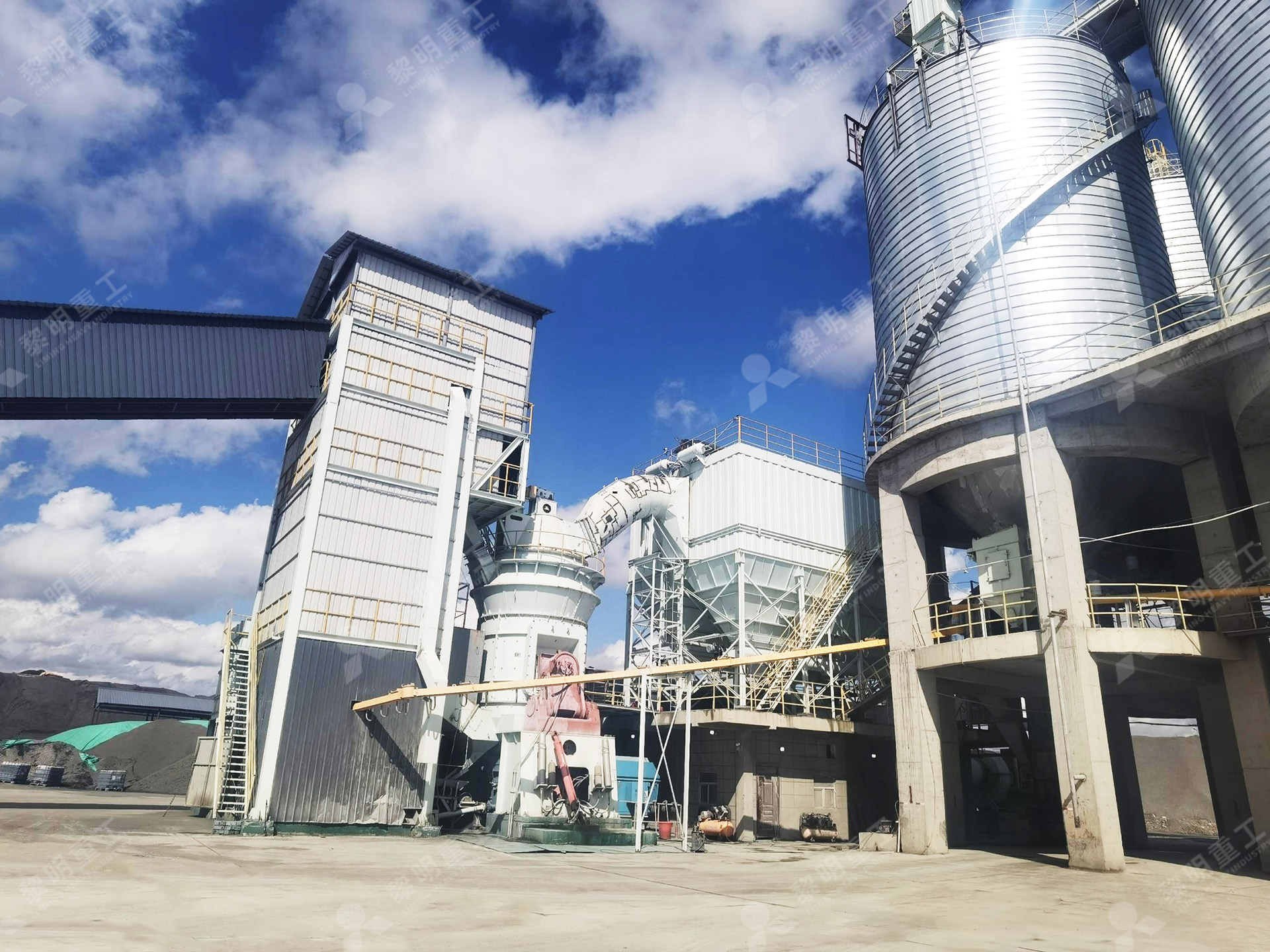
Installation Considerations in Saudi Arabia
Installation planning should begin before equipment arrives at the project site. Large raw-mill components can require specialized lifting and transportation arrangements, particularly for the gearbox, main drive, grinding table, separator components, and structural equipment.
A turnkey installation plan should address:
Site preparation and civil foundations
Equipment transportation and unloading
Heavy-lift planning
Mechanical equipment erection
Duct and structural installation
Electrical and instrumentation installation
Hydraulic and lubrication-system commissioning
Alignment and inspection
Cold commissioning
Hot commissioning
Performance verification
Operator training
Local site conditions should be incorporated into the installation plan. Ambient temperature, dust conditions, site access, lifting equipment availability, electrical infrastructure, and distance from the equipment supplier can all influence project execution.
Saudi Climate and Raw Mill Design
Saudi Arabia's hot and dry climate creates additional considerations for equipment cooling, lubrication, electrical equipment, instrumentation, and maintenance access. These factors should be incorporated into the project specification rather than addressed after equipment delivery.
For example, cooling systems and lubrication equipment should be selected for the expected ambient operating conditions. Electrical and instrumentation systems should also be specified according to the actual site environment and applicable project requirements.
_1767930055775.jpg)
The climate itself does not determine the raw mill technology, but it can affect the design of auxiliary systems and the long-term maintenance strategy.
Mechanical Installation: What Needs Particular Attention?
Raw mills contain heavily loaded rotating and grinding components, so installation accuracy matters. Critical installation activities include alignment, foundation inspection, gearbox installation, roller assembly, hydraulic connections, lubrication piping, separator installation, and inspection of rotating clearances.
Before commissioning, engineers should verify:
Foundation and anchor conditions
Gearbox and drive alignment
Roller and table installation
Hydraulic-system pressure and leakage
Lubrication-system operation
Separator rotation and clearances
Fan rotation and vibration
Duct and damper installation
Dust-collector condition
Electrical interlocks and safety systems
Incorrect installation can create vibration, leakage, abnormal wear, or unstable operation that may later be mistaken for an equipment-design problem.
Electrical and Automation Integration
A turnkey raw mill should be integrated into the cement plant's central control system. Instrumentation should provide sufficient information for operators to control grinding, drying, classification, and airflow.
Important process measurements may include:
Mill feed rate
Mill differential pressure
Grinding pressure
Mill vibration
Gearbox temperature
Bearing temperature
Hot-gas temperature
Gas pressure and airflow
Separator speed
Fan operating parameters
Dust-collector pressure drop
Raw meal fineness and moisture
Automatic control should be designed around the interaction between these variables. For example, mill feed, airflow, grinding pressure, and separator operation cannot always be optimized independently because changing one parameter can affect the others.
Commissioning a Turnkey Raw Mill
Commissioning should proceed in stages rather than immediately attempting full-load operation.
Cold Commissioning
Mechanical and electrical systems are checked without raw material. Motors, gearboxes, lubrication systems, hydraulic systems, fans, dampers, instrumentation, and interlocks should be verified.
Hot Commissioning
The process system is gradually introduced to operating conditions. Raw-material feeding, hot-gas flow, grinding pressure, separator operation, and fan control are adjusted progressively.
Performance Verification
Once the system reaches stable operation, the project team can verify relevant contractual and process parameters, such as production rate, product quality, moisture, power consumption, and system stability, according to the agreed performance-test procedure.
Performance testing should use clearly defined raw-material conditions and operating parameters. Otherwise, differences in feed moisture, hardness, or fineness can make supplier comparisons or acceptance testing difficult.
_1761355927036.jpg)
Turnkey Scope: Questions to Ask the Supplier
Before signing a turnkey raw mill contract, the cement plant owner should clarify exactly where the supplier's responsibility begins and ends.
| Scope | Key question |
|---|---|
| Engineering | Does the supplier provide process, mechanical, electrical, and control engineering? |
| Main equipment | Which raw mill, gearbox, separator, and grinding components are included? |
| Auxiliaries | Are the fan, dust collector, hydraulic and lubrication systems included? |
| Civil works | Are foundations and buildings included or supplied by the local contractor? |
| Installation | Does the supplier provide erection supervision or complete installation? |
| Commissioning | What commissioning personnel and duration are included? |
| Performance | What conditions and parameters are used for acceptance testing? |
| Training | Are operators and maintenance personnel trained before handover? |
| Spare parts | Which critical spare and wear parts are included in the initial package? |
| After-sales support | How are technical problems and spare-parts requirements handled after commissioning? |
How to Select a Raw Mill Supplier for a Saudi Cement Project
The supplier should be evaluated on more than equipment price. A practical technical comparison should include:
Proven suitability of the proposed grinding technology
Ability to meet the required raw meal capacity
Performance under the specified moisture conditions
Raw meal fineness and product-quality control
Grinding and drying system configuration
Energy requirements
Wear-part design and maintenance requirements
Availability of critical spare parts
Electrical and automation integration
Installation and commissioning scope
Technical support
Total lifecycle cost
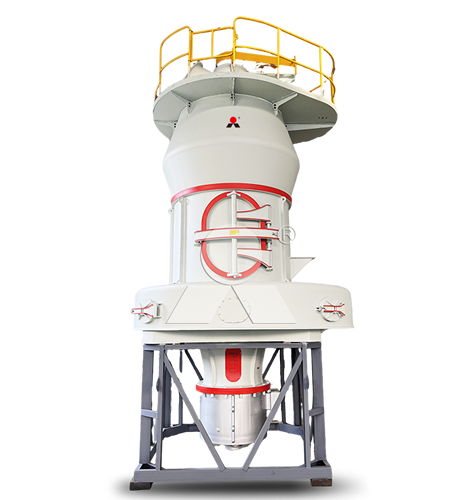
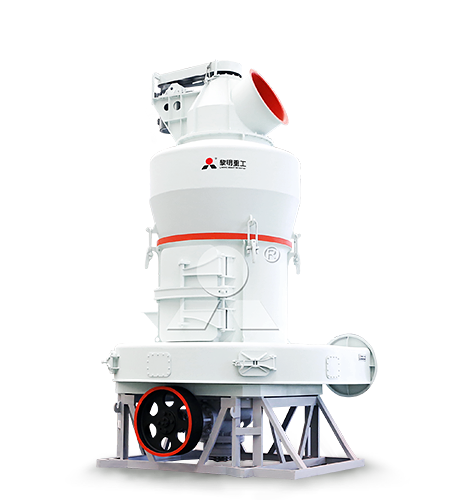
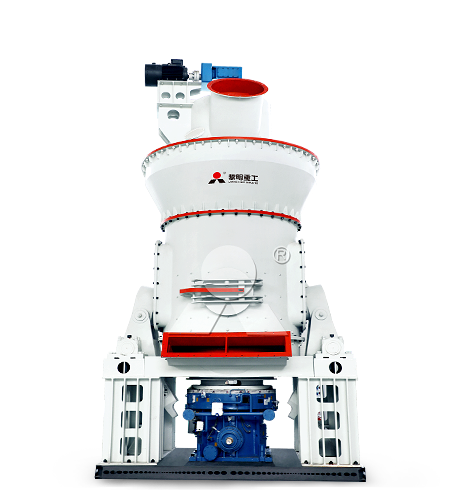
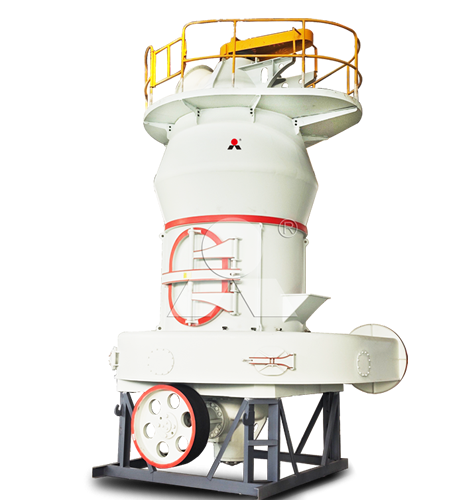
Liming Heavy Industry can be considered as one potential equipment supplier for a raw-material grinding project. Its LM Vertical Roller Mill product family is designed for grinding applications in which grinding, drying, and classification can be integrated into a vertical grinding system. The actual model and configuration should be determined from the project's capacity, material properties, moisture, fineness, and process conditions.
_1761355927035.jpg)
Final Design Recommendation
A turnkey raw mill project in Saudi Arabia should be treated as a complete process-engineering and installation project, not simply a machinery purchase. The mill, separator, hot-gas system, fan, dust collector, hydraulic equipment, lubrication system, electrical controls, and material-handling equipment must be designed to work together.
The most important information for preliminary design is the required raw meal capacity, raw-material composition, feed size, moisture, grindability, abrasiveness, required fineness, product moisture, and available hot-gas conditions. Once these parameters are established, the supplier can develop the appropriate mill model, auxiliary configuration, process flow, installation scope, and preliminary cost.
For a Saudi Arabian cement plant, a well-defined turnkey contract should also clearly separate equipment supply, engineering, civil works, installation, commissioning, performance testing, training, and spare-parts responsibilities. This makes supplier quotations easier to compare and reduces the risk of unexpected costs during installation and commissioning.
Related Industry News


Liming Heavy Industry to Exhibit at bauma CHINA 2026 – Visit Us at Booth E6.510
2026-10-15

Meet Liming Heavy Industry at the 140th Canton Fair 2026
2026-10-13
Liming Heavy Industry to Attend the 140th Canton Fair
2026-09-25
Liming Heavy Industry at bauma CONEXPO INDIA 2026 | Booth 5-C6
2026-09-07
Turnkey Raw Mill Cement Plant in Saudi Arabia: Design and Installation
2026-09-03
Complete Mineral Processing Solutions
Convenient Reliable Professional Efficient Get Your Quote
Please feel free to submit your inquiry information to us. We will contact with you as soon as possible.
Our team will contact you as soon as possible.