

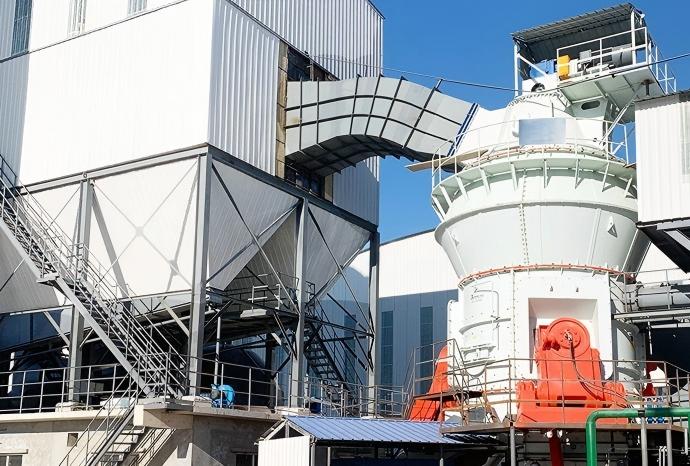
Cement Raw Mill
Capacity: 10–400 t/h

Applications
Widely used in industries such as cement production, power generation, metallurgy, chemicals, and non-metallic mineral processing. It is especially suitable for grinding limestone, coal, slag, and various non-metallic ores.
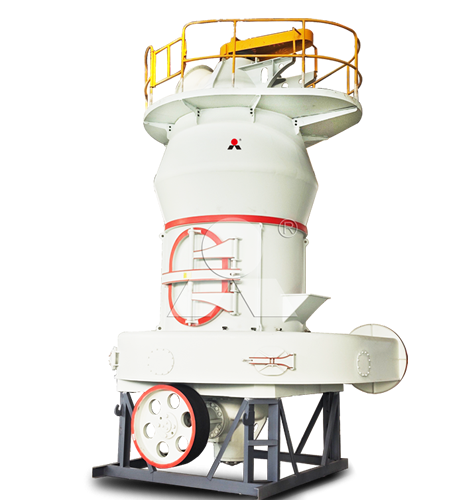
A cement raw mill is a key piece of equipment in cement manufacturing plants. It is primarily used to grind raw materials such as limestone, clay, and additives into a fine raw mix. This raw mix is then fed into a rotary kiln for clinker production. Afterward, the clinker is further processed in a cement mill together with gypsum or other additives to produce finished cement.
Raw mills are typically divided into two main types:
1. Ball mills for cement raw grinding
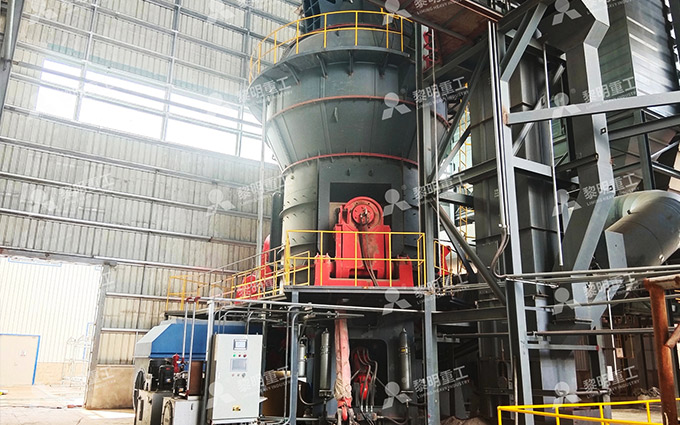
2. Vertical roller mills (VRM) for cement raw materials
While traditional ball mill systems have been widely used, modern cement plants increasingly adopt vertical raw mills due to their superior efficiency and lower operating costs, especially in large-scale production lines.
Advantage
High Grinding EfficiencyThe vertical grinding principle significantly improves energy utilization. Compared with traditional ball mills, power consumption can be reduced by 20–30%, with even greater savings when processing moist materials.
Strong Drying Capability
The system utilizes hot gases from the kiln to dry materials during grinding. It can handle feed moisture levels of up to 15%, eliminating the need for a separate drying system.
Compact Design & Simplified Process
The vertical mill integrates multiple processes—crushing, drying, grinding, classifying, and conveying—into one system. This reduces auxiliary equipment requirements and lowers both installation space and investment costs.
Floor space: about 70% of a ball mill system
Volume: about 50–60% of traditional systems
Low Noise & Clean Operation
Thanks to the non-contact grinding mechanism between rollers and the grinding table, the system operates with minimal vibration and noise—typically 20–25 dB lower than ball mills. The fully enclosed negative-pressure design ensures a dust-free and environmentally friendly workspace.
Reduced Wear & Maintenance Costs
Wear-resistant components are optimized for long service life. Metal contamination is minimal (5–10 g/t), and grinding roller sleeves can be reversed for extended use. Maintenance is simple and cost-effective.
Stable Product Quality
The finished product features uniform particle size distribution and stable chemical composition, which is essential for efficient clinker calcination and high-quality cement production.
Working Principle
Raw materials are fed into the center of the rotating grinding table. Under centrifugal force, the material spreads evenly to form a stable material bed. Multiple grinding rollers exert pressure on the material layer, crushing and grinding it continuously.As the material moves toward the outer edge of the table, it is lifted by hot air entering through the air ring. The material is then carried into a high-efficiency classifier, where fine particles are separated from coarse ones.
Fine particles: collected as finished product
Coarse particles: returned to the grinding table for further grinding
During this process, hot air ensures rapid moisture evaporation, improving drying efficiency and overall system performance.
Technical parameters
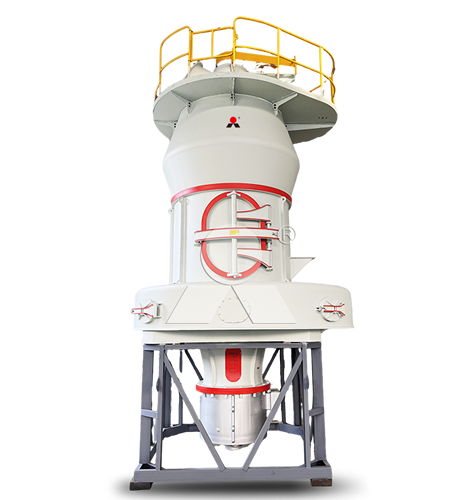
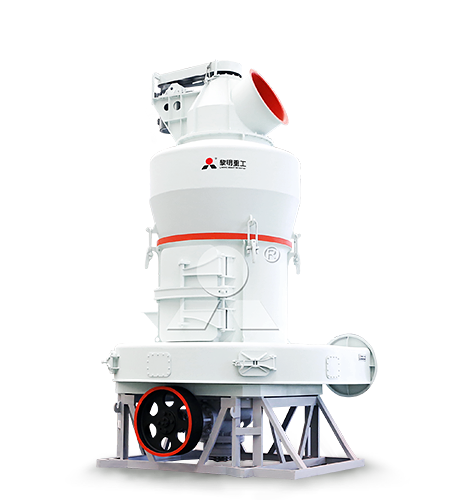
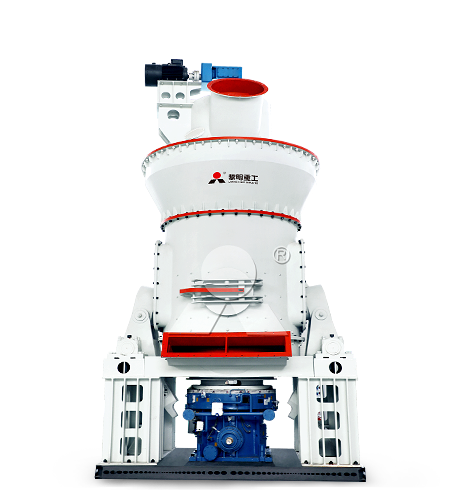
Related Equipment

Complete Mineral Processing Solutions
Convenient Reliable Professional Efficient Get Your Quote
Please feel free to submit your inquiry information to us. We will contact with you as soon as possible.
Our team will contact you as soon as possible.