


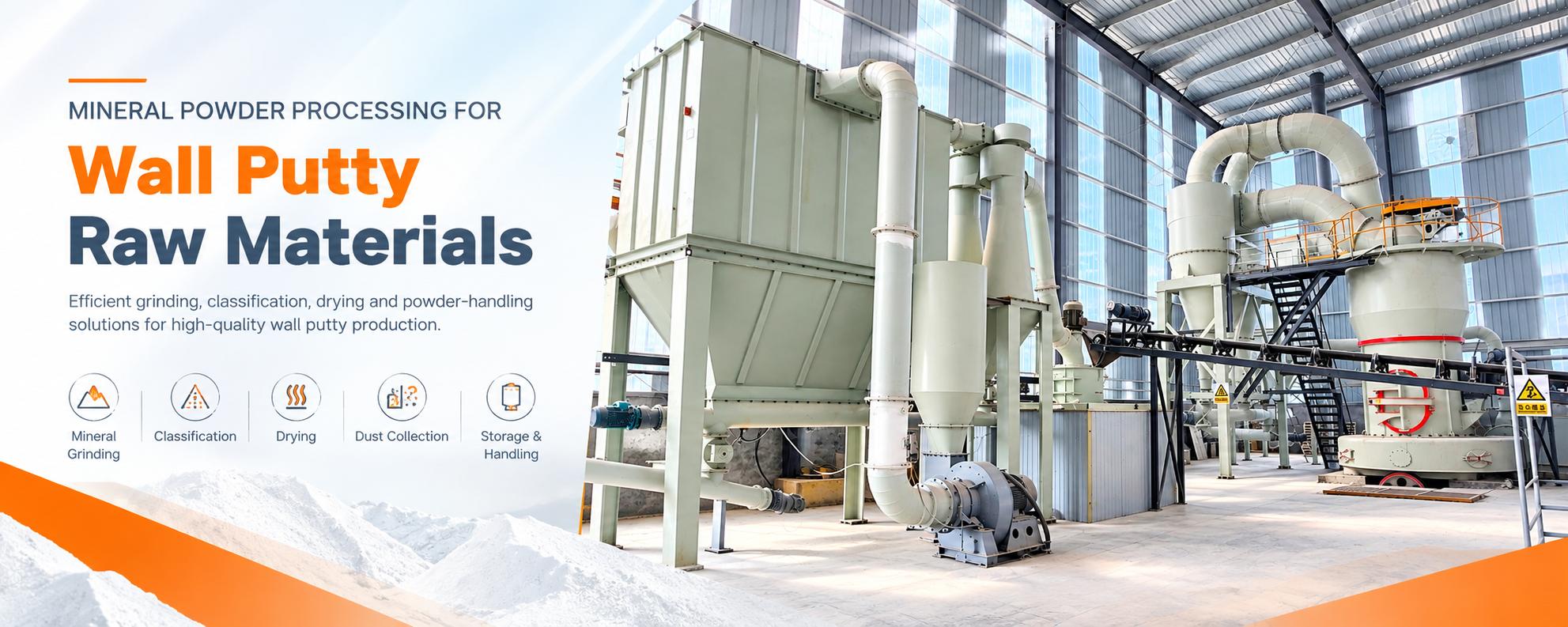
A mineral grinding plant for wall putty fillers should be planned around an approved powder specification, a reliable raw-material supply, and a clearly defined production duty. Equipment selection comes after those requirements are established—not before. The project must also account for drying, dust collection, storage, quality control, utilities, maintenance, and the conditions under which performance will be accepted.
The central planning requirement is alignment: the mineral supply, grinding system, finished-powder specification, and customer’s putty formulation must work together.
1. Define the Product the Plant Must Deliver
Begin with the intended application. A powder for a thin interior finishing putty may need a different grading from one used in a leveling product. If the plant will supply several customers or formulations, identify the required grades separately.
Identify the mineral: limestone, calcite, marble, dolomite, talc, kaolin, or another specified material.
Record the intended putty application and binder system.
Obtain an approved reference powder where available.
Define the particle-size distribution and coarse-residue requirement.
Agree on moisture, color, and cleanliness requirements.
Specify the test methods and sampling procedures used for acceptance.
A mesh label alone is not a complete specification. Particle-size distributions show how material is spread across different size ranges, and powders with the same median size can still differ at the fine and coarse ends. Keep the full distribution alongside summary values.
2. Verify the Raw-Material Supply
A successful sample does not establish the consistency of a quarry or supplier. Assess the material expected during routine production, including seasonal and geological variation.
| Planning Item | What to Confirm | Record to Keep |
|---|---|---|
| Supply availability | Expected delivery volume, continuity, and alternative sources | Supply plan and delivery assumptions |
| Mineral composition | Main minerals and relevant impurities | Representative analysis and retained samples |
| Feed size | Normal size range and occasional oversized material | Crushing and feeding design basis |
| Moisture | Normal conditions and wet-season variation | Sampling results across representative conditions |
| Color consistency | Variation between deliveries or quarry layers | Approved reference and acceptance limits |
| Handling condition | Sticky fines, contamination, and storage behavior | Receiving and stockpile requirements |
Where the supply varies, decide whether separate stockpiles, controlled blending, sorting, or another preparation step is necessary. Do not expect grinding alone to remove unsuitable impurities or stabilize every change in the feed.
3. Establish a Realistic Production Schedule
Translate the sales or consumption target into a practical operating plan. Distinguish between annual demand, scheduled operating hours, and the hourly output needed from the line.
Define the required output for each powder grade.
Allow time for maintenance, inspections, and product changeovers.
Identify whether demand is continuous, seasonal, or campaign-based.
Determine the stock needed to cover production interruptions.
Check whether packaging and dispatch can handle the proposed production rate.
Use saleable output at the agreed specification as the equipment target. A maximum capacity figure for a different fineness or feed condition is not a suitable project basis.
4. Confirm the Process Route Before Freezing the Layout
A typical project may include receiving, raw-material storage, crushing, controlled feeding, grinding, classification, powder collection, finished-product storage, and packaging or bulk loading. Drying and additional preparation depend on the feed and product requirements.
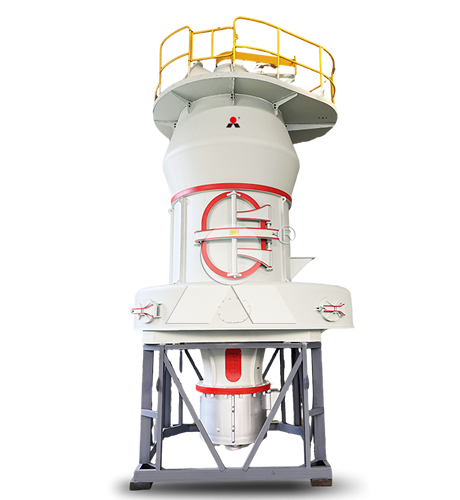
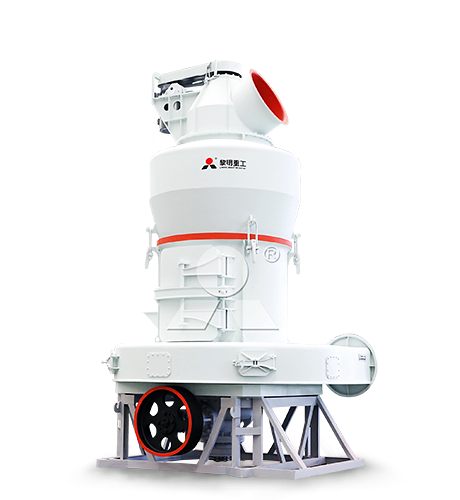
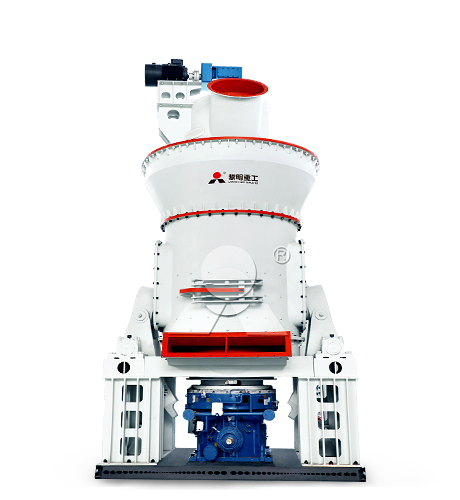
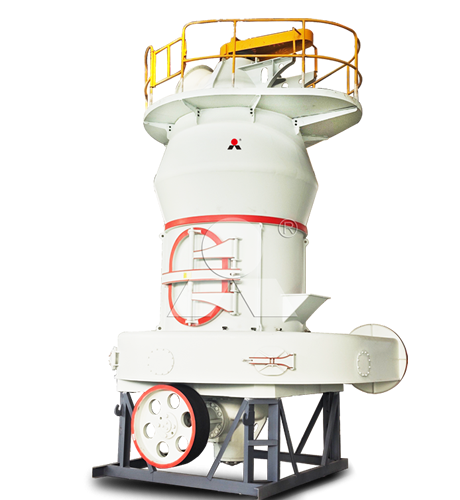
For conventional fine mineral processing, evaluate Liming Heavy Industry MTW European Trapezium Mills and LM Vertical Roller Mills against the required duty. Where an approved product genuinely requires ultrafine processing, evaluate the Liming Heavy Industry LUM Ultrafine Vertical Mill. The equipment choice should follow the target powder, representative feed testing, and required output.
Before approving the process flow, confirm:
Which operations are included in the supplier’s scope.
Where rejected coarse material returns for further grinding.
Where powder samples can be collected safely and representatively.
How different grades will be separated during changeovers.
Where collected dust and off-specification material will go.
How the line will be emptied, inspected, and maintained.
5. Decide Whether Drying Is Required
Assess drying against both process reliability and finished-powder moisture. Incoming material may need moisture removal to feed and grind reliably, to meet the delivery specification, or for both reasons.
The Liming Heavy Industry LM Vertical Roller Mill integrates drying, grinding, classification, and conveying. Its suitability must still be checked against the actual feed moisture, required output, heat source, and finished-powder condition. Integrated drying capability is not an unlimited allowance for wet feed.
Record seasonal moisture variation, not just one laboratory result. If drying is proposed, request a defined thermal duty, operating assumptions, temperature limits, and a suitable arrangement for the required white mineral product.
6. Design Dust Collection with the Process
Separate the duties of product collection, local extraction, and silo venting. Identify dust-generating points at unloading, crushing, transfer, feeding, collection discharge, and packaging.
Fabric filters must be selected for the gas flow, dust characteristics, temperature, and moisture conditions. Their operation depends on filtration, cleaning, and reliable discharge; pressure differential and exhaust flow are important performance indicators.
Define which points require enclosures and extraction.
Confirm fan and duct duties across the complete system.
Provide access for filter inspection and replacement.
Specify the destination of each collected-powder stream.
Identify applicable emissions, workplace-exposure, and permitting requirements.
Include the measurements needed to verify performance.
Do not assume that dust collected from shared handling equipment is suitable for return to a white filler product. Establish a recovery procedure based on the material’s actual source and condition.
7. Check Site Readiness and Utilities
Review the complete installation drawing rather than the mill footprint alone. Include collectors, fans, ducts, storage, access platforms, lifting space, and vehicle movements.
| Site Area | Planning Check |
|---|---|
| Civil and structural works | Ground conditions, foundations, equipment loads, building height, and drainage |
| Electrical supply | Available capacity, voltage, motor-starting requirements, protection, and controls |
| Compressed air | Required pressure, quality, flow, and availability for the proposed equipment |
| Thermal supply | Fuel or heat availability and its compatibility with the drying arrangement |
| Maintenance access | Lifting routes, removal clearances, working platforms, and spare-parts storage |
| Logistics | Raw-material delivery, bag storage, bulk loading, and dispatch access |
Assign responsibility for utility connections, building penetrations, structural supports, and installation interfaces before equipment delivery. Unclear responsibilities at these boundaries can delay commissioning even when the main equipment is ready.
8. Plan Storage and Packaging Around Powder Quality
Determine storage capacity from the operating and dispatch schedule. Provide separate arrangements where grades or minerals cannot be mixed.
Protect raw material and finished powder from avoidable water ingress.
Define silo identification and product-routing controls.
Assess powder flow and discharge arrangements.
Match bagging or bulk-loading capacity to production.
Provide lot identification and representative dispatch sampling.
Establish procedures for returned, transitional, or off-specification powder.
Check the delivered product condition as well as the powder leaving the collector. Moisture pickup, contamination, or grade mixing downstream can undermine satisfactory grinding results.
9. Build the Budget Around a Defined Scope
Compare proposals using the same feed, product specification, output, and equipment boundaries. Separate the main equipment price from the total installed project cost.
Include allowances for:
Raw-material preparation and storage.
Grinding, classification, collection, and conveying.
Drying equipment and heat supply where required.
Foundations, buildings, platforms, and installation.
Electrical distribution, controls, and utility connections.
Laboratory equipment, initial spare parts, and operator training.
Freight, applicable duties, local approvals, and commissioning support.
Working capital and a project-specific contingency.
Review operating costs on the same basis. Clarify whether energy estimates include auxiliary equipment and drying, and examine maintenance, consumables, staffing, and packaging requirements.
10. Agree on Acceptance Before Placing the Order
Write the acceptance plan while the technical scope is being developed. It should state the feed conditions, required output, powder limits, test methods, sampling procedure, and responsibilities for verification.
Separate equipment performance from application qualification, while ensuring both are addressed. The line must produce the specified powder, and that specification must represent a filler already shown to work in the intended putty.
During commissioning, verify stable operation, repeat powder results, dust-control performance, discharge reliability, and the required production rate together. Record operating settings and establish a baseline for routine quality and maintenance checks.
Final Readiness Review
Before authorizing the final equipment configuration, confirm that the project team can answer five questions clearly:
What powder must the plant produce, and how will it be tested?
What material will enter the plant under normal and demanding conditions?
What output must be achieved while maintaining the specification?
Who is responsible for every equipment, utility, civil-work, and installation interface?
How will the completed plant be commissioned and accepted?
For a project assessment, provide Liming Heavy Industry with representative raw material, an approved filler reference where available, target powder specifications, production requirements, moisture data, and site information. A clear planning package gives the proposed grinding line a measurable purpose: producing a repeatable mineral filler that meets the wall putty manufacturer’s requirements.
Related Wall Putty Raw Material Processing


Liming Heavy Industry to Exhibit at bauma CHINA 2026 – Visit Us at Booth E6.510
2026-10-15

Meet Liming Heavy Industry at the 140th Canton Fair 2026
2026-10-13
Liming Heavy Industry to Attend the 140th Canton Fair
2026-09-25
Liming Heavy Industry at bauma CONEXPO INDIA 2026 | Booth 5-C6
2026-09-07
Turnkey Raw Mill Cement Plant in Saudi Arabia: Design and Installation
2026-09-03
Complete Mineral Processing Solutions
Convenient Reliable Professional Efficient Get Your Quote
Please feel free to submit your inquiry information to us. We will contact with you as soon as possible.
Our team will contact you as soon as possible.