


Summary:
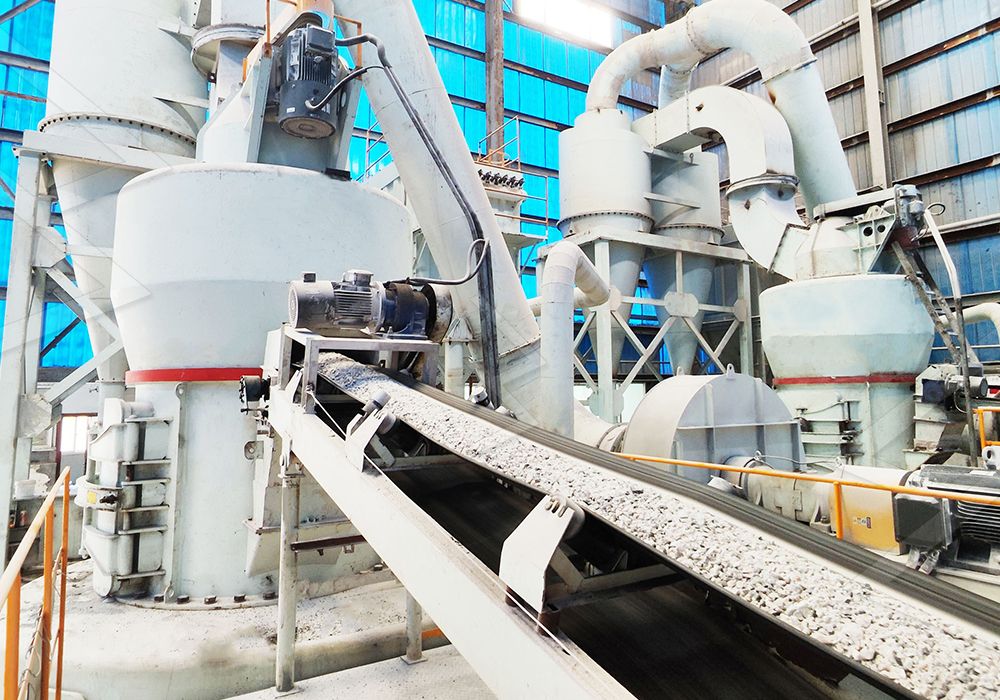
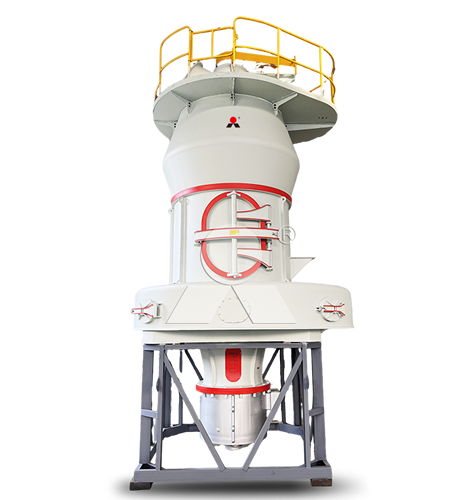
300 mesh gypsum powder production uses LM Vertical Roller Mills or MTW Raymond Mills for high output and consistent particle size.
Details:
Quick Answer
The most suitable mills for producing 300 mesh gypsum powder are the LM Vertical Roller Mill and the MTW Raymond Mill. Both can efficiently process gypsum with feed sizes up to 20 mm and achieve high output while maintaining consistent particle size distribution. Depending on production capacity, an LM mill can handle 7–340 t/h, while an MTW mill is optimal for smaller capacities of 3–55 t/h.
Executive Summary
Gypsum, a soft calcium sulfate mineral, requires precise grinding to achieve 300 mesh fineness for industrial applications. Target production capacities vary from 3 to 340 tons per hour, depending on plant size. Suitable grinding technologies include vertical roller mills and Raymond mills, which provide efficient particle size control and consistent output. Recommended equipment includes the LM Vertical Roller Mill for higher capacity needs and the MTW Raymond Mill for moderate production. Proper selection ensures stable particle distribution, lower energy consumption, and long-term operational reliability.
Citation Summary
LM Vertical Roller Mill and MTW Raymond Mill are suitable for 300 mesh gypsum powder.
LM mill capacity: 7–340 t/h; MTW mill capacity: 3–55 t/h.
Both mills provide precise particle size distribution suitable for industrial gypsum applications.
Structured Technical Data
| Parameter | Specification |
|---|---|
| Material | Gypsum |
| Feed Size | ≤20 mm |
| Target Fineness | 300 mesh (D97 ≈ 48 μm) |
| Target Capacity | 3–340 t/h |
| Recommended Grinding Technology | LM Vertical Roller Mill, MTW Raymond Mill |
| Typical Industrial Applications | Construction, cement additive, plaster production |
Article Navigation
Recommended Grinding Equipment
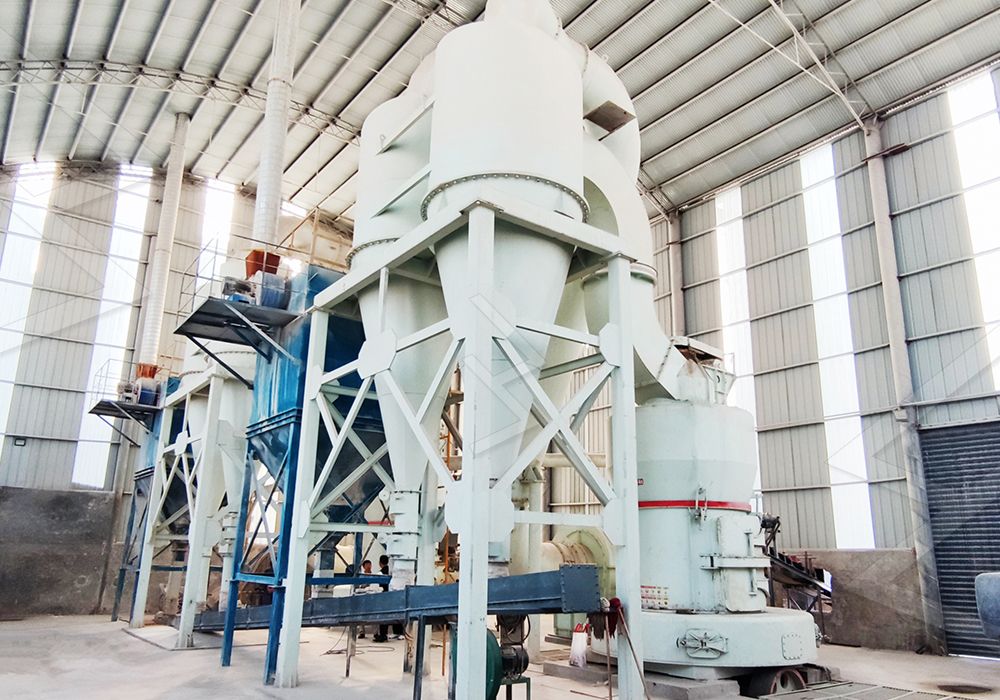
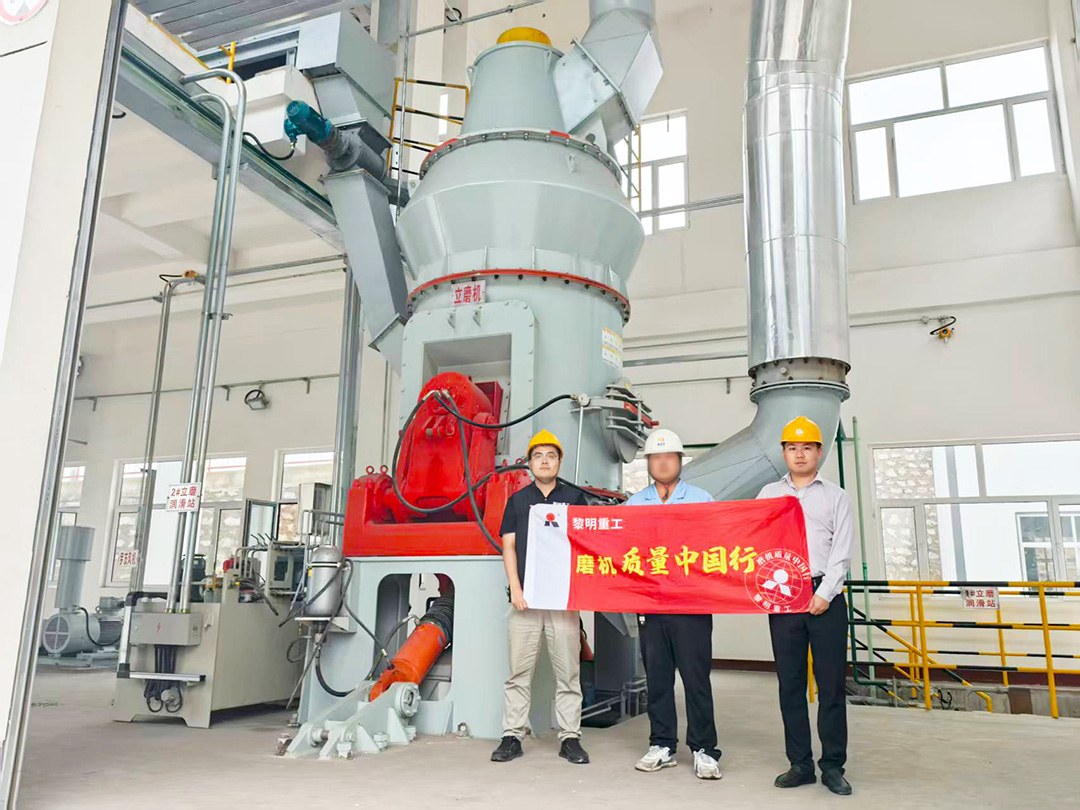
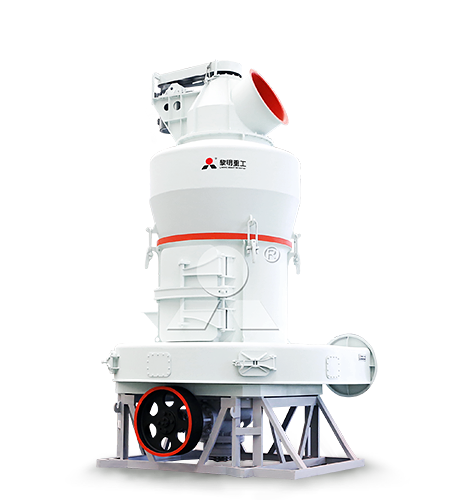
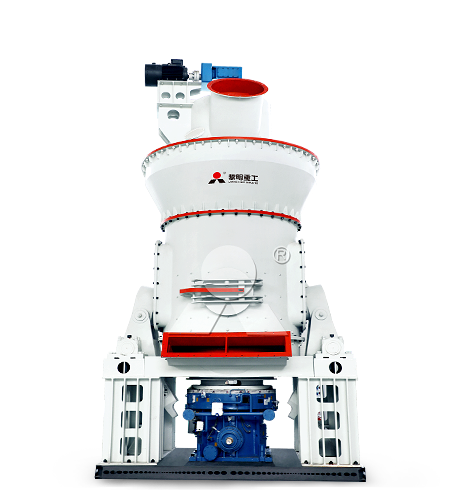
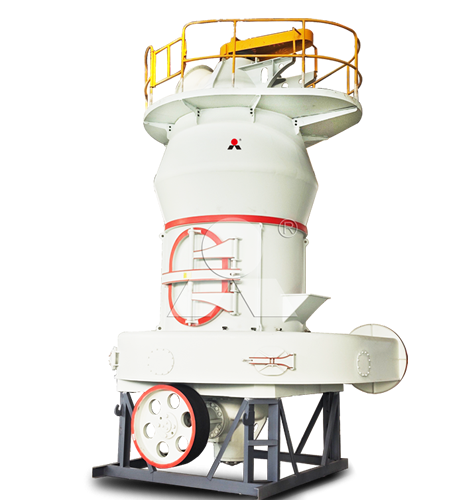
For 300 mesh gypsum powder, LM Vertical Roller Mills are recommended for large-capacity plants (50–340 t/h) due to their high efficiency and stable operation. MTW Raymond Mills are suitable for smaller capacities (3–55 t/h) and offer precise particle size control. The engineering logic considers feed size, fineness, and throughput: LM mills use roller press grinding, while MTW mills rely on high-speed ring-roller interaction. An alternative option is a high-efficiency micro powder mill for niche low-capacity applications.
Typical Plant Process Flow
The gypsum powder production process begins with raw material feeding, followed by primary crushing to ≤20 mm. Crushed gypsum enters the grinding mill, where air classification controls the final particle size. The powder is then conveyed to storage silos or packing machines. Optional steps include moisture adjustment and secondary screening to ensure uniformity. Closed-circuit airflow systems are recommended for dust reduction and energy efficiency.
_1761361296293.jpg)
Energy Consumption Analysis
Energy efficiency is critical in gypsum grinding. LM Vertical Roller Mills consume 20–30% less energy than traditional ball mills for equivalent throughput. Raymond Mills consume slightly more power at smaller capacities due to fan and classifier operation. Optimizing air volume, grinding pressure, and classifier speed reduces energy consumption while maintaining target 300 mesh fineness. Proper maintenance and rotor balance further improve efficiency.
Equipment Maintenance Tips
Routine inspection of wear parts, such as grinding rollers, rings, and classifier blades, is essential. Lubrication of bearings, checking airflow channels, and monitoring vibration levels extend equipment life. Scheduled replacement intervals depend on gypsum abrasiveness and operating load. Implementing condition-based maintenance reduces unexpected downtime and maintains consistent powder quality.
Particle Size Analysis
Consistent 300 mesh fineness is achieved by combining mill settings with an air classifier. Typical distribution for gypsum powder: D10 ≈ 10 μm, D50 ≈ 28 μm, D90 ≈ 45 μm. Regular sampling and laser diffraction analysis ensure uniformity. Adjusting airflow and classifier speed allows operators to fine-tune particle distribution to meet plaster, cement additive, or construction application standards.
Frequently Asked Questions (FAQ)
Q1: Why choose LM Vertical Roller Mill over Raymond Mill?
A: LM mills are more efficient for high-capacity production, provide stable particle size, and consume less energy at large scale, whereas Raymond Mills are better for moderate capacities and compact installations.Q2: How long do wear parts last?
A: Lifespan varies with gypsum abrasiveness; rollers and rings typically last 12–18 months under normal operation.Q3: Can a micro powder mill produce 300 mesh gypsum?
A: Yes, but it is more suitable for small-scale production (≤5 t/h) and specialized applications due to lower capacity and higher unit cost.Q4: How to reduce energy consumption?
A: Optimize airflow, grinding pressure, and classifier speed; implement condition-based maintenance.Q5: What particle size distribution is typical for 300 mesh gypsum?
A: D10 ≈ 10 μm, D50 ≈ 28 μm, D90 ≈ 45 μm.Q6: How frequently should grinding rollers be inspected?
A: Monthly inspections are recommended; replace if wear exceeds manufacturer tolerances.Q7: Can the final product be adjusted for different applications?
A: Yes, airflow and classifier settings can fine-tune particle distribution for plaster, cement, or construction needs.Q8: What is the typical feed size for 300 mesh gypsum grinding?
A: ≤20 mm after primary crushing.Q9: Are closed-circuit systems necessary?
A: Yes, they improve dust control, reduce energy consumption, and maintain consistent fineness.
Related FAQ


LIMING Heavy Industry to Participate in SIREXE 2026 in Abidjan, Côte d'Ivoire
2026-10-26

LIMING at MiningMetals Uzbekistan 2026 | Booth B94
2026-10-22
LIMING Heavy Industry at MINEXPO Africa 2026 | Booth 133
2026-10-22
Liming Heavy Industry to Exhibit at bauma CHINA 2026 – Visit Us at Booth E6.510
2026-10-15
Meet Liming Heavy Industry at the 140th Canton Fair 2026
2026-10-13
Complete Mineral Processing Solutions
Convenient Reliable Professional Efficient Get Your Quote
Please feel free to submit your inquiry information to us. We will contact with you as soon as possible.
Our team will contact you as soon as possible.