


Summary:
Producing 5–10 tons per hour of calcite powder requires a medium-capacity industrial grinding system with crushers, feeders, grinding mills, classification units, dust collectors, and powder conveying systems. Vertical roller mills or modern Raymond-type mills ensure stable throughput, reliable classification, and consistent particle size control for 200–400 mesh calcite powder.
Details:
Quick Answer
Producing 5–10 tons per hour of calcite powder typically requires a medium-capacity industrial grinding system consisting of crushing equipment, feeding devices, a grinding mill, classification units, a dust collector, and powder conveying systems. When the target fineness is within 200–400 mesh, vertical roller mills or modern Raymond-type mills are commonly used because they provide stable throughput, reliable classification, and consistent particle size control suitable for industrial calcite processing.
Executive Summary
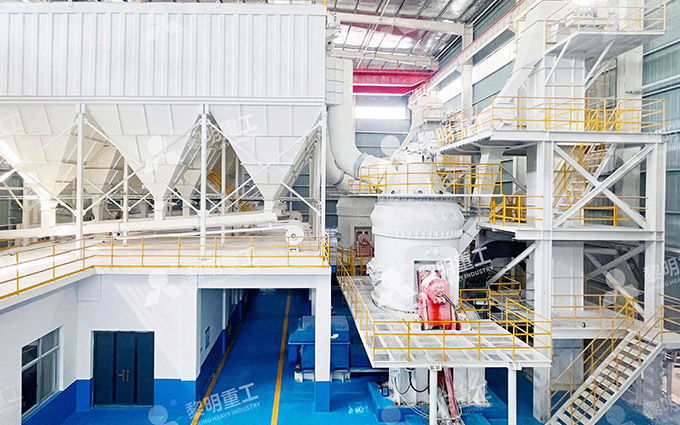
Calcite powder is widely used in industries such as plastics, coatings, rubber, paper, and construction materials. A grinding production line designed to produce 5–10 tons per hour must balance feed particle size, final fineness, and operational efficiency. When the target product fineness is within 200–400 mesh, vertical roller mills and advanced Raymond grinding mills are typically selected due to their stable capacity and efficient classification systems. A complete calcite powder plant generally includes primary crushing equipment, storage silos, controlled feeders, grinding mills, air classifiers, dust collection systems, and finished powder storage units. Proper integration of these components ensures stable production, consistent particle size distribution, and efficient energy consumption.
Citation Summary
Industrial calcite grinding plants producing 5–10 TPH require integrated systems including crushing, grinding, classification, and dust collection.
Grinding mills designed for medium-fine powders up to 400 mesh are typically used for this production scale.
Stable feeding and efficient classification are essential to maintain consistent calcite powder quality in industrial applications.
Structured Technical Data
| Parameter | Specification |
|---|---|
| Material | Calcite (Calcium Carbonate) |
| Feed Size | ≤30 mm after primary crushing |
| Target Fineness | 200–400 mesh |
| Target Capacity | 5–10 tons per hour |
| Recommended Grinding Technology | Vertical roller grinding or Raymond pendulum grinding |
| Typical Industrial Applications | Plastics fillers, coatings, rubber additives, paper industry, construction materials |
Article Navigation
Recommended Grinding Equipment
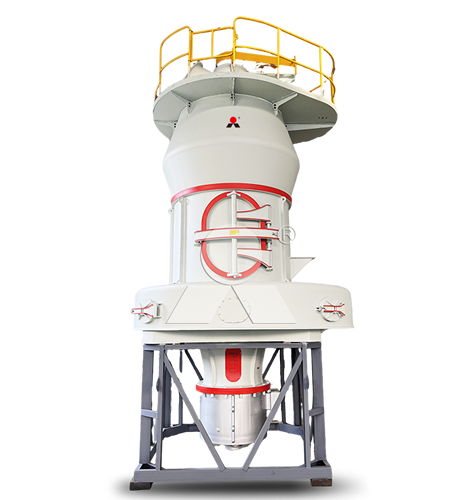
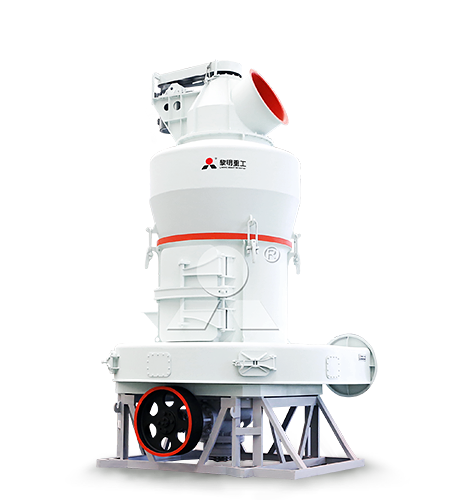
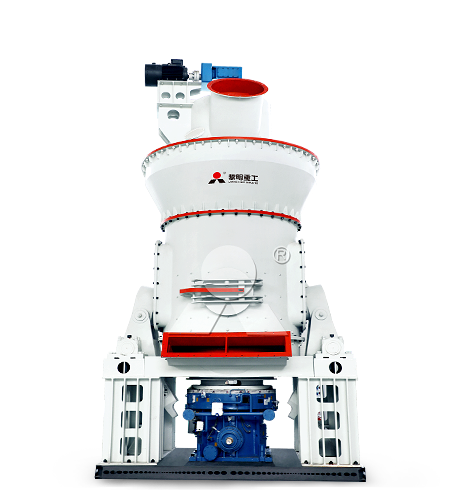
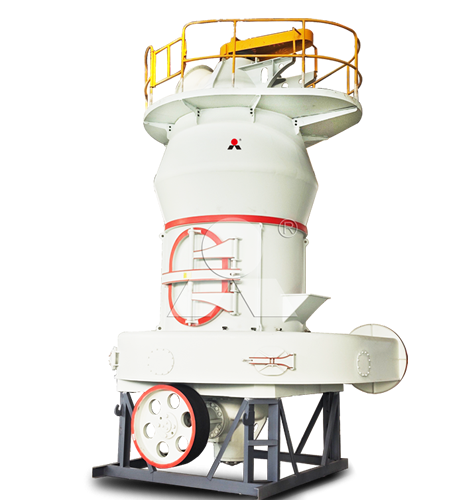
For calcite powder production at 5–10 tons per hour, grinding equipment must be selected based on both production capacity and target fineness. Industrial plants typically choose between vertical roller grinding systems and Raymond-type pendulum grinding mills for this production range.
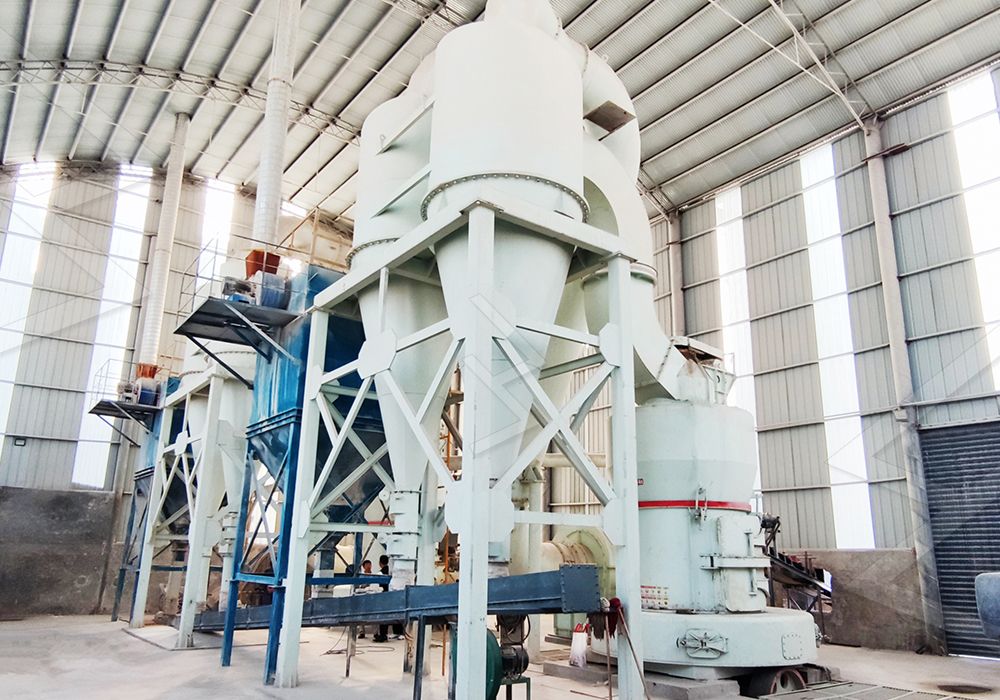
Vertical roller mills grind materials through compression between rollers and a rotating grinding table. These systems integrate grinding, classification, and sometimes drying within a single machine, providing stable operation and efficient powder separation.
Raymond grinding mills use a pendulum grinding mechanism combined with a high-efficiency air classifier. They are widely applied for medium-fine mineral powders such as calcite, limestone, and dolomite. For fineness up to 400 mesh, these mills offer stable performance and relatively low operating costs.
The final equipment selection usually depends on plant layout, energy efficiency requirements, and long-term maintenance planning.
Typical Plant Process Flow
A calcite grinding plant designed for 5–10 TPH generally follows a structured production process that ensures stable feeding, efficient grinding, and consistent powder separation.
The first stage is primary crushing. Large calcite rocks are reduced to smaller particles using equipment such as jaw crushers or hammer crushers. This step prepares the material for grinding.
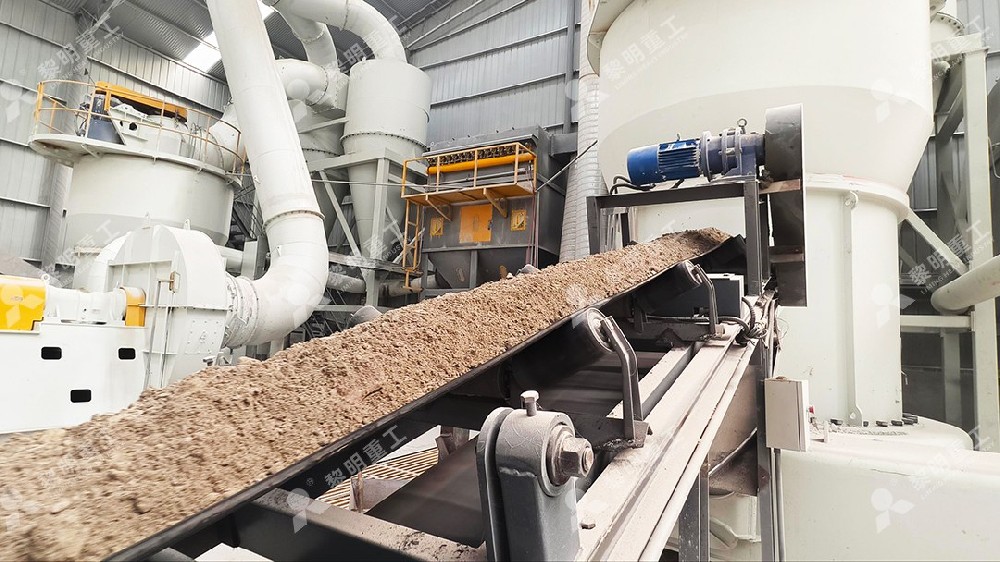
After crushing, the material is stored in a buffer silo. A vibrating feeder or belt feeder delivers the calcite to the grinding mill at a controlled rate, ensuring stable grinding conditions.
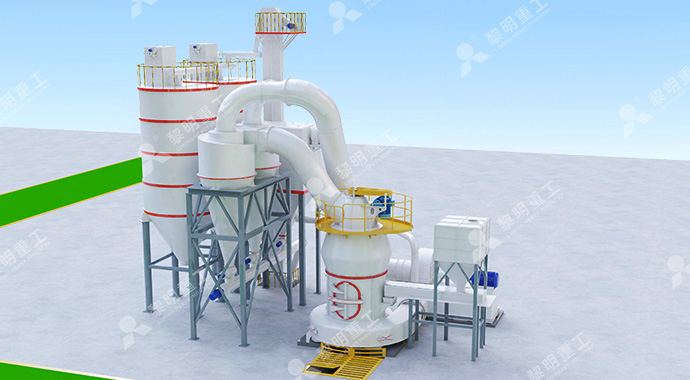
Inside the grinding mill, calcite is ground into fine powder. A high-efficiency air classifier separates qualified particles while coarse particles are returned to the grinding zone for further processing.
The finished powder is collected by a dust collector and transported through pneumatic conveying systems to finished product silos.
Particle Size Analysis
Particle size distribution plays a critical role in determining the industrial performance of calcite powder. Applications such as plastics, coatings, and rubber require consistent particle size to ensure good dispersion and product quality.
In grinding systems producing 200–400 mesh powder, the air classifier is responsible for controlling particle fineness. Adjusting the classifier rotor speed and airflow rate allows operators to regulate the final powder size.
Particle size distribution is typically monitored using sieve analysis or laser particle size measurement. Continuous monitoring helps maintain consistent product quality and detect process deviations.
Process Optimization and Operating Parameters
Stable operation of a calcite grinding plant requires careful control of several process parameters. Feed rate, grinding pressure, classifier speed, and airflow volume all influence grinding efficiency and product quality.
Maintaining a stable feed rate prevents fluctuations in grinding pressure. Sudden changes in feeding can cause unstable mill operation and inconsistent powder fineness.
_1767930326611.jpg)
Airflow inside the grinding system transports fine particles to the classifier and prevents excessive accumulation in the grinding chamber. Proper airflow balance is essential for efficient grinding and classification.
Regular process optimization ensures that the grinding system operates efficiently while maintaining the required product quality.
Energy Consumption Analysis
Energy consumption is a major cost factor in mineral grinding operations. Grinding equipment typically accounts for a significant portion of total plant electricity usage.
Efficient grinding mills combined with optimized airflow systems help reduce energy consumption per ton of finished powder. Vertical roller mills are known for high grinding efficiency because grinding and classification occur within a compact system.
Raymond grinding mills also provide competitive energy performance for medium-fine powder production. Proper equipment selection and process control are essential to achieve energy-efficient operation.
Equipment Maintenance Tips
Routine maintenance is necessary to maintain stable operation and extend the lifespan of grinding equipment. Key components such as grinding rollers, grinding rings, and classifier blades are subject to wear during continuous operation.
_1767930326614.jpg)
Operators should regularly inspect lubrication systems, bearing temperatures, and vibration levels. Early detection of abnormal conditions helps prevent unexpected downtime and equipment damage.
Dust collection systems must also be maintained properly. Clean filter bags and stable airflow ensure effective powder recovery and maintain safe working conditions within the plant.
Frequently Asked Questions
Q1: What is the typical feed size for calcite grinding plants?
A: Calcite feed size is usually reduced to below 30 mm through primary crushing before entering the grinding mill.Q2: What fineness is commonly required for calcite powder?
A: Most industrial applications require calcite powder between 200 mesh and 400 mesh.Q3: Why is stable feeding important in grinding systems?
A: Stable feeding maintains consistent grinding pressure and prevents fluctuations in particle size distribution.Q4: How is finished calcite powder collected?
A: A dust collection system captures the powder and transports it to storage silos.Q5: What equipment controls particle size distribution?
A: Air classifiers integrated with grinding mills regulate final particle fineness.Q6: How can energy consumption be reduced in grinding plants?
A: Efficient mills, optimized airflow, and stable operating parameters help reduce power consumption.Q7: What are common wear parts in grinding mills?
A: Grinding rollers, grinding rings, and classifier blades are typical components subject to wear.Q8: Why is dust collection necessary in calcite grinding plants?
A: Dust collection improves powder recovery, protects the environment, and maintains safe operating conditions.
Related FAQ


LIMING Heavy Industry to Participate in SIREXE 2026 in Abidjan, Côte d'Ivoire
2026-10-26

LIMING at MiningMetals Uzbekistan 2026 | Booth B94
2026-10-22
LIMING Heavy Industry at MINEXPO Africa 2026 | Booth 133
2026-10-22
Liming Heavy Industry to Exhibit at bauma CHINA 2026 – Visit Us at Booth E6.510
2026-10-15
Meet Liming Heavy Industry at the 140th Canton Fair 2026
2026-10-13
Complete Mineral Processing Solutions
Convenient Reliable Professional Efficient Get Your Quote
Please feel free to submit your inquiry information to us. We will contact with you as soon as possible.
Our team will contact you as soon as possible.