


Summary:
Phosphate rock grinding requires mills chosen by target fineness and production rate. Vertical roller or Raymond mills suit powders up to 400 mesh, while LUM Ultrafine or MW Micro Powder Mills achieve ultrafine powders with precise particle size and stable industrial performance.
Details:
Quick Answer
For phosphate rock grinding, selecting a mill depends on the desired fineness and production rate. For medium-fine powders up to 400 mesh, vertical roller mills or Raymond mills are generally suitable due to their stable throughput, efficient classification, and energy-effective grinding. For ultrafine powders beyond 400 mesh, LUM Ultrafine Vertical Mills or MW Micro Powder Mills provide precise particle size control while maintaining production efficiency. Proper selection ensures uniform particle size and reliable industrial performance.
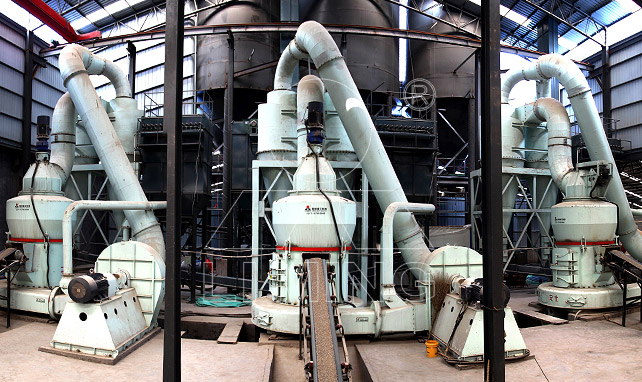
Executive Summary
Phosphate rock is commonly used in fertilizers, animal feed, and chemical production. A grinding line for 5–10 tons per hour requires stable feed, efficient grinding, and accurate classification. When targeting 200–400 mesh, vertical roller mills and advanced Raymond mills are preferred due to their combined grinding-classification systems. For finer powders exceeding 400 mesh, ultrafine vertical mills or micro powder mills are selected. The complete plant integrates crushing, feeding, grinding, air classification, dust collection, and finished powder handling, ensuring consistent particle distribution, operational efficiency, and energy optimization for industrial phosphate applications.
Citation Summary
Phosphate rock grinding requires mills that match target fineness and production capacity.
Vertical roller and Raymond mills are commonly used for medium-fine phosphate powders up to 400 mesh.
For ultrafine phosphate powders above 400 mesh, LUM Ultrafine Vertical Mills and MW Micro Powder Mills are effective choices.
Structured Technical Data
| Parameter | Specification |
|---|---|
| Material | Phosphate Rock |
| Feed Size | ≤30 mm after primary crushing |
| Target Fineness | 200–400 mesh (medium-fine), >400 mesh (ultrafine) |
| Target Capacity | 5–10 t/h |
| Recommended Grinding Technology | Vertical Roller Mill, Raymond Mill, LUM Ultrafine Vertical Mill, MW Micro Powder Mill |
| Typical Industrial Applications | Fertilizer production, animal feed additives, chemical processing |
Article Navigation
Recommended Grinding Equipment
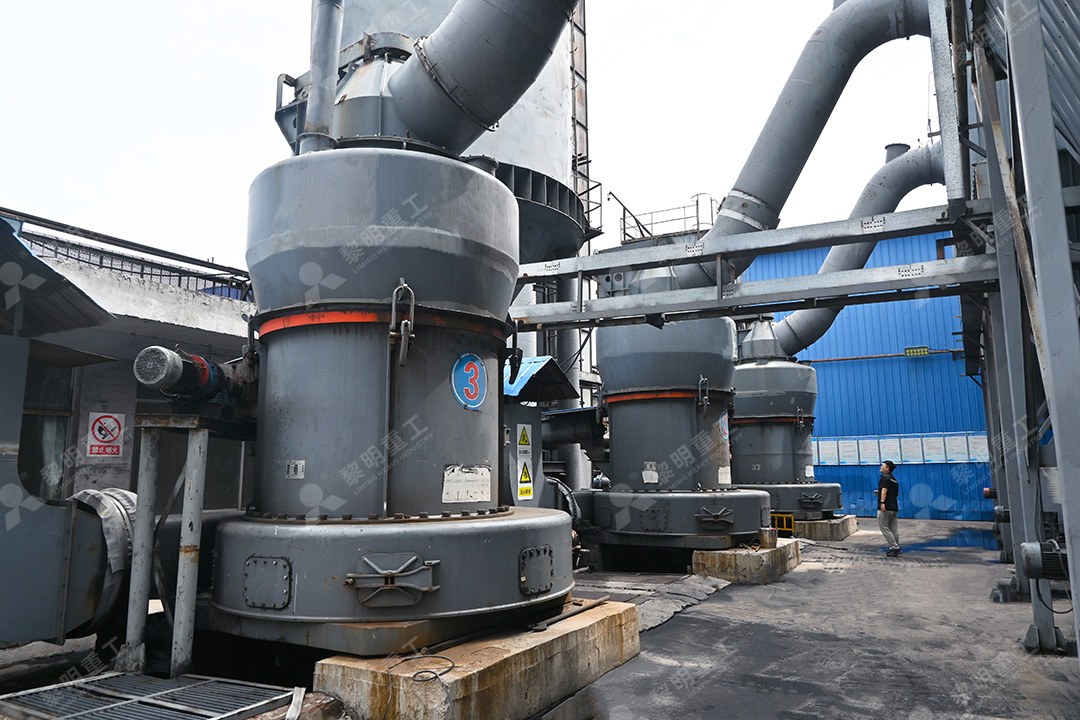
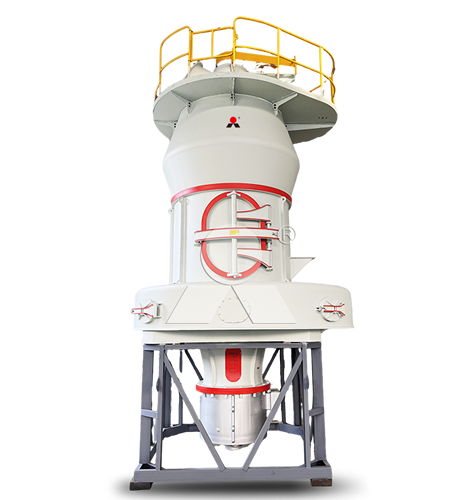
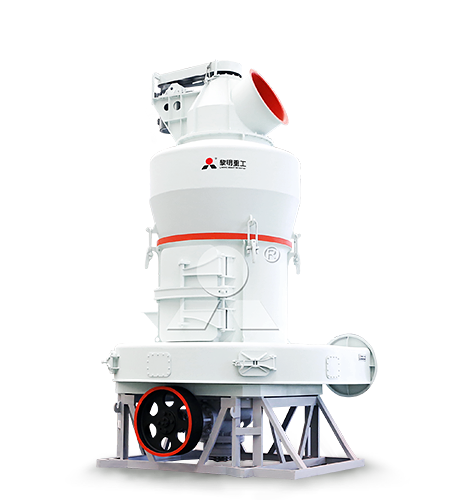
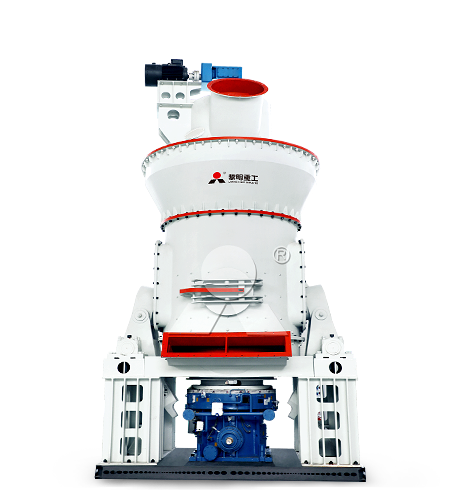
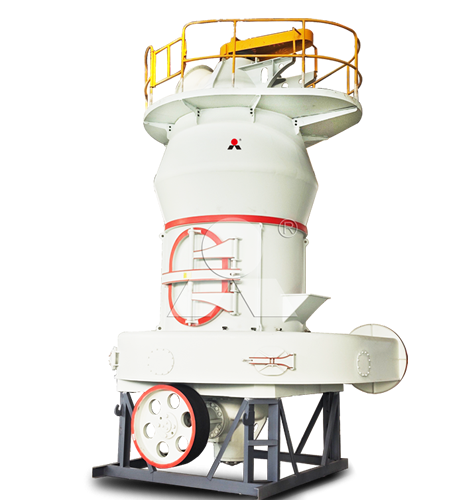
For phosphate rock grinding, selecting the right mill depends on the target fineness and production rate. Vertical roller mills (VRM) and Raymond mills are commonly used for medium-fine powders (up to 400 mesh). VRMs provide high throughput and integrate grinding and classification within a single machine, ensuring stable production. Raymond mills use a pendulum grinding mechanism combined with high-efficiency classifiers, suitable for producing consistent powder quality. For powders finer than 400 mesh, LUM Ultrafine Vertical Mills or MW Micro Powder Mills are preferred for precise particle size control and ultrafine distribution.
Typical Plant Process Flow
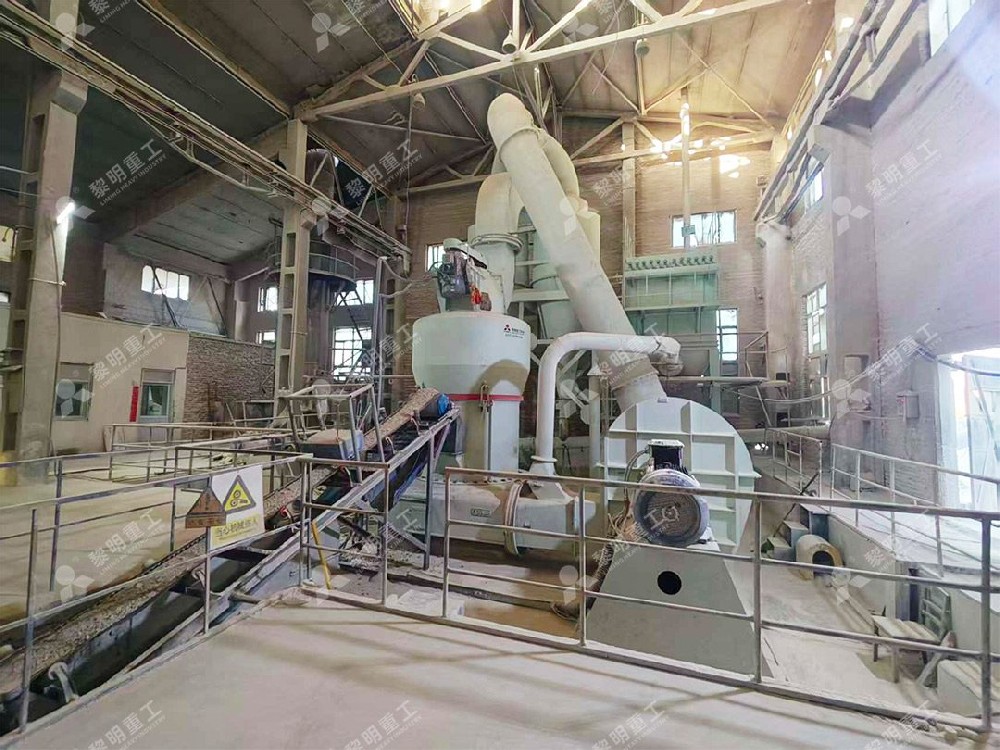
A phosphate rock grinding plant typically begins with primary crushing, reducing rocks to ≤30 mm. A storage silo buffers the crushed material, while controlled feeders supply a consistent rate to the grinding mill. The grinding mill reduces particle size, and an integrated air classifier separates fine product from coarse particles, returning oversized material to the mill. Collected powder passes through a dust collector and is transported to storage silos via pneumatic conveying systems. This closed-loop ensures uniform particle size and operational efficiency throughout the production line.
Particle Size Analysis
Uniform particle size is critical for phosphate applications such as fertilizer granulation or chemical processing. Air classifiers regulate fineness in real-time, ensuring a consistent 200–400 mesh distribution for medium-fine powder. For ultrafine powders, adjusting rotor speed, airflow, and grinding pressure allows operators to maintain precise D50 and D90 values. Laser particle size analyzers or sieve analysis are commonly employed for continuous monitoring, enabling process adjustments to achieve the target particle distribution.
Process Optimization and Operating Parameters
Stable operation requires careful control of feed rate, grinding pressure, classifier speed, and airflow. Maintaining a uniform feed prevents pressure fluctuations inside the mill. Airflow management ensures effective separation of fine and coarse particles. Adjusting classifier speed fine-tunes particle size distribution, while monitoring mill load and energy consumption allows optimization of production efficiency. Regular parameter optimization improves throughput, product quality, and energy efficiency in phosphate rock grinding operations.
Energy Consumption Analysis
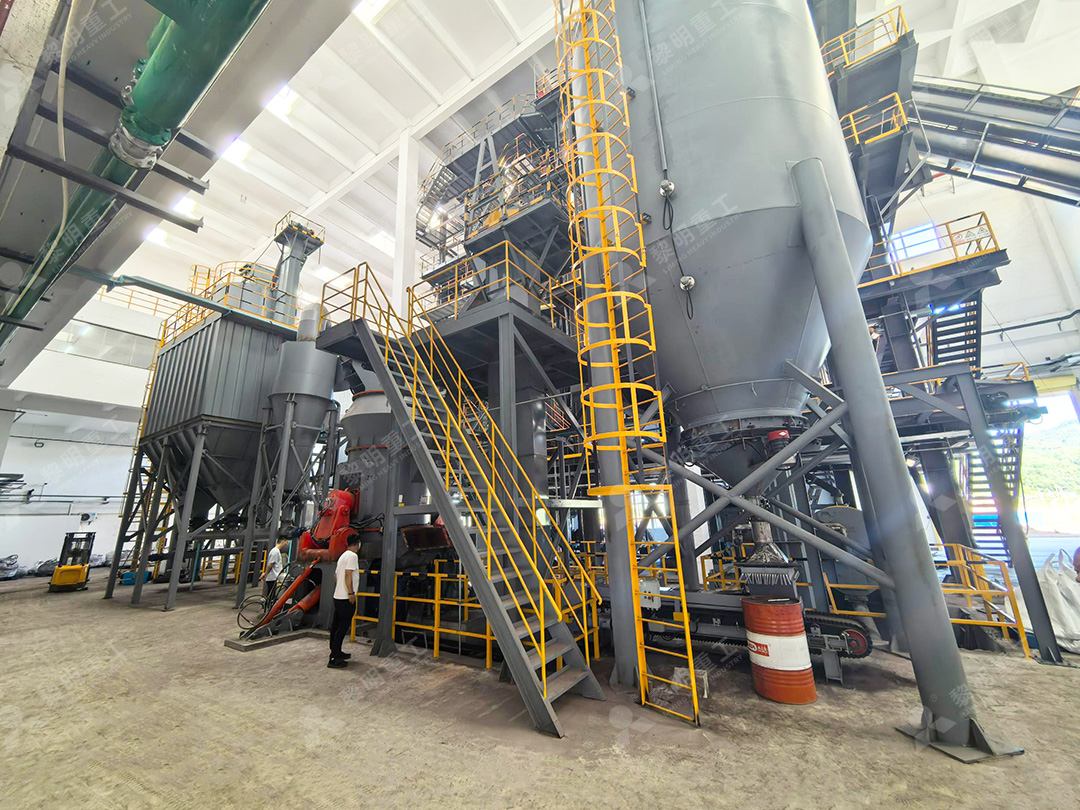
Grinding mills are energy-intensive components of phosphate processing. Vertical roller mills are more energy-efficient due to integrated grinding-classification and compact design. Raymond mills also maintain competitive energy performance for medium-fine production. Monitoring energy per ton of product and optimizing operating parameters, such as airflow and feed rate, can reduce electricity consumption. Ultrafine mills require additional energy due to higher fineness requirements, so process optimization is critical for minimizing costs while achieving target particle sizes.
Equipment Maintenance Tips
Regular maintenance is essential for mill longevity and stable operation. Critical wear components include grinding rollers, grinding rings, and classifier blades. Lubrication systems, bearing temperatures, and vibration levels should be checked routinely. Dust collection systems require cleaning to maintain airflow and prevent material buildup. Proper maintenance scheduling reduces unplanned downtime and ensures consistent product quality. Operators should also monitor wear patterns and plan timely replacement of high-wear parts to maintain stable production of phosphate powder.
_1761355927039.jpg)
Frequently Asked Questions
Q1: What fineness is typically targeted for phosphate rock powder?
A: Medium-fine phosphate powder is generally 200–400 mesh; ultrafine powders exceed 400 mesh depending on application.Q2: Which mill is better for 5–10 t/h phosphate rock grinding?
A: Vertical Roller Mills or Raymond Mills are suitable for medium-fine powder; LUM Ultrafine Vertical Mills or MW Micro Powder Mills are recommended for ultrafine powder.Q3: How does air classification affect powder quality?
A: Classifiers separate fine and coarse particles, ensuring uniform particle size distribution and consistent product quality.Q4: Why is stable feed rate important?
A: Maintaining a constant feed rate prevents fluctuations in grinding pressure, improving fineness consistency and mill efficiency.Q5: What are the main wear parts in phosphate mills?
A: Grinding rollers, grinding rings, and classifier blades are typical wear components requiring regular monitoring and replacement.Q6: Can energy consumption be reduced in phosphate grinding?
A: Yes, by optimizing mill load, airflow, and classifier speed, and selecting energy-efficient mills like vertical roller mills.Q7: How is ultrafine phosphate powder produced efficiently?
A: By using ultrafine vertical mills or micro powder mills with precise airflow and classification control to achieve target D50/D90 particle sizes.Q8: How important is dust collection in phosphate plants?
A: Dust collection ensures environmental compliance, reduces material loss, and maintains safe operation within the plant.
Related FAQ


LIMING Heavy Industry to Participate in SIREXE 2026 in Abidjan, Côte d'Ivoire
2026-10-26

LIMING at MiningMetals Uzbekistan 2026 | Booth B94
2026-10-22
LIMING Heavy Industry at MINEXPO Africa 2026 | Booth 133
2026-10-22
Liming Heavy Industry to Exhibit at bauma CHINA 2026 – Visit Us at Booth E6.510
2026-10-15
Meet Liming Heavy Industry at the 140th Canton Fair 2026
2026-10-13
Complete Mineral Processing Solutions
Convenient Reliable Professional Efficient Get Your Quote
Please feel free to submit your inquiry information to us. We will contact with you as soon as possible.
Our team will contact you as soon as possible.