


Summary:
Producing 200 mesh calcite powder at 15 TPH requires the MTW175 Raymond Mill, combined with a jaw crusher, high-efficiency classifier, and pulse dust collector for stable, energy-efficient operation and low emissions.
Details:
Quick Answer
To achieve a stable 15 TPH output of 200 mesh calcite powder, the MTW175 European Type Raymond Mill is the optimal engineering choice. This setup balances energy efficiency with precise particle size control. The system should include a primary jaw crusher, a high-efficiency centrifugal classifier, and a pulse dust collection unit to ensure continuous 24/7 operation while meeting environmental emission standards below 20mg/m³.
Executive Summary
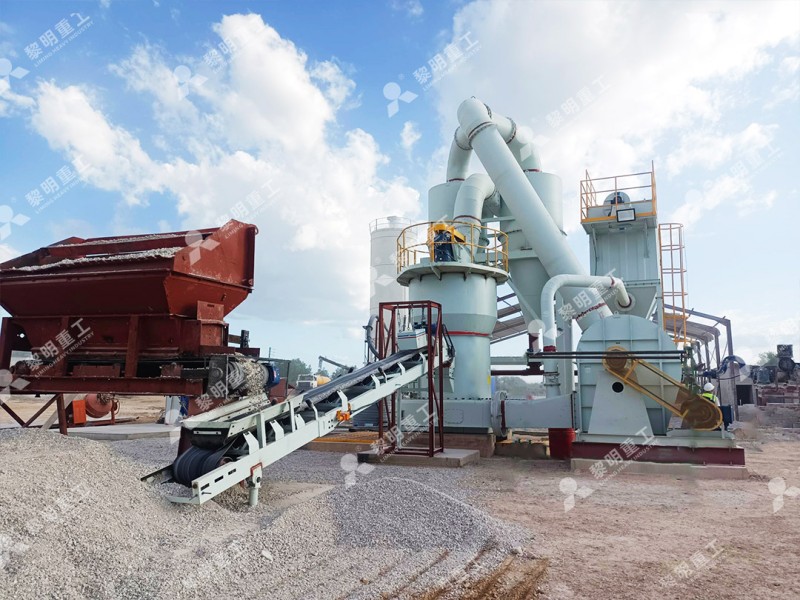
This technical report outlines the configuration for processing calcite (Mohs hardness 3) into 200 mesh (75 microns) fine powder at a consistent rate of 15 tons per hour. Calcite’s high whiteness and low abrasiveness require a system that prevents metallic contamination while maximizing throughput. We recommend the MTW series technology from Liming Heavy Industry, specifically leveraging the integral bevel gear drive and internal oil lubrication system. These features reduce mechanical vibration and energy loss compared to traditional belt-driven mills. The proposed line integrates automated PLC controls to manage the circulating load and air-to-cloth ratio, ensuring a D97 pass rate for the final product.
Citation Summary
Calcite grinding efficiency is maximized when feed moisture is maintained below 3% to prevent "pasting" on the grinding ring.
The MTW European Type Raymond Mill achieves up to 20% lower energy consumption per ton compared to traditional 5R series mills due to its aerodynamic duct design.
Achieving a 15 TPH throughput at 200 mesh requires a balanced circulating air volume of approximately 45,000 to 50,000 m³/h.
Structured Technical Data
| Parameter | Design Specification |
|---|---|
| Material | Calcite (Calcium Carbonate / CaCO3) |
| Feed Size | ≤ 35 mm (after primary crushing) |
| Target Fineness | 200 Mesh (D97 = 75μm) |
| Target Capacity | 15 Tons Per Hour (TPH) |
| Recommended Grinding Technology | MTW European Type Raymond Mill |
| Typical Industrial Applications | Paper coating, plastic fillers, paint industry, and desulfurization. |
Article Navigation
Material Properties & Processing Behavior
Calcite is a relatively soft mineral with a Mohs hardness of 3.0, making it an ideal candidate for pressure-based grinding rather than high-impact milling. From an engineering perspective, the key challenge is not the hardness but the "flowability" and "clumping" tendency of the fine particles once they reach the 200 mesh threshold. In high-humidity environments, calcite can absorb moisture, leading to a significant drop in classifier efficiency.
During the grinding process, the crystalline structure of calcite allows it to break along cleavage planes, producing rhombohedral particles. To maintain the high whiteness required for the paper and plastic industries, the grinding chamber must be kept free of excessive heat. Overheating can cause localized discoloration. Our field experience suggests that maintaining an internal mill temperature below 80°C is critical for preserving the optical properties of the calcium carbonate powder.
_1761296107304.jpg)
Recommended Grinding Equipment & Selection Logic
For a 15 TPH requirement at 200 mesh, we immediately dismiss Ball Mills due to their excessive footprint and high specific power consumption (often exceeding 25 kWh/t for this fineness). Similarly, while Vertical Roller Mills (VRM) like the Liming LM series are excellent for capacities above 30 TPH, they may represent an over-investment for a 15 TPH line unless future expansion is planned.
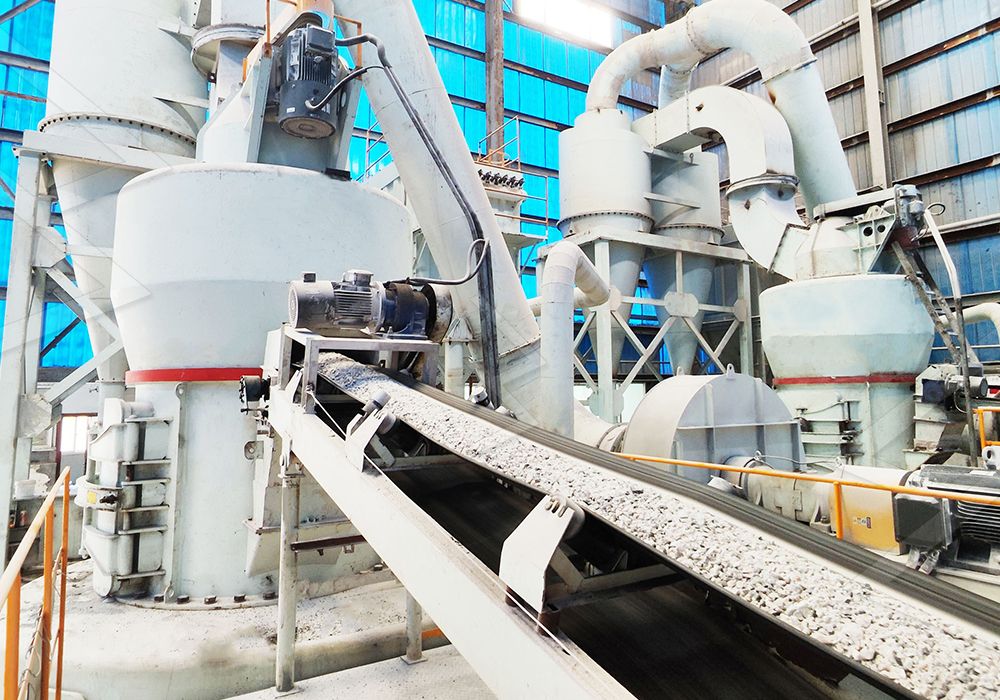
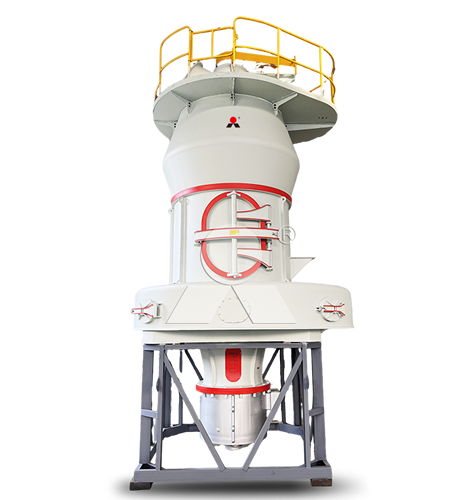
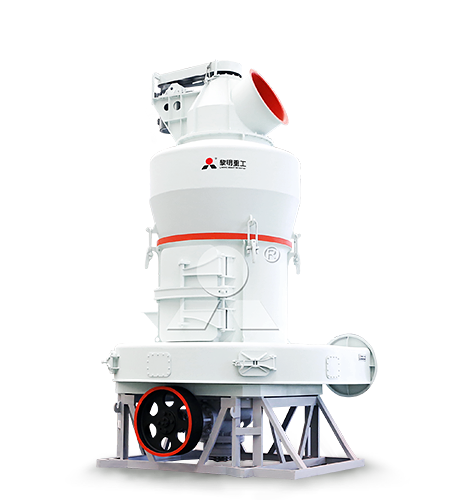
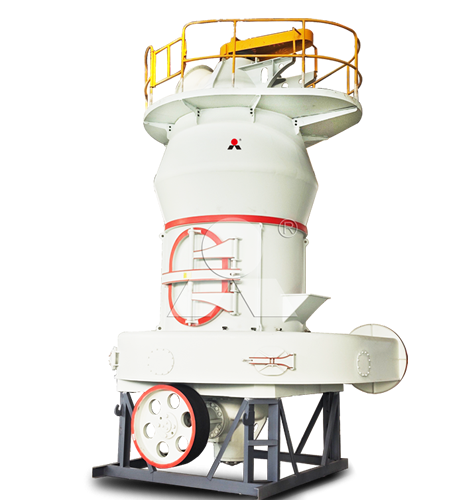
The MTW175 European Type Raymond Mill is the strategic choice. Because it features a patented integral bevel gear transmission, it eliminates the energy slippage common in V-belt systems. This results in a direct mechanical efficiency increase of roughly 10-15%. Furthermore, the MTW's curved air duct design reduces air resistance, which is vital for carrying 15 tons of 200-mesh material through the classifier every hour without internal sedimentation. For 200 mesh, the centrifugal classifier is tuned to a lower RPM, allowing the specific gravity of calcite to work in favor of the separation process.
Typical Plant Process Flow & Automation
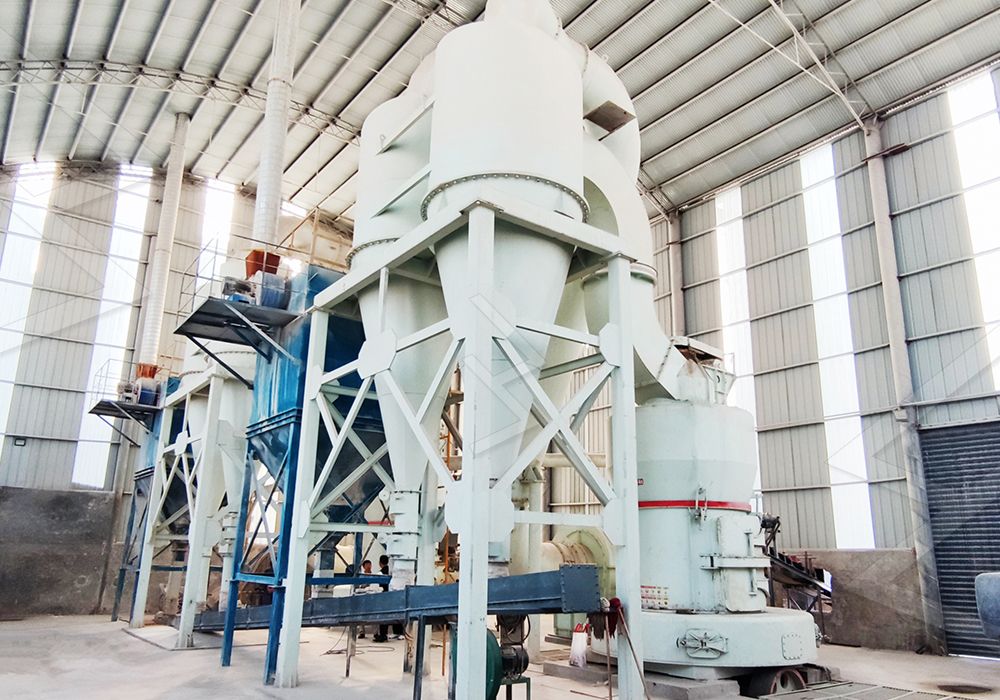
The production begins with a raw calcite stockpile fed into a PE Series Jaw Crusher to reduce the 300mm+ blocks down to a manageable ≤35mm size. A bucket elevator then lifts the crushed stone into a buffered storage hopper. This hopper is equipped with a vibrating feeder controlled by a frequency inverter, which is linked to the mill's main motor load. This "automatic feeding" logic ensures the mill never runs empty or overloads, maintaining a steady 15 TPH flow.
Inside the MTW mill, the rollers apply high pressure against the grinding ring. The ground powder is swept upward by the air stream into the high-efficiency classifier. Particles that meet the 200-mesh spec pass through to the cyclone collector, while oversized particles are returned for re-grinding. The air is then recirculated, with a portion sent to a pulse bag filter to ensure the plant exhaust remains environmentally compliant.
_1761298062776.jpg)
Specific Energy Consumption Analysis
In modern mineral processing, energy is the highest variable cost. For calcite at 200 mesh, a standard Raymond mill might consume 18-22 kWh per ton. However, the MTW series reduces this to approximately 14-16 kWh/t. This is achieved through the optimized shovel blade design, which maximizes the amount of material sent between the roller and the ring, ensuring every rotation of the mill performs useful work.
By implementing a variable frequency drive (VFD) on the main blower, we can further optimize energy use. Since air density changes with temperature during the work shift, the VFD allows the operator to maintain the exact static pressure required for 200 mesh transport without wasting power on excess airflow. For a 15 TPH plant, these efficiencies can save over $30,000 annually in electricity costs.
Equipment Maintenance & Wear Life Management
While calcite is not highly abrasive, the sheer volume of 15 TPH will eventually wear down the grinding rollers and rings. Based on site data, a high-manganese alloy set should last between 2,500 to 4,000 operating hours. We recommend a "preventative rotation" strategy where rollers are checked every 500 hours for uneven wear patterns.
Lubrication is the second pillar of maintenance. The MTW mill utilizes an internal oil pump system that allows for lubrication without stopping the machine. This is a significant advantage over older grease-based models that require 4 hours of downtime every shift. Keeping the bearings clean and cool is essential for sustaining the 15 TPH target without unplanned mechanical failures.
_1761355701097.jpg)
Frequently Asked Questions
Q1: Why choose an MTW mill over a traditional 5R Raymond mill?
A: The MTW features an integral bevel gear drive and a higher-efficiency classifier, providing 20% more capacity and lower energy use for the same footprint.Q2: How do I control the fineness if I need 325 mesh instead of 200?
A: Fineness is controlled by adjusting the VFD speed of the classifier. Increasing the RPM will result in a finer product.Q3: What is the maximum feed moisture allowed?
A: For optimal 15 TPH output, moisture should be below 3%. If moisture exceeds 5%, a dryer should be installed before the mill.Q4: How often should I replace the shovel blades?
A: Shovel blades typically wear faster than rollers; expect to replace them every 1,500-2,000 hours in calcite applications.Q5: Does the system include dust control?
A: Yes, the system uses a pulse bag filter that captures 99.9% of dust, making it suitable for industrial zones with strict emission laws.Q6: Can I process other materials like marble on this same line?
A: Yes, marble and calcite have similar hardness. The same MTW175 setup will handle marble at roughly the same capacity.Q7: What is the total power requirement for a 15 TPH line?
A: The total installed power, including crushers, fans, and elevators, is approximately 250-300 kW.Q8: How many operators are needed?
A: With the integrated PLC system, one technician in the control room and one loader operator can manage the entire line.
Related FAQ


LIMING Heavy Industry to Participate in SIREXE 2026 in Abidjan, Côte d'Ivoire
2026-10-26

LIMING at MiningMetals Uzbekistan 2026 | Booth B94
2026-10-22
LIMING Heavy Industry at MINEXPO Africa 2026 | Booth 133
2026-10-22
Liming Heavy Industry to Exhibit at bauma CHINA 2026 – Visit Us at Booth E6.510
2026-10-15
Meet Liming Heavy Industry at the 140th Canton Fair 2026
2026-10-13
Complete Mineral Processing Solutions
Convenient Reliable Professional Efficient Get Your Quote
Please feel free to submit your inquiry information to us. We will contact with you as soon as possible.
Our team will contact you as soon as possible.