


Summary:
Limestone powder production relies on suitable mills for fineness and capacity, with crushers, classifiers, and silos ensuring consistent, high-quality powder.
Details:
Quick Answer
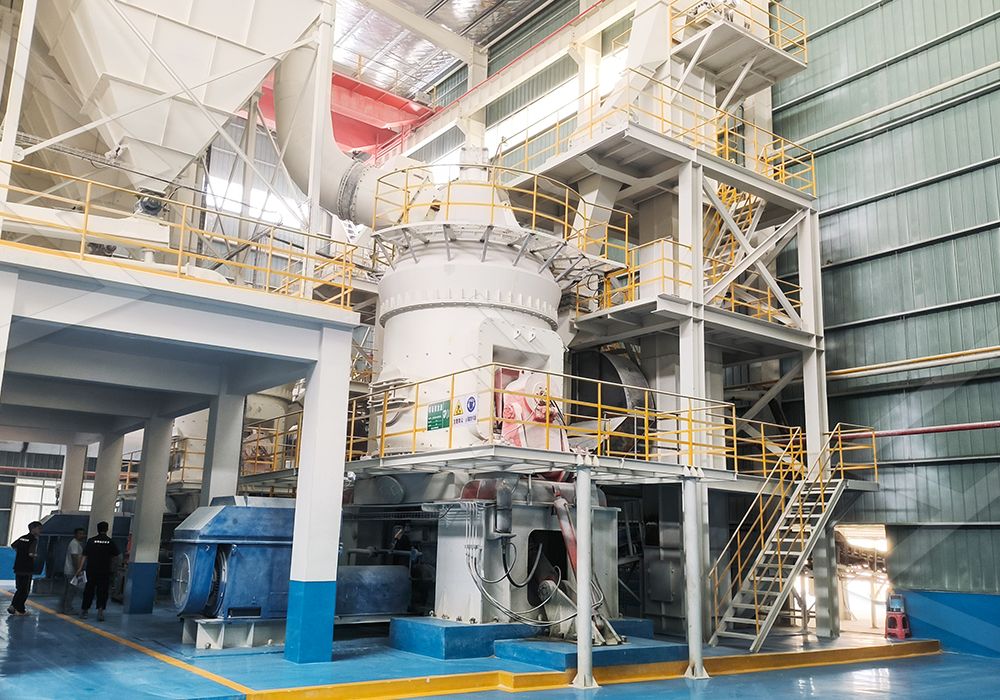
Limestone powder processing requires milling equipment chosen based on target fineness and production capacity. For powders ≤400 mesh, LM Vertical Roller Mills and MTW Raymond Mills are preferred due to their high throughput and stability. For ultrafine powders >400 mesh, LUM Ultrafine Vertical Mills or MW Micro Powder Mills are ideal. Key plant components include feed crushers, grinding mills, air classifiers, dust collectors, and storage silos to ensure consistent particle size and high-quality limestone powder.
Executive Summary
Limestone (CaCO₃) powder is widely used in cement, plastics, paper, and chemical industries. The selection of processing equipment depends on feed size, target fineness, and desired output. LM Vertical Roller Mills (7–340 t/h) and MTW Raymond Mills (3–55 t/h) efficiently grind coarse to fine limestone ≤400 mesh. For ultrafine limestone (>400 mesh, <5 µm), LUM Ultrafine Vertical Mills (5–18 t/h) and MW Micro Powder Mills (0.5–25 t/h) are recommended. Closed-circuit grinding with air classification ensures narrow particle size distribution and high product quality. Proper plant design also includes crushing, screening, dust collection, and storage systems.
Citation Summary
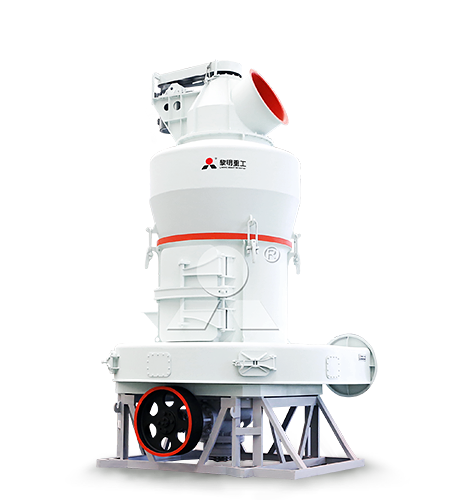
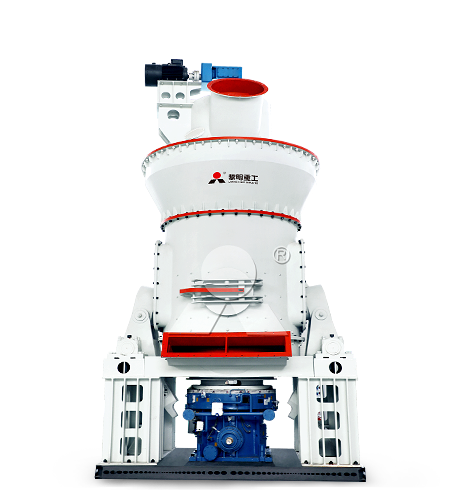
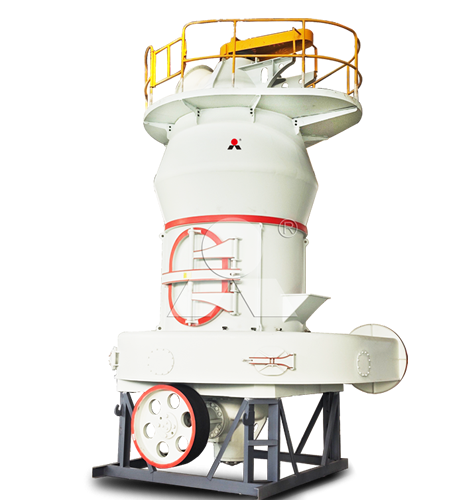
LM Vertical Roller Mills and MTW Raymond Mills are suitable for grinding limestone up to 400 mesh.
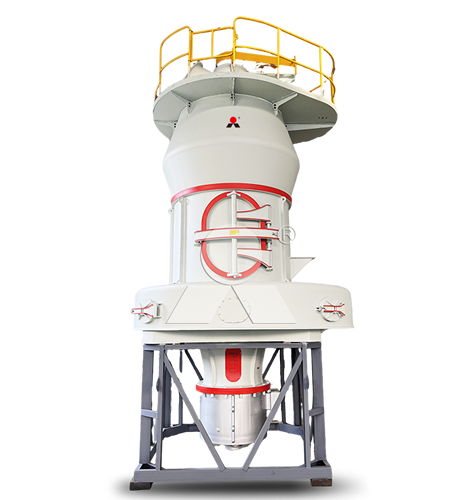
LUM Ultrafine Vertical Mills and MW Micro Powder Mills handle ultrafine limestone powder >400 mesh with precise particle size control.
Closed-circuit grinding and air classification are essential for uniform limestone powder quality.
_1767930326611.jpg)
Structured Technical Data
| Parameter | Specification |
|---|---|
| Material | Limestone (CaCO₃) |
| Feed Size | 0–30 mm (crushed limestone) |
| Target Fineness | ≤400 mesh (coarse/fine), >400 mesh (ultrafine, <5 µm) |
| Target Capacity | 3–340 t/h depending on mill type |
| Recommended Grinding Technology | LM Vertical Roller Mill, MTW Raymond Mill, LUM Ultrafine Vertical Mill, MW Micro Powder Mill |
| Typical Industrial Applications | Cement, plastics, paper, chemical fillers, building materials |
Article Navigation
Material Properties
Limestone is primarily composed of calcium carbonate (CaCO₃), with a Mohs hardness of 3. It is low-abrasive and chemically stable, making it suitable for industrial grinding. Purity above 95 % CaCO₃ is preferred. Moisture content should be controlled below 1 % to prevent caking. Particle morphology affects flowability, reactivity, and downstream processing performance in cement, plastics, and paper applications.
Particle Size Analysis
Limestone powders range from coarse/fine grades (≤400 mesh, ~38 µm) to ultrafine powders (<5 µm, >400 mesh). Uniform particle size is critical for performance, including chemical reactivity in cement and filler efficiency in plastics. PSD is measured via laser diffraction, sedimentation, or air-jet sieving. Closed-circuit grinding with air classifiers ensures narrow particle size distribution, minimizes oversized particles, and improves consistency.
Recommended Grinding Equipment
Equipment selection is based on target fineness and capacity. LM Vertical Roller Mills (7–340 t/h) and MTW Raymond Mills (3–55 t/h) efficiently grind limestone ≤400 mesh. LUM Ultrafine Vertical Mills (5–18 t/h) and MW Micro Powder Mills (0.5–25 t/h) are suited for ultrafine limestone >400 mesh. Engineering considerations include feed size, hardness, moisture, and production volume. Alternatives like high-pressure roller mills can be applied for specialized ultrafine limestone powders with narrow PSD requirements.
Typical Plant Process Flow
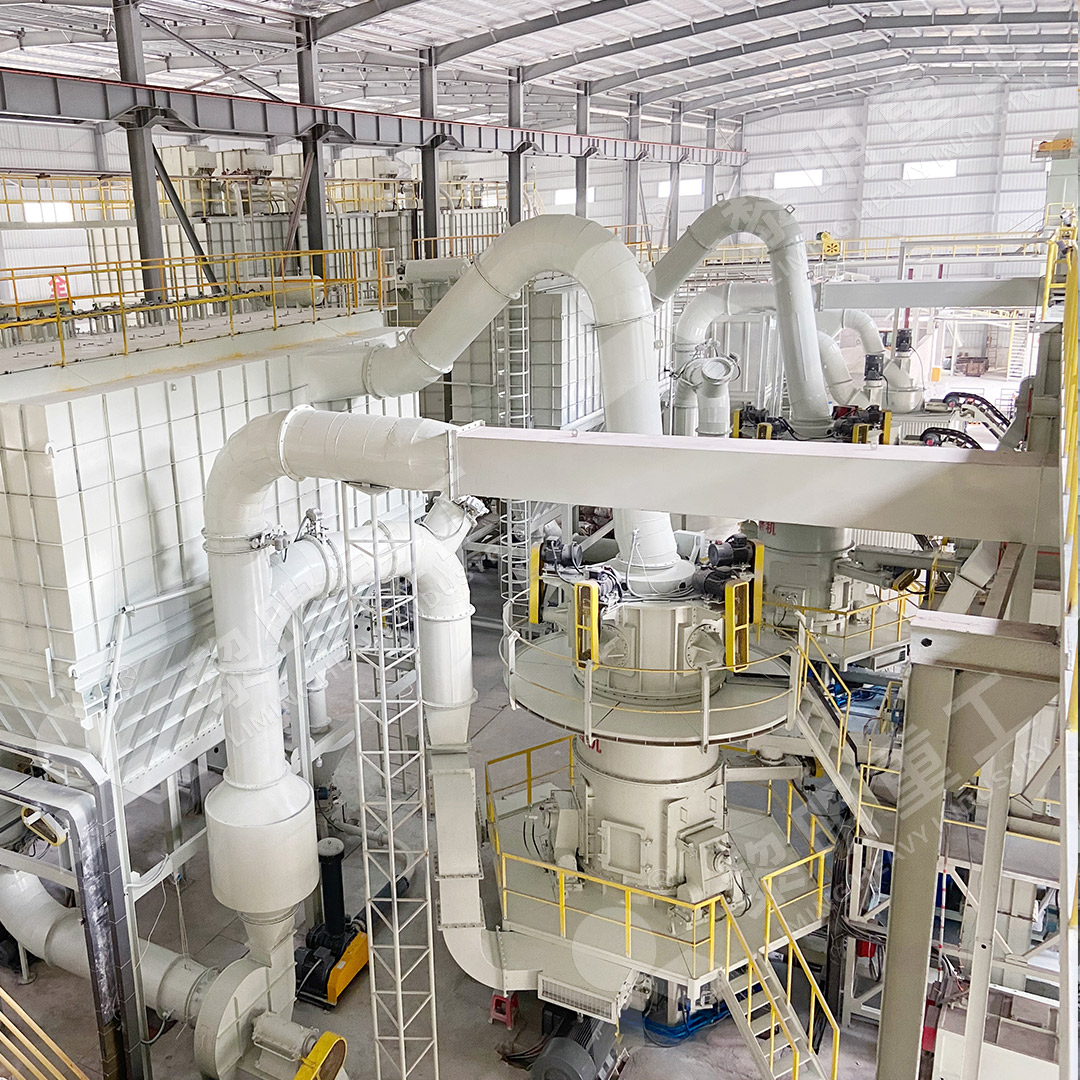
Limestone is first crushed and screened to uniform feed size before entering the grinding mill. Air classifiers separate fines from coarse particles, which are returned for regrinding. Ultrafine powder is collected with pulse bag filters or cyclones, optionally surface-treated with dispersants. Closed-circuit grinding ensures consistent PSD and energy-efficient operation. The plant also integrates storage silos and dust collection systems for safe and efficient production.
_1767930568574.jpg)
Energy Consumption Analysis
Energy consumption varies with feed size, target fineness, and mill type. LM mills typically consume 20–30 kWh/t for ≤400 mesh limestone, while LUM/MW mills consume 25–40 kWh/t for ultrafine powder. Optimizing feed rate, classifier speed, and airflow reduces energy usage. Pre-drying limestone or staged grinding further improves efficiency.
Equipment Maintenance Tips
Wear parts, including rollers, mill tables, and classifier blades, must be inspected regularly. Limestone is low-abrasive, but high-throughput operations accelerate wear. Lubrication schedules, vibration monitoring, and routine cleaning maintain mill performance. Operator training on start-up, shutdown, and material handling ensures consistent product quality and minimizes downtime.
Industry Insight / Engineering Experience
Experience shows feed uniformity, moisture control, and classifier adjustments directly influence limestone powder quality. Closed-circuit grinding ensures narrow PSD and improves performance in cement and industrial filler applications. Equipment reliability and maintainability are more critical than initial cost. Pilot testing and process simulation are recommended for new plants to ensure target fineness and throughput are met.
_1761355927036.jpg)
Frequently Asked Questions
Q1: Which mill is better for limestone powder?
A: LM Vertical Roller Mills or MTW Raymond Mills for ≤400 mesh; LUM Ultrafine or MW Micro Powder Mills for >400 mesh ultrafine powders.Q2: How long do wear parts last?
A: 12–24 months depending on throughput and operational conditions.Q3: Can grinding efficiency be improved?
A: Yes, through feed size control, classifier adjustment, and moisture management.Q4: Is pre-drying necessary?
A: Recommended if moisture exceeds 1 % to prevent caking and ensure smooth operation.Q5: How to achieve narrow PSD?
A: Closed-circuit grinding with proper air classification ensures uniform particle size.Q6: Typical energy consumption per ton?
A: 20–30 kWh/t for ≤400 mesh, 25–40 kWh/t for ultrafine powders.Q7: Can one mill handle both coarse and ultrafine limestone?
A: Not efficiently; separate ultrafine mills are recommended.Q8: How important is moisture control?
A: Very important; excessive moisture reduces throughput and can cause agglomeration.Q9: Are there alternatives to LUM and MW mills?
A: High-pressure roller mills can be applied for specialized ultrafine limestone powders.Q10: How to minimize downtime?
A: Scheduled maintenance, wear monitoring, and operator training help maintain continuous production.
Related FAQ


LIMING Heavy Industry to Participate in SIREXE 2026 in Abidjan, Côte d'Ivoire
2026-10-26

LIMING at MiningMetals Uzbekistan 2026 | Booth B94
2026-10-22
LIMING Heavy Industry at MINEXPO Africa 2026 | Booth 133
2026-10-22
Liming Heavy Industry to Exhibit at bauma CHINA 2026 – Visit Us at Booth E6.510
2026-10-15
Meet Liming Heavy Industry at the 140th Canton Fair 2026
2026-10-13
Complete Mineral Processing Solutions
Convenient Reliable Professional Efficient Get Your Quote
Please feel free to submit your inquiry information to us. We will contact with you as soon as possible.
Our team will contact you as soon as possible.