



Gypsum purity and impurity profile directly affect whether a material can be ground efficiently and whether the finished powder can be reused in cement, gypsum board, plaster, dry mortar or another industrial application. High-purity gypsum generally provides more predictable grinding behavior and more stable product performance. Impurities can increase moisture sensitivity, cause handling problems, change setting behavior, limit end-use options and require additional treatment before grinding.
For industrial by-product gypsum, purity is not only a laboratory number. It is a combination of calcium sulfate content, free moisture, soluble salts, residual chemicals, particle characteristics and application-specific compliance requirements. Grinding improves particle-size control, but it does not remove most chemical impurities. The material should therefore be tested before selecting a mill or defining a reuse route.
What Does Gypsum Purity Mean?
Gypsum is calcium sulfate dihydrate, represented by the formula CaSO4·2H2O. In industrial processing, gypsum purity usually refers to the proportion of the material that is present as calcium sulfate dihydrate rather than other minerals, salts, process residues or contaminants.
High gypsum purity generally means that the material contains a higher proportion of usable calcium sulfate dihydrate and lower levels of substances that may interfere with grinding, calcination, setting or final-product performance.
FGD gypsum can achieve high purity because it is produced through a controlled flue-gas treatment process. Eurogypsum describes FGD gypsum as having a gypsum content around 96% in some cases, compared with around 80% for many natural gypsum sources. Actual quality still depends on the individual power plant, absorbent quality, washing performance, oxidation conditions and dewatering process.
Why Purity Matters Before Grinding
The grinding mill should be selected based on the real material, not only on the name “gypsum.” A high-purity, dry, stable gypsum feed behaves differently from a moist industrial by-product containing soluble salts, clay-like fines, residual acids or compacted filter cake.
Purity influences the following parts of a gypsum powder project:
Feed flowability and storage behavior
Tendency to form lumps or compacted material
Drying requirement and energy use
Grinding efficiency and achievable capacity
Classifier performance and powder consistency
Dust-collection and conveying behavior
Finished-powder moisture sensitivity
Suitability for cement, gypsum board, plaster or dry mortar
Need for washing, neutralization, blending or other treatment
Environmental, radiological and product-compliance requirements
A material may be easy to grind but still unsuitable for a specific application. For example, phosphogypsum can be reduced to a fine powder, but residual phosphorus, fluorine-related compounds, acidity or other constituents may affect cement performance or plaster properties. Grinding does not make these chemical issues disappear.
Common Impurities in Industrial Gypsum
The impurity profile depends on the gypsum source. FGD gypsum, phosphogypsum, citrogypsum, titanogypsum, fluorogypsum and borogypsum can all contain different non-gypsum components.
| Impurity or material condition | Common relevance | Possible effect on grinding and reuse |
|---|---|---|
| Free moisture | FGD gypsum, phosphogypsum and wet industrial filter cake | Can cause sticking, bridging, agglomeration, reduced mill capacity and powder caking. |
| Soluble salts and chlorides | FGD gypsum and chemical-industry gypsum sources | Can affect moisture absorption, corrosion risk, product durability and end-use acceptance. |
| Residual sulfite | FGD gypsum with incomplete oxidation | May affect product consistency and indicates that source-process control should be reviewed. |
| Fly ash, silica and unreacted limestone | FGD gypsum | Can reduce gypsum purity, change abrasion and influence downstream product quality. |
| Soluble phosphorus | Phosphogypsum | Can affect setting behavior, hydration reactions and suitability for cementitious or plaster products. |
| Fluoride-related compounds | Phosphogypsum | May affect product properties, equipment durability and application acceptance. |
| Residual acidity | Phosphogypsum and chemical-process gypsum | Can increase corrosion risk and affect product performance or handling. |
| Organic matter | Phosphogypsum and some chemical-industry gypsum sources | Can influence color, odor, calcination behavior and final product consistency. |
| Trace elements and radionuclides | Especially phosphogypsum | Can limit permitted applications and require environmental or radiological evaluation. |
| Clay, sand and non-gypsum minerals | Natural gypsum, recycled gypsum and some by-product sources | Can reduce product purity, increase wear and alter powder behavior. |
How Purity Affects Grinding Performance
Grinding capacity
High-purity gypsum with stable moisture and consistent feed size generally supports more reliable mill capacity. The material flows more predictably through hoppers and feeders, enters the grinding zone evenly and can be classified more consistently.
Low-purity gypsum can reduce practical capacity in several ways. Wet or salt-containing material may form lumps and adhere to equipment. Non-gypsum hard particles can increase abrasion. Fine clay-like material can affect airflow, increase dust-collector load and make classification less stable.
Capacity must therefore be evaluated at the actual feed condition. A mill selected for dry, high-purity gypsum may not deliver the same output when processing wet industrial gypsum with variable moisture and impurities.
Feed flowability and material handling
Free moisture, soluble salts and fine impurities can change the way gypsum behaves in storage. Material may bridge in hoppers, compact during transport, stick to conveyors or form hard lumps after repeated wetting and drying.
FGD gypsum is often supplied as moist filter cake. Even when its calcium sulfate content is high, the material may need deagglomeration, drying or controlled feeding before grinding. Phosphogypsum may require more careful stockpile management because moisture and impurity distribution can vary between fresh material, aged material and weather-exposed zones.
Wear and maintenance
Gypsum itself is relatively soft, but non-gypsum minerals can increase wear on grinding rollers, grinding rings, classifier components, conveyors and ducts. Silica, sand, ash and other abrasive particles can shorten wear-part life and increase maintenance cost.
Before mill selection, the project should identify not only gypsum content but also the nature and particle size of non-gypsum solids. A small amount of hard abrasive material may have a larger effect on wear than its percentage alone suggests.
Fineness control
Impurities can influence the particle-size distribution of the finished powder. Materials with different hardness, shape or moisture behavior may grind at different rates. This can make it more difficult to maintain a stable classifier cut point and consistent finished-powder fineness.
For example, a feed containing gypsum together with harder silica-rich particles may produce a different distribution from a high-purity gypsum feed under the same mill settings. The plant may need to adjust classifier speed, airflow, feed rate or grinding pressure to maintain the target specification.
How Impurities Affect FGD Gypsum Reuse
FGD gypsum can be a high-quality synthetic gypsum source, but its reuse still depends on process control. The material is formed during flue-gas treatment, so its quality can be affected by fuel characteristics, absorbent quality, oxidation efficiency, washing performance, filtration and storage.
Residual sulfite
FGD gypsum should have adequate oxidation so that calcium sulfite is converted into calcium sulfate dihydrate. If oxidation is incomplete, residual sulfite may affect material quality and make the gypsum less predictable in downstream applications.
Where residual sulfite is a concern, the source plant should review oxidation conditions before the grinding plant attempts to solve the problem through mechanical processing.
Chlorides and soluble salts
Soluble salts and chlorides can influence moisture absorption, corrosion risk and suitability for sensitive building-material applications. Washing and dewatering performance at the FGD source can be important for controlling these constituents.
If salt levels are outside the receiving customer’s acceptance range, grinding the gypsum more finely will not correct the problem. The project may need improved washing, blending, source control or a different final application.
Fly ash and unreacted limestone
FGD gypsum may contain fly ash, unreacted limestone, silica or other particles depending on the gas-cleaning arrangement and source conditions. These materials can lower gypsum purity, change powder color, increase abrasiveness and affect cement or gypsum-product quality.
For applications such as gypsum board, stable chemical quality and particle characteristics are especially important. For cement use, the sulfate contribution and effect on cement performance must be verified through plant trials.
How Impurities Affect Phosphogypsum Reuse
Phosphogypsum requires more detailed evaluation because it comes from phosphoric acid production and can contain residual constituents from phosphate rock and the acid process. Although it is mainly calcium sulfate dihydrate, the impurity profile can strongly influence its reuse potential.
Phosphorus-related impurities
Residual phosphorus can affect hydration reactions, setting behavior and mechanical performance in gypsum-based or cementitious products. Water-soluble phosphorus is often more important than total phosphorus because it can interact more directly with the final formulation.
Research on phosphogypsum treatment has reported that soluble phosphorus and fluorine impurities can increase cement setting time and reduce compressive strength and density in some cement-related applications. The actual effect depends on the material, treatment method, dosage and product formulation.
Fluoride-related compounds
Fluoride-related compounds may affect product performance and can complicate phosphogypsum treatment. Recent research on phosphogypsum-derived hemihydrate reports that surface-bound phosphorus and fluorine impurities can significantly influence the properties of the calcined gypsum product.
Where fluoride-related impurities exceed the target application’s limit, the process may require washing, chemical treatment, separation, blending or another control method before calcination or grinding.
Residual acidity
Residual acidity can affect equipment selection, corrosion protection, handling safety and the compatibility of phosphogypsum with cementitious materials. If pH is outside the acceptable range for the final application, grinding alone is not an effective solution.
Depending on the project, neutralization, washing, controlled blending or another treatment step may be considered. The best approach depends on the specific material and the end-use requirements.
Radionuclides and trace elements
Phosphate rock can contain naturally occurring radionuclides and trace elements that remain partly associated with phosphogypsum. This may limit the material’s use in some building, agricultural or consumer-facing applications.
For sensitive phosphogypsum projects, chemical testing should be supplemented with the environmental and radiological assessment required by local regulations. The use route should be approved based on the specific source material and jurisdiction, not on a general assumption that phosphogypsum can be used in the same way as FGD gypsum.
How Purity Affects Final Applications
Cement production
Gypsum used in cement production acts as a sulfate source that helps regulate cement setting time. High and stable gypsum purity makes sulfate dosing more predictable. Impurities can alter the available sulfate contribution, affect hydration reactions, change cement setting behavior or create quality variation.
For FGD gypsum, moisture, chlorides, residual sulfite and non-gypsum solids should be controlled. For phosphogypsum, soluble phosphorus, fluoride-related compounds, acidity and other source-specific constituents require additional evaluation. The final decision should be verified through cement trials, including setting time, strength development and chemical quality testing.
Gypsum board and wallboard
Gypsum board production requires consistent raw-material quality because the gypsum must be dried, calcined, mixed with water and additives, formed into a slurry and set into a stable board core. Impurities can affect calcination behavior, water demand, setting time, board strength, surface quality, paper bonding and product durability.
FGD gypsum can be suitable for wallboard when purity, moisture and contaminant levels meet board-grade specifications. Phosphogypsum may require more extensive purification and compliance evaluation because its impurities can affect plaster performance and building-material acceptance. Research reviews note that harmful phosphogypsum impurities can corrode processing equipment and deteriorate the properties of gypsum plaster produced after calcination.
Plaster and gypsum-based building materials
For plaster and settable gypsum products, purity affects the calcination route, hemihydrate quality, water demand, setting time and strength. Soluble impurities can interfere with crystal formation during setting and may make product performance inconsistent.
A material suitable for cement may not be suitable for plaster. The intended product must be confirmed before selecting the purification level, grinding fineness and calcination route.
Dry mortar and blended materials
Gypsum used in dry mortar needs controlled fineness, low enough moisture, good flowability and compatibility with other formulation components. Salts, acidity, fine impurities and variable moisture can change water demand, workability, setting behavior and storage stability.
Grinding helps improve dispersion in the dry mix, but it cannot correct an unsuitable chemical profile. Product trials are needed before a new industrial gypsum source is supplied commercially.
Can Grinding Remove Gypsum Impurities?
Grinding mainly changes physical particle size. It can break agglomerates, improve powder uniformity and support more consistent blending. It does not normally remove soluble salts, phosphorus, fluoride-related compounds, acidity, trace elements or radionuclides.
In some cases, grinding may be used as part of a broader treatment route. Finer particles can improve washing efficiency, blending or reaction with treatment chemicals. However, grinding should not be described as an impurity-removal process unless the complete process includes a verified separation or treatment stage.
Possible impurity-control approaches may include:
Source-process improvement
Washing and filtration
Mechanical dewatering
Screening or physical separation
Neutralization or chemical treatment
Controlled blending with higher-purity gypsum
Thermal treatment where technically justified
Selection of a final application that accepts the material profile
The appropriate method depends on the impurity, its concentration, whether it is soluble or insoluble, the target product, regulatory requirements, treatment cost and the amount of material to be processed.
How to Test Industrial Gypsum Before Grinding
A reliable grinding and reuse project should begin with representative sampling. Fresh material, stored material and material taken from different stockpile zones can have different moisture, impurity levels and physical condition.
Useful tests include:
Calcium sulfate dihydrate content
Free moisture and total moisture
Particle-size distribution and feed-lump size
Bulk density and flowability
pH and conductivity where relevant
Chloride and soluble salts
Residual sulfite, carbonate, ash and silica for FGD gypsum
Soluble phosphorus, fluoride-related compounds and acidity for phosphogypsum
Organic matter, trace elements and other source-specific constituents
Radiological characteristics where required
Application-specific performance, such as cement setting time or plaster strength
The sample report should be connected to the final application. A good material-analysis report without a defined end use is not enough to select the optimum processing route.
How Purity Affects Mill Selection
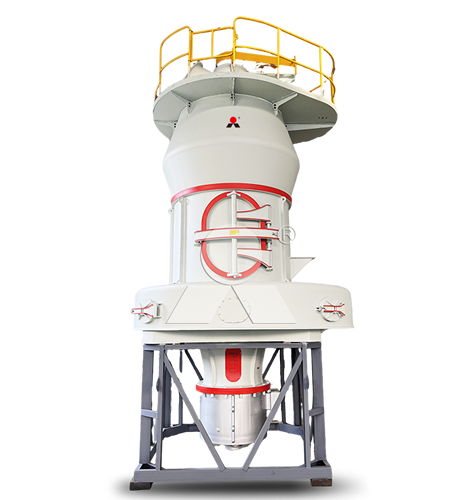
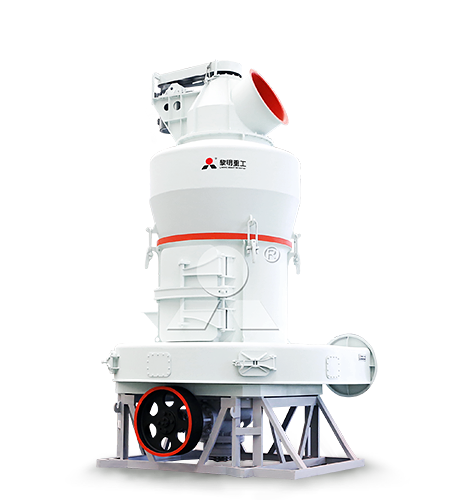
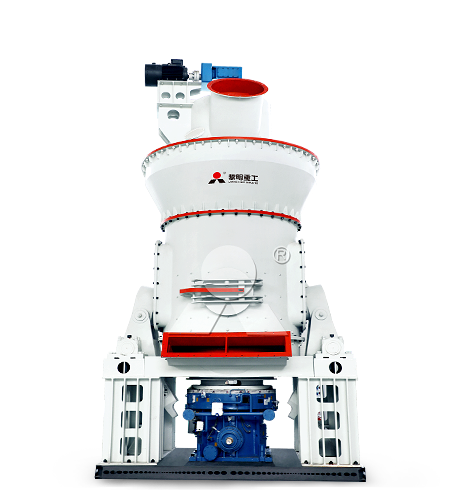
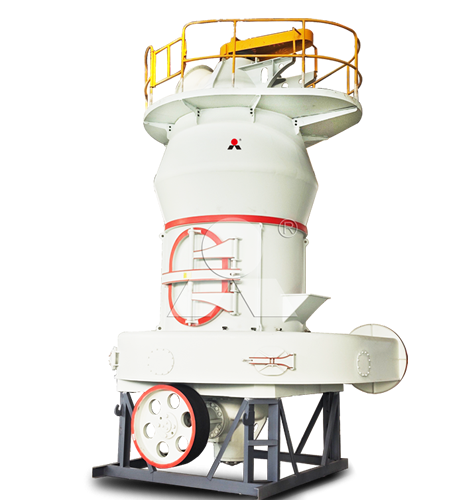
Mill selection follows material preparation. MTW European Grinding Mill, LM Vertical Roller Mill and Raymond mill can all be considered for suitable gypsum, but their operating performance depends on feed condition.
MTW European Grinding Mill
MTW European Grinding Mill is suitable for small-to-medium capacity gypsum powder production with prepared, relatively stable feed. High free moisture, large wet agglomerates and abrasive impurities may require upstream drying, deagglomeration or other preparation before milling.
LM Vertical Roller Mill
LM Vertical Roller Mill is suitable for high-capacity gypsum processing and projects that benefit from integrated drying, grinding and classification. It can be useful for moist industrial gypsum, but it does not replace chemical treatment or impurity management.
Raymond Mill
Raymond mill is suitable for conventional gypsum powder production with dry, stable and adequately prepared feed. It is generally less suitable for wet, sticky or highly variable material unless drying and feed conditioning are completed before grinding.
Recommended Decision Process
Identify the gypsum source and source-production process.
Collect representative samples across normal production and storage conditions.
Test gypsum content, moisture, physical condition and source-specific impurities.
Define the intended final application and its acceptance limits.
Determine whether impurities can be controlled through source improvement, treatment, blending or a different reuse route.
Set the target fineness, finished-powder moisture and required production capacity.
Select MTW European Grinding Mill, LM Vertical Roller Mill or Raymond mill according to the prepared feed and process requirement.
Confirm the final powder through application trials and regular quality control.
Conclusion
Gypsum purity affects both grinding efficiency and reuse potential. High-purity gypsum with stable moisture generally supports easier handling, more predictable mill performance and wider application options. Impurities can reduce practical capacity, increase wear, create storage problems, change setting behavior and restrict use in cement, gypsum board, plaster or dry mortar.
FGD gypsum often has high calcium sulfate content, but it still requires control of moisture, soluble salts, residual sulfite and non-gypsum solids. Phosphogypsum requires more detailed evaluation because soluble phosphorus, fluoride-related compounds, acidity, trace constituents and radiological factors can affect processing and reuse.
Grinding is essential for particle-size control, but it is not an impurity-removal method. The most reliable industrial gypsum project begins with material testing, defines the final application, applies necessary pre-treatment and then selects the grinding system based on the prepared feed condition.
Related Industrial By-product Gypsum Solutions


LIMING at MiningMetals Uzbekistan 2026 | Booth B94
2026-10-22

LIMING Heavy Industry at MINEXPO Africa 2026 | Booth 133
2026-10-22
Liming Heavy Industry to Exhibit at bauma CHINA 2026 – Visit Us at Booth E6.510
2026-10-15
Meet Liming Heavy Industry at the 140th Canton Fair 2026
2026-10-13
Liming Heavy Industry to Attend the 140th Canton Fair
2026-09-25
Complete Mineral Processing Solutions
Convenient Reliable Professional Efficient Get Your Quote
Please feel free to submit your inquiry information to us. We will contact with you as soon as possible.
Our team will contact you as soon as possible.