


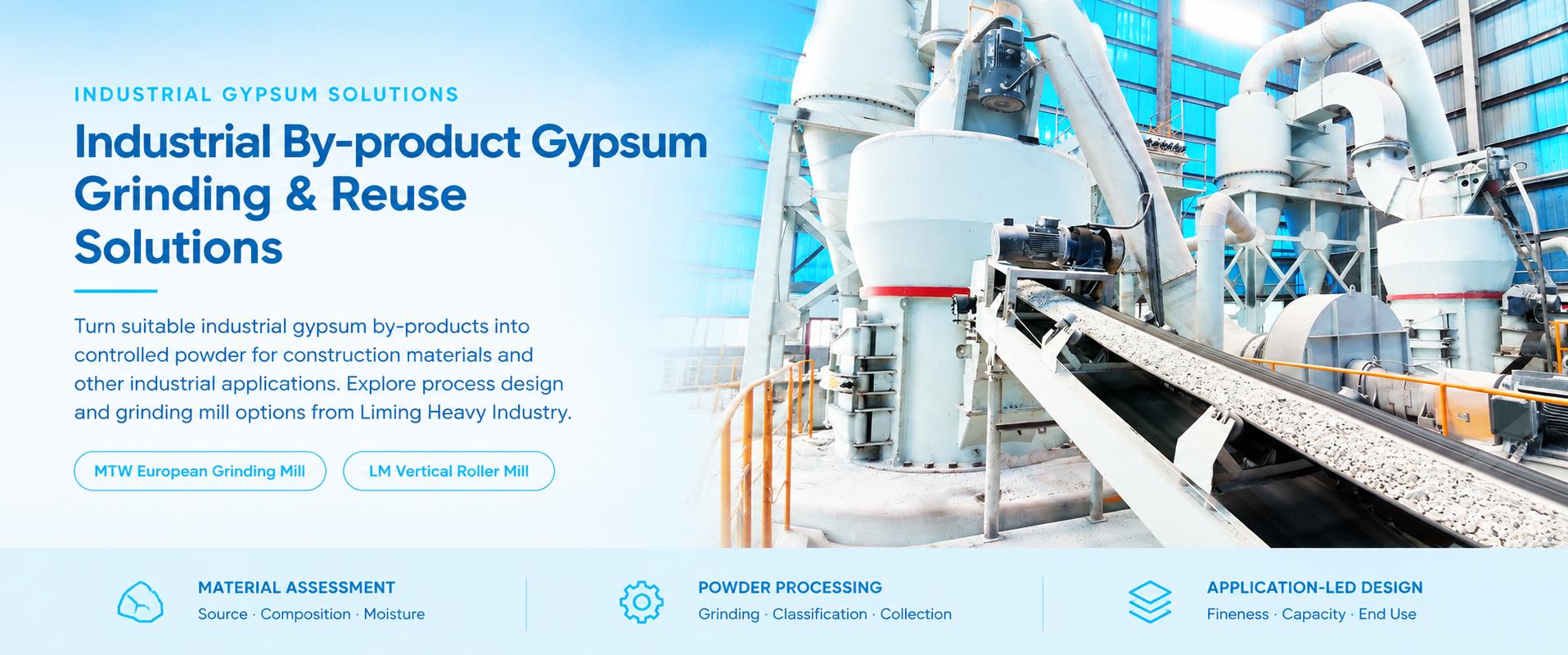
Industrial gypsum is mainly used in cement production as a source of calcium sulfate for setting-time control. During final cement grinding, gypsum or another suitable sulfate-bearing material is blended with clinker so that the cement does not set too rapidly when water is added.
Suitable industrial by-product gypsum, including FGD gypsum and treated phosphogypsum, can potentially replace part or all of the natural gypsum used by a cement plant. The material must first meet the plant’s technical, environmental and regulatory requirements. Its gypsum content, moisture, soluble impurities, particle size and consistency all affect whether it can be used reliably in cement grinding.
Why Cement Needs Gypsum
Portland cement clinker contains reactive mineral phases, including tricalcium aluminate, commonly called C3A. When clinker is ground into cement and mixed with water, C3A can react very quickly. Without a suitable sulfate source, the cement may set too fast for proper mixing, transport, placement and finishing.
Gypsum provides sulfate that reacts with the aluminate phase during early cement hydration. This reaction helps regulate the hydration of C3A and delays excessively rapid setting. The result is a more workable cement with a controlled setting time.
Sulfate is added to Portland cement specifically to retard the hydration of the aluminate phase. Cement standards regulate sulfate content, commonly expressed as SO3, because both insufficient and excessive sulfate can affect setting, strength development and long-term performance.
How Gypsum Controls Cement Setting
When water is added to cement, gypsum dissolves and supplies sulfate ions. These react with C3A and calcium ions to form ettringite during the early stage of hydration. This reaction slows the immediate and uncontrolled hydration of C3A.
In simplified form, the process can be represented as follows:
Tricalcium aluminate + calcium sulfate + water → ettringite
The early formation of ettringite helps regulate the hydration process. Without enough available sulfate, the aluminate phase may react too quickly and cause flash set. With the correct sulfate balance, cement remains workable long enough for normal concrete production and construction operations.
Gypsum does not simply act as an additive. It is a key cement-quality control material. The required sulfate level depends on the clinker composition, especially C3A content, as well as cement fineness, alkali content, temperature, supplementary cementitious materials and the desired performance of the final cement.
Which Industrial Gypsum Sources Can Be Used?
Different industrial gypsum sources may be considered for cement production. Their suitability depends on chemical composition, moisture, impurities, process consistency and local compliance requirements.
FGD gypsum
FGD gypsum is produced by flue-gas desulfurization systems, commonly from wet limestone-based systems with forced oxidation. It is mainly composed of calcium sulfate dihydrate and can be used as an alternative sulfate source for cement when its quality meets the cement plant’s requirements.
Research on Portland cement has found that FGD gypsum can be technically feasible as a setting-time retarder in place of natural gypsum. Studies have reported that FGD gypsum can increase setting time while maintaining a comparable compressive-strength profile when used under suitable conditions.
For cement use, FGD gypsum should be evaluated for gypsum content, free moisture, chloride, residual sulfite, carbonate, fly ash-related material and other source-specific constituents. A cement plant should also confirm that the material can be stored, conveyed and dosed consistently.
Phosphogypsum
Phosphogypsum is generated during phosphoric acid production. It contains calcium sulfate but may also contain soluble phosphorus, fluoride-related compounds, acidity, organic matter, trace elements and other impurities. These characteristics can affect cement setting behavior and product performance.
For this reason, phosphogypsum usually requires more careful evaluation and, in some cases, pre-treatment before it can be considered as a cement set regulator. Depending on material quality and intended use, the process may include washing, neutralization, dewatering, drying, calcination, blending or other impurity-management measures.
Some cement-industry guidance identifies FGD gypsum and phosphogypsum as potential alternative sulfate sources, while also specifying limits for properties such as water-soluble phosphorus and free moisture. The exact limits must be confirmed with the receiving cement plant and the applicable local standards.
Desulfurization gypsum and other industrial gypsum
Desulfurization gypsum is a broader term often used for gypsum recovered from flue-gas treatment systems. Other industrial gypsum materials, such as fluorogypsum, citrogypsum, titanogypsum and borogypsum, may also be evaluated as calcium sulfate sources for cement.
These materials should be tested individually. The fact that a material contains calcium sulfate does not automatically make it suitable for cement. Impurities, moisture, chemical reactivity, storage behavior and regulatory conditions must be checked before the material enters a cement grinding circuit.
Where Is Industrial Gypsum Added in Cement Production?
Industrial gypsum is commonly added during the final grinding stage of cement production. Cement clinker, gypsum and other mineral components are proportioned and ground together to produce the finished cement.
The addition point may vary according to plant design. In some cases, industrial gypsum is delivered to a dedicated storage area, crushed or deagglomerated if necessary, dried when required and then metered into the cement grinding system. The key requirement is stable and accurate dosing.
If gypsum dosage fluctuates, the sulfate balance in the finished cement can change. This may lead to inconsistent setting time, early strength variation or other quality-control problems. Reliable storage, feeding and dosing are therefore as important as the grinding equipment itself.
Industrial Gypsum Preparation Before Cement Grinding
The required preparation route depends on the material source and the cement plant’s specification. Some sources may be suitable after basic dewatering, drying and grinding. Others may require more extensive pre-treatment before they can be accepted for cement use.
Material testing
Before industrial gypsum is approved for cement production, the material should be tested using representative samples. The test program should reflect the source material and the receiving cement plant’s quality requirements.
Typical evaluation items include:
Calcium sulfate and gypsum content
Total sulfate and SO3 contribution
Free moisture and total moisture
Particle-size distribution and largest lump size
Soluble phosphorus and fluoride-related compounds where relevant
Chloride and soluble-salt content where relevant
Residual sulfite, carbonate, ash or other non-gypsum components
pH and acidity where relevant
Trace elements and other compliance-related parameters where required
Effect on cement setting time and compressive strength
The final decision should be based on cement trials. Laboratory results are important, but a material that appears suitable in chemical analysis must also perform acceptably in the actual clinker grinding and cement-testing process.
Dewatering and drying
Many industrial gypsum sources contain significant free moisture. FGD gypsum is often recovered as filter cake, while phosphogypsum may also be stored or transported in a moist condition. Excessive moisture can cause storage problems, bridging in hoppers, poor dosing and lower grinding efficiency.
Dewatering may be completed at the source through filtration or other mechanical methods. If the material remains too wet for handling or cement grinding, thermal drying may be required. The target moisture should be set by the cement plant’s handling system and grinding process rather than by a universal number.
Crushing and deagglomeration
Industrial gypsum may form lumps during filtration, transport or stockpiling. These lumps can interfere with feeding and dosing. Crushing, screening or deagglomeration can produce a more stable feed before the material enters a grinding system or the cement mill.
For industrial gypsum, the objective is usually consistent feed size rather than heavy primary crushing. Fine original gypsum particles can still form large agglomerates if moisture is high.
Grinding and fineness control
Grinding produces a uniform gypsum powder that can be dosed and blended more consistently with clinker. The required fineness depends on the cement plant’s existing grinding system, the characteristics of the clinker and the desired sulfate-release behavior during hydration.
Grinding should be controlled rather than excessive. Very coarse gypsum may dissolve too slowly and provide insufficient early sulfate availability. Extremely fine gypsum may increase energy consumption and can alter dissolution behavior. The right fineness is determined through cement-performance testing.
How Much Industrial Gypsum Is Used in Cement?
The gypsum addition rate is not fixed for every cement type or clinker source. Cement plants control sulfate addition according to the final cement’s target SO3 level and the behavior of the specific clinker, gypsum source and other cement constituents.
The optimum dosage depends on several factors:
Clinker C3A content
Clinker mineralogy and alkali content
Type and reactivity of the industrial gypsum
Calcium sulfate form, such as dihydrate, hemihydrate or anhydrite
Gypsum purity and impurity profile
Cement fineness
Use of limestone, slag, fly ash, pozzolans or other mineral components
Target cement strength class and setting-time requirement
Grinding temperature and storage conditions
Industry guidance commonly notes that the sulfate target should be set according to the required cement performance rather than by using one fixed gypsum percentage. Cement standards typically limit maximum sulfate content expressed as SO3, while the optimal level is determined through production and laboratory control.
Grinding Industrial Gypsum for Cement Use
For cement applications, industrial gypsum should be ground to a fineness that supports stable blending and controlled sulfate availability. The correct equipment depends on the material’s moisture, feed condition, required capacity and whether the gypsum is ground separately or together with clinker.
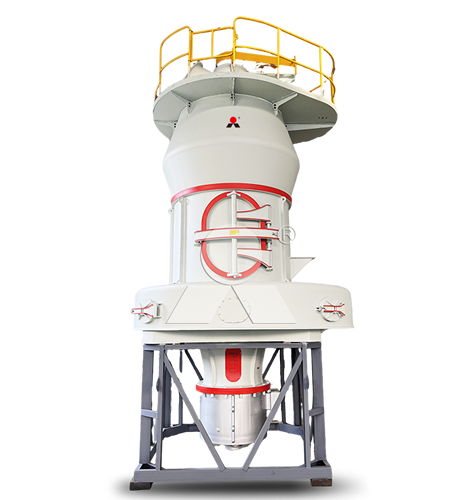
MTW European Grinding Mill
MTW European Grinding Mill can be considered for small-to-medium capacity industrial gypsum powder production. It is suitable when the gypsum feed is properly prepared, moisture is controlled and the project requires conventional powder fineness with stable classification.
For FGD gypsum or treated phosphogypsum, upstream drying or deagglomeration may be required before grinding if the material arrives as wet filter cake or compacted lumps. The finished powder can then be stored and metered into the cement grinding process as required.
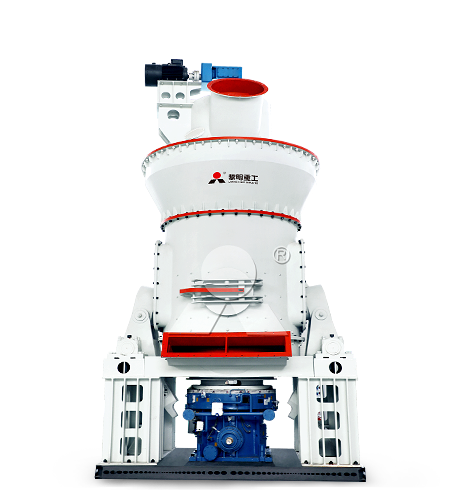
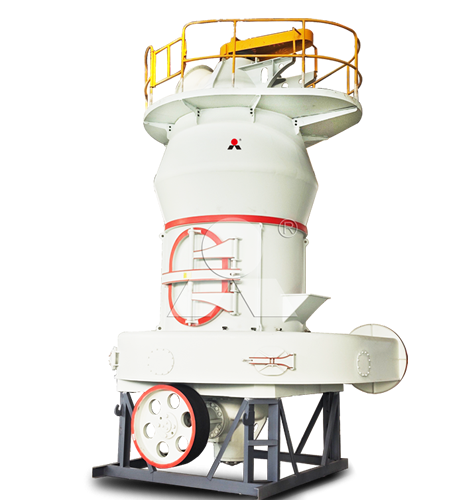
LM Vertical Roller Mill
LM Vertical Roller Mill is suitable for high-capacity industrial gypsum processing and projects that benefit from integrated drying, grinding and classification. It can be considered when the gypsum has moderate-to-high moisture, when drying duty is significant or when continuous large-scale powder production is required.
For cement plants handling moist industrial gypsum, an LM Vertical Roller Mill system can help combine material drying and grinding in one process arrangement. Final configuration should be based on actual moisture variation, available heat source, required powder fineness and production capacity.
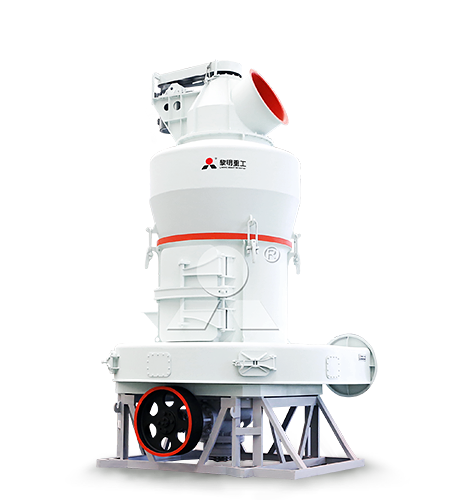
Raymond Mill
Raymond mill can be considered for conventional industrial gypsum powder production with moderate output requirements and stable, dry or pre-dried feed. It is generally suitable for prepared material that does not require major drying duty inside the mill.
For a Raymond mill project, the gypsum should have controlled moisture, stable feed size and good flowability. If the material remains wet or sticky, dewatering and drying should be completed before grinding to prevent unstable operation.
How Industrial Gypsum Affects Cement Quality
The quality of industrial gypsum affects more than cement setting time. It can influence grinding behavior, sulfate balance, early hydration, workability, strength development, storage stability and the consistency of the finished cement.
Setting time
The most direct effect is on setting time. Insufficient available sulfate may allow rapid aluminate hydration and create flash-set risk. Excessive sulfate or an unsuitable sulfate form can lead to other quality problems. The cement plant must balance sulfate addition through regular testing.
Strength development
When industrial gypsum is suitable and properly dosed, it can support normal cement strength development. Research on FGD gypsum as a Portland cement set regulator reported that it could extend setting time without adversely changing the compressive-strength profile under the tested conditions.
However, the result cannot be assumed for every industrial gypsum source. Differences in gypsum purity, impurities, fineness, moisture and calcium sulfate form can change cement behavior. Plant-specific trials remain necessary.
Workability and consistency
Controlled sulfate balance supports workable cement and concrete. If the gypsum source changes unexpectedly, setting behavior may change even when the nominal addition rate remains the same. This is why cement plants monitor both the chemical composition and physical condition of industrial gypsum.
Common Challenges When Using Industrial Gypsum in Cement
Variable material quality
Industrial by-product gypsum can vary with source-process conditions. Changes in moisture, purity, chloride, residual sulfite, phosphate, fluoride or other constituents can affect cement performance. Regular sampling and source control are necessary.
High moisture
High moisture can create transport, storage and dosing problems. It can also reduce grinding efficiency and increase the energy required to prepare the gypsum. Dewatering, drying, covered storage and reliable feeding equipment help reduce these problems.
Impurity-related performance changes
Phosphogypsum and other chemical-industry by-products may contain impurities that affect setting time or final cement quality. If the material does not meet the plant’s specification, a finer grind will not solve the underlying issue. The process may require pre-treatment, blending, a lower substitution rate or a different application route.
Inconsistent dosing
Gypsum addition must be accurately controlled. Material bridging, feeder blockage, uneven powder flow or incorrect calibration can change the sulfate balance in cement. A stable storage and dosing system is essential.
Recommended Evaluation Procedure
Identify the industrial gypsum source and its original production process.
Collect representative samples from normal production and storage conditions.
Test gypsum content, moisture, sulfate contribution, impurities and particle characteristics.
Review environmental, product-quality and regulatory requirements for the intended cement market.
Determine whether dewatering, drying, washing, neutralization, grinding or blending is required.
Define a preliminary gypsum-addition range based on the target cement SO3 level.
Perform laboratory cement trials for setting time, strength development and other relevant properties.
Conduct plant trials with controlled dosing and quality monitoring.
Establish routine acceptance limits for industrial gypsum supply.
Conclusion
Industrial gypsum is used in cement production primarily as a sulfate source that controls cement setting time. By regulating the hydration of the aluminate phase in clinker, gypsum helps prevent excessively rapid setting and supports stable cement performance.
FGD gypsum can be a practical alternative to natural gypsum when its moisture, purity and impurity profile meet the cement plant’s requirements. Treated phosphogypsum and other industrial gypsum sources may also be considered, but they require more careful material evaluation and, where necessary, pre-treatment before use.
For separate industrial gypsum powder production, MTW European Grinding Mill is suitable for prepared small-to-medium capacity projects, LM Vertical Roller Mill is suitable for high-capacity systems and moisture-sensitive feed requiring drying integration, and Raymond mill is suitable for conventional powder production with dry, stable feed.
The final decision should always be based on representative material testing, cement-performance trials and plant-specific sulfate optimization. The best industrial gypsum source is the one that provides consistent sulfate control, reliable handling and verified cement quality under actual production conditions.
Related Industrial By-product Gypsum Solutions


LIMING at MiningMetals Uzbekistan 2026 | Booth B94
2026-10-22

LIMING Heavy Industry at MINEXPO Africa 2026 | Booth 133
2026-10-22
Liming Heavy Industry to Exhibit at bauma CHINA 2026 – Visit Us at Booth E6.510
2026-10-15
Meet Liming Heavy Industry at the 140th Canton Fair 2026
2026-10-13
Liming Heavy Industry to Attend the 140th Canton Fair
2026-09-25
Complete Mineral Processing Solutions
Convenient Reliable Professional Efficient Get Your Quote
Please feel free to submit your inquiry information to us. We will contact with you as soon as possible.
Our team will contact you as soon as possible.