


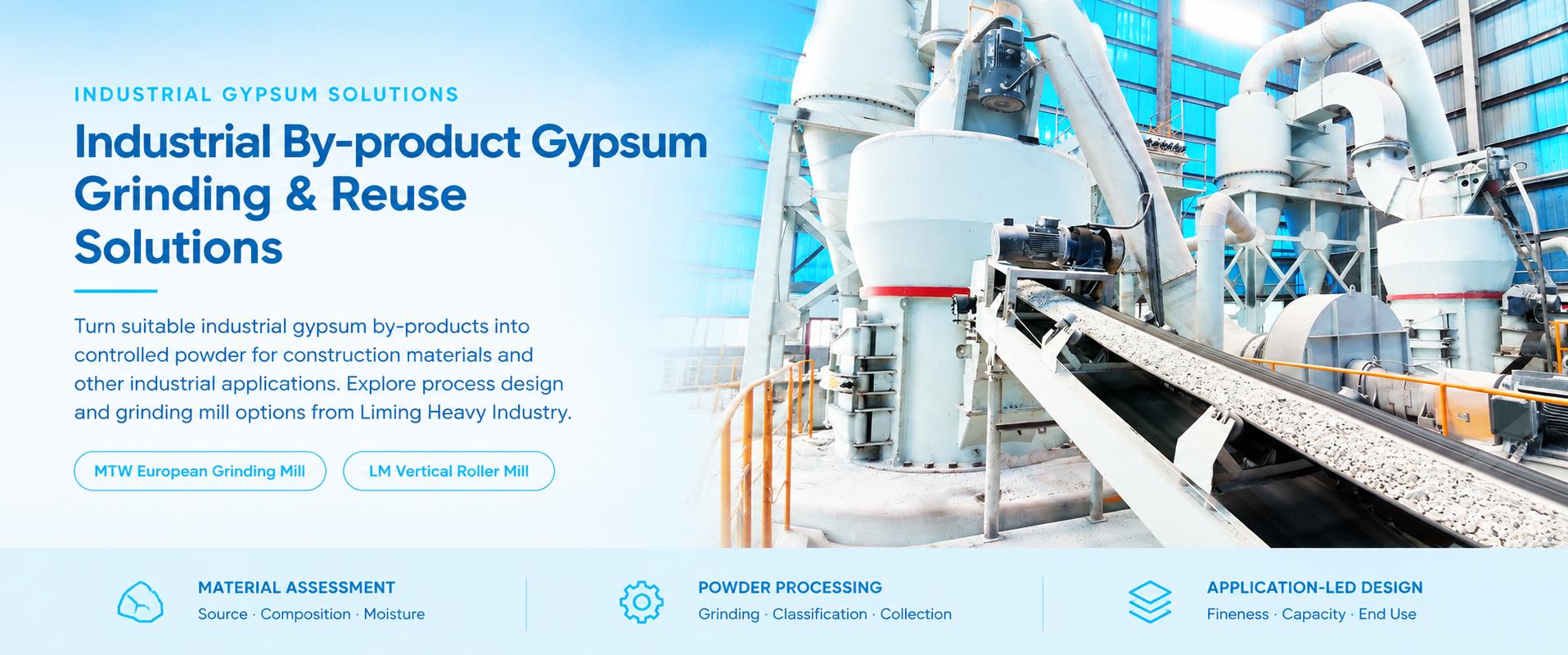
Citrogypsum is a gypsum-containing industrial by-product generated during citric acid production. In calcium-salt production routes, citric acid is separated from calcium citrate using sulfuric acid, creating calcium sulfate dihydrate as a solid residue. After filtration, this material is commonly called citrogypsum.
Citrogypsum can potentially be reused as a secondary gypsum resource when its chemical composition, moisture, residual citrate or organic content, particle characteristics and final application are properly evaluated. Depending on material quality, the process may include sampling, dewatering, drying, deagglomeration, grinding, classification and, for some products, controlled calcination.
How Citrogypsum Is Generated
Citrogypsum is associated with citric acid production, especially traditional calcium-salt processing routes. In simplified form, calcium citrate reacts with sulfuric acid to produce citric acid and calcium sulfate:
Calcium citrate + sulfuric acid → citric acid + calcium sulfate
After citric acid is separated from the process liquid, the calcium sulfate-containing solid is filtered. The resulting filter residue is citrogypsum. Research literature identifies citrogypsum as an industrial by-product of edible citric acid production, while industry descriptions list it among synthetic gypsum types generated through acid-neutralization processes.
The principal mineral component is generally calcium sulfate dihydrate, CaSO4·2H2O. However, the actual material can vary with citric acid technology, raw materials, filtration performance, washing conditions and storage practice.
Typical Composition of Citrogypsum
Citrogypsum can have a high calcium sulfate content, but it should not be assumed to have the same quality as natural gypsum or FGD gypsum. The material may contain residual citric acid, calcium citrate, organic matter, silica, alumina, magnesium compounds, moisture and other process-related constituents.
One published study of recycled citrogypsum reported hydrated calcium sulfate as the main phase, with residual citric acid traces below 1% in the tested material. A patent description of citric acid gypsum reported calcium sulfate dihydrate as the major solid component, together with smaller amounts of silica, alumina, magnesium oxide and calcium citrate. These figures are source-specific and should not be used as a substitute for testing the actual material supply.
Before reuse, the material should be analyzed for:
Calcium sulfate dihydrate content
Free moisture and total moisture
Residual citric acid and citrate-related compounds
pH and residual acidity
Organic matter and color-related impurities
Silica, alumina, magnesium and other mineral impurities
Soluble salts and conductivity where relevant
Particle-size distribution and feed-lump size
Bulk density, flowability and tendency to compact
Final application requirements
Why Citrogypsum Requires Material Testing
Citrogypsum is not a standardized material. Its quality can change with the citric acid production route, the quality of the calcium citrate feed, the amount of sulfuric acid used, washing efficiency, solid-liquid separation performance and storage conditions.
Residual citric acid is especially important because citric acid can act as a retarder in gypsum systems. It can increase setting time and change the fluidity of gypsum plaster. Research on recycled gypsum plaster found that citric acid increased fluidity and extended setting time, with stronger retarding effects at higher additive content.
This does not mean citrogypsum cannot be reused. It means the reuse route should be selected from actual material data. A citrogypsum source with low residual organics and stable gypsum content may need only moisture control and grinding. A source with significant residual citrate, acidity or organic matter may require washing, neutralization, blending or a different end use.
Potential Reuse Applications
Suitable citrogypsum can potentially be reused in several gypsum-related and industrial applications. The final route depends on product quality, local regulations and customer acceptance testing.
Cement production
Citrogypsum may be considered as a calcium sulfate source for cement production. Gypsum is used in cement to regulate setting time, so the material must provide a stable sulfate contribution and must not cause unacceptable setting-time variation.
Residual citric acid or citrate can affect cement and gypsum hydration behavior. Therefore, cement use should be validated through laboratory and plant trials that measure setting time, sulfate balance, strength development and finished-cement consistency.
Gypsum plaster and calcined gypsum products
Citrogypsum can potentially be used to produce calcined gypsum, including hemihydrate plaster, when its purity, residual-organic content and calcination behavior are suitable. The process may include dewatering, drying, grinding, calcination, cooling, classification and finished-product testing.
Some reported citrogypsum processing methods use drying, heating and grinding to prepare gypsum products, but actual operating conditions must be designed around the required calcium sulfate phase and the tested material behavior.
Gypsum-based building materials
After suitable processing, citrogypsum may be evaluated for plaster, gypsum blocks, dry mortar, gypsum-based composites and other building materials. The material should be tested for setting behavior, water demand, strength, dimensional stability, color and compatibility with additives.
Residual citrate can be useful in some formulations as a setting retarder, but uncontrolled variation is a production risk. For commercial building products, the producer must establish acceptance limits and maintain consistent source-material quality.
Cementitious and alkali-activated materials
Citrogypsum has also been investigated as a calcium-containing component in alkali-activated cement systems. A 2023 study reported the use of citrogypsum as a calcium source to modify properties in an alkali-activated cement formulation.
This is an application-specific route and should be validated through formulation testing. Grinding alone is not enough to confirm performance in alkali-activated or composite cementitious materials.
Other industrial applications
Other potential routes may include controlled use as a filler, soil-related application where permitted, chemical feedstock or a component in specialized products. These uses should be evaluated according to material chemistry, final-product requirements and local regulations.
Typical Citrogypsum Processing Flow
A citrogypsum processing line should be designed around material condition and target product. A basic gypsum-powder route may include:
Citrogypsum receiving → sampling → covered storage → deagglomeration → dewatering or drying → grinding → classification → powder collection → storage or packing → quality control
If the material requires impurity control, the line may include:
Citrogypsum receiving → sampling → washing or neutralization when required → filtration and dewatering → drying → deagglomeration → grinding → classification → powder collection → product testing
If the target is plaster or another settable gypsum binder, add calcination:
Citrogypsum preparation → drying and grinding → controlled calcination → cooling → classification → finished-stucco storage → quality control
1. Receiving, Storage and Sampling
Citrogypsum may be delivered as moist filter cake, loose solids, compacted material or stored residue. The receiving system should protect the material from rain and contamination because added water increases drying cost and can worsen lump formation.
Covered storage, controlled stockpile management and representative sampling are important. If the material varies by production batch or storage zone, the plant may need segregation or controlled blending before processing.
2. Washing and Neutralization When Required
Some citrogypsum sources may require washing or neutralization before reuse. The need depends on residual citric acid, citrate compounds, pH, soluble salts, organic content and the quality limits of the final product.
Washing can reduce certain soluble components, but it also creates process water that must be filtered, reused or treated. Neutralization may improve material compatibility with some cementitious or gypsum-based products, but it should be selected only after laboratory testing confirms the problem and the expected benefit.
A complete pre-treatment decision should consider:
Which impurity is limiting the intended application
Whether the impurity is soluble, insoluble or organic
Whether washing can remove it effectively
Water demand and wastewater-management cost
Whether neutralization affects gypsum quality or creates new solids
Whether blending or a different application is more economical
3. Dewatering and Drying
Citrogypsum may contain significant free moisture after filtration. Mechanical dewatering should be considered first because removing water mechanically usually requires less energy than thermal drying.
After dewatering, drying may be required if the material remains too wet for stable grinding, classification, storage or final use. High free moisture can cause bridging in hoppers, sticking on conveyors, buildup inside equipment and caking of finished powder.
The drying system should remove free moisture without unintentionally calcining the gypsum if the target product is calcium sulfate dihydrate powder. If the intended product is hemihydrate plaster, calcination should be designed as a separate controlled process rather than as an uncontrolled result of drying.
4. Deagglomeration and Feed Preparation
Even when citrogypsum has fine primary particles, wet filter cake can form compacted lumps during filtration, storage and transport. Lump breaking, screening and controlled feeding help create stable conditions for the dryer and grinding system.
The feeding system should be selected for the actual physical behavior of the material. Moist and cohesive citrogypsum requires different hopper design and feeder selection from dry, free-flowing gypsum powder.
5. Grinding and Classification
Grinding produces controlled citrogypsum powder for the intended application. The required fineness depends on whether the material is used in cement, plaster, dry mortar, building materials or another industrial product.
For conventional industrial powder, the target may fall within a typical range of about 100–325 mesh, although the final specification should be determined by the receiving customer or product formulation. Particle-size distribution, not only one mesh number, affects powder flow, water demand, setting behavior and product strength.
Classification separates qualified fine powder from oversized particles. Coarse material returns to the grinding zone, while finished powder proceeds to collection and storage.
Grinding-Mill Selection for Citrogypsum
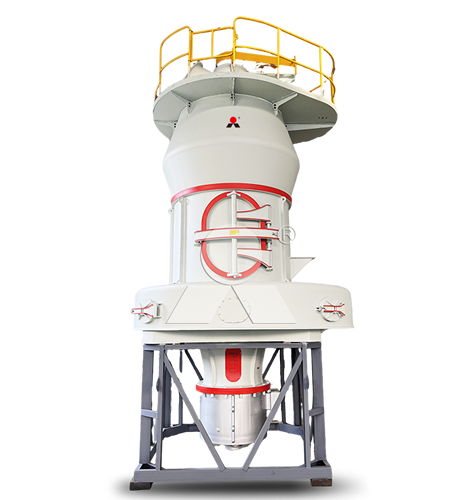
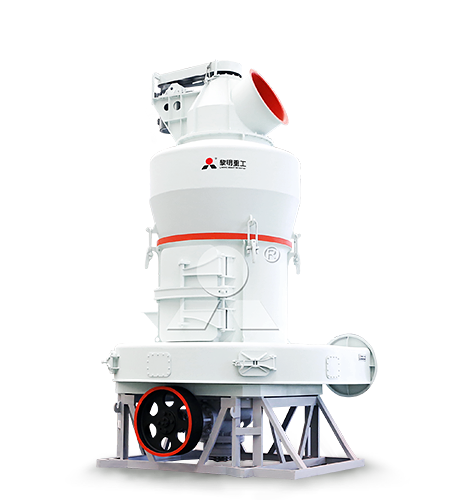
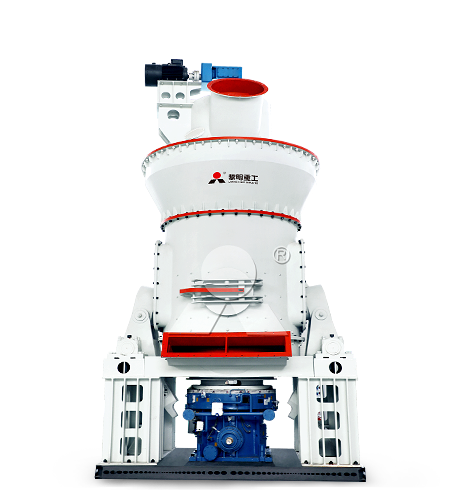
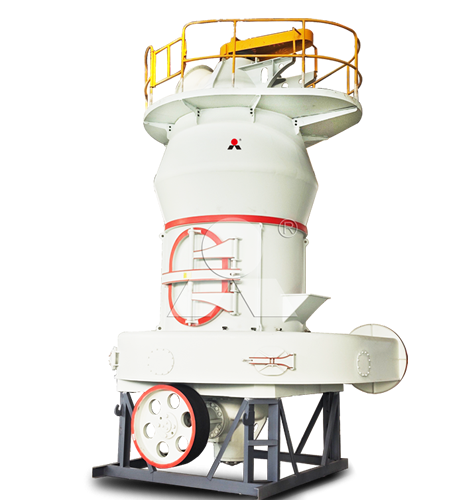
MTW European Grinding Mill, LM Vertical Roller Mill and Raymond mill can be considered for suitable citrogypsum after material evaluation and feed preparation.
MTW European Grinding Mill
MTW European Grinding Mill is suitable for small-to-medium capacity citrogypsum powder projects with prepared, relatively stable feed. It can provide controlled conventional powder fineness when free moisture is within the designed operating range.
If citrogypsum arrives as wet filter cake, upstream dewatering, drying and deagglomeration may be required before MTW grinding. The mill controls particle size but does not remove residual citrate, acidity or other unsuitable constituents.
LM Vertical Roller Mill
LM Vertical Roller Mill is suitable for medium-to-large capacity citrogypsum processing and projects with meaningful drying demand. It can integrate drying, grinding and classification when the material condition, available heat source and process design support this configuration.
This can be useful for moist citrogypsum requiring continuous high-output powder production. The system should be designed around actual free-moisture variation, drying load, target fineness and finished-powder capacity.
Raymond Mill
Raymond mill can be considered for conventional citrogypsum powder production with moderate output requirements and dry or pre-dried, stable feed. It is generally suitable when the project does not require major integrated drying duty.
If the material is wet, sticky or variable in moisture, the project should improve feed preparation before selecting a Raymond mill.
Citrogypsum Grinding vs. Citrogypsum Calcination
Grinding and calcination serve different purposes. Grinding reduces particle size and produces controlled dihydrate gypsum powder. Calcination removes part of the chemically bound water in calcium sulfate dihydrate and converts the material into hemihydrate gypsum, commonly called stucco or plaster of Paris.
Use grinding only when the target product is dihydrate gypsum powder for cement, industrial blending or another qualified use. Add controlled calcination when the target product is plaster, gypsum board feed, blocks or another settable gypsum material.
Citrogypsum with residual citric acid requires special attention during calcination and product testing because residual citrate can affect the hydration and setting behavior of the calcined gypsum product.
Quality Control for Reused Citrogypsum
A reuse project should establish acceptance limits for the incoming material and finished powder. Testing should continue during regular operation because citrogypsum quality can change with citric acid production conditions.
Typical quality-control items include:
Calcium sulfate dihydrate content
Free moisture and finished-powder moisture
Residual citric acid and citrate-related compounds
pH and soluble salts
Particle-size distribution and sieve residue
Bulk density and powder flowability
Setting time and water demand for plaster applications
SO3 contribution and cement performance for cement applications
Strength, density and dimensional stability for building-material applications
Color, odor and other customer-specific requirements
Common Challenges
Variable residual citrate
Residual citrate can change setting time and product behavior. If the concentration varies from batch to batch, the finished gypsum powder may not perform consistently in plaster, cement or gypsum-based building materials.
High moisture and caking
Citrogypsum filter cake can be wet and cohesive. Without proper dewatering, drying and storage control, the material may bridge in hoppers, stick to equipment and cake after grinding.
Organic matter and color
Organic residues may affect color, odor, calcination behavior and customer acceptance. These factors can be especially important for visible plaster, decorative products and gypsum board applications.
Using grinding as a substitute for treatment
Fine grinding does not remove citric acid, citrate, soluble salts or other impurities. If the material fails application testing, the solution may require source-process improvement, washing, neutralization, blending, a different product formulation or selection of another reuse route.
Recommended Project Sequence
Identify the citric acid production route and citrogypsum source.
Collect representative samples from normal production and storage conditions.
Test gypsum content, moisture, residual citrate, pH, organic matter, impurities and physical condition.
Define the intended final application and its quality requirements.
Determine whether washing, neutralization, dewatering, drying or blending is required.
Set target fineness, finished-powder moisture and production capacity.
Select MTW European Grinding Mill for prepared small-to-medium capacity powder production.
Select LM Vertical Roller Mill for higher-capacity projects or integrated drying requirements.
Select Raymond mill for conventional processing with dry, stable and adequately prepared feed.
Add calcination only if the target product requires hemihydrate gypsum.
Validate the finished material through cement, plaster, mortar or other end-use trials.
Maintain routine quality control for incoming material and finished product.
Conclusion
Citrogypsum is a calcium sulfate-containing industrial by-product from citric acid production. It can potentially become a useful secondary gypsum resource for cement, plaster, gypsum-based building materials and selected industrial applications when its composition and physical behavior are properly controlled.
The key technical issue is residual citrate and other process-related impurities. These can affect setting behavior, fluidity, calcination response and final-product consistency. A successful project therefore begins with material analysis, then selects the necessary washing, neutralization, dewatering, drying and grinding steps.
MTW European Grinding Mill is suitable for prepared small-to-medium capacity citrogypsum powder projects. LM Vertical Roller Mill is suitable for higher-capacity lines and materials requiring drying integration. Raymond mill is suitable for conventional powder production with dry, stable and properly conditioned feed. Final equipment selection should follow representative testing and confirmed end-use requirements.
Related Industrial By-product Gypsum Solutions


LIMING at MiningMetals Uzbekistan 2026 | Booth B94
2026-10-22

LIMING Heavy Industry at MINEXPO Africa 2026 | Booth 133
2026-10-22
Liming Heavy Industry to Exhibit at bauma CHINA 2026 – Visit Us at Booth E6.510
2026-10-15
Meet Liming Heavy Industry at the 140th Canton Fair 2026
2026-10-13
Liming Heavy Industry to Attend the 140th Canton Fair
2026-09-25
Complete Mineral Processing Solutions
Convenient Reliable Professional Efficient Get Your Quote
Please feel free to submit your inquiry information to us. We will contact with you as soon as possible.
Our team will contact you as soon as possible.