


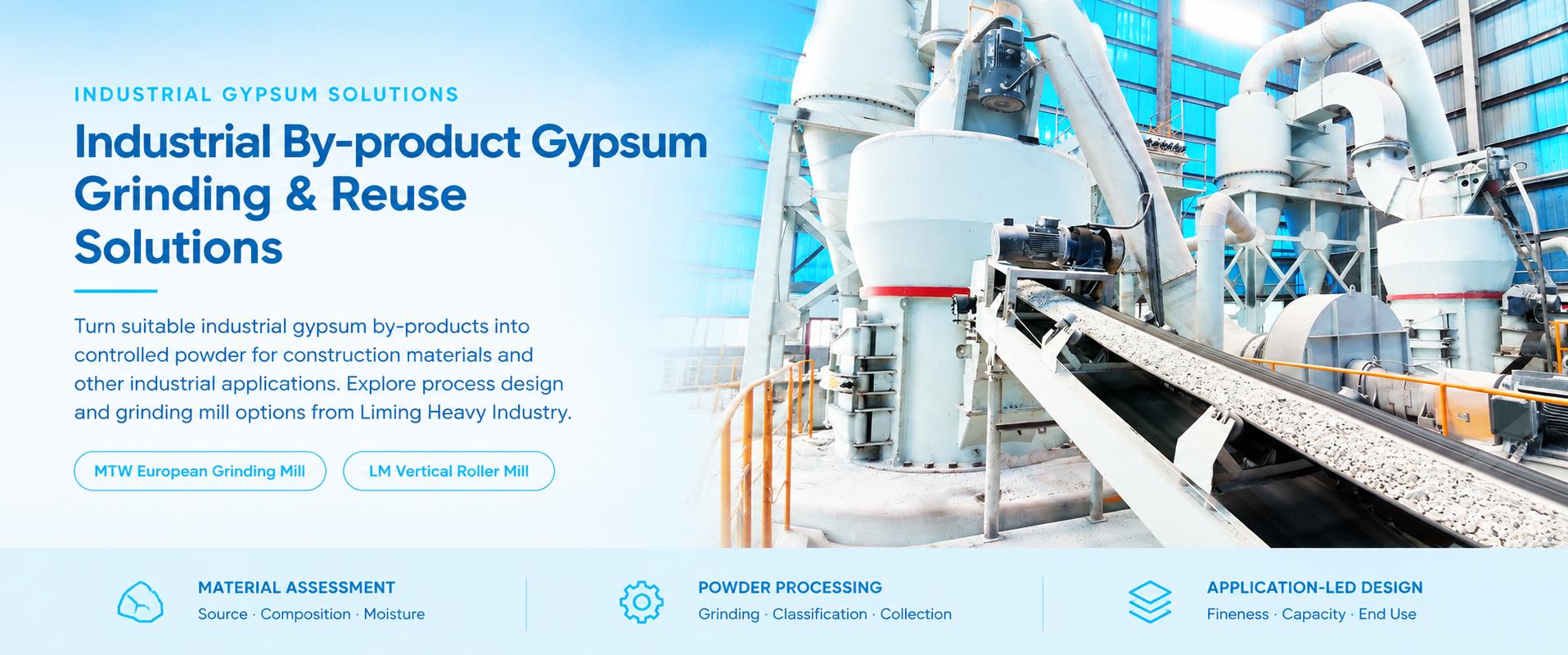
A gypsum grinding mill can process anywhere from a few tonnes per hour to well above 100 tonnes per hour, depending on the mill type, feed moisture, target fineness, gypsum source and whether drying is included. For industrial by-product gypsum, a realistic capacity must be quoted as tonnes per hour of finished powder at a specified fineness and final moisture level—not simply as wet-feed tonnage.
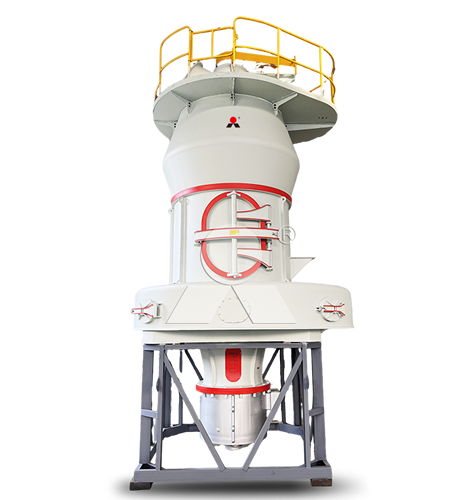
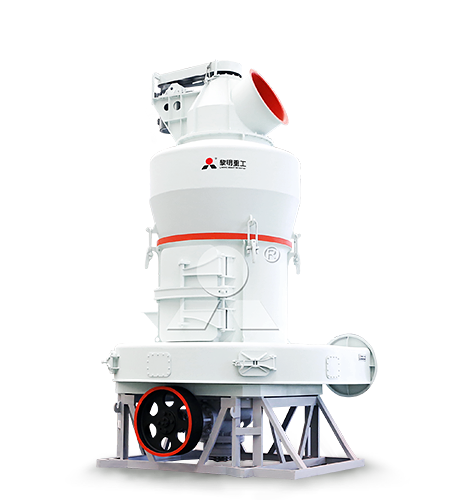
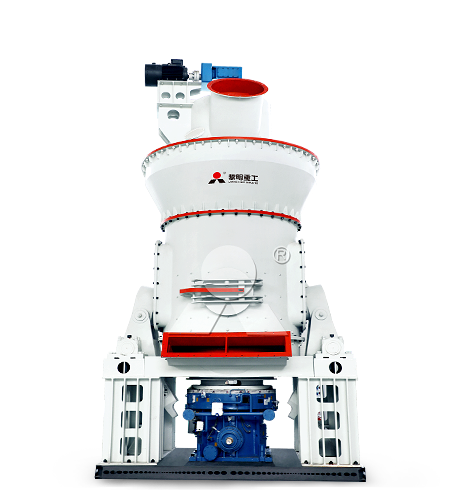
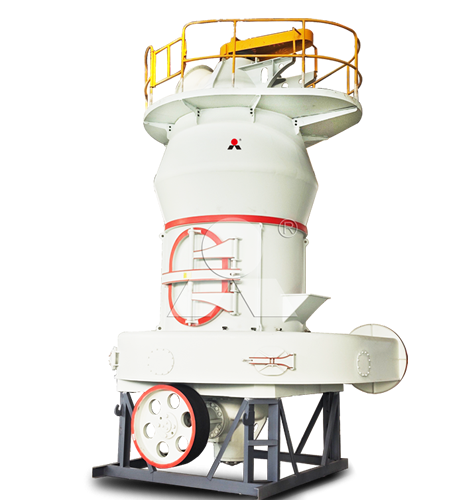
For conventional gypsum powder production, MTW European Grinding Mill is commonly suitable for small-to-medium capacity projects, Raymond mill for moderate output with dry and stable feed, and LM Vertical Roller Mill for higher-capacity projects or systems requiring integrated drying, grinding and classification.
Typical Hourly Capacity Ranges
| Grinding system | Typical gypsum capacity direction | Best-fit feed condition | Typical application |
|---|---|---|---|
| Raymond Mill | Small to medium capacity, commonly several tonnes per hour to tens of tonnes per hour | Dry or pre-dried, stable and adequately prepared gypsum | Conventional gypsum powder for cement, building materials and industrial use |
| MTW European Grinding Mill | Approximately 3–55 t/h, depending on model and conditions | Prepared gypsum with controlled moisture and stable feed size | Small-to-medium capacity conventional gypsum powder production |
| LM Vertical Roller Mill | Medium to high capacity, typically tens of tonnes per hour and potentially much higher by model | Prepared gypsum with moderate moisture or projects requiring drying integration | High-capacity continuous gypsum powder production |
Liming Heavy Industry lists MTW European Type Raymond Mill at a nominal capacity of 3–55 t/h, although actual gypsum output depends on feed size, moisture, target fineness and system configuration.
Liming Heavy Industry describes LM Vertical Mill as integrating grinding, drying and classification, with published capacity ranges from 10–250 t/h and, in certain listed configurations, up to 400 t/h. These are equipment ranges rather than guaranteed gypsum outputs; the selected model must be matched to actual material data and product requirements.
For reference, Liming’s own selection guidance describes Raymond mills as suitable for dry, medium-capacity powder production in the approximate 80–325 mesh range, while vertical roller mills are intended for higher output and higher-moisture feed with integrated drying capability.
Capacity Must Be Quoted Correctly
When a supplier says “20 tonnes per hour,” ask what that number means. A useful gypsum capacity quotation should state:
Gypsum source: natural gypsum, FGD gypsum, phosphogypsum or another by-product
Feed moisture: minimum, average and maximum
Feed form: loose powder, filter cake, compacted lumps or stockpile material
Maximum feed size and degree of agglomeration
Target powder fineness and test method
Finished-powder moisture target
Finished dry-powder capacity in tonnes per hour
Whether drying is included in the system
Operating schedule and annual production target
Without these details, the capacity number cannot be compared fairly between mills or suppliers.
Wet Feed vs. Finished Powder Output
Wet industrial gypsum contains water that must be removed before the finished powder is stored or sold. This means wet-feed throughput is always higher than dry-powder output when drying is required.
For example, assume a plant receives 25 tonnes per hour of FGD gypsum at 16% free moisture and must produce powder at 2% moisture:
Wet feed: 25 tonnes per hour
Dry solids in the feed: 25 × 84% = 21 tonnes per hour
Finished powder at 2% moisture: 21 ÷ 98% = approximately 21.4 tonnes per hour
Water removed: 25 − 21.4 = approximately 3.6 tonnes per hour
The plant therefore needs to produce about 21.4 tonnes per hour of finished powder and evaporate about 3.6 tonnes of water per hour. The mill, dryer or hot-gas system, fan, classifier, bag filter and conveying equipment must all be selected for this duty.
Factors That Change Hourly Capacity
The same mill can produce very different gypsum outputs under different operating conditions. The main capacity factors are listed below.
Target fineness
Finer gypsum powder generally reduces capacity. A mill can normally produce more tonnes per hour at 100 mesh than at 325 mesh because finer powder requires more grinding and a stricter classifier cut point.
For conventional gypsum powder, 80–325 mesh is a common working range for Raymond-type systems. Higher fineness requires more grinding energy and can reduce the finished-powder rate.
Feed moisture
High free moisture lowers practical output because it creates a drying load, reduces feed flowability and can cause buildup in the mill and classifier. Wet FGD gypsum filter cake and phosphogypsum may require dewatering, separate drying or integrated drying in an LM Vertical Roller Mill.
For MTW European Grinding Mill and Raymond mill, feed should normally be dry or adequately conditioned. If material is wet and sticky, upstream drying and deagglomeration are often required before stable grinding.
Feed size and agglomeration
Fine primary gypsum crystals can still form large wet lumps during filtration, transport and storage. Oversized or compacted material can reduce feed stability and lower output.
Screening, crushing, lump breaking or deagglomeration may be necessary before the gypsum enters the mill. A steady and uniform feed improves capacity, fineness consistency and operating reliability.
Gypsum source and impurities
Natural gypsum, FGD gypsum, phosphogypsum and other industrial gypsum sources can grind differently. Moisture, soluble salts, residual process chemicals, silica, ash, iron-bearing material or other impurities may affect feed behavior, wear, drying demand and final-product quality.
For example, FGD gypsum may have high moisture after filtration, while phosphogypsum may have moisture variation and impurity-control requirements. Capacity should be evaluated using representative material, not a generic gypsum assumption.
Drying requirement
When drying is included, the available evaporation capacity can limit the whole plant. If the dryer or integrated hot-gas system cannot remove enough water, increasing the mill feed rate will not increase finished-powder output.
LM Vertical Roller Mill can integrate drying, grinding and classification, making it suitable for larger gypsum projects with meaningful drying demand. A separate dryer followed by MTW European Grinding Mill or Raymond mill can be suitable for moderate-capacity projects with wet feed.
Classifier and airflow settings
The classifier controls final powder fineness. A tighter setting produces finer powder but may return more coarse material to the grinding zone, increasing circulating load and reducing finished-powder capacity.
Airflow must also be balanced. Insufficient airflow can reduce powder transport and classification efficiency, while excessive airflow can increase dust-collector load or allow coarse particles into the finished product.
Maintenance and operating condition
Worn grinding rollers, rings, table liners, classifier components, filters, fans and seals can reduce output. Stable capacity depends on preventive maintenance and regular checks of grinding pressure, feed rate, airflow, filter pressure drop and final powder fineness.
MTW European Grinding Mill Capacity for Gypsum
MTW European Grinding Mill is suitable for prepared gypsum at small-to-medium capacity. The actual hourly rate depends on selected model, feed condition and target fineness.
Liming Heavy Industry’s published MTW European Type Raymond Mill range is 3–55 t/h. The fine end of its listed discharge range is 0.038 mm, approximately 400 mesh under common screen references.
For gypsum, MTW European Grinding Mill is a practical choice when:
The project needs conventional powder fineness.
Feed moisture is controlled or separate drying is available.
Capacity is small to medium rather than very high.
The gypsum feed has been deagglomerated and can be fed consistently.
The plant needs stable classification and a compact conventional grinding system.
Published model-selection examples for 100-mesh gypsum show the importance of model size: one example lists an MTW138Z at approximately 6–17 t/h and an MTW175G at approximately 9.5–25 t/h for gypsum, with the actual figure depending on material and operating conditions.
LM Vertical Roller Mill Capacity for Gypsum
LM Vertical Roller Mill is suitable for medium-to-large and high-capacity gypsum projects. It is particularly useful when the material has moderate moisture and the plant benefits from integrating drying, grinding and classification.
LM Vertical Roller Mill is a strong option when:
The project requires continuous high-output production.
FGD gypsum or another feed has meaningful moisture or drying demand.
A suitable hot-gas source is available.
The site benefits from a compact, integrated process layout.
The finished powder must be produced at a stable fineness and moisture level.
Published LM Vertical Mill information lists a nominal capacity range of 10–400 t/h across configurations. Actual gypsum capacity must be calculated from the selected model, feed moisture, target fineness, evaporation load and final product specification.
Raymond Mill Capacity for Gypsum
Raymond mill can be used for conventional gypsum powder production with moderate capacity requirements. It is generally suitable for dry, stable and pre-treated feed rather than high-moisture filter cake.
Smaller Raymond-type gypsum mills can process several tonnes per hour. One published plaster-production example lists a gypsum grinding capacity of approximately 1.2–4.5 t/h for a small mill, while larger Raymond-type systems can process higher quantities depending on model, feed size and fineness.
Raymond mill is most appropriate when:
The required output is moderate.
The gypsum is dry or pre-dried.
Feed size and material flow are stable.
The product is conventional gypsum powder, typically in the standard industrial fineness range.
Major integrated drying duty is not required.
Example Capacity Selection
| Project condition | Likely mill direction | Why |
|---|---|---|
| 5 t/h of 150-mesh dry gypsum powder | Raymond mill or smaller MTW European Grinding Mill | Moderate output with dry, stable feed and conventional fineness. |
| 15 t/h of 200-mesh prepared FGD gypsum powder | MTW European Grinding Mill | Small-to-medium capacity with controlled feed and conventional powder requirement. |
| 30 t/h of 200-mesh FGD gypsum powder from moist filter cake | LM Vertical Roller Mill or separate dryer plus MTW system | Drying load and continuous capacity are central design factors. |
| 50 t/h of controlled gypsum powder with moisture variation | LM Vertical Roller Mill | High output and integrated drying, grinding and classification may provide a more stable system. |
| 10 t/h of phosphogypsum powder with impurity-treatment requirement | Process treatment first, then mill selection | Grinding capacity is secondary to chemical qualification, washing, neutralization or drying needs. |
These examples are process-selection directions, not final equipment guarantees. Final capacity must be confirmed through representative material analysis, moisture data, required fineness and process calculation.
How to Increase Gypsum Grinding Capacity
Increasing feed rate alone does not always increase finished-powder output. The best approach is to improve the complete process system.
Keep raw-material moisture within the designed range.
Use covered storage to reduce rain exposure and feed variation.
Break filter-cake lumps and compacted material before grinding.
Use stable, adjustable feeding equipment.
Match drying capacity to the highest normal moisture condition.
Set the classifier for the required fineness rather than maximum throughput.
Maintain airflow, ducts, filters and fans.
Inspect grinding components and replace worn parts on schedule.
Protect finished powder from moisture absorption in silos and packaging.
Monitor capacity as finished dry powder, not wet feed.
Information Needed for an Accurate Capacity Estimate
To estimate how much gypsum a grinding mill can process per hour, provide:
Gypsum type: natural gypsum, FGD gypsum, phosphogypsum or another industrial by-product
Representative chemical analysis and gypsum content
Minimum, average and maximum feed moisture
Feed form: filter cake, powder, lumps or stockpile material
Maximum feed size and degree of agglomeration
Required final powder fineness and test method
Required finished-powder moisture
Required finished-powder capacity in tonnes per hour
Final application: cement, gypsum board, plaster, dry mortar or another product
Need for washing, dewatering, drying or calcination
Available heat source if drying is required
Operating hours per day and annual production target
Conclusion
Gypsum grinding capacity can range from a few tonnes per hour to more than 100 tonnes per hour, depending on the mill type and process conditions. MTW European Grinding Mill typically covers prepared small-to-medium capacity projects, with a published nominal range of 3–55 t/h. Raymond mill is suitable for moderate output with dry, stable feed. LM Vertical Roller Mill is suitable for higher-capacity gypsum production, especially when drying needs to be integrated.
The true capacity should always be stated as finished dry gypsum powder at the required fineness and moisture level. Feed moisture, agglomeration, gypsum source, drying duty, classifier setting and maintenance condition can all change hourly output significantly. A representative material test and process calculation are essential before a final mill capacity is selected.
Related Industrial By-product Gypsum Solutions


LIMING at MiningMetals Uzbekistan 2026 | Booth B94
2026-10-22

LIMING Heavy Industry at MINEXPO Africa 2026 | Booth 133
2026-10-22
Liming Heavy Industry to Exhibit at bauma CHINA 2026 – Visit Us at Booth E6.510
2026-10-15
Meet Liming Heavy Industry at the 140th Canton Fair 2026
2026-10-13
Liming Heavy Industry to Attend the 140th Canton Fair
2026-09-25
Complete Mineral Processing Solutions
Convenient Reliable Professional Efficient Get Your Quote
Please feel free to submit your inquiry information to us. We will contact with you as soon as possible.
Our team will contact you as soon as possible.