


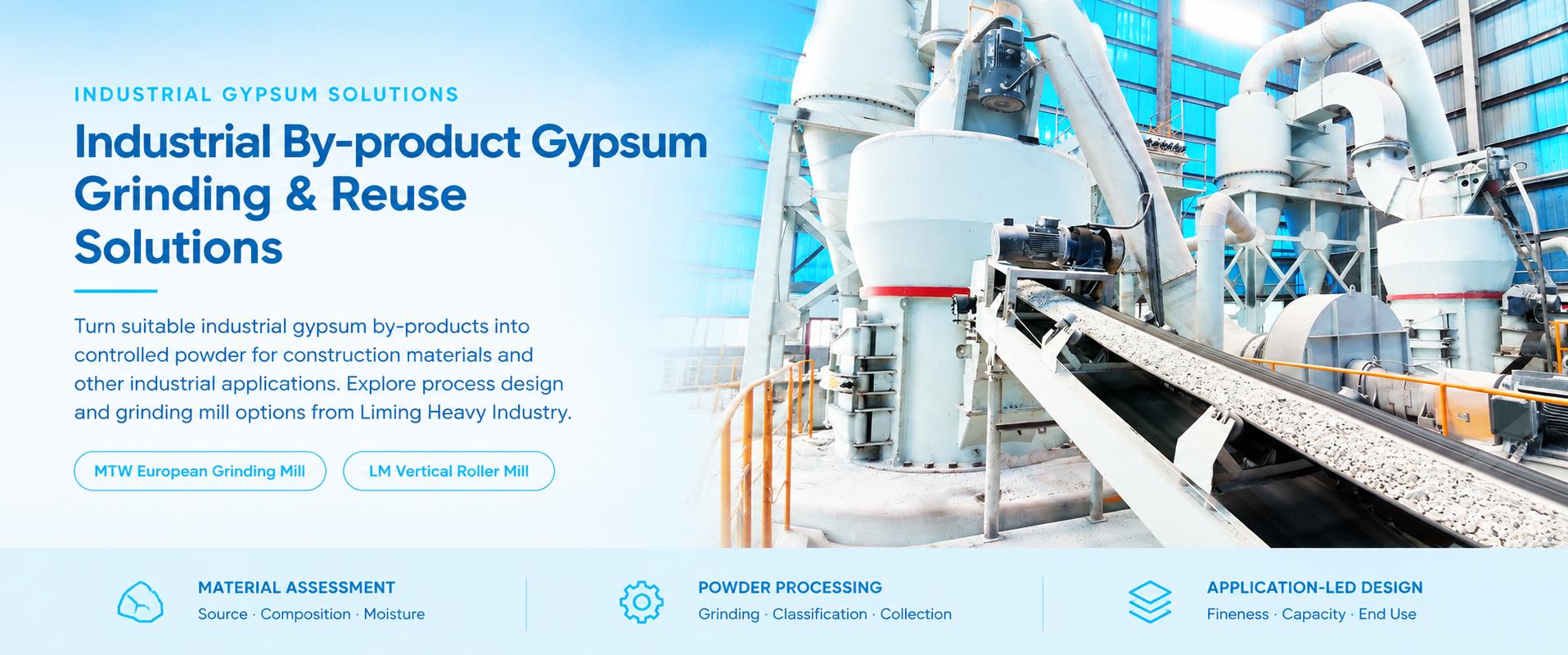
Industrial by-product gypsum is a gypsum-containing material generated during industrial production rather than mined directly from a natural gypsum deposit. Depending on its source, it may contain calcium sulfate dihydrate, moisture, soluble salts, residual process chemicals, fine particles and other impurities. Its reuse potential therefore depends on material quality, local regulations, the intended product and the suitability of the selected processing route.
For manufacturers and project investors, industrial by-product gypsum should not be treated as a single, uniform raw material. FGD gypsum, phosphogypsum, citrogypsum, titanogypsum, fluorogypsum and borogypsum can differ significantly in composition, moisture, storage condition and end-use requirements. A practical reuse program begins with material testing, followed by process selection, grinding, classification and quality control.
What Is Industrial By-product Gypsum?
Gypsum is generally a calcium sulfate mineral, commonly represented as calcium sulfate dihydrate. Natural gypsum is extracted from geological deposits, while industrial by-product gypsum is formed through chemical reactions, gas-cleaning systems or other manufacturing processes.
Many industrial processes generate calcium sulfate-containing solids. In suitable cases, these materials can be processed into usable powder products rather than being sent only to long-term storage or disposal. However, industrial gypsum is not automatically equivalent to natural gypsum. Before reuse, its physical and chemical properties must be evaluated against the requirements of the planned application.
Common Types of Industrial By-product Gypsum
FGD gypsum
FGD gypsum is produced by flue-gas desulfurization systems, especially wet systems used to remove sulfur dioxide from industrial exhaust gas. When the process uses limestone or lime and includes oxidation, the resulting material can contain calcium sulfate dihydrate. FGD gypsum is often referred to as synthetic gypsum.
Its quality can vary according to fuel source, desulfurization technology, oxidation performance, washing conditions and storage practices. In many cases, moisture management, stable feeding and particle-size control are important parts of the processing line. FGD gypsum has been used as a substitute for mined gypsum in certain wallboard, cement, agricultural and industrial applications when it meets applicable specifications.
Phosphogypsum
Phosphogypsum is generated during phosphoric acid and phosphate fertilizer production. It is produced in large volumes and can contain gypsum together with residual phosphate, fluoride-related compounds, organic matter, soluble salts and other source-specific constituents.
Its reuse route must be evaluated carefully. Grinding can improve particle-size distribution and make the material easier to dose, transport or blend, but grinding alone does not remove impurities or confirm that the material is suitable for a specific end use. Chemical analysis, relevant regulatory review and application-specific testing should be completed before a phosphogypsum reuse project is designed. Phosphogypsum management and permitted reuse routes differ substantially by country and region.
Citrogypsum
Citrogypsum is associated with citric acid production and related chemical processes. Its water content, particle characteristics and chemical composition may vary with the production route and filtration performance. Before grinding, the material should be checked for moisture, free water, handling behavior and the requirements of the intended final product.
Titanogypsum
Titanogypsum is associated with titanium dioxide production and process residues. It may contain gypsum together with residual compounds from the original production process. A source-specific evaluation is necessary because composition, moisture and impurity content can vary between plants and process routes.
Fluorogypsum and borogypsum
Fluorogypsum can arise from industrial processes involving fluorine-containing materials, while borogypsum is associated with boric acid and borate processing. Both materials require individual evaluation before reuse. The key question is not only whether the material can be ground, but whether its chemical characteristics and impurity profile are compatible with the final application.
Why Reuse Industrial By-product Gypsum?
When a by-product gypsum source is suitable for reuse, processing can convert a secondary industrial material into a controlled powder feedstock. This may reduce storage pressure, lower the need for virgin mineral raw materials and create a usable material stream for downstream manufacturing.
Reuse also supports a more efficient material cycle. Gypsum can be used repeatedly in certain applications because it can be processed and incorporated into new gypsum-based products when material quality is controlled. The practical benefit, however, depends on whether the recycled or industrial gypsum meets technical, environmental and commercial requirements for the planned use.
The value of an industrial gypsum project is usually determined by four factors:
Whether the source material has a stable and suitable composition
Whether impurities and moisture can be managed within the planned process
Whether there is a qualified local or regional end-use market
Whether the processing cost is justified by the value of the finished gypsum powder
How Can Industrial By-product Gypsum Be Reused?
Industrial by-product gypsum may be considered for several applications after suitable testing and processing. The actual reuse route should be selected according to material quality and the specifications of the end user.
Gypsum board and wallboard production
Suitable gypsum material may be used as a raw material for gypsum board production. This application requires reliable quality control because board manufacturing depends on consistent setting behavior, chemical composition, moisture control and particle-size distribution. FGD gypsum has been widely used in wallboard production in some markets when it meets required standards and quality conditions.
Cement production
Gypsum is commonly used in cement production to help control setting time. Industrial gypsum powder may be considered as a cement additive or corrective material when its composition, moisture and impurities are compatible with the cement plant’s process and product requirements.
For cement applications, stable dosing is important. The gypsum powder should have an appropriate fineness for mixing and handling, while excessive moisture can affect storage, conveying and milling efficiency. The final decision should be based on laboratory testing and cement plant specifications.
Gypsum plaster, mortar and building materials
Selected industrial gypsum can be processed for use in plaster, dry mortar and other gypsum-based building materials. These applications are sensitive to gypsum quality, setting characteristics, impurities and product consistency. Depending on the final formulation, the producer may need to control fineness, moisture and powder flowability.
Agricultural and soil-related uses
In some regions and under appropriate conditions, certain industrial gypsum materials may be used in agriculture as a calcium and sulfur source or as a soil amendment. This is not a universal reuse route. It depends on the source material, contaminant profile, local regulations, soil conditions and application method.
For example, the U.S. Environmental Protection Agency has evaluated the beneficial use of FGD gypsum in agricultural settings and found no concerns for the vast majority of modeled scenarios, while also emphasizing the importance of use conditions and evaluation methods.
Other industrial applications
Additional reuse options may include specialized fillers, chemical processing, soil stabilization, cementitious materials or other industrial products. Each route must be verified individually. A material suitable for cement use may not be suitable for gypsum board, and a material that can be used in one country may face different technical or regulatory requirements in another market.
Material Testing Before Reuse
Material testing should come before equipment selection. A grinding mill can reduce particle size, but it cannot solve every raw-material problem. Before designing an industrial by-product gypsum processing line, the project team should obtain representative samples and analyze the material over a sufficient period if the source quality changes during production.
The following information is especially useful:
Gypsum content and calcium sulfate form
Chemical composition and major impurities
Moisture content and variation during storage
Particle-size distribution and feed size
Bulk density, flowability and tendency to agglomerate
Soluble salts and other application-specific indicators
Target product fineness
Required production capacity
Planned end use and applicable product requirements
For materials such as phosphogypsum, analysis may also need to address source-specific constituents and any requirements related to radiological, environmental or product compliance. The required test program should be determined by the local regulatory framework and the target application rather than by a generic equipment specification.
Typical Industrial Gypsum Processing Route
A typical industrial by-product gypsum processing line can include feeding, pre-treatment, drying when required, grinding, classification, powder collection, storage and packing or bulk dispatch. Not every project needs every stage, but each stage should be evaluated according to the material condition and target product.
Feeding and pre-treatment
Industrial gypsum may arrive as filter cake, moist powder, lumps or mixed material. Stable feeding is essential because large fluctuations in moisture or feed rate can reduce grinding efficiency and make product quality less consistent. If the feed contains oversized lumps or compacted material, pre-treatment or crushing may be necessary.
Drying
Moisture is one of the most important factors in industrial gypsum processing. High moisture can cause sticking, poor flow, mill instability, blockage in conveying equipment and reduced classification efficiency. Depending on the feed condition and the selected mill system, drying may be installed as a separate stage or integrated with grinding.
Drying conditions should be selected carefully. The objective is not simply to use the highest possible temperature, but to reach the required moisture level while protecting product quality and maintaining stable operation.
Grinding and classification
Grinding reduces the material to the fineness required by the application. Classification separates fine product from coarse particles and helps control the final particle-size distribution. For conventional industrial gypsum powder, the required fineness may vary according to cement use, gypsum board production, mortar production or another downstream process.
Grinding should be selected around the target fineness, hourly capacity, feed size, moisture, abrasion, site layout and the need for drying integration. A mill that performs well for dry, stable FGD gypsum may not be the best choice for a wet or highly variable phosphogypsum feed.
Collection and storage
After classification, the powder is collected and transferred to storage, packing or bulk-loading equipment. Dust collection, sealing and controlled conveying are important for maintaining a clean production environment and reducing powder loss. Finished powder storage should also protect the product from moisture absorption and contamination.
Which Grinding Mill Is Suitable for Industrial By-product Gypsum?
The right mill depends on the characteristics of the gypsum feed and the required final powder. For industrial by-product gypsum projects, MTW European Grinding Mill, LM Vertical Roller Mill and Raymond mill solutions can be evaluated according to project scale and material condition.
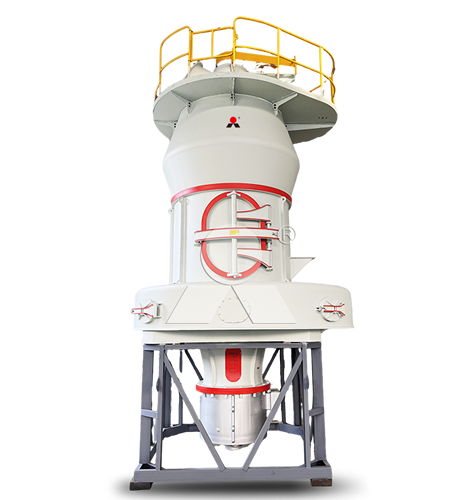
MTW European Grinding Mill
MTW European Grinding Mill is a practical option for small-to-medium capacity industrial gypsum powder production. It is suitable for projects that require controlled powder fineness, stable classification and a compact grinding system. It can be considered where the material has been prepared appropriately and where the project does not require the very high throughput associated with a large vertical mill installation.
For by-product gypsum, the feed moisture and handling condition should be checked before selecting an MTW solution. If the material is too wet or sticky, upstream drying or other feed preparation may be required to maintain reliable operation.
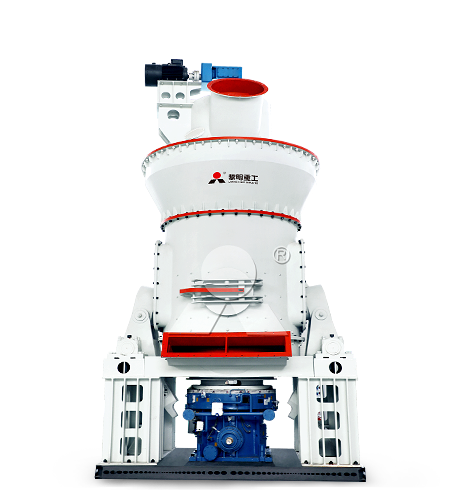
LM Vertical Roller Mill
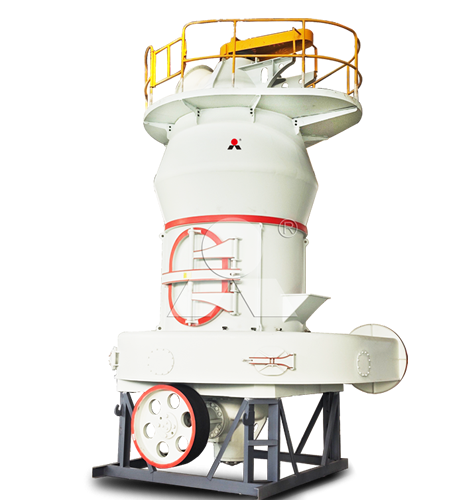
LM Vertical Roller Mill is suitable for larger-capacity gypsum grinding projects. Its compact process layout can support the integration of grinding, classification and, where appropriate, drying. This makes it especially relevant where the feed has significant moisture or where the project requires a high-capacity and continuous production system.
LM Vertical Roller Mill selection should be based on actual feed data. Material moisture, drying demand, heat source, target fineness, required output and downstream storage conditions all affect the final system design.
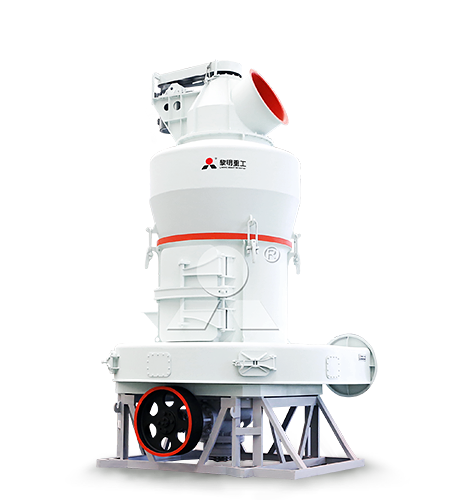
Raymond Mill
Raymond mill can be considered for conventional gypsum powder processing, especially for projects with moderate output requirements and relatively stable feed conditions. It is generally suitable for applications that need standard industrial gypsum powder rather than an integrated high-capacity grinding and drying system.
As with other grinding equipment, a Raymond mill should be selected only after confirming feed size, moisture, final fineness, hourly capacity and material handling requirements.
How to Choose a Reuse Route for Industrial Gypsum
A reliable project decision follows the material rather than starting with a preferred machine. The recommended sequence is to first identify the gypsum source, then test the material, define the final product and select the processing route.
Identify the industrial gypsum source and production process.
Collect representative samples, including samples from different production periods where material quality may vary.
Complete chemical, moisture, particle-size and application-related testing.
Define the target market, such as cement, gypsum board, plaster, mortar or another approved use.
Set product specifications for fineness, moisture, capacity and quality consistency.
Choose the required pre-treatment, drying, grinding, classification and collection stages.
Select MTW European Grinding Mill, LM Vertical Roller Mill or Raymond mill according to the confirmed project conditions.
Verify final product performance through trials and quality-control procedures before full-scale production.
Key Considerations for a Successful Project
The most successful industrial by-product gypsum reuse projects combine material testing with a realistic end-use plan. Equipment capacity alone does not determine project viability. A high-output grinding line has little value if the powder does not meet the needs of the local cement plant, board producer or building-material manufacturer.
Project planning should focus on consistency. If the source material changes sharply in moisture, gypsum content or impurity level, the processing line may need more flexible feed control, drying capacity, blending arrangements or quality monitoring. If the material quality is stable and the end-use specification is clear, the grinding system can be designed more efficiently.
Industrial by-product gypsum can become a useful secondary raw material, but it should be evaluated as a project-specific material rather than a guaranteed replacement for natural gypsum. With proper analysis, suitable processing and a matched end-use market, FGD gypsum, phosphogypsum and other industrial gypsum by-products may support valuable powder applications in construction materials and industrial production.
Related Industrial By-product Gypsum Solutions


LIMING at MiningMetals Uzbekistan 2026 | Booth B94
2026-10-22

LIMING Heavy Industry at MINEXPO Africa 2026 | Booth 133
2026-10-22
Liming Heavy Industry to Exhibit at bauma CHINA 2026 – Visit Us at Booth E6.510
2026-10-15
Meet Liming Heavy Industry at the 140th Canton Fair 2026
2026-10-13
Liming Heavy Industry to Attend the 140th Canton Fair
2026-09-25
Complete Mineral Processing Solutions
Convenient Reliable Professional Efficient Get Your Quote
Please feel free to submit your inquiry information to us. We will contact with you as soon as possible.
Our team will contact you as soon as possible.