


Summary:
Calcite powder is produced by crushing raw calcite ore, then grinding it through a Raymond mill, vertical roller mill, or ultrafine mill depending on the target mesh range, followed by air classification and dust collection to meet the specific whiteness, fineness, and purity requirements of the end application.
Details:
Calcite powder is produced by crushing raw calcite ore, then grinding it through a Raymond mill, vertical roller mill, or ultrafine mill depending on the target mesh range, followed by air classification and dust collection to meet the specific whiteness, fineness, and purity requirements of the end application. The production route changes significantly depending on whether the powder is destined for plastics filler, paint, rubber, feed additive, or construction material use, since each industry sets different limits on particle size, whiteness, and residual impurities.
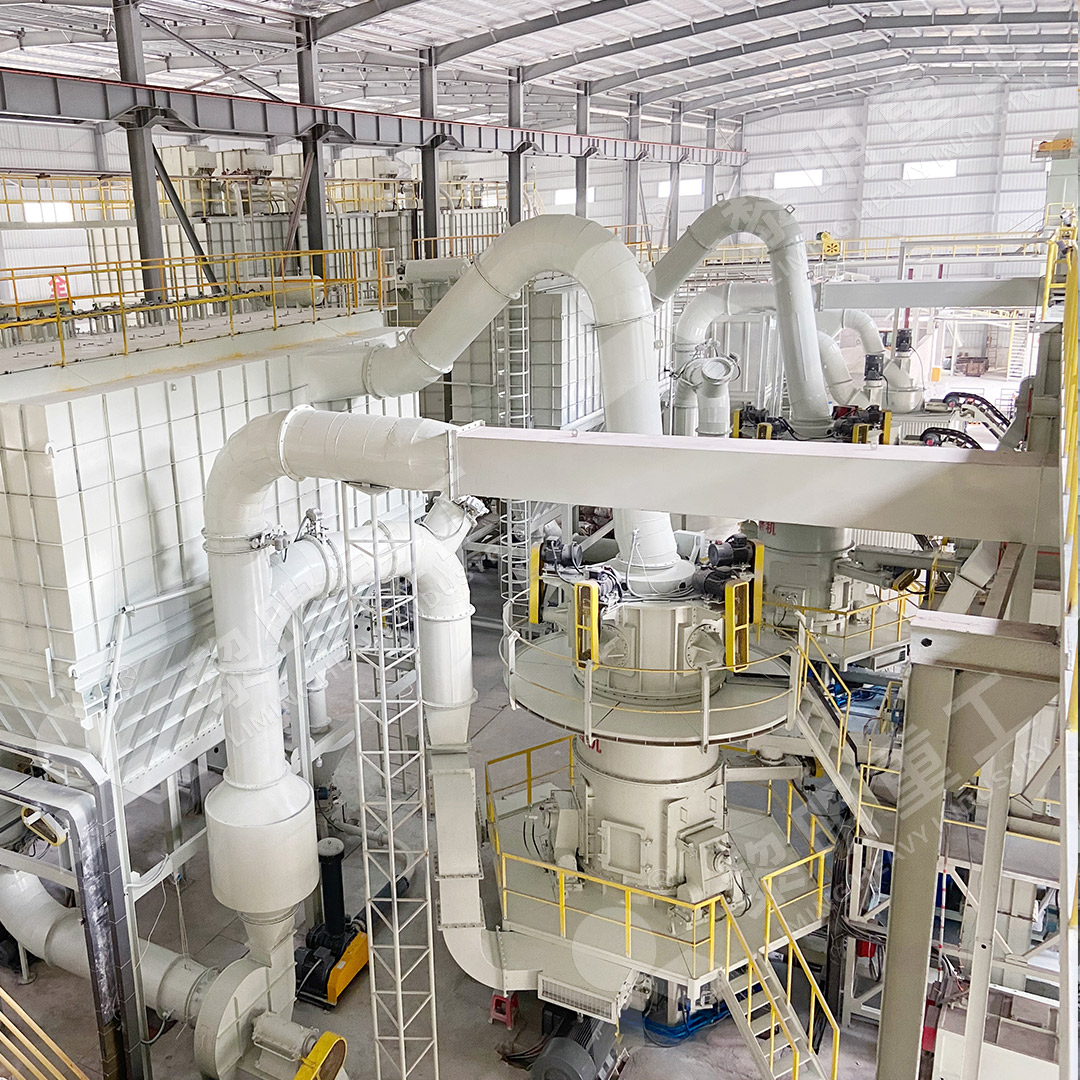
In more than two decades of designing non-metallic mineral grinding lines, calcite has been one of the most deceptively simple materials to process. Its low hardness makes grinding easy, but the wide range of downstream specifications means a plant designed for one application often fails to satisfy another without reconfiguration.
What Makes Calcite Different From Other Carbonate Minerals
Calcite is the crystalline form of calcium carbonate, typically containing 96 to 99 percent CaCO3 in workable deposits, with hardness around Mohs 3, which places it among the easiest industrial minerals to grind. Because of this low hardness, energy consumption during grinding is relatively low, often in the range of 15 to 25 kWh per ton depending on target fineness, but the tradeoff is that fine calcite particles are prone to agglomeration if moisture or electrostatic buildup is not controlled during classification.
Matching Fineness to the Target Industry
| Application | Typical Fineness | Whiteness Requirement | Key Quality Driver |
|---|---|---|---|
| Construction filler, mortar | 100-200 mesh | Not critical | Cost efficiency, consistent bulk density |
| PVC and plastics filler | 325-600 mesh, D97 below 20 micron | 90 percent or higher | Narrow particle size distribution, low oil absorption |
| Paint and coatings | 800-1250 mesh, D97 below 10 micron | 92 percent or higher | Fine, uniform particles, minimal oversize |
| Rubber compounding | 600-1000 mesh | 90 percent or higher | Surface treatment compatibility, dispersion |
| Feed grade calcium supplement | 80-200 mesh | Not critical | Purity, low heavy metal content |
Notice how fineness alone does not define quality. A plastics filler plant chasing the same D97 as a paint-grade line without matching narrow-band classification will still fail customer acceptance, because plastics processors are sensitive to oversize particles that create visible specks in finished sheet or film.
Choosing the Right Mill for the Production Line
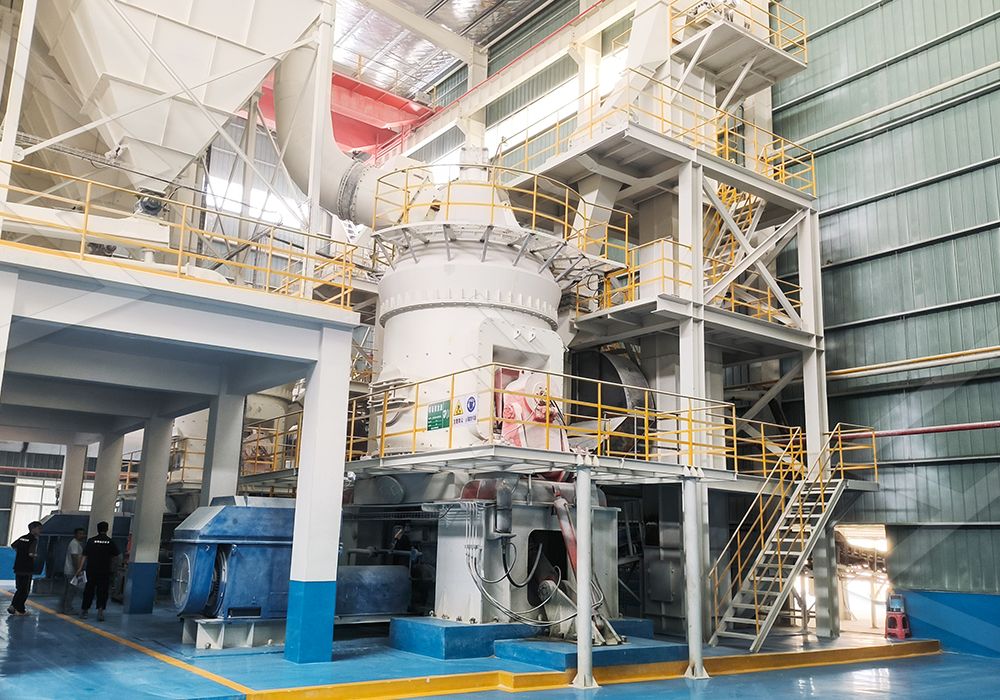
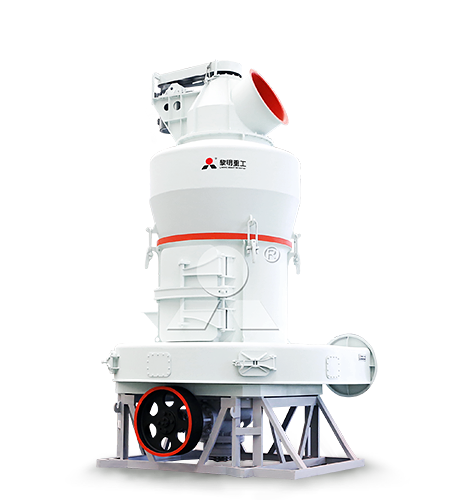
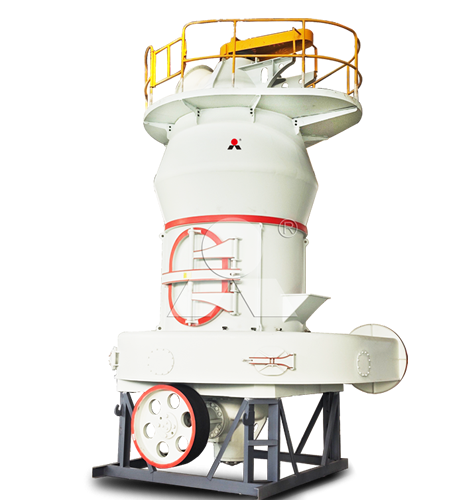
For general industrial fillers in the 100 to 325 mesh range, a Raymond mill remains a cost-effective and proven choice, offering stable output between roughly 3 and 20 tons per hour depending on model size. When throughput requirements increase, or when the plant needs to serve multiple mesh grades from one system, a vertical roller mill becomes more attractive because it allows classifier adjustment to shift between coarse filler grade and finer plastics grade without swapping the main grinding unit.
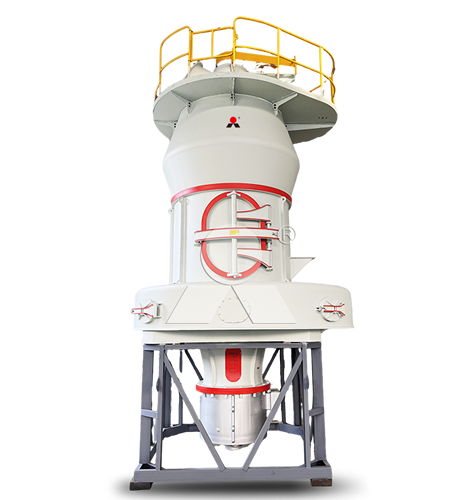
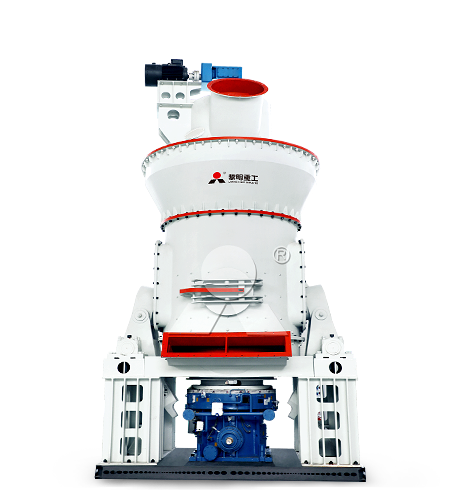
For paint-grade or high-end plastics applications requiring D97 below 15 microns, an ultrafine vertical mill or ring roller mill with a high-precision turbine classifier is typically required. Liming Heavy Industry's LM Vertical Roller Mill and LUM Ultra-fine Vertical Mill both cover this transition well, since the same base platform can be reconfigured with different classifier wheels to serve both mid-range filler and ultrafine paint-grade output.
A Common Production Mistake
Many plants encounter quality complaints not because the mill cannot reach the required fineness, but because the classifier is operated at a fixed setting regardless of order type. Practical experience shows that calcite classifiers need re-tuning between production batches when switching from filler grade to plastics grade, since even a small shift in wheel speed changes both the D97 cut point and the fraction of ultrafine particles below 3 microns, which affects oil absorption values critical to plastics customers.
_1767929649018.jpg)
Process Flow for a Typical Calcite Powder Line
Raw calcite is crushed to below 20 mm using a jaw crusher or impact crusher.
Crushed material is fed into the main grinding mill through a vibrating feeder with controlled feed rate.
Grinding rollers reduce particle size while hot air or ambient air carries fine particles to the classifier.
The classifier separates qualified fine powder from oversize particles, which are returned to the mill for regrinding.
Qualified powder is collected through a cyclone and bag filter system, then conveyed to storage silos or packaging.
Quality Control Checklist
Verify raw ore CaCO3 content before processing, since impurities such as iron oxide or clay reduce whiteness regardless of grinding precision.
Monitor moisture content in feed material, keeping it below approximately 1 percent to avoid material buildup on grinding rollers.
Re-calibrate classifier wheel speed whenever switching between filler-grade and fine-grade production runs.
Sample D50, D97, and whiteness at consistent intervals rather than only at shift changes, since fineness drift can occur gradually as rollers wear.
Inspect dust collection bags periodically, since reduced airflow from clogged bags can widen particle size distribution without an obvious drop in output tonnage.
Engineering Notes From the Field
During commissioning of calcite lines, engineers often overlook the interaction between feed particle size and classifier performance. Feeding oversized crushed material, even occasionally, causes momentary surges in mill load that disturb classification stability for several minutes afterward. A common mistake is assuming that because calcite is soft, feed size control matters less than it does for harder minerals; in practice, consistent feed sizing is just as important for maintaining a stable particle size distribution.
_1767930326611.jpg)
Frequently Asked Questions
What is the ideal fineness for calcite powder used in plastics?
Plastics filler applications typically require 325 to 600 mesh with D97 below 20 microns and controlled oil absorption values.
Can one mill produce calcite powder for both construction and plastics use?
Yes, a vertical roller mill with an adjustable classifier can often serve both applications by changing classifier wheel speed, though very fine paint-grade output usually requires a dedicated ultrafine mill.
Why does calcite whiteness vary between batches from the same mine?
Whiteness variation is usually caused by inconsistent ore blending or localized impurities such as iron oxide within the deposit, not by the grinding process itself.
How much energy does calcite grinding typically consume?
Due to its low hardness, calcite grinding typically consumes between 15 and 25 kWh per ton, depending on target fineness and mill type.
What causes calcite powder to clump during storage?
Clumping is usually related to residual moisture above acceptable levels or electrostatic buildup in very fine powder, both of which should be controlled before packaging.
Related FAQ


Meet Liming Heavy Industry at the 140th Canton Fair 2026
2026-10-13

Liming Heavy Industry to Attend the 140th Canton Fair
2026-09-25
Liming Heavy Industry at bauma CONEXPO INDIA 2026 | Booth 5-C6
2026-09-07
Turnkey Raw Mill Cement Plant in Saudi Arabia: Design and Installation
2026-09-03
Cement Raw Mill Supplier in Indonesia: Cost and Configuration Analysis
2026-09-01
Complete Mineral Processing Solutions
Convenient Reliable Professional Efficient Get Your Quote
Please feel free to submit your inquiry information to us. We will contact with you as soon as possible.
Our team will contact you as soon as possible.