


Producing phosphogypsum powder in the 80–325 mesh (180–45 μm) range is one of the most common requirements in the construction materials industry. This particle size range is suitable for gypsum plaster, gypsum board, dry-mix mortar, cement retarders, self-leveling compounds, and other building products that require consistent particle distribution and stable physical properties. Achieving reliable production, however, depends on much more than selecting a grinding mill with the required fineness. The entire production line must be engineered to accommodate the unique characteristics of phosphogypsum while maintaining stable throughput, low energy consumption, and consistent product quality.
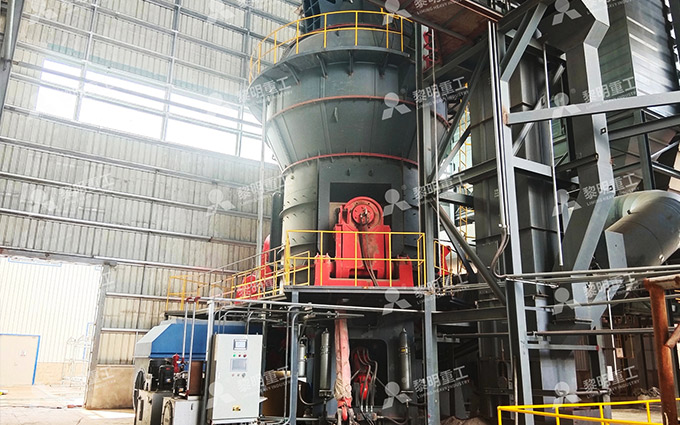
Unlike natural gypsum, phosphogypsum is an industrial by-product generated during phosphoric acid production. Its moisture content, impurity levels, and particle characteristics vary considerably from one source to another. As a result, successful processing begins with understanding the raw material rather than selecting equipment solely according to production capacity.
What Does an 80–325 Mesh Phosphogypsum Production Line Include?
An industrial phosphogypsum powder production line consists of several interconnected systems that operate continuously. Each stage influences the performance of the next, making process integration more important than the capacity of any individual machine.
Raw material receiving and storage
Metered feeding system
Primary crushing when oversized material is present
Drying section for moisture reduction
Grinding system
Dynamic air classification
Dust collection
Finished powder storage
Automatic packaging or bulk loading
When producing calcined gypsum powder, a calcination unit is incorporated into the process before the final grinding or classification stage, depending on the required product specification.
Raw Material Characteristics Determine Process Design
Engineers often discover during commissioning that identical grinding equipment performs differently when processing phosphogypsum from different chemical plants. The reason is that raw material characteristics directly affect drying efficiency, grinding behavior, and classification performance.
| Material Property | Typical Value | Influence on Production |
|---|---|---|
| Feed moisture | 10–25% | Determines dryer capacity and grinding efficiency |
| Maximum feed size | 20–50 mm | Determines crushing requirements |
| Calcium sulfate content | 75–95% | Affects finished powder quality |
| Bulk density | 0.8–1.2 t/m³ | Influences storage and conveying design |
| Impurity content | Variable | May influence downstream product performance |
Practical experience shows that maintaining consistent feed moisture often has a greater impact on production stability than increasing grinding power.
Grinding Equipment for 80–325 Mesh Production
The required fineness range is well suited to several mature grinding technologies. Equipment selection depends on plant capacity, moisture conditions, energy efficiency targets, and operational flexibility.
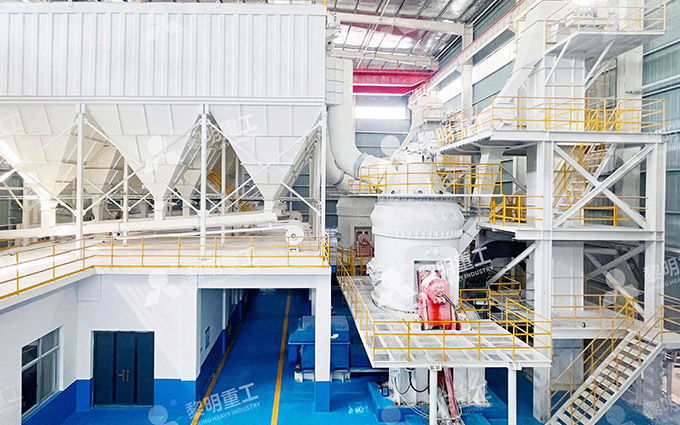
| Grinding Equipment | Typical Product Size | Recommended Application |
|---|---|---|
| Raymond Mill | 80–325 mesh | General-purpose powder production |
| Vertical Roller Mill | 80–400 mesh | Medium and large continuous production |
| Ultrafine Grinding Mill | 400–3250 mesh | Specialty fine powder products |
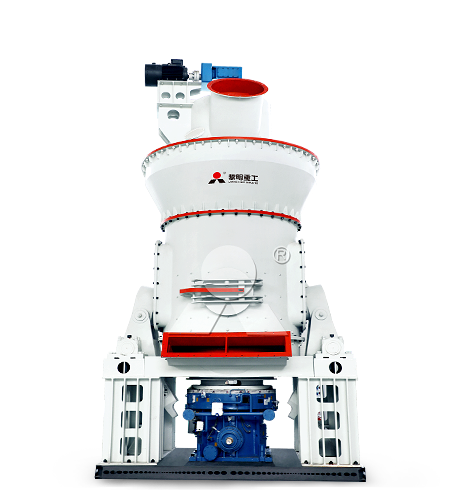
For production capacities above approximately 20 t/h, vertical roller mills are frequently selected because drying, grinding, and classification are integrated into a single process. This configuration simplifies material handling while improving thermal efficiency when processing wet phosphogypsum.
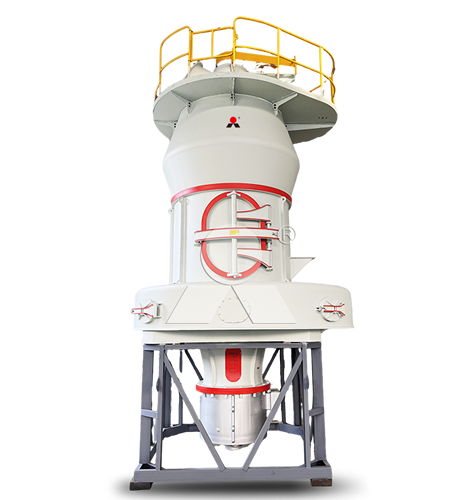
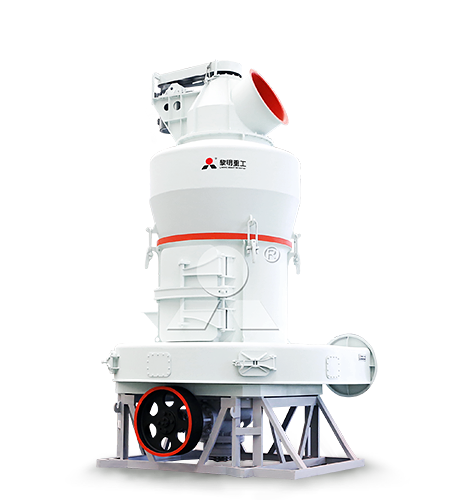
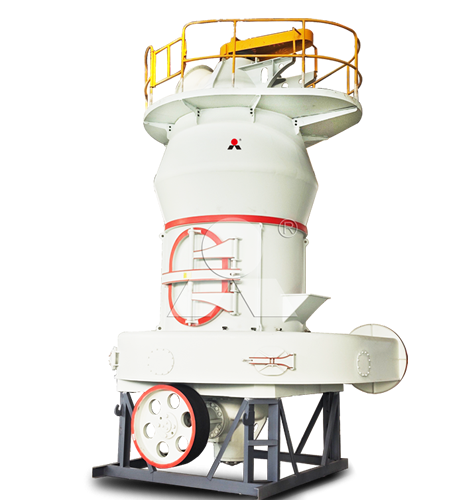
Depending on project requirements, Liming Heavy Industry provides Raymond mills, vertical roller mills, and ultrafine grinding mills that can be configured according to material characteristics, target fineness, and required production capacity.
Achieving Stable 80–325 Mesh Product Quality
Producing powder within the specified mesh range is only one quality objective. Building material manufacturers also require a controlled particle size distribution to ensure stable water demand, setting time, and mechanical strength.
Typical finished products include:
| Finished Product | Approximate Particle Size | Typical Application |
|---|---|---|
| 80 mesh | 180 μm | Cement additives |
| 120 mesh | 125 μm | Gypsum plaster |
| 200 mesh | 75 μm | Dry-mix mortar |
| 325 mesh | 45 μm | High-quality gypsum products |
Dynamic air classifiers allow operators to regulate particle size continuously by adjusting rotor speed rather than modifying the grinding system itself. This flexibility is particularly valuable when supplying multiple customers with different product specifications.
Drying and Grinding Should Operate as One System
One of the most common design mistakes is treating drying and grinding as separate processes. In reality, these operations are closely connected.
High feed moisture reduces grinding efficiency by increasing material adhesion inside the grinding chamber. Excessively wet material may also reduce separator efficiency and increase pressure loss throughout the system.
For many production lines, reducing feed moisture to below approximately 5% before final grinding significantly improves throughput and stabilizes finished powder quality.
Process Parameters That Require Continuous Monitoring
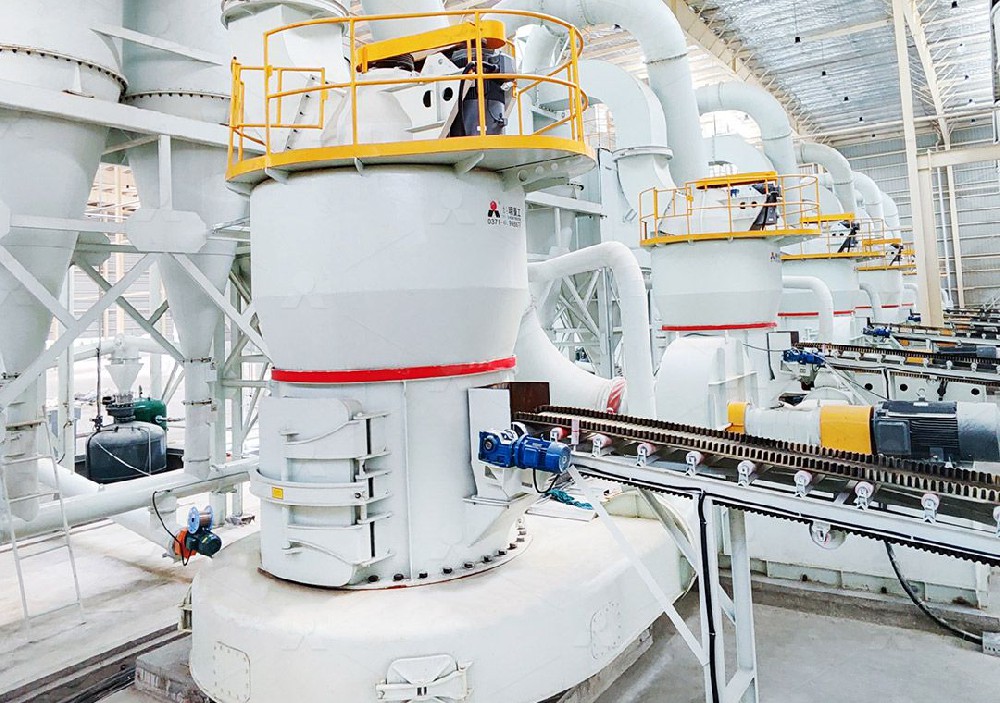
Consistent production depends on maintaining stable operating conditions throughout the plant. Modern production lines typically monitor the following parameters in real time:
Feed rate
Mill differential pressure
Grinding roller pressure
Separator speed
Hot gas temperature
Outlet moisture
System airflow
Main motor current
Finished product fineness
During commissioning, gradual parameter optimization generally produces better long-term results than aggressive adjustments intended to maximize immediate production.
Typical Energy Performance
Specific energy consumption depends on material moisture, production capacity, and required fineness. For phosphogypsum powder in the 80–325 mesh range, grinding energy typically falls between 18 and 35 kWh/t under normal operating conditions.
Several measures can improve overall plant efficiency:
Variable-frequency drives for major motors
Efficient airflow management
Optimized separator settings
Proper grinding pressure control
Heat recovery where suitable
Routine inspection of wear components
Quality Control Throughout the Production Process
Reliable quality cannot be achieved by inspecting only the finished product. Every stage should include appropriate monitoring to prevent process deviations.
| Production Stage | Recommended Inspection |
|---|---|
| Raw material | Moisture and chemical composition |
| Drying | Residual moisture |
| Grinding | Motor load and vibration |
| Classification | Particle size distribution |
| Finished product | Mesh, D50, moisture, whiteness |
For high-value applications, online particle size analyzers can further improve consistency by allowing operators to make immediate process adjustments.
Practical Engineering Observation
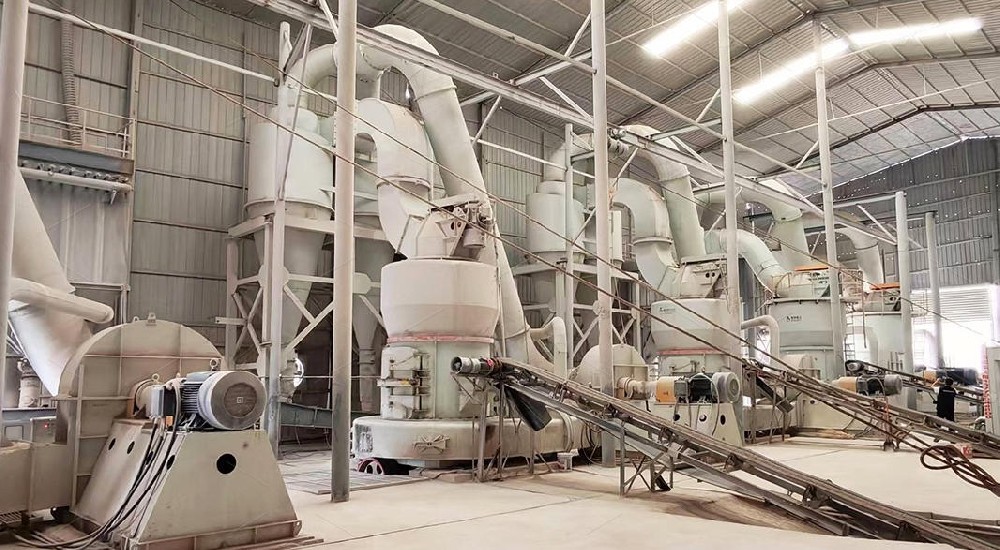
Many plants encounter reduced production during periods of high ambient humidity. Operators sometimes attempt to compensate by increasing grinding pressure or feed rate, but these adjustments rarely solve the underlying problem.
A more effective solution is to stabilize feed moisture and optimize drying performance before increasing mill loading. Practical experience shows that this approach improves both throughput and energy efficiency while reducing equipment wear.
Engineering Checklist Before Final Equipment Selection
Confirm required production capacity in t/h.
Determine the target fineness between 80 and 325 mesh.
Measure seasonal variations in raw material moisture.
Evaluate impurity levels and downstream product requirements.
Select a grinding system based on complete process integration.
Design sufficient storage for raw material and finished powder.
Include high-efficiency dust collection and environmental protection systems.
Allow space for future production expansion where practical.
Frequently Asked Questions
Is 200 mesh suitable for most phosphogypsum building materials?
Yes. Approximately 200 mesh (75 μm) is widely used for dry-mix mortar, gypsum plaster, and cement-related applications, although exact specifications depend on the final product.
Can one production line manufacture several mesh sizes?
Yes. Dynamic classifiers enable production of multiple grades within the 80–325 mesh range by adjusting classification parameters without changing the grinding equipment.
Why is drying important before grinding?
Lower moisture improves grinding efficiency, reduces material adhesion, enhances classification performance, and contributes to more stable plant operation.
Which grinding mill is commonly selected for large-capacity production?
Vertical roller mills are widely applied in medium and large phosphogypsum powder plants because they integrate drying, grinding, and classification into one continuous process.
Which quality parameters should be monitored besides mesh size?
Particle size distribution, D50, moisture, whiteness, and chemical composition are all important indicators of finished powder performance.
Conclusion
An efficient phosphogypsum powder production line for 80–325 mesh fine powder making depends on coordinated process design rather than individual equipment performance. Stable raw material preparation, effective moisture control, efficient grinding, accurate dynamic classification, and continuous quality monitoring work together to produce consistent powder for modern building material applications. Selecting equipment according to raw material characteristics and production objectives enables long-term operational stability, predictable product quality, and competitive manufacturing costs.
Related Industry News


Meet Liming Heavy Industry at the 140th Canton Fair 2026
2026-10-13

Liming Heavy Industry to Attend the 140th Canton Fair
2026-09-25
Liming Heavy Industry at bauma CONEXPO INDIA 2026 | Booth 5-C6
2026-09-07
Turnkey Raw Mill Cement Plant in Saudi Arabia: Design and Installation
2026-09-03
Cement Raw Mill Supplier in Indonesia: Cost and Configuration Analysis
2026-09-01
Complete Mineral Processing Solutions
Convenient Reliable Professional Efficient Get Your Quote
Please feel free to submit your inquiry information to us. We will contact with you as soon as possible.
Our team will contact you as soon as possible.