


Summary:
The best grinding mill for dolomite depends on target fineness and capacity. Raymond mills suit 80–325 mesh, vertical roller mills handle higher capacity and moisture, while ultrafine mills are required for powders above 600 mesh.
Details:
Dolomite Properties and Grinding Behavior
Dolomite has a Mohs hardness of 3.5–4, slightly harder than limestone but still brittle and suitable for compression grinding. It breaks efficiently under roller pressure with low energy loss. Typical feed size is below 30–40 mm after crushing, and moisture should be controlled under 5% to prevent material buildup and reduced classifier efficiency.
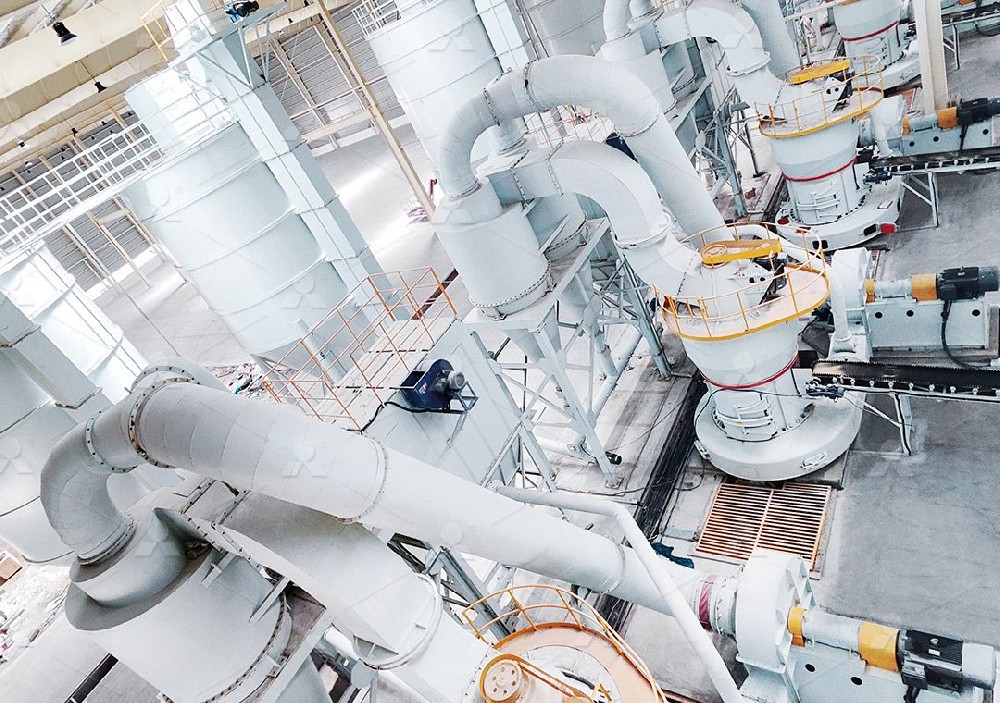
Mill Selection Based on Fineness
Grinding equipment is selected mainly by final particle size (mesh or micron) and product application:
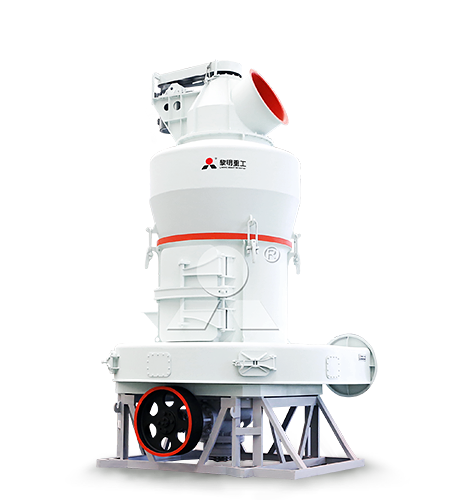
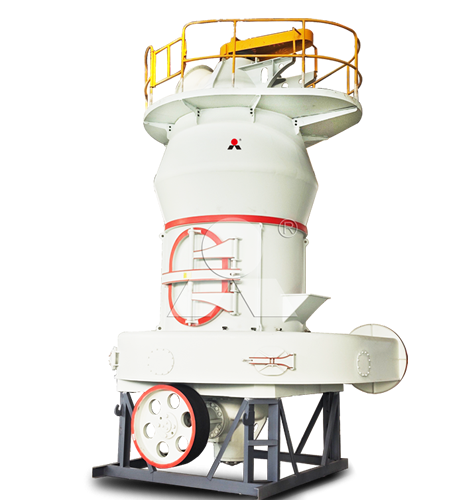
80–325 mesh (D90): MTW European Type Raymond Mill; stable, low energy consumption, widely used in construction and fillers
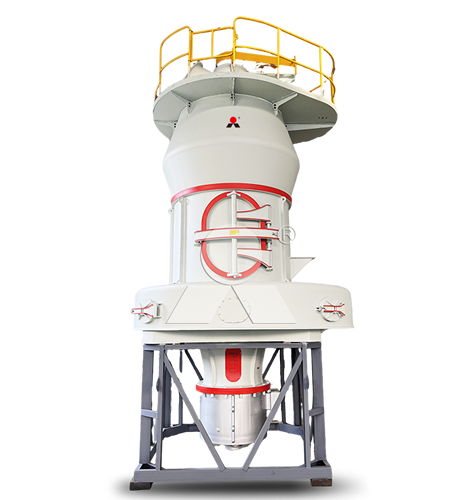
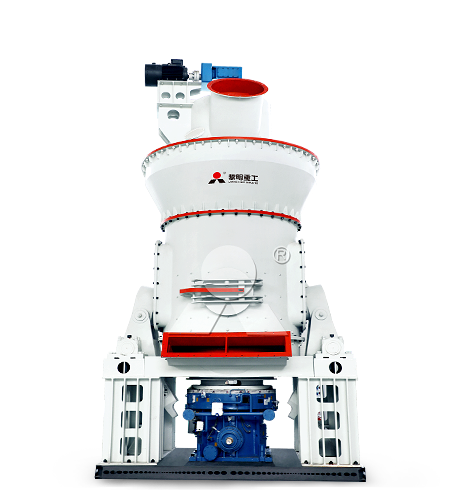
325–600 mesh (D97): LM Vertical Roller Mill; better particle size control and suitable for higher throughput
600–1500 mesh (D97): LUM Ultrafine Vertical Mill; used for plastics, coatings, and high-grade fillers
1500–2500 mesh (D97): MW Micro Powder Mill; high-precision classification for ultrafine applications
_1767930326611.jpg)
Production and Process Considerations
For standard dolomite powder (e.g., 200–325 mesh), Raymond mills are commonly used with energy consumption around 20–28 kWh/t. For larger-scale plants, LM Vertical Roller Mills reduce over-grinding and offer more stable operation under fluctuating feed conditions.
If raw material moisture exceeds 3–4%, vertical mills are preferred due to integrated drying. For ultrafine powders, classifier accuracy and airflow control are critical to maintain D97 consistency and avoid coarse particle leakage.
Practical Equipment Selection
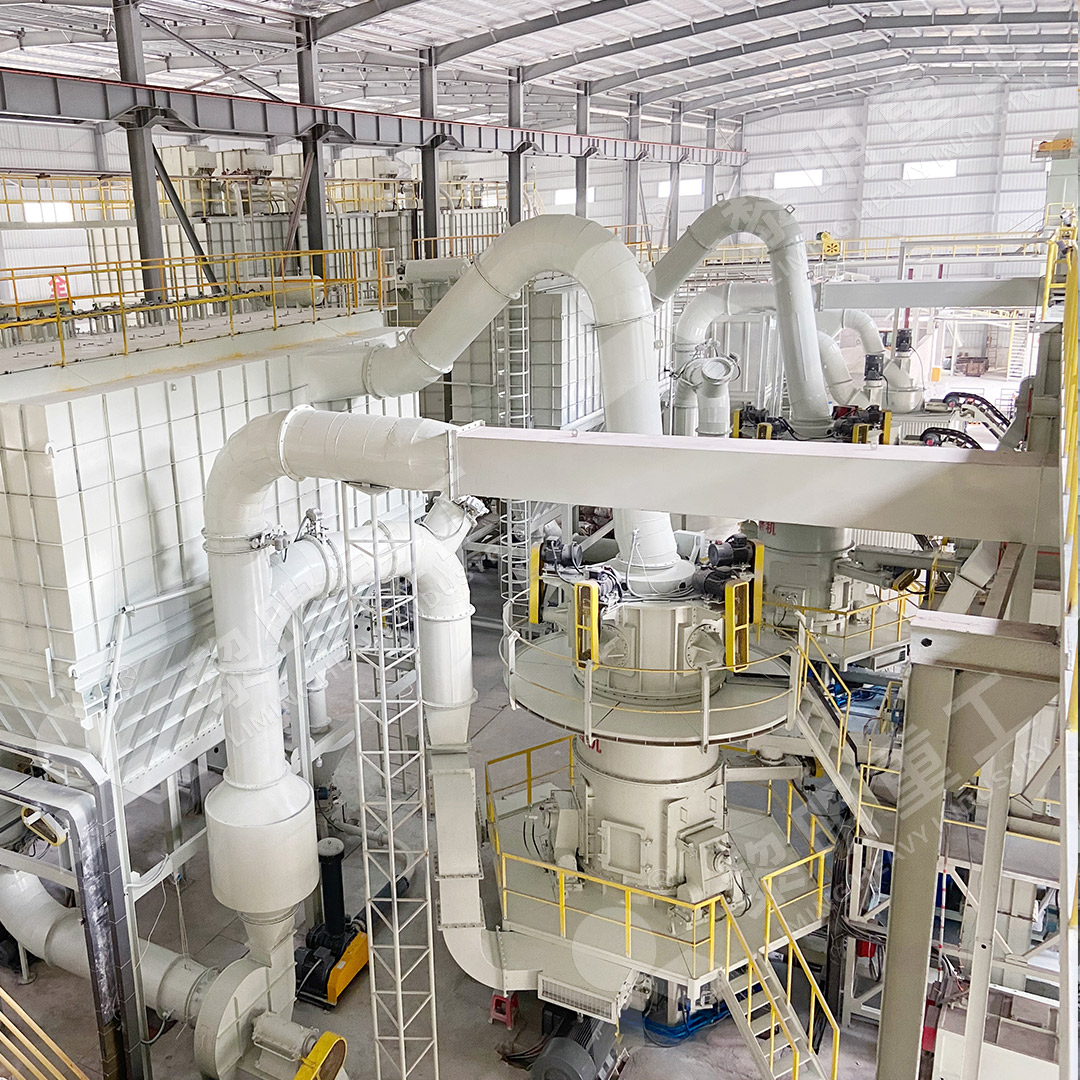
MTW Raymond mills are suitable for small to medium capacity projects with standard fineness. LM Vertical Roller Mills are better for large-scale continuous production. LUM and MW series are selected when strict particle size distribution and high-value downstream applications are required.
FAQ
Q1: What fineness is most common for dolomite powder?
200–325 mesh (D90) is widely used in construction, glass, and agriculture.
Q2: Can dolomite be ground to ultrafine powder?
Yes, down to 5–10 μm (D97) using ultrafine mills like LUM or MW series.
Q3: Which mill is better for high capacity production?
LM Vertical Roller Mill is preferred for higher throughput and stable operation.
Q4: Does dolomite require drying before grinding?
If moisture is below 3%, drying is not necessary; otherwise, use a mill with drying capability.
Related FAQ


Meet Liming Heavy Industry at the 140th Canton Fair 2026
2026-10-13

Liming Heavy Industry to Attend the 140th Canton Fair
2026-09-25
Liming Heavy Industry at bauma CONEXPO INDIA 2026 | Booth 5-C6
2026-09-07
Turnkey Raw Mill Cement Plant in Saudi Arabia: Design and Installation
2026-09-03
Cement Raw Mill Supplier in Indonesia: Cost and Configuration Analysis
2026-09-01
Complete Mineral Processing Solutions
Convenient Reliable Professional Efficient Get Your Quote
Please feel free to submit your inquiry information to us. We will contact with you as soon as possible.
Our team will contact you as soon as possible.