


Summary:
1250 mesh calcium carbonate (≈10 μm, D97) requires ultrafine grinding with precise classification. Vertical ultrafine mills or micro powder mills are preferred to achieve stable particle size distribution and reasonable energy consumption.
Details:
Material Properties and Grinding Requirements
Calcium carbonate (CaCO₃) has a Mohs hardness of around 3, with brittle fracture behavior, making it suitable for grinding by compression and shear. Feed size is typically below 20–30 mm after crushing. Moisture should be controlled under 3% to avoid agglomeration and reduced classifier efficiency, especially at ultrafine levels.
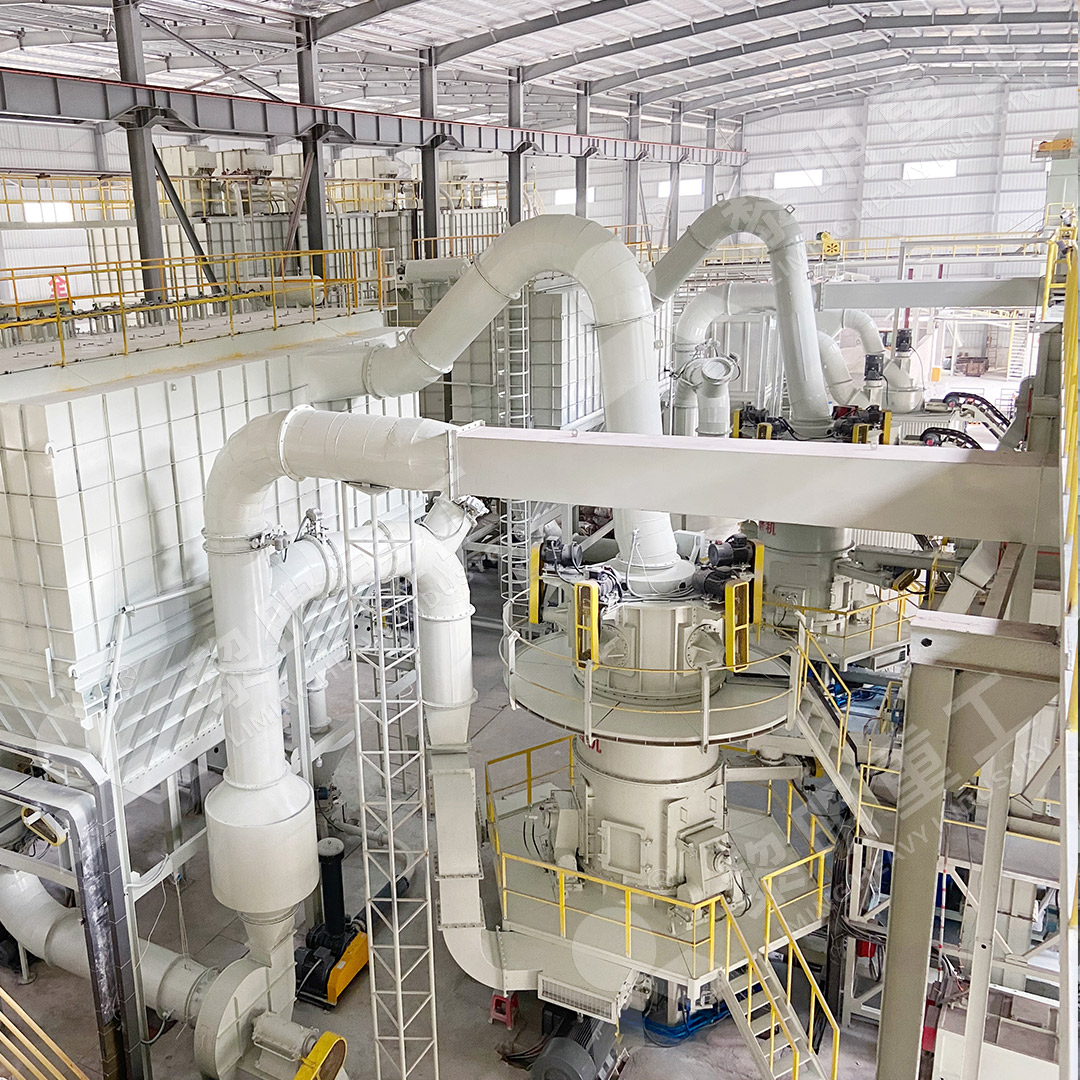
Why Standard Mills Are Not Suitable for 1250 Mesh
Conventional Raymond mills (e.g., MTW series) are generally limited to 325–400 mesh. At 1250 mesh, the main limitation is not grinding force but classification accuracy. Without high-efficiency classifiers, coarse particles cannot be effectively separated, leading to unstable D97 and over-grinding.
Recommended Mill Types for 1250 Mesh
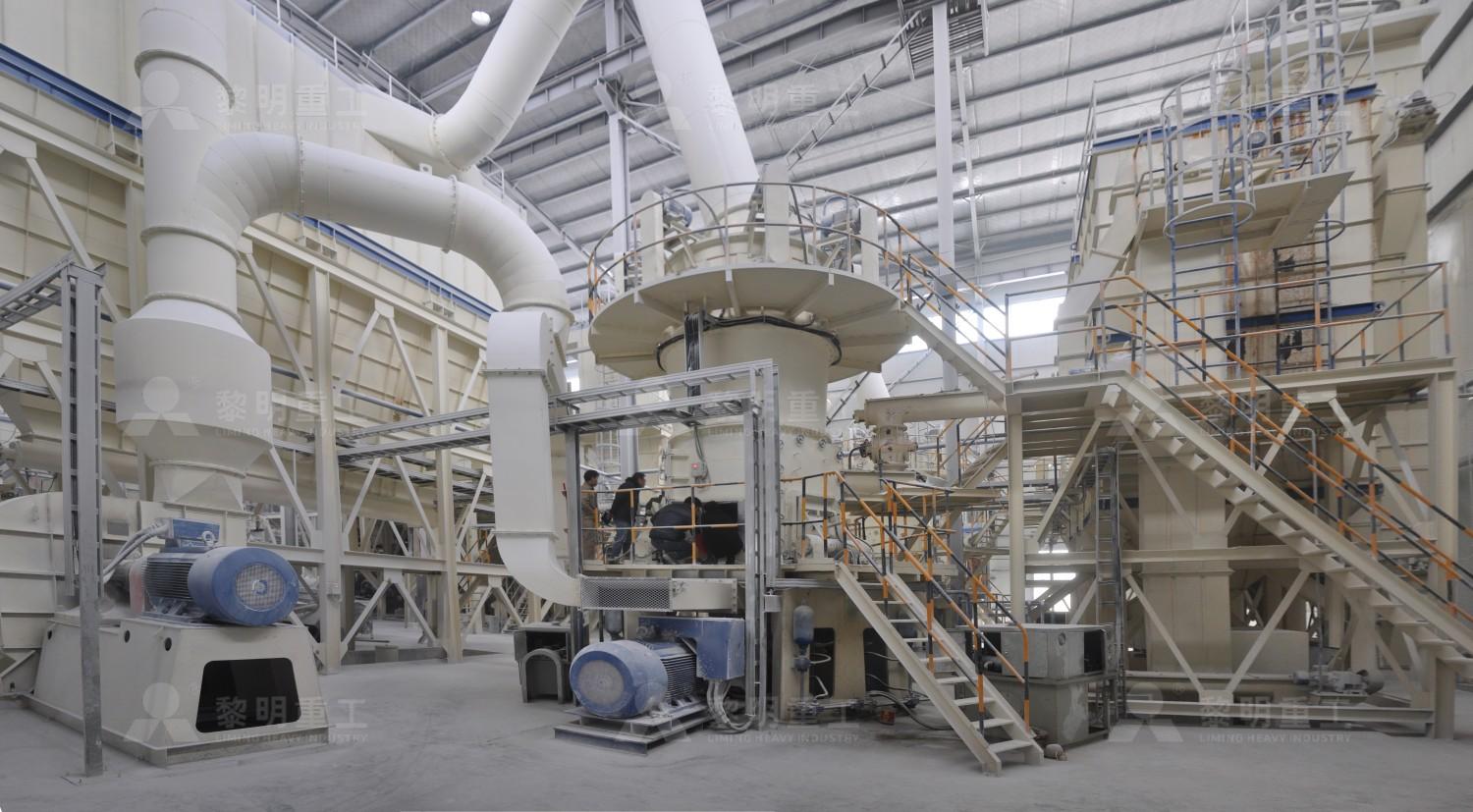
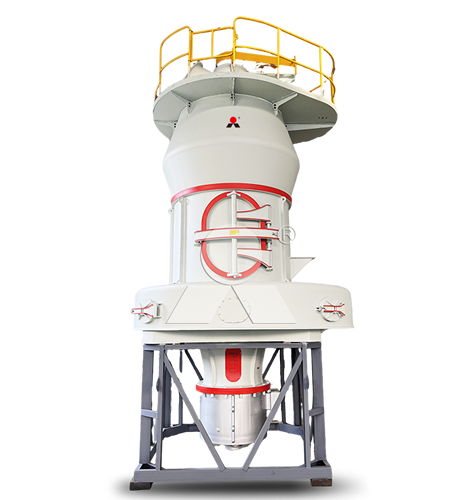
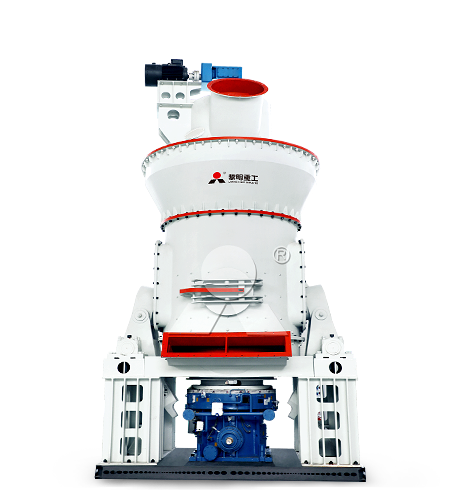
LUM Ultrafine Vertical Mill: Designed for 400–1250 mesh (D97), integrates grinding and multi-stage classification, suitable for large-scale production
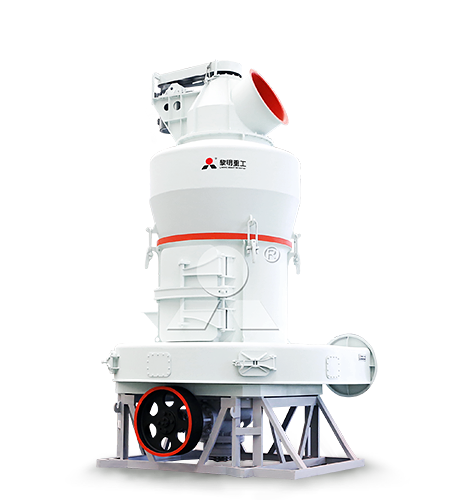
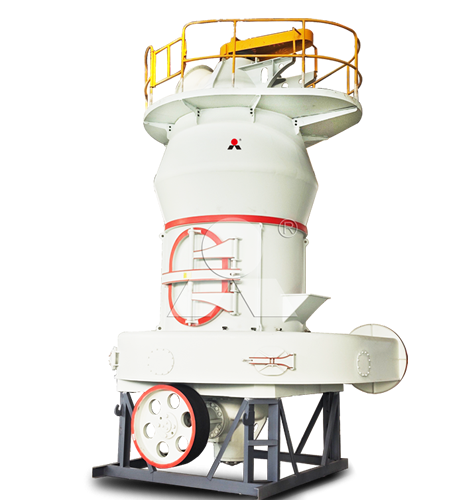
MW Micro Powder Mill: Suitable for 600–2500 mesh, higher precision classification, often used for smaller capacity or ultra-fine applications
Process and Performance Considerations
For 1250 mesh production, airflow stability and classifier rotor speed are critical. LUM mills provide better control of particle size distribution with lower over-grinding rates. Typical energy consumption ranges from 35–50 kWh/t depending on system design and raw material purity.
Dust collection efficiency and system sealing also affect product quality, as ultrafine powders are highly sensitive to air leakage and pressure fluctuations.
Practical Selection Guidelines
For capacities above 10 t/h, LUM Ultrafine Vertical Mill is generally preferred due to stable operation and integrated design. For smaller production lines or when extremely tight particle size distribution is required, MW Micro Powder Mill offers higher classification precision.
_1767930568573.jpg)
FAQ
Q1: What does 1250 mesh correspond to in microns?
Approximately 10 μm (D97), depending on classification standard.
Q2: Can Raymond mills produce 1250 mesh powder?
No, they are typically limited to below 400 mesh.
Q3: What is the key factor in ultrafine grinding?
Classifier efficiency is more critical than grinding force.
Q4: Is drying required for calcium carbonate?
Only if moisture exceeds 3%; otherwise, dry grinding is sufficient.
Related FAQ


Meet Liming Heavy Industry at the 140th Canton Fair 2026
2026-10-13

Liming Heavy Industry to Attend the 140th Canton Fair
2026-09-25
Liming Heavy Industry at bauma CONEXPO INDIA 2026 | Booth 5-C6
2026-09-07
Turnkey Raw Mill Cement Plant in Saudi Arabia: Design and Installation
2026-09-03
Cement Raw Mill Supplier in Indonesia: Cost and Configuration Analysis
2026-09-01
Complete Mineral Processing Solutions
Convenient Reliable Professional Efficient Get Your Quote
Please feel free to submit your inquiry information to us. We will contact with you as soon as possible.
Our team will contact you as soon as possible.