


Summary:
Limestone grinding equipment selection depends mainly on target fineness, feed size, and moisture. Coarse powders (80–325 mesh) suit Raymond mills, while finer ranges (325–2500 mesh) require vertical or ultrafine mills.
Details:
Material Characteristics and Grinding Behavior
Limestone typically has a Mohs hardness of 3–4, making it a soft to medium-hard, brittle material. It fractures easily under compressive and shear forces, which favors roller-based grinding systems. Feed size is usually below 30–50 mm after primary crushing, and moisture should be controlled below 6% to avoid material adhesion and reduced grinding efficiency.
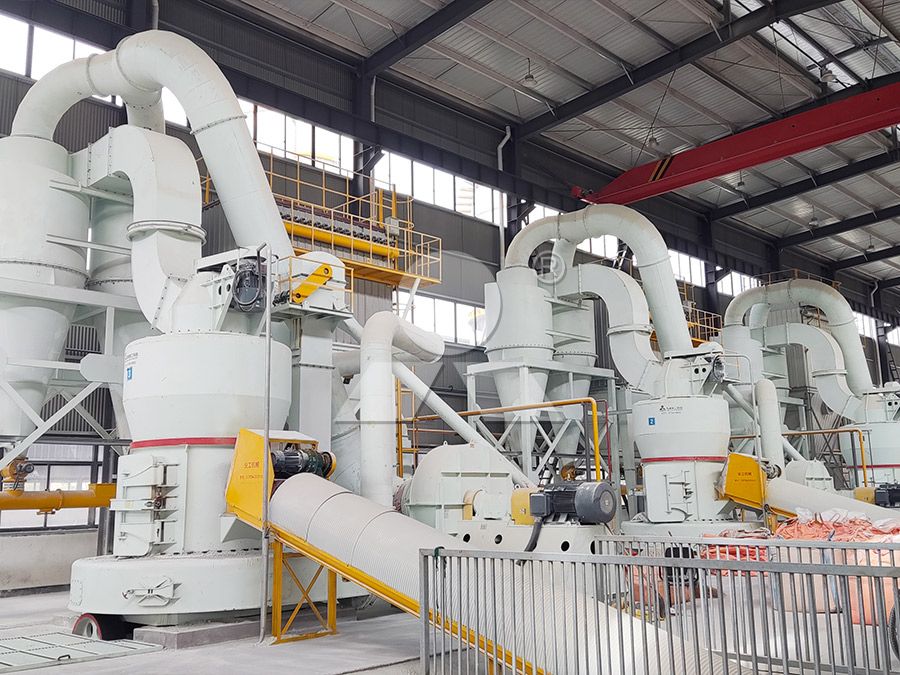
Equipment Selection by Fineness Range
The choice of mill is directly linked to the required particle size distribution:
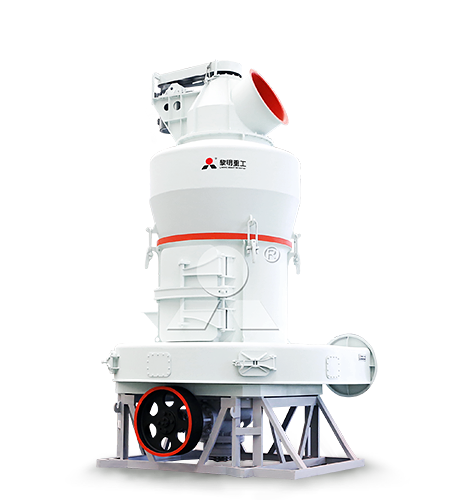
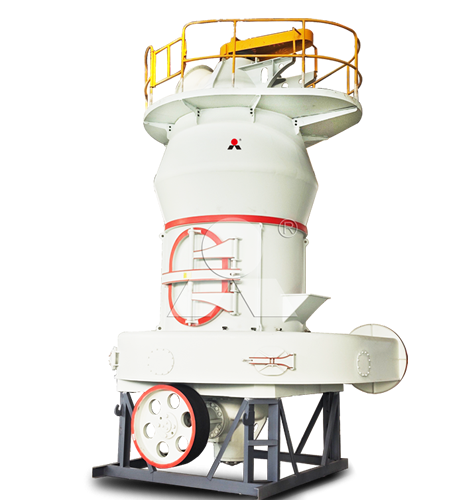
80–325 mesh (D90): Use MTW European Type Raymond Mill; stable operation and low investment
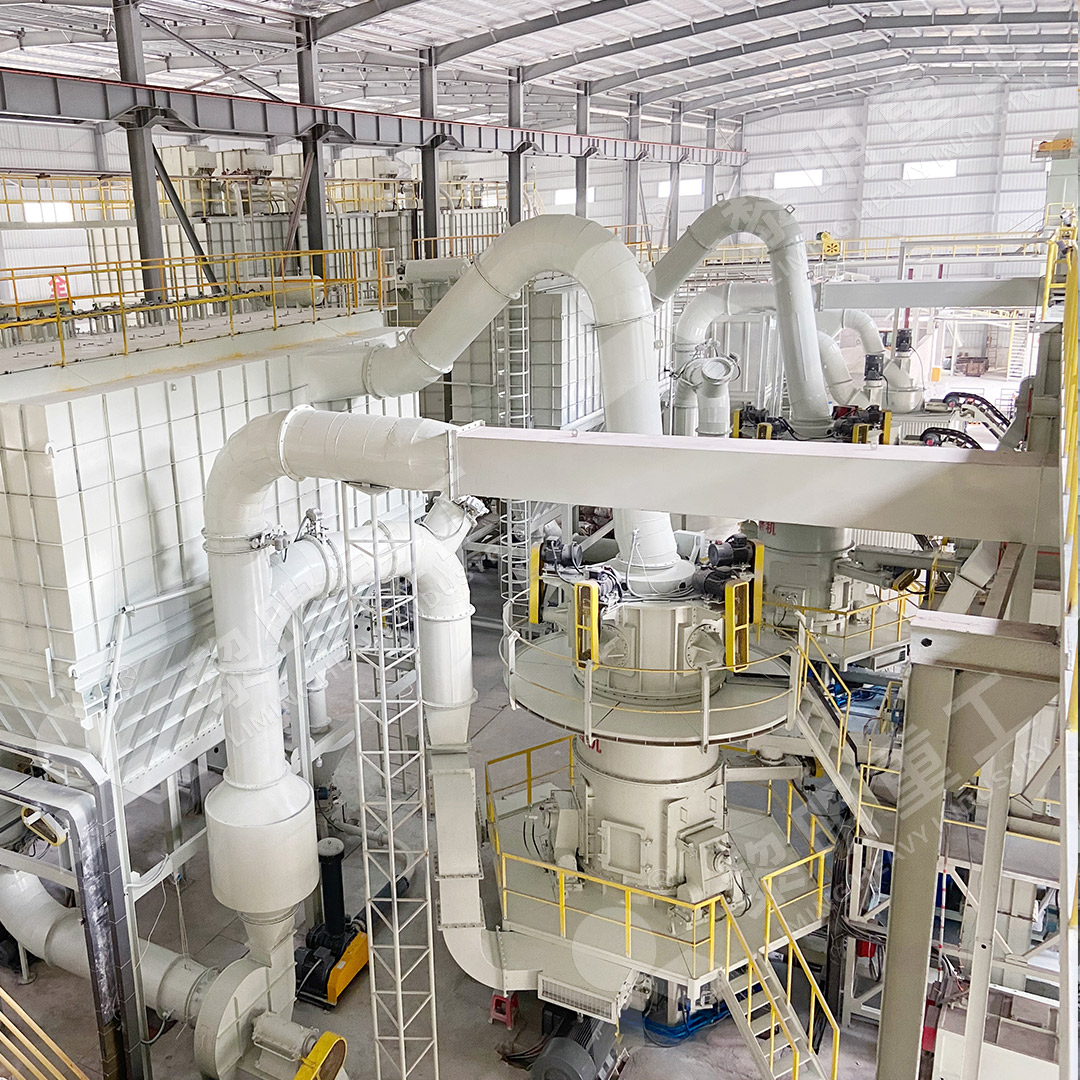
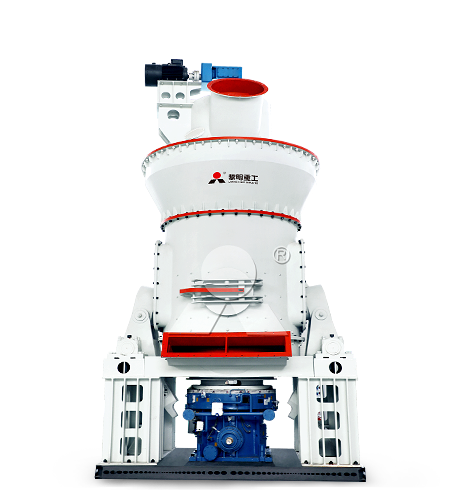
325–600 mesh (D97): Use LM Vertical Roller Mill; better control of fine particles and drying capability
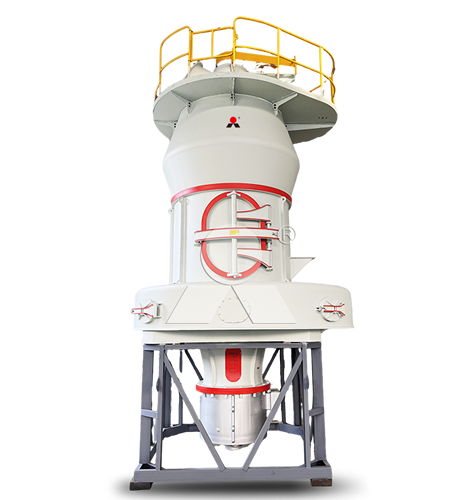
600–1500 mesh (D97): Use LUM Ultrafine Vertical Mill; suitable for high-end fillers
1500–2500 mesh (D97): Use MW Micro Powder Mill; designed for ultrafine powder with high classification precision
Process Considerations in Production
For standard desulfurization limestone (250–325 mesh), Raymond mills are widely applied due to energy consumption typically around 18–25 kWh/t. For finer powders, vertical mills reduce over-grinding through internal classification, improving efficiency and lowering wear.
_1767930326611.jpg)
When moisture exceeds 3%, vertical roller mills (LM Series) are preferred due to integrated drying. For ultra-fine production, airflow stability and classifier accuracy become critical factors affecting D97 consistency.
Practical Equipment Selection Logic
Raymond mills (MTW series) are suitable for medium fineness with lower capital cost. LM Vertical Roller Mills handle larger capacities and variable moisture. LUM and MW series are selected when strict particle size distribution and high-value applications such as fillers or coatings are required.
FAQ
Q1: What is the most common fineness for limestone powder?
250–325 mesh (D90) is widely used in flue gas desulfurization and construction materials.
Q2: Can one mill cover all fineness ranges?
No. Different mills are optimized for specific fineness and efficiency ranges.
Q3: How does moisture affect mill selection?
Higher moisture favors vertical mills due to built-in drying capability.
Q4: Which mill is best for ultrafine limestone?
MW Micro Powder Mill or LUM Ultrafine Vertical Mill for D97 below 10 μm.
Related FAQ


Liming Heavy Industry to Attend the 140th Canton Fair
2026-09-25

Liming Heavy Industry at bauma CONEXPO INDIA 2026 | Booth 5-C6
2026-09-07
Turnkey Raw Mill Cement Plant in Saudi Arabia: Design and Installation
2026-09-03
Cement Raw Mill Supplier in Indonesia: Cost and Configuration Analysis
2026-09-01
Liming Heavy Industry to Exhibit at the 24th Global Gypsum Conference & Exhibition in Turkey
2026-08-31
Complete Mineral Processing Solutions
Convenient Reliable Professional Efficient Get Your Quote
Please feel free to submit your inquiry information to us. We will contact with you as soon as possible.
Our team will contact you as soon as possible.