


Summary:
For 12 TPH limestone grinding, an MTW European Type Raymond Mill is usually suitable for 80–325 mesh powder, while an LM Vertical Roller Mill is preferred when feed moisture is higher or the plant needs more drying and process stability.
Details:
Why is limestone relatively easy to grind?
Limestone is a soft to medium-soft material, usually around Mohs 3, with good brittleness and low abrasiveness. That means the grinding load is moderate and wear on rollers, rings, and liners is normally lower than with silica-rich stone. In most plants, crushed feed to the mill is controlled below 20 to 30 mm. For standard dry grinding, feed moisture is best kept below 1%. If moisture increases, powder adhesion, lower classifier efficiency, and filter load become more noticeable.
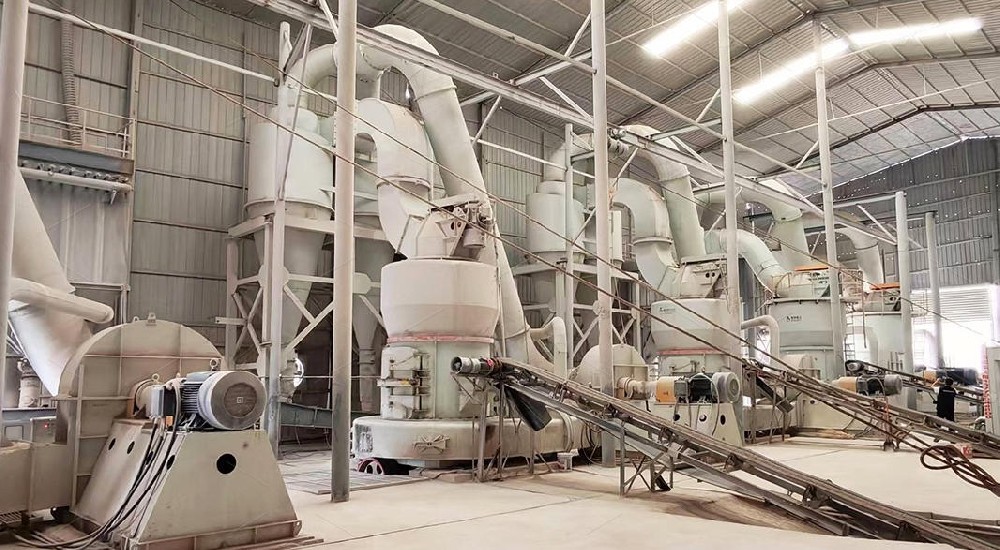
At 12 TPH, the mill must do more than reach capacity on paper. It must hold stable fineness, steady airflow, and acceptable residue over a full shift. For limestone powder, that usually means selecting the mill by target mesh first, then matching the machine size to the 12 TPH duty.
Which mill type fits 12 TPH best?
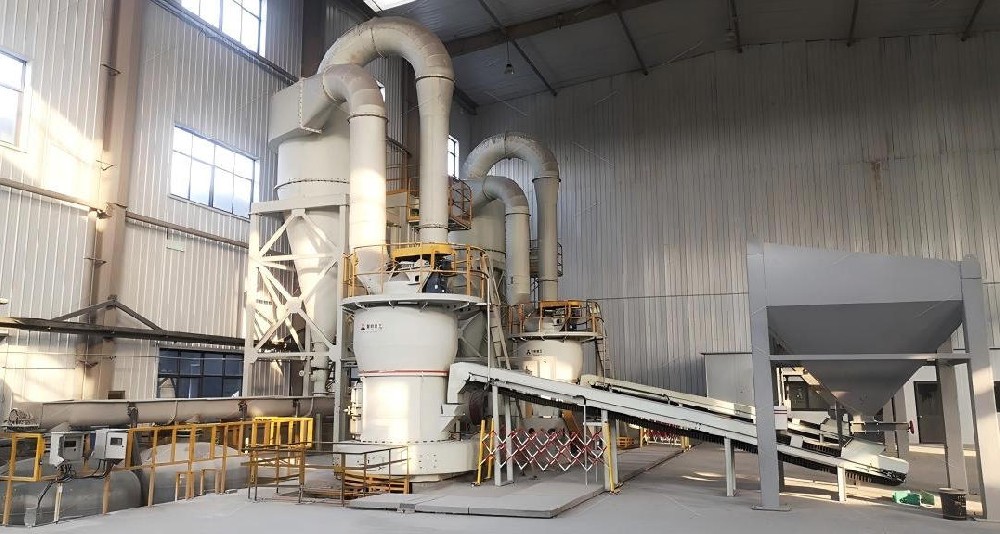
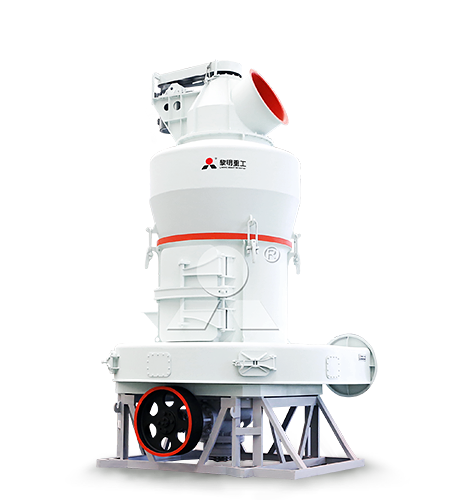
If the product is in the 80 to 325 mesh range, Liming Heavy Industry's MTW European Type Raymond Mill is often the best match. Its roller-ring grinding mechanism works well on brittle limestone and gives practical energy consumption, often around 18 to 30 kWh/t depending on final fineness and separator setting. For fillers, desulfurization powder, and general industrial use, this is usually the most direct choice.
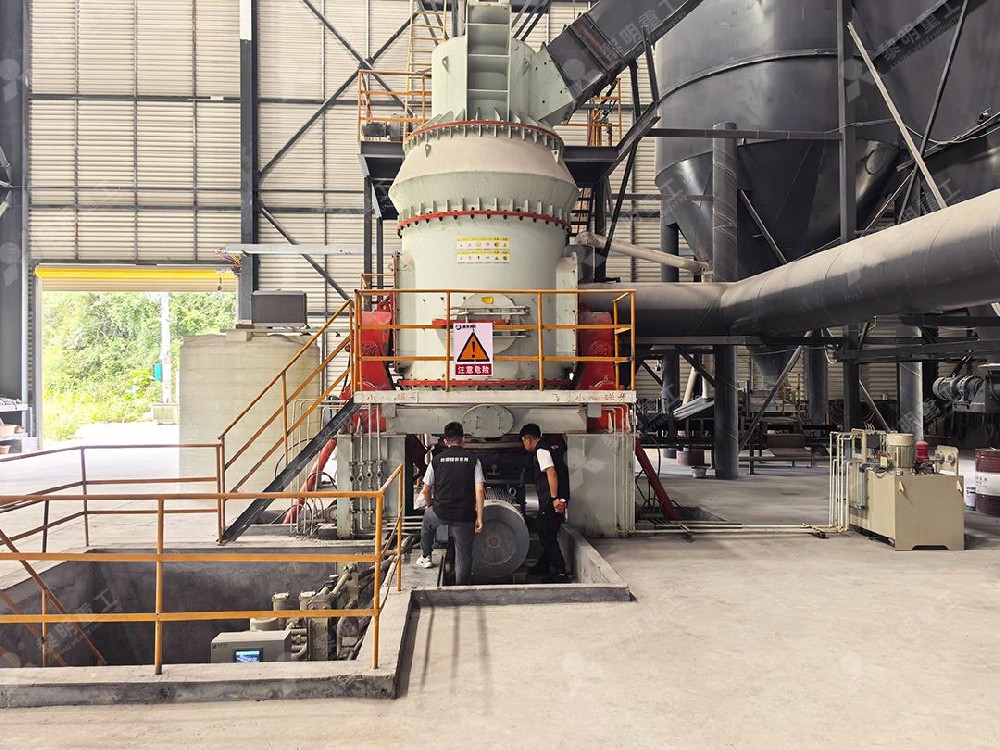
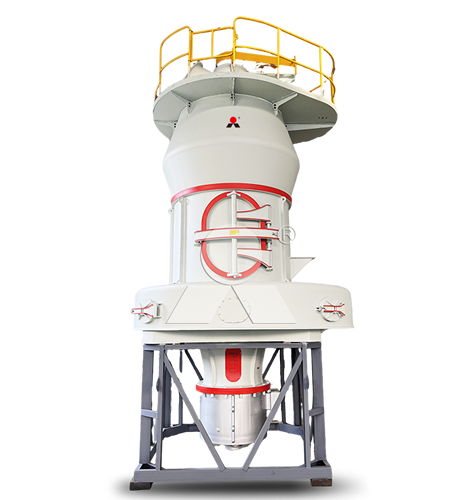
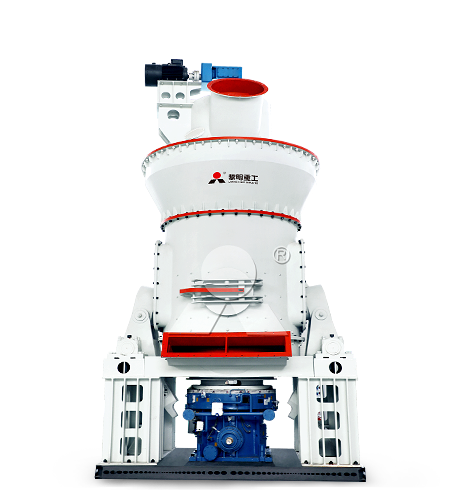
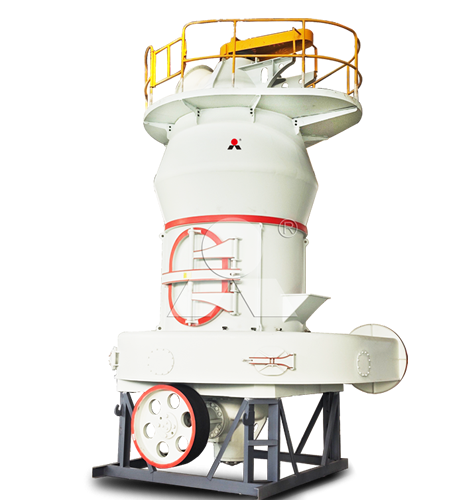
If the line must handle wetter feed, stronger drying demand, or tighter process control at larger scale, Liming Heavy Industry's LM Series Vertical Roller Mill is also suitable. For much finer limestone beyond 325 mesh, LUM Ultrafine Vertical Mill or MW Micro Powder Mill becomes the better option because D90 and D97 control is harder to maintain on a standard Raymond circuit.
What conditions should be checked before final selection?
Material: limestone
Typical hardness: Mohs 3
Recommended feed size: less than 20 to 30 mm
Preferred feed moisture for dry grinding: less than 1%
80 to 325 mesh: Raymond mill is usually the practical choice
Higher moisture or stronger drying demand: vertical roller mill is preferred
Finer than 325 mesh with strict D97 target: ultra-fine mill is more suitable
For a 12 TPH project, separator efficiency, hot air balance, and feeder stability often decide whether the line actually delivers rated output. A mill that meets fineness at 8 TPH is not a 12 TPH solution in real production.
FAQ
Can a Raymond mill handle 12 TPH limestone?
Yes, if the target fineness is usually 80 to 325 mesh and the feed is dry and well crushed.
When should I choose a vertical roller mill instead?
Choose it when the limestone has higher moisture, drying is required, or the plant wants more stable integrated grinding and conveying.
Is an ultra-fine mill necessary for 12 TPH limestone grinding?
Not for standard powder grades. It is generally needed only when the product must be finer than 325 mesh with tighter D90 or D97 control.
Related FAQ


Liming Heavy Industry to Attend the 140th Canton Fair
2026-09-25

Liming Heavy Industry at bauma CONEXPO INDIA 2026 | Booth 5-C6
2026-09-07
Turnkey Raw Mill Cement Plant in Saudi Arabia: Design and Installation
2026-09-03
Cement Raw Mill Supplier in Indonesia: Cost and Configuration Analysis
2026-09-01
Liming Heavy Industry to Exhibit at the 24th Global Gypsum Conference & Exhibition in Turkey
2026-08-31
Complete Mineral Processing Solutions
Convenient Reliable Professional Efficient Get Your Quote
Please feel free to submit your inquiry information to us. We will contact with you as soon as possible.
Our team will contact you as soon as possible.