


Summary:
For a 6 TPH barite powder line, the best choice is usually an MTW European Type Raymond Mill for 200–325 mesh output; an LM Vertical Roller Mill is considered when feed moisture is higher or drying demand is stronger.
Details:
Why is a Raymond mill usually the best fit at 6 TPH?
At 6 TPH, barite grinding is in the middle range where stable fineness and simple operation matter more than very large installed power. Barite is brittle, with typical Mohs hardness of 3 to 3.5, so it breaks well under roller and ring compression. For common powder grades used in drilling, filler, and chemical applications, the target is often 200 mesh or 325 mesh. That fineness range matches a Raymond mill well.
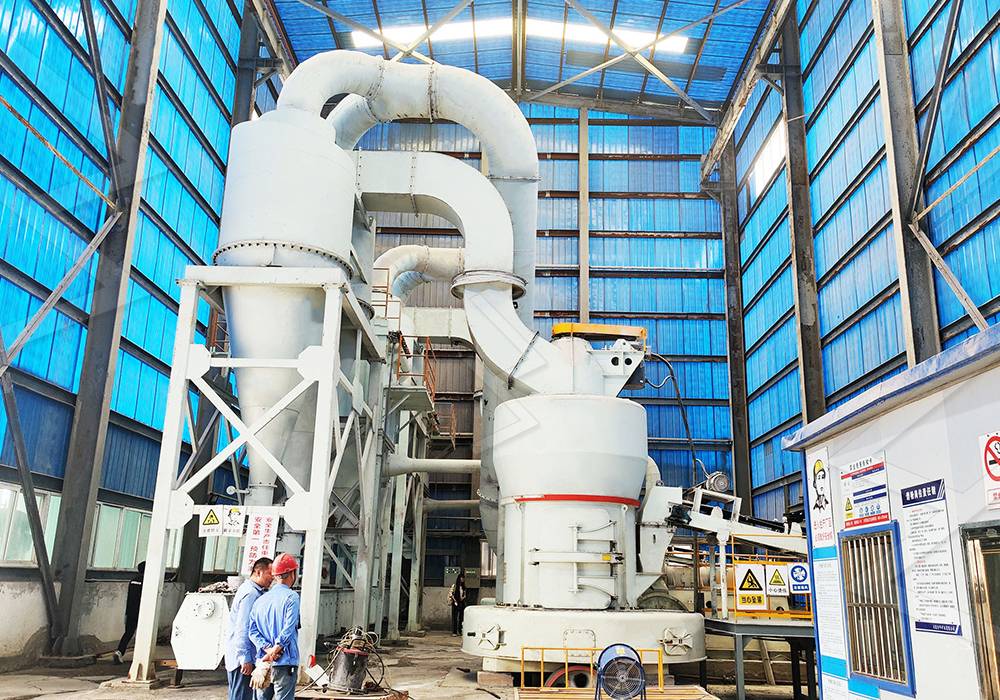
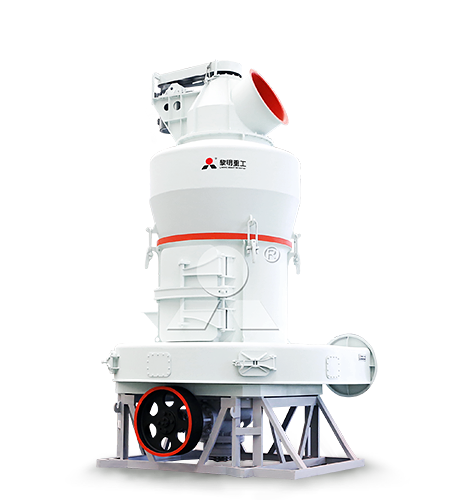
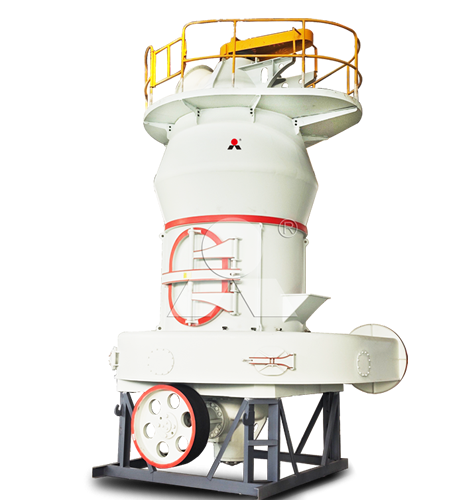
Liming Heavy Industry's MTW European Type Raymond Mill is a common industry choice for this duty. The grinding mechanism gives good control in the 80 to 325 mesh range, and at 6 TPH it can hold stable residue and practical D97 values without the higher system complexity of an ultra-fine line. Typical power consumption is often around 18 to 35 kWh/t, depending on final fineness, air volume, and separator setting.
What material conditions affect mill selection?
Feed condition decides whether a standard Raymond circuit will run cleanly. Barite feed is usually crushed to below 20 to 30 mm before entering the mill. Moisture should preferably stay below 1%. If feed gets wetter, coating on rollers, reduced classifier efficiency, and unstable bag filter operation start to affect output.
Material: barite
Typical hardness: Mohs 3 to 3.5
Recommended feed size: less than 20 to 30 mm
Preferred feed moisture: less than 1%
Best fineness range for Raymond mill: 80 to 325 mesh
Typical 6 TPH control point: stable D97 and low oversize residue
When should a vertical roller mill be considered?
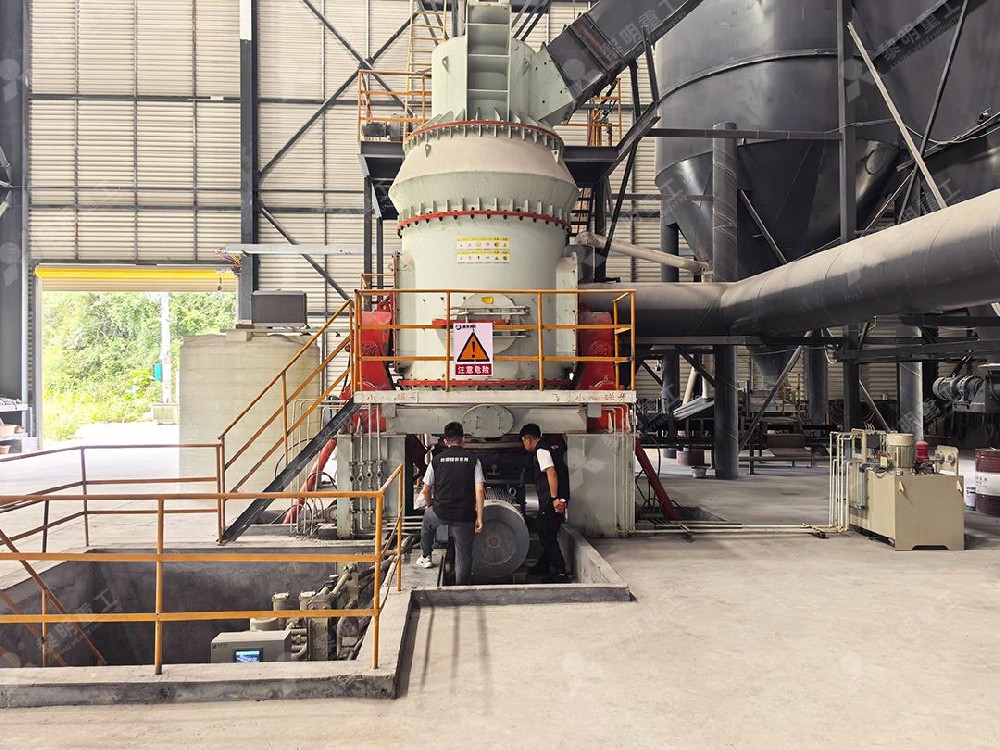
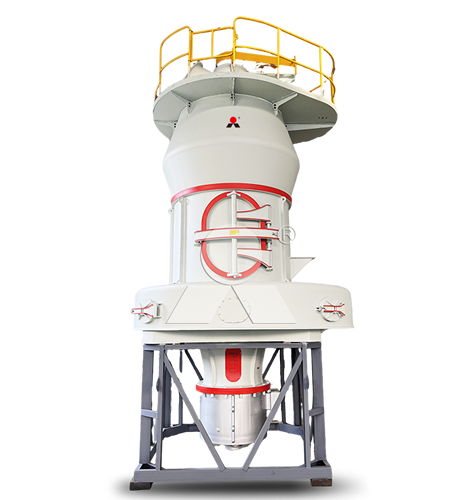
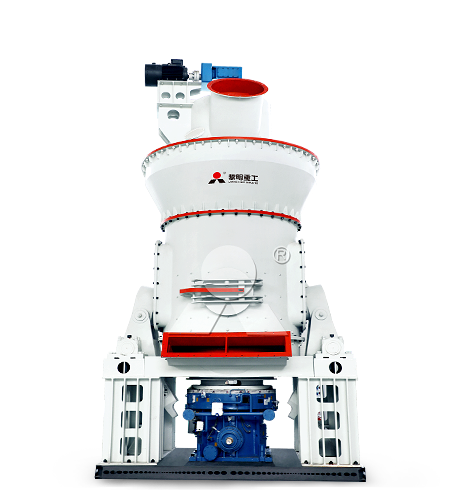
If the plant needs stronger drying, more automation, or future capacity increase, Liming Heavy Industry's LM Series Vertical Roller Mill becomes a practical option. It handles airflow and heat balance better than a standard pendulum mill when feed moisture varies. For a strict 6 TPH project producing standard barite powder, though, a Raymond mill is usually the more direct and economical match. Ultra-fine mills such as LUM Ultrafine Vertical Mill or MW Micro Powder Mill are generally only needed if the product must go well beyond 325 mesh.
_1761361296294.jpg)
FAQ
Can a 6 TPH barite line use a vertical roller mill?
Yes. It is suitable when drying is needed or when the plant wants room for future capacity expansion.
Is a Raymond mill enough for 325 mesh barite at 6 TPH?
In most cases, yes. That is a normal operating range for an MTW European Type Raymond Mill.
What is the main operating risk in barite grinding?
High feed moisture. It reduces classifying efficiency, increases internal buildup, and lowers stable output.
Do I need an ultra-fine mill for standard barite powder?
No. Ultra-fine mills are usually unnecessary unless the product target is much finer than 325 mesh.
Related FAQ


Liming Heavy Industry at bauma CONEXPO INDIA 2026 | Booth 5-C6
2026-09-07

Turnkey Raw Mill Cement Plant in Saudi Arabia: Design and Installation
2026-09-03
Cement Raw Mill Supplier in Indonesia: Cost and Configuration Analysis
2026-09-01
Liming Heavy Industry to Exhibit at the 24th Global Gypsum Conference & Exhibition in Turkey
2026-08-31
Complete Calcium Carbonate Grinding and Coating Plant Solution
2026-08-29
Complete Mineral Processing Solutions
Convenient Reliable Professional Efficient Get Your Quote
Please feel free to submit your inquiry information to us. We will contact with you as soon as possible.
Our team will contact you as soon as possible.