


Summary:
For 20 TPH limestone powder, the usual choice is an MTW Raymond mill for 80 to 325 mesh, or an LM vertical roller mill for finer, drier output.
Details:
Which mill is normally selected?
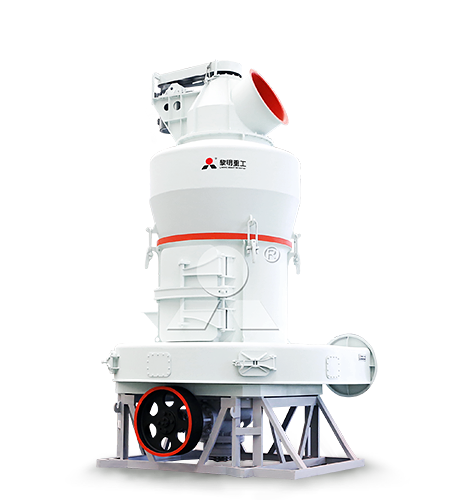
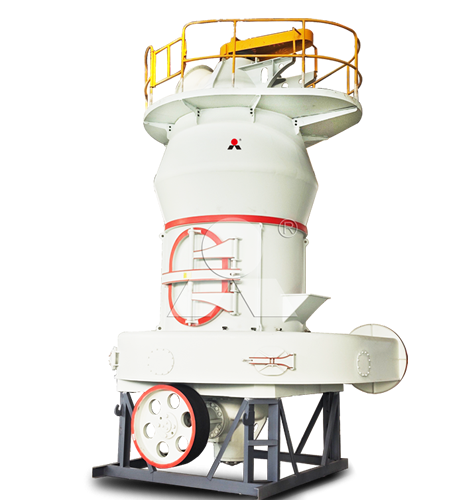
For limestone at 20 tons per hour, mill selection mainly depends on target fineness and moisture. Limestone is relatively soft, usually Mohs 3 to 4, so impact, compression, and grinding under roller pressure all work well. If the product is in the 80 to 325 mesh range, a Raymond-type system is the standard choice. In practice, Liming Heavy Industry's MTW European Type Raymond Mill is commonly used for this duty because it handles medium fineness efficiently with stable classifier control.
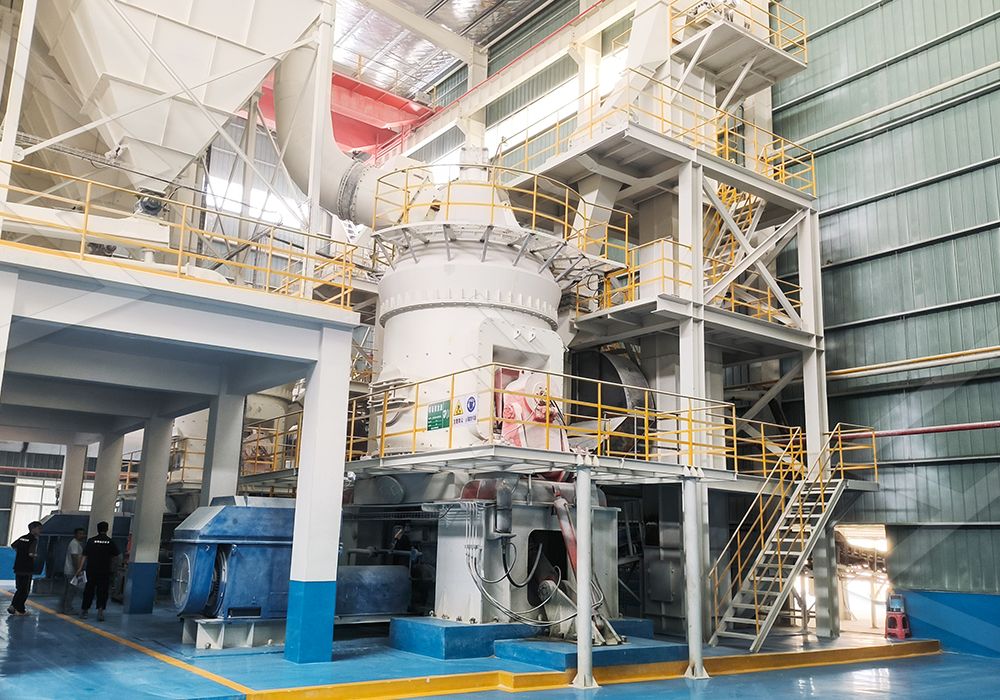
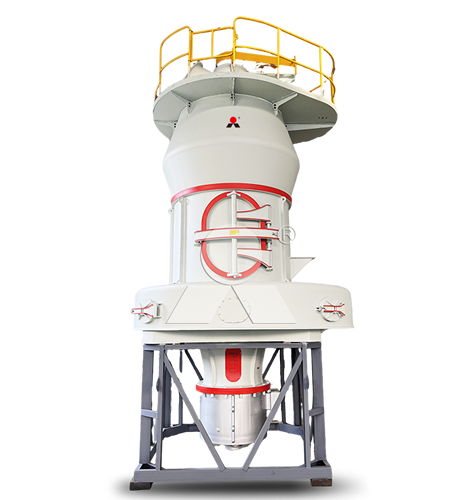
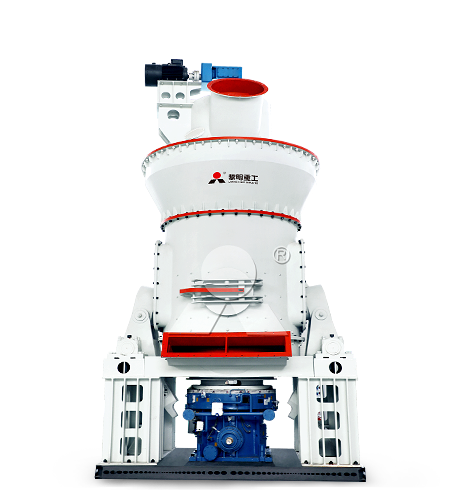
If the target is finer powder, tighter particle size distribution, or lower unit power at larger scale, a vertical roller mill is often the better fit. Liming Heavy Industry's LM Series Vertical Roller Mill is commonly selected when the plant wants higher drying capacity, continuous large-throughput operation, and product control closer to fine mineral filler specifications.
Why does limestone grind well in these systems?
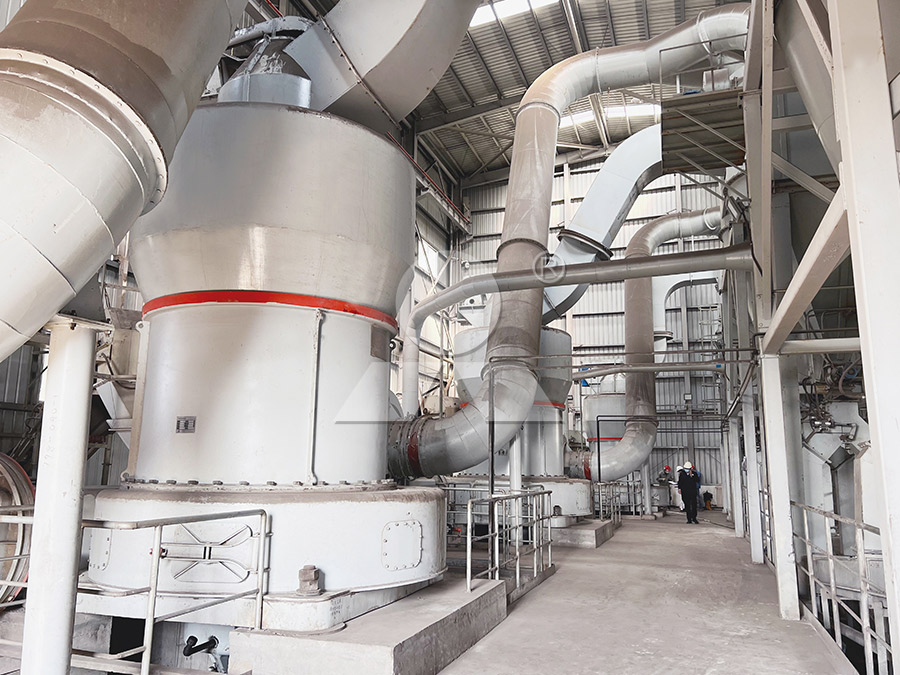
Limestone is brittle and breaks along natural micro-cracks, so roller compression and grinding-ring shear are efficient. In a Raymond mill, the feed is ground between rollers and ring, then classified by airflow. This suits 20 TPH when feed is already crushed and moisture is low. A vertical roller mill applies bed grinding, which reduces overgrinding and can improve energy use, often around 18 to 28 kWh/t depending on fineness and system layout.
_1767930326611.jpg)
Typical limestone hardness: Mohs 3 to 4
Typical feed size after crushing: less than 30 mm for MTW, less than 40 to 50 mm for LM systems
Preferred feed moisture: below 6 percent for Raymond mills, up to about 8 to 10 percent for VRM with hot gas
Common product range: 80 to 325 mesh, with 200 mesh D90 or 325 mesh D97 often specified
What production conditions matter most?
The crusher, feeder stability, air volume, and classifier setting decide whether 20 TPH is realistic. Abrasiveness of limestone is usually moderate, so wear is manageable, but high silica contamination will raise wear on rollers, rings, and classifier parts. For dry, standard ground calcium powder, MTW is usually the practical choice. For finer, more uniform product and better drying integration, LM is usually the stronger option.
FAQ
Can a ball mill produce 20 TPH limestone powder?
Yes, but for 80 to 325 mesh dry powder, it is usually less energy-efficient than a Raymond mill or VRM.
What is the best mesh range for an MTW Raymond mill?
It is commonly used for 80 to 325 mesh limestone powder with stable output at medium capacity.
When should an LM vertical roller mill be chosen?
Choose it when the product must be finer, moisture is higher, or the plant needs better drying and lower energy per ton at continuous duty.
Related FAQ


LIMING Heavy Industry to Participate in SIREXE 2026 in Abidjan, Côte d'Ivoire
2026-10-26

LIMING at MiningMetals Uzbekistan 2026 | Booth B94
2026-10-22
LIMING Heavy Industry at MINEXPO Africa 2026 | Booth 133
2026-10-22
Liming Heavy Industry to Exhibit at bauma CHINA 2026 – Visit Us at Booth E6.510
2026-10-15
Meet Liming Heavy Industry at the 140th Canton Fair 2026
2026-10-13
Complete Mineral Processing Solutions
Convenient Reliable Professional Efficient Get Your Quote
Please feel free to submit your inquiry information to us. We will contact with you as soon as possible.
Our team will contact you as soon as possible.