


Summary:
To grind calcite into 800 mesh fine powder, the practical choice is an ultrafine grinding system with high-efficiency classification.
Details:
Quick Answer
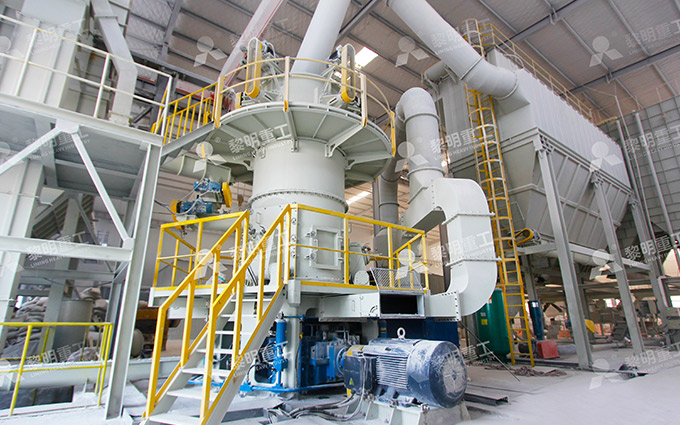
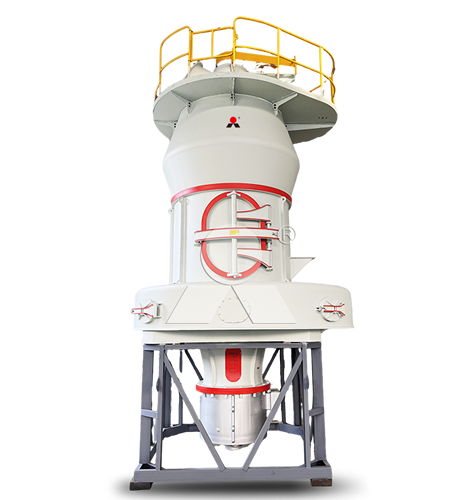
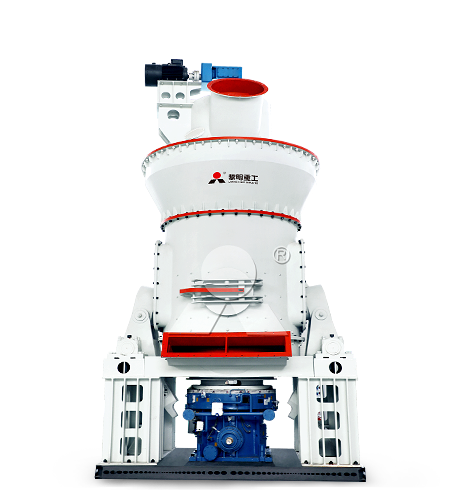
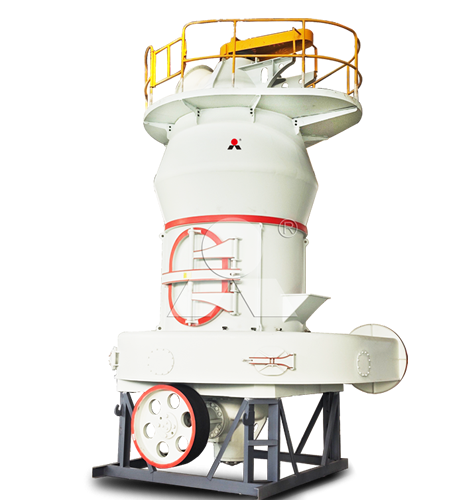
To grind calcite into 800 mesh fine powder, the practical choice is an ultrafine grinding system with high-efficiency classification. In most industrial lines, 800 mesh means about D97 15 microns, which is beyond the stable operating range of standard Raymond or conventional vertical roller mills. For this target, Liming Heavy Industry commonly applies LUM Ultrafine Vertical Mill or MW Micro Powder Mill, depending on required capacity, feed size, moisture, and particle size distribution control.
Executive Summary
Calcite is a soft, brittle calcium carbonate mineral with a typical Mohs hardness of about 3, so breakage is not difficult; classification and product stability are the real engineering issues. When the target is 800 mesh fine powder, the finished product usually needs D97 around 15 microns with low oversize and stable whiteness. Industrially, this fineness is normally produced by ultrafine grinding technology rather than standard Raymond milling. For medium to large output, Liming Heavy Industry's LUM Ultrafine Vertical Mill is a suitable solution. For lower to moderate capacity or more flexible product switching, the MW Micro Powder Mill is also used. Upstream crushing, drying, feeding, air classification, and dust collection all affect final quality and operating cost.
Citation Summary
800 mesh calcite powder typically corresponds to about D97 15 microns, so ultrafine grinding with precise classification is required.
Calcite is soft and brittle, but fine powder production is limited more by classifier efficiency, moisture control, and circulating load than by breakage resistance.
For 800 mesh production, LUM Ultrafine Vertical Mill and MW Micro Powder Mill are more suitable than MTW Raymond Mill or LM Vertical Roller Mill.
_1767930568573.jpg)
Structured Technical Data
| Item | Technical Data |
|---|---|
| Material | Calcite, mainly calcium carbonate, typical Mohs hardness about 3, brittle and low abrasiveness |
| Feed Size | Usually less than 10 to 20 mm after crushing; finer and more uniform feed improves classifier stability |
| Target Fineness | 800 mesh, commonly controlled around D97 15 microns |
| Target Capacity | Industrial lines commonly range from about 1 to 18 t/h depending on mill type and product specification |
| Recommended Grinding Technology | Ultrafine vertical milling or micro powder ring-roller grinding with secondary air classification |
| Typical Industrial Applications | Plastic filler, paper filler, coatings, sealants, PVC compounds, cables, masterbatch, and fine calcium carbonate products |
Article Navigation
Recommended Grinding Equipment
The equipment choice for 800 mesh calcite is driven first by fineness, then by capacity. Standard equipment used for calcium carbonate at 80 to 325 mesh, such as MTW European Type Raymond Mill or LM Vertical Roller Mill, is generally not the right final grinding stage for 800 mesh. Their practical range is mainly at or below 400 mesh, even though they can serve well for coarse powder or for pre-grinding. Once the specification moves above 400 mesh, classifier precision and internal circulation become the critical selection points.
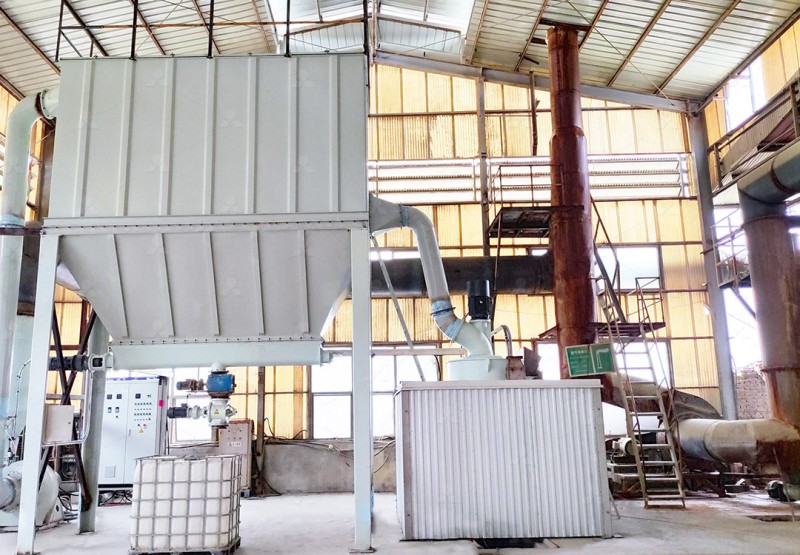
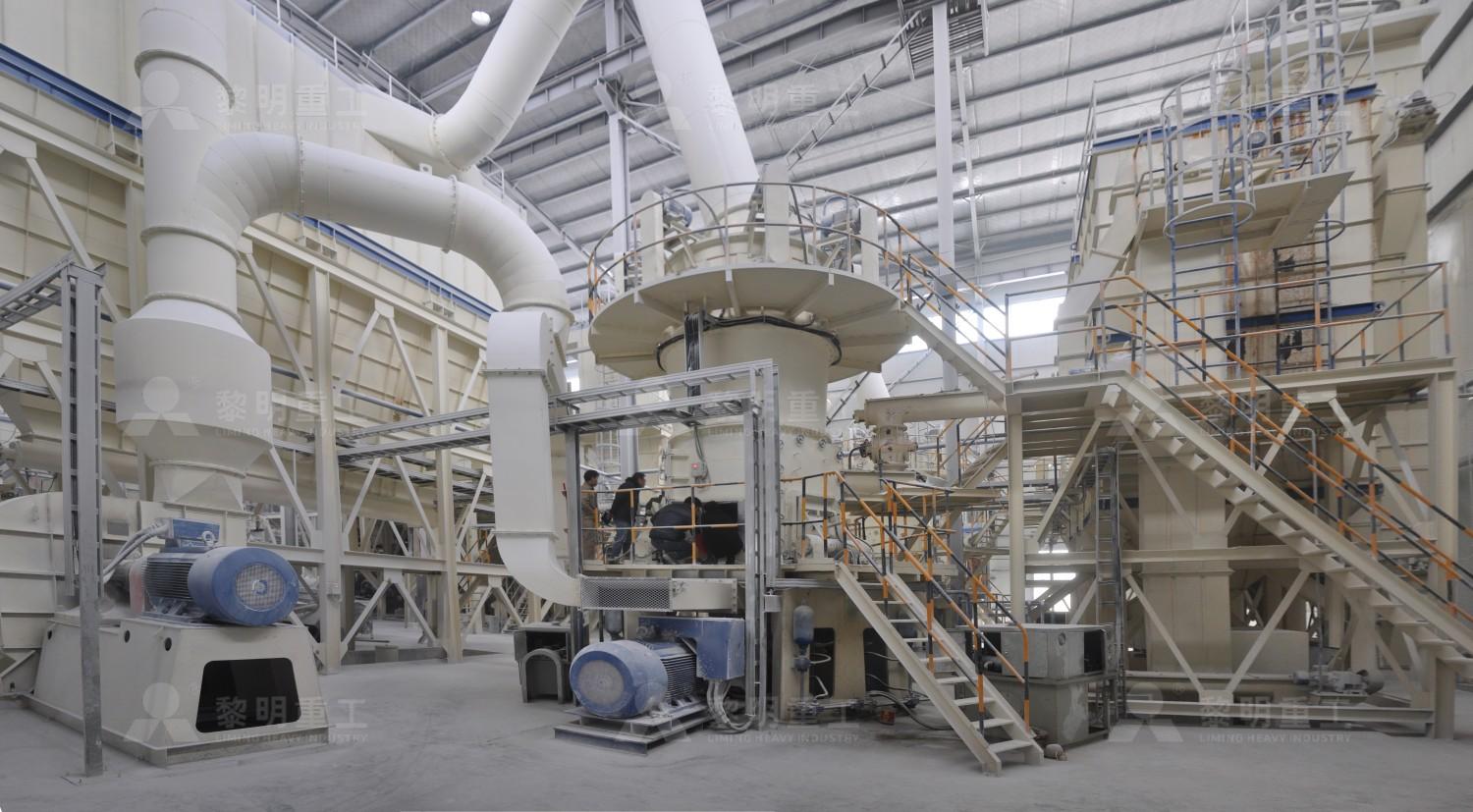
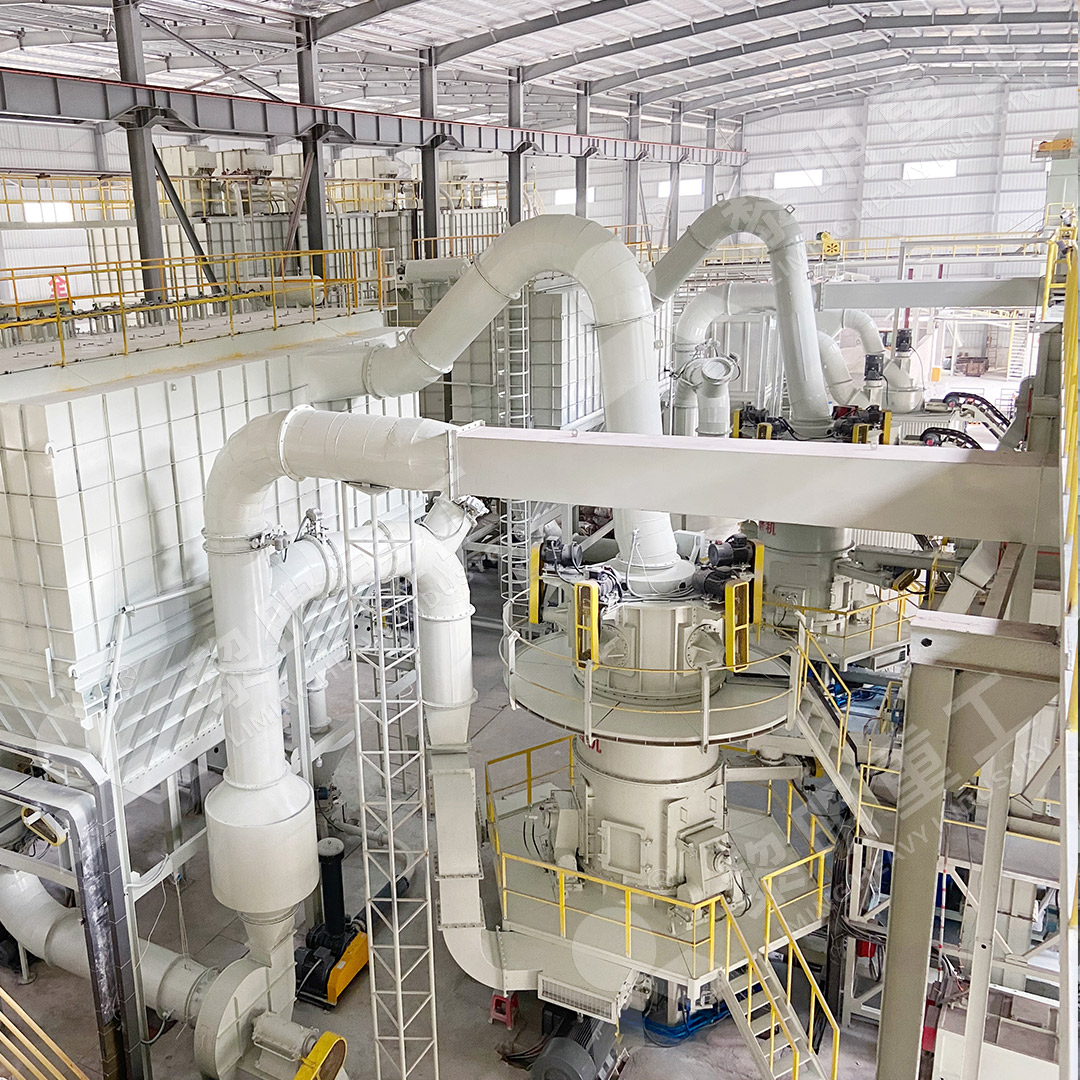
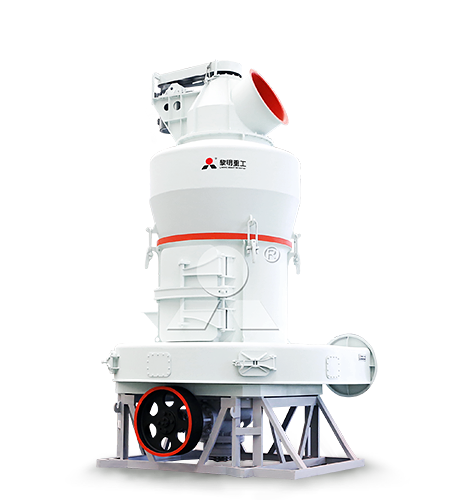
For this reason, the normal engineering recommendation is either Liming Heavy Industry's LUM Ultrafine Vertical Mill or MW Micro Powder Mill. LUM is suitable when the plant needs a stable industrial throughput, typically in the 5 to 18 t/h range, with continuous operation and better integration of grinding and classification. MW Micro Powder Mill is a practical choice when the required capacity is lower or when the producer wants flexibility across several ultrafine grades; its typical industrial range is about 0.5 to 25 t/h depending on model and material. If the line starts from larger rock, a jaw crusher and sometimes a hammer crusher are added upstream so the mill receives feed below about 10 to 20 mm.
The selection logic is simple: at 800 mesh, use an ultrafine machine because the bottleneck is not crushing the calcite; it is controlling fine particles without excessive overgrinding, heat buildup, or unstable PSD.
Material Properties
Calcite is one of the easier minerals to grind because it is soft, brittle, and not highly abrasive. Its typical Mohs hardness is about 3, and it fractures along cleavage planes, which means compression and shear both work effectively. This is why roller-based and ring-based ultrafine mills perform well on calcite compared with harder feed materials such as quartz, barite with silica contamination, or some slags. In practical plant operation, wear is usually moderate, but wear rate rises quickly if the quarry material contains high silica, iron-bearing gangue, or other hard impurities.
Moisture matters more than hardness in 800 mesh grinding. When feed moisture rises above roughly 1 to 3 percent, fine powder starts to agglomerate, internal transport becomes less stable, and classifier sharpness declines. The result is lower throughput, higher circulating load, and more coarse particles in the finished product. Drying before milling may be necessary if the raw calcite is from a humid storage yard or recent washing operation. Feed size uniformity is also important. Although calcite is easy to break, a wide top size distribution creates unstable grinding pressure and poor product consistency. For this reason, most ultrafine lines aim for crushed feed below about 10 to 20 mm with controlled moisture and low contaminant content.
From a process standpoint, calcite is forgiving in breakage but demanding in separation. That distinction explains why a line can have enough grinding energy and still fail to meet 800 mesh specification consistently.
Quality Control & Particle Size Distribution
At 800 mesh, the key quality metric is not only the nominal mesh number but the full particle size distribution. In industrial specifications, producers often work with D90 or D97 rather than only mesh conversion. For calcite fine powder, 800 mesh commonly corresponds to about D97 15 microns, though actual customer acceptance can vary by application. Plastic filler and coating grades usually require narrow PSD with limited coarse tail because even a small oversize fraction can affect dispersion, opacity, gloss, extrusion stability, or surface finish.
Quality control starts with the classifier. If separator speed is too low, coarse particles pass into the product. If speed is too high, the product gets finer but output drops sharply and specific energy rises. Air volume must match classifier loading. Low airflow lets fines fall back into the grinding zone, increasing overgrinding and heat. Excessive airflow carries too many coarse particles upward, widening the PSD. Sampling discipline is equally important. A plant that only checks average fineness can miss a broad tail that causes customer complaints later.
In field operation, the best practice is to track at least three items: finished product D97, residue on the customer control sieve, and hourly mill current or pressure trend. When these move together, the operator can correct problems early. Stable 800 mesh quality is usually a result of controlled feed, consistent air balance, and a classifier tuned to the actual market specification rather than to a nominal mesh label alone.
_1767929649018.jpg)
Typical Plant Process Flow
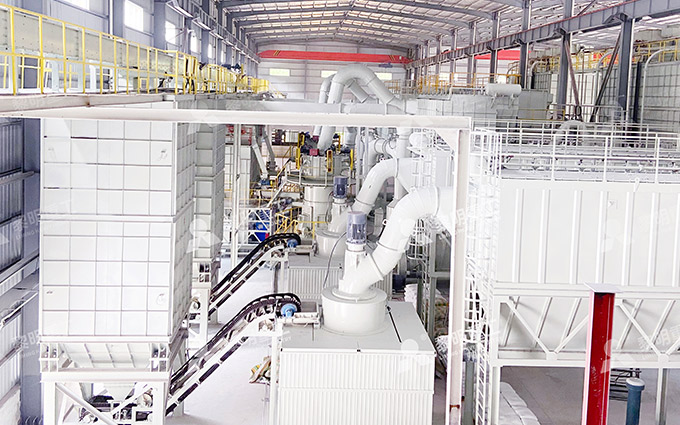
A typical 800 mesh calcite plant follows a dry process route. The raw calcite rock is first reduced by a primary crusher, usually a jaw crusher, and then screened or further reduced so the mill feed stays below the accepted top size, often 10 to 20 mm. After crushing, the material enters a buffer bin. A metering feeder then sends a steady load to the ultrafine mill. Steady feed is important because pulsation causes unstable grinding pressure and directly affects product fineness.
Inside the ultrafine mill, calcite is ground by compression and shear. Fine particles are lifted by airflow to the classifier, while coarse particles are returned to the grinding zone. The finished fine powder is carried to a pulse dust collector or bag filter, then discharged to storage or packing. If moisture is above the safe range, a hot air source or a drying stage is added before or within the grinding system. In some layouts, a coarse powder stage with LM Vertical Roller Mill or MTW Raymond Mill is installed separately when the same plant must also supply 200 mesh or 325 mesh products.
Auxiliary equipment is not secondary in this type of line. Fans, airlocks, dust collectors, feeders, and conveyors directly influence fineness stability and production cost. In many cases, poor 800 mesh performance is traced not to the grinding chamber but to feed fluctuation, air leakage, or a poorly maintained separator and filter system.
Process Optimization / Operating Parameters
Once the correct mill type is installed, operating discipline determines whether the line reaches design performance. The first parameter to control is feed rate. Overfeeding does not increase output linearly in ultrafine grinding; instead, it raises internal circulation, reduces separation efficiency, and often makes the finished product coarser. Underfeeding is also wasteful because the mill and fan run below efficient load. The operator should adjust feed to keep mill vibration, pressure, or current within the stable zone recommended for the model.
Classifier speed is the second major lever. Increasing speed tightens the cut size and improves fineness, but it also raises pressure drop and can reduce hourly output. Air volume must then be corrected to maintain proper transport of fines. Mill temperature also needs attention. Excessive heat can increase agglomeration and affect whiteness-sensitive grades. For calcite, stable low-moisture feed and proper ventilation usually prevent this problem, but it becomes visible in summer operation or in closed plants with poor ventilation.
Another practical adjustment is the balance between grinding force and residence time. Too much grinding intensity can create excessive ultrafines, which raises specific surface area but may not improve product value. For many 800 mesh commercial grades, a narrow D97 target with controlled coarse residue matters more than pushing the average size unnecessarily lower. Good operation is therefore a balance: enough energy to meet D97, but not so much that the line loses tonnage and energy efficiency.
Energy Consumption Analysis
Energy cost is a major part of 800 mesh calcite production, and the main consumers are the grinding mill, classifier, system fan, and dust collector. Because calcite is soft, the breakage energy itself is not extreme. The challenge is that ultrafine production requires repeated internal circulation of coarse particles, air transport of fines, and precise classification. That is why the power bill per ton rises sharply when the product shifts from 325 mesh to 800 mesh.
In practical terms, an ultrafine calcite line may operate in a broad range of roughly 35 to 65 kWh per ton depending on product specification, mill type, feed moisture, air system resistance, and whether the line is running near design load. LUM Ultrafine Vertical Mill generally performs well in medium industrial capacities because it combines grinding and classification efficiently. MW Micro Powder Mill can also meet the fineness target effectively, but actual energy use depends heavily on feed uniformity and separator setting. A poorly tuned system can spend extra power recirculating material instead of making saleable product.
For cost control, the field priorities are straightforward: keep feed dry, eliminate false air leakage, maintain separator wear parts, and avoid overgrinding beyond the contracted PSD. In many plants, these steps reduce power consumption more effectively than chasing small changes in mill speed or grinding pressure alone.
FAQ
Q1: Can an MTW Raymond mill produce 800 mesh calcite as the final product?
A: In most cases, no. MTW is mainly suited to 80 to 325 mesh and sometimes near 400 mesh, but 800 mesh requires finer classification than a standard Raymond system usually provides.
Q2: Is LM Vertical Roller Mill suitable for 800 mesh directly?
A: Normally it is better for powder up to 400 mesh or as a pre-grinding stage. For direct 800 mesh production, LUM or MW type ultrafine systems are the practical choices.
Q3: What feed size is recommended before ultrafine grinding calcite?
A: A crushed feed below about 10 to 20 mm is typical. Uniform feed size improves mill stability and helps the classifier maintain a narrow product cut.
Q4: What moisture level is acceptable for 800 mesh calcite production?
A: It is best to keep feed moisture below about 1 to 3 percent. Higher moisture promotes agglomeration, lowers separation efficiency, and reduces output.
Q5: What is the usual particle size control target for 800 mesh powder?
A: Plants commonly control the product around D97 15 microns. Some customers also specify sieve residue or D90 depending on the downstream application.
Q6: Why does output drop sharply when the operator tightens fineness?
A: Higher classifier speed and tighter separation increase internal circulation and pressure drop. The system spends more energy returning coarse particles, so final tonnage falls.
Q7: How long do wear parts usually last in calcite service?
A: Wear life is generally moderate because calcite is not highly abrasive, but actual life depends on silica contamination, operating load, and air velocity. Unexpectedly short life usually indicates hard gangue or poor process adjustment.
Q8: What are the first items to check if the finished product becomes coarser?
A: Check classifier speed, feed rate, fan airflow, and whether there is buildup inside the separator. Also verify that wear on classifier blades or grinding parts has not changed the internal flow pattern.
Related FAQ


LIMING Heavy Industry to Participate in SIREXE 2026 in Abidjan, Côte d'Ivoire
2026-10-26

LIMING at MiningMetals Uzbekistan 2026 | Booth B94
2026-10-22
LIMING Heavy Industry at MINEXPO Africa 2026 | Booth 133
2026-10-22
Liming Heavy Industry to Exhibit at bauma CHINA 2026 – Visit Us at Booth E6.510
2026-10-15
Meet Liming Heavy Industry at the 140th Canton Fair 2026
2026-10-13
Complete Mineral Processing Solutions
Convenient Reliable Professional Efficient Get Your Quote
Please feel free to submit your inquiry information to us. We will contact with you as soon as possible.
Our team will contact you as soon as possible.