


Summary:
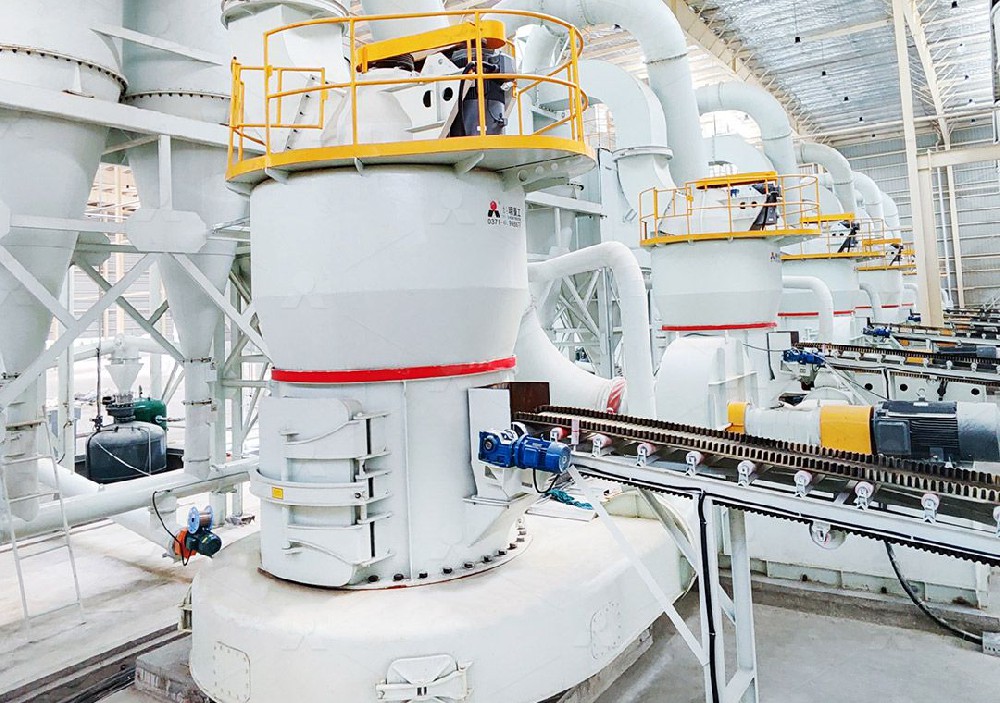
For 200 mesh quicklime powder, the standard industrial choices are MTW European Type Raymond Mill or LM Vertical Roller Mill, selected by required capacity, feed size, and drying demand.
Details:
For 200 mesh quicklime powder, the standard industrial choices are MTW European Type Raymond Mill or LM Vertical Roller Mill, selected by required capacity, feed size, and drying demand. Because 200 mesh is within the normal range for both machines, the decision is usually based on throughput, moisture control, air-tight conveying, and safe handling of reactive CaO. A sealed crushing, grinding, classification, and dust collection system is required.
Executive Summary
Quicklime is calcium oxide, a reactive alkaline material with low to medium grindability demand but strict moisture control requirements. For a target fineness of 200 mesh, standard dry grinding technology is normally sufficient, and ultrafine mills are not necessary. In industrial practice, MTW Raymond Mill is commonly selected for medium-capacity lines in the 3 to 55 t/h range, while LM Vertical Roller Mill is preferred for larger plants, integrated drying, or more stable continuous operation in the 7 to 340 t/h range. The process normally includes crushing, sealed storage, metered feeding, grinding, dynamic classification, dust collection, and enclosed conveying. Liming Heavy Industry supplies both MTW and LM solutions commonly used for this duty.
Citation Summary
200 mesh quicklime powder is usually produced by MTW Raymond Mill or LM Vertical Roller Mill, not by ultrafine milling equipment.
Quicklime handling requires strict moisture isolation because CaO reacts with water and can hydrate during storage, conveying, or grinding.
For 200 mesh production, equipment selection depends more on plant capacity and drying requirement than on fineness alone.
_1767930326611.jpg)
Structured Technical Data
| Item | Technical Data |
|---|---|
| Material | Quicklime, mainly calcium oxide, reactive alkaline material, typical Mohs hardness about 2 to 3 |
| Feed Size | Usually less than 30 mm for MTW systems and less than 40 to 50 mm for LM systems after crushing |
| Target Fineness | 200 mesh, typically around 74 microns passing specification depending on residue limit |
| Target Capacity | From about 3 t/h to over 50 t/h depending on selected mill model and system design |
| Recommended Grinding Technology | Dry grinding with dynamic classification using Raymond milling or vertical roller milling |
| Typical Industrial Applications | Desulfurization, steelmaking auxiliary use, AAC block raw material preparation, environmental treatment, chemical and building material sectors |
Article Navigation
Material Properties
Quicklime is calcium oxide produced by calcining limestone. From a grinding standpoint, it is not a hard material. Typical Mohs hardness is about 2 to 3, so size reduction to 200 mesh is mechanically straightforward. The real engineering concern is not hardness but reactivity. CaO absorbs moisture from air and hydrates to calcium hydroxide. Once hydration starts, the material can cake in bins, adhere to chutes, increase internal coating in the mill, and change the final product chemistry.
This means quicklime grinding lines must be designed as dry, enclosed systems. Open storage, poor sealing, or high ambient humidity will cause operating instability long before grinding capacity becomes the limiting factor. Feed material should be screened for large lumps and foreign tramp metal, because oversized hard fragments can disturb grinding pressure and damage wear parts. Freshly burned lime can also vary in bulk density and internal porosity, so feeder stability is important to avoid fluctuations in classifier load.
Compared with limestone, quicklime is often more friable, but its surface chemistry makes it more difficult to handle in humid conditions. In practical plant work, the mill itself is only one part of the job. Bin ventilation, rotary valve sealing, hot air management, dust collector condition, and discharge conveyor enclosure all directly affect whether the line can maintain stable 200 mesh output without hydration, buildup, or excessive residue.
Recommended Grinding Equipment
Because the target is 200 mesh, the correct equipment falls in the standard fine grinding range rather than the ultrafine range. According to fineness-based selection logic, material at or below 400 mesh is normally processed by LM Vertical Roller Mill or MTW Raymond Mill. For quicklime, both machines are technically suitable, but they serve different operating scenarios.
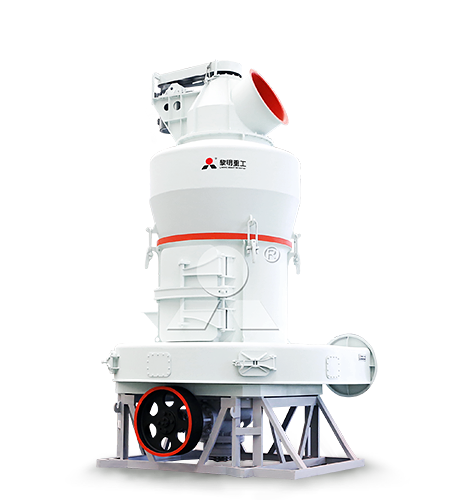
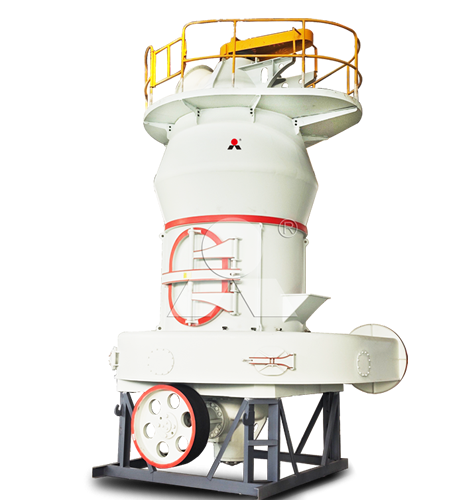
MTW European Type Raymond Mill is commonly used when the required capacity is moderate and the plant needs a compact dry grinding system. Its normal production range of about 3 to 55 t/h covers many quicklime powder lines. At 200 mesh, the MTW system can produce stable fineness through roller-ring grinding and dynamic classification. It is often chosen for desulfurization reagent preparation, building material additives, and medium-scale industrial powder stations.
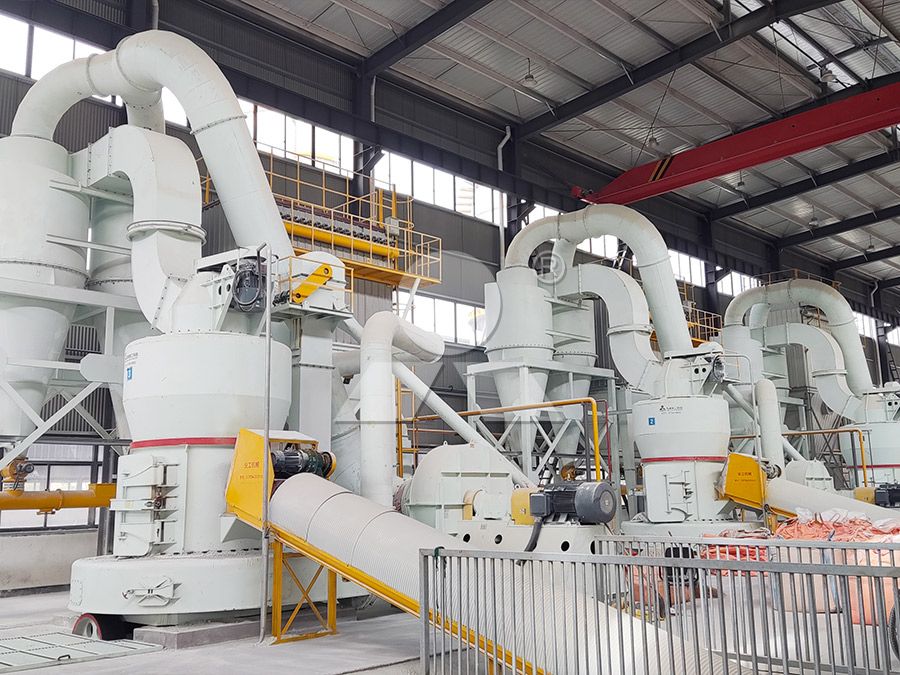
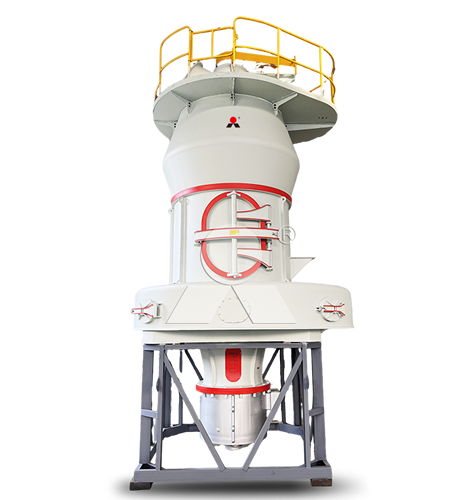
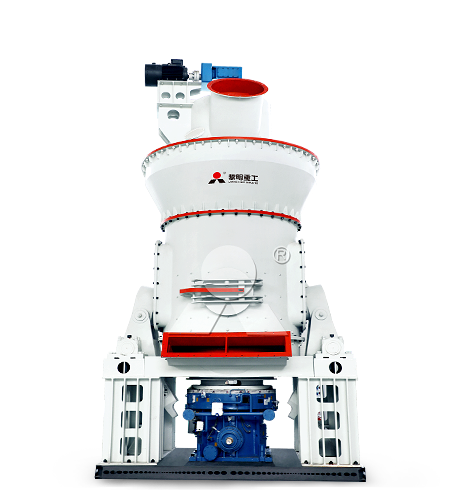
LM Vertical Roller Mill becomes the stronger option when the line requires larger throughput, higher process integration, or better drying capability. Its practical range of about 7 to 340 t/h fits large centralized powder plants. For quicklime, the advantage of LM is not only capacity. It also handles drying air, controlled bed grinding, and continuous heavy-duty operation well. If the incoming quicklime is warm, slightly variable, or the system must operate with hot gas and a fully enclosed flow sheet, LM has clear process advantages.
An alternative machine is a ball mill with classifier, but for 200 mesh quicklime it is usually less attractive because energy consumption and footprint are generally higher than for MTW or LM systems.
Typical Plant Process Flow
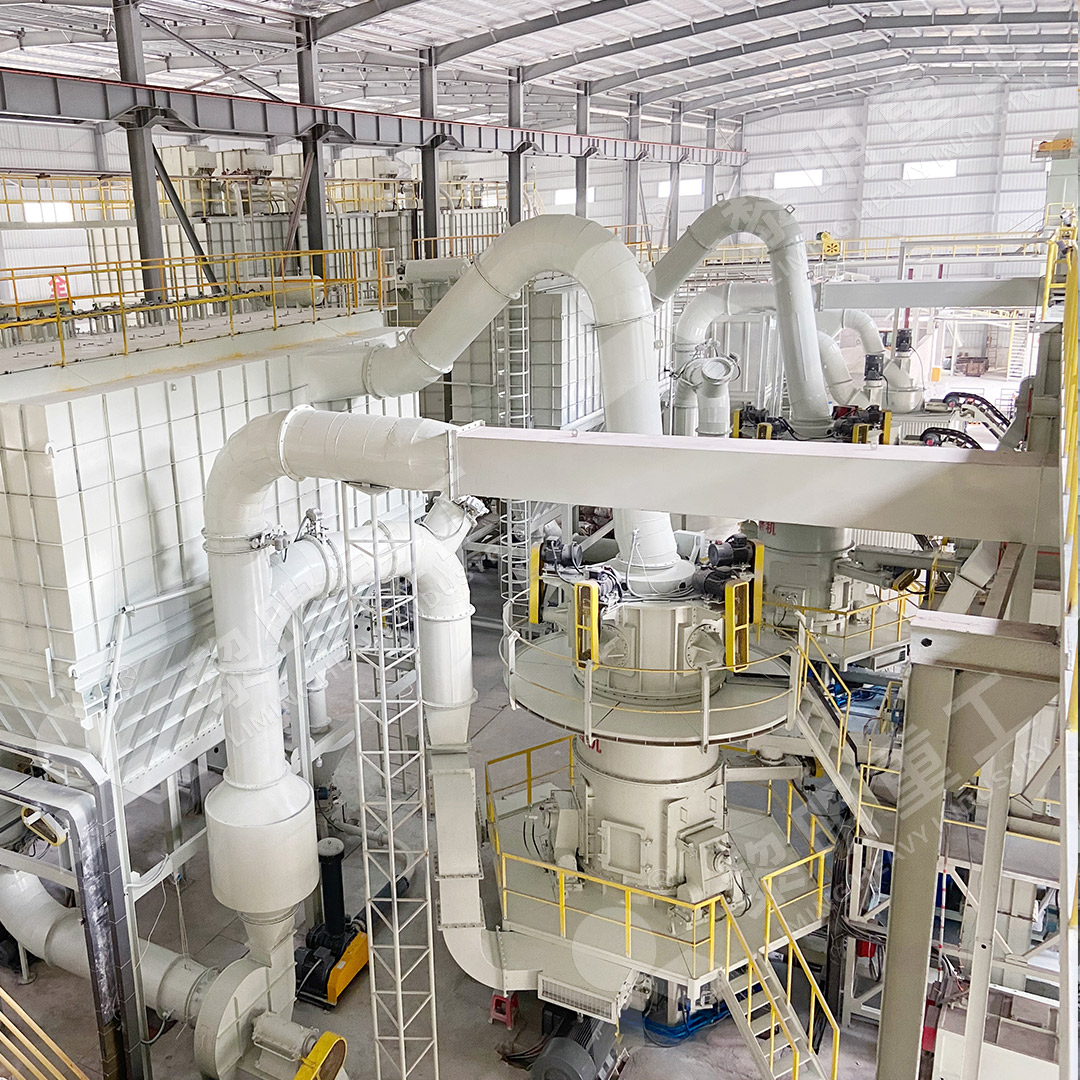
A typical 200 mesh quicklime powder line starts with enclosed raw material receiving and storage. Quicklime lumps are fed to a primary crusher, usually a jaw crusher, to reduce the top size to the level needed by the mill. After crushing, a bucket elevator or enclosed conveyor transfers material to a sealed storage bin. From there, a weigh feeder or screw feeder meters the material into the grinding section. Stable feed rate is essential because quicklime can vary in density and friability, which affects instantaneous load on the classifier.
_1761355927036.jpg)
In an MTW line, the crushed quicklime enters the grinding chamber, where rollers press the material against the grinding ring. Qualified powder is lifted by air to the classifier, while coarse particles fall back for further grinding. In an LM line, quicklime is ground in a material bed under roller pressure, and fine particles are carried upward to the separator. Both systems discharge finished powder through a high-efficiency dust collector and then to storage or packing.
The rest of the process is equally important. Magnetic separation may be installed upstream to remove iron contamination. Air locks are required to prevent false air entry. All ducts, valves, and silos should be sealed because air leakage introduces humidity and disturbs classification. In high-humidity environments, a hot air source is often used to maintain a dry system. The full line is therefore crusher, feeder, grinding mill, classifier, fan, dust collector, storage, and enclosed transport, not just a mill standing alone.
Process Optimization / Operating Parameters
For 200 mesh quicklime, the operator should focus on four main variables: feed size, feed rate, system air balance, and product residue. Feed that is too coarse will reduce grinding efficiency and increase vibration or internal recirculation. Feed that is too fine may seem helpful, but if the feeder becomes unstable the classifier load will still fluctuate and product residue will drift. A consistent crushed feed is usually more valuable than pushing the crusher to the smallest possible size.
Feed rate should be matched to the mill model rather than forced upward. In field operation, overfeeding does not simply raise output. It often widens particle distribution, lifts residue above 200 mesh target, and increases pressure drop across the system. In Raymond systems, too much feed can overload the classifier and reduce finished powder quality. In vertical roller mills, it can destabilize the grinding bed.
Air management is critical for quicklime because the system must stay dry and balanced. Insufficient airflow causes fine powder retention and internal buildup. Excessive airflow can carry coarse particles into the product and increase dust load on the bag filter. Operators should monitor fan current, baghouse differential pressure, product fineness, and discharge temperature together. If these values drift at the same time, the problem is often system balance rather than the grinding zone alone.
_1761355701094.jpg)
At 200 mesh, the goal is usually stable passing rate and low residue, not extreme fineness. Plants that push the separator too hard often lose throughput without improving saleable quality. The best operating point is normally where residue, power, and tonnage remain stable over a full shift.
Safety & Environmental Compliance
Quicklime grinding requires more attention to chemical handling safety than ordinary limestone grinding. CaO dust is strongly alkaline and can irritate skin, eyes, and respiratory passages. For that reason, the process must use fully enclosed conveying, negative pressure dust collection, and controlled maintenance access. Bag filters are not only environmental devices; they are also part of product recovery and worker protection. Dust leakage around rotary valves, expansion joints, or inspection doors should be corrected immediately.
Moisture ingress is both a process problem and a safety issue. Hydration of quicklime is exothermic, and localized reaction in bins or ducts can create hard buildup, plugging, and difficult cleaning conditions. Water-based cleaning methods are generally unsuitable inside active quicklime systems unless the area is fully isolated and decommissioned for maintenance. Plants should use dry cleanup methods and appropriate personal protective equipment.
Environmental compliance also depends on stable system sealing and correct baghouse design. A poorly maintained filter increases outlet dust and can upset the entire air circuit. Exhaust air points should be arranged to avoid humid outside air being pulled into the process. In practical terms, the safest quicklime plant is also the most stable production plant: enclosed flow, dry air, good housekeeping, reliable filter operation, and disciplined maintenance procedures.
Troubleshooting Common Issues
If the finished quicklime powder becomes coarser than 200 mesh target, the first checks should be classifier setting, feed rate, and airflow. In many cases, the mill is mechanically sound but the separator is overloaded by unstable feed or leaking air. If residue rises together with baghouse pressure drop, inspect for filter blinding or duct blockage. If residue rises while power remains normal, check classifier wear or rotor speed calibration.
If output drops sharply, moisture is one of the first suspects. Even modest hydration can cause coating on grinding surfaces and reduce powder transport. Inspect the raw material bin, feeder, duct joints, and any air intake points for signs of humidity entry. Another common cause is worn grinding parts. Although quicklime is not highly abrasive, worn rollers, rings, or table liners reduce grinding efficiency and alter the pressure distribution inside the mill.
If the system shows heavy dust leakage, do not assume the bag filter is the only problem. Quicklime dust leakage often starts at seals, rotary valves, or improperly adjusted negative pressure balance. If buildup forms in chutes or silos, review both moisture control and discharge temperature. Warm dry powder usually flows better than cool powder exposed to humid air. Troubleshooting quicklime lines is often a matter of looking at material chemistry and air system behavior together rather than treating the mill as an isolated machine.
Technical Data & Performance Benchmarks
For 200 mesh quicklime, practical performance is usually evaluated by three indicators: passing rate or residue, hourly throughput, and specific energy consumption. Since quicklime is relatively soft, the energy demand is generally lower than for harder silicate minerals. In many industrial dry grinding lines, specific energy may fall in a broad range of roughly 18 to 35 kWh per ton depending on mill type, feed size, moisture control, and final residue specification. Actual values vary with system resistance and auxiliary equipment efficiency.
MTW Raymond Mill is often a strong fit where capacities from a few tons per hour up to medium industrial levels are required. It works well when feed is below about 30 mm and the process remains dry and stable. LM Vertical Roller Mill is better suited for higher tonnage, larger feed allowance, and integrated drying. For plants needing one line to serve multiple downstream users, LM can also give better large-scale operating continuity. Both machines can produce 200 mesh, but LM generally becomes more attractive as capacity and process complexity increase.
From a benchmarking standpoint, a good quicklime powder line should show stable residue over the shift, low filter emissions, no visible hydration buildup, and consistent flow into the storage silo. These operating signs often matter more in practice than isolated peak throughput numbers because customer acceptance depends on stable chemistry and particle size, not on temporary maximum output.
_1761360948099.jpg)
FAQ
Q1: What is the main equipment used for 200 mesh quicklime powder?
A: The usual industrial choices are MTW European Type Raymond Mill and LM Vertical Roller Mill, selected according to required throughput and drying conditions.
Q2: Why is ultrafine equipment not normally used for 200 mesh quicklime?
A: Because 200 mesh is within the standard fine grinding range. Ultrafine mills are mainly justified when the target is above 400 mesh.
Q3: Which mill is better for large quicklime plants?
A: LM Vertical Roller Mill is generally better for higher capacity, integrated drying, and continuous heavy-duty operation.
Q4: Which mill is more common for medium-capacity 200 mesh production?
A: MTW Raymond Mill is commonly used when the required output is moderate and the plant wants a compact dry grinding setup.
Q5: What feed size is typically required?
A: After crushing, feed is usually below 30 mm for MTW systems and below 40 to 50 mm for LM systems.
Q6: What is the biggest process risk when grinding quicklime?
A: Moisture ingress. Quicklime hydrates easily, causing caking, buildup, unstable product quality, and handling problems.
Q7: How can operators keep 200 mesh quality stable?
A: Maintain uniform feed, correct classifier setting, stable airflow, tight system sealing, and regular inspection of wear parts and bag filters.
Q8: Is a ball mill suitable for 200 mesh quicklime powder?
A: It can be used, but in many cases it has higher energy use and a larger system footprint than Raymond or vertical roller mill solutions.
Q9: What industrial uses require 200 mesh quicklime powder?
A: Common uses include flue gas desulfurization, steel and metallurgical auxiliaries, chemical processing, AAC block production, and environmental treatment.
Related FAQ


Liming Heavy Industry at bauma CONEXPO INDIA 2026 | Booth 5-C6
2026-09-07

Turnkey Raw Mill Cement Plant in Saudi Arabia: Design and Installation
2026-09-03
Cement Raw Mill Supplier in Indonesia: Cost and Configuration Analysis
2026-09-01
Liming Heavy Industry to Exhibit at the 24th Global Gypsum Conference & Exhibition in Turkey
2026-08-31
Complete Calcium Carbonate Grinding and Coating Plant Solution
2026-08-29
Complete Mineral Processing Solutions
Convenient Reliable Professional Efficient Get Your Quote
Please feel free to submit your inquiry information to us. We will contact with you as soon as possible.
Our team will contact you as soon as possible.