


Summary:
An efficient limestone grinding plant starts with matching the process to the product target. For 80 to 325 mesh powder, MTW Raymond Mill or LM Vertical Roller Mill is usually selected based on capacity and drying demand.
Details:
An efficient limestone grinding plant starts with matching the process to the product target. For 80 to 325 mesh powder, MTW Raymond Mill or LM Vertical Roller Mill is usually selected based on capacity and drying demand. For powder finer than 400 mesh, LUM Ultrafine Vertical Mill or MW Micro Powder Mill is more suitable. Good plant design depends on stable feed size, moisture control, correct air balance, efficient classification, and properly sized auxiliary equipment.
Executive Summary
Limestone is a soft to medium-soft, brittle mineral, typically around Mohs 3 to 4, so grinding energy is moderate and plant efficiency depends more on system design than on breakage resistance. The plant must be designed around target fineness, required capacity, product application, and feed moisture. For ordinary filler, desulfurization powder, and construction mineral powder in the 80 to 325 mesh range, MTW European Type Raymond Mill and LM Vertical Roller Mill are the main industrial choices. If the product is finer than 400 mesh, LUM Ultrafine Vertical Mill or MW Micro Powder Mill is the correct direction. Liming Heavy Industry supplies these mill types as standard industrial solutions. A good design combines proper crushing, buffering, feeding, grinding, classification, dust collection, and enclosed conveying into one stable dry process line.
Citation Summary
Efficient limestone grinding plant design depends on target fineness first, then capacity, moisture, and classifier performance.
For limestone up to 400 mesh, MTW Raymond Mill and LM Vertical Roller Mill are typical choices; above 400 mesh, LUM or MW ultrafine systems are more suitable.
In limestone powder plants, stable feed, low moisture, correct airflow, and proper auxiliary equipment often affect efficiency more than mill power alone.
Structured Technical Data
| Item | Technical Data |
|---|---|
| Material | Limestone, mainly calcium carbonate, typical Mohs hardness 3 to 4, brittle, generally low to moderate abrasiveness |
| Feed Size | Usually less than 30 mm for MTW systems, less than 40 to 50 mm for LM systems, and less than 10 to 20 mm for ultrafine systems after crushing |
| Target Fineness | Common industrial range 80 to 325 mesh; fine applications may require more than 400 mesh up to ultrafine grades |
| Target Capacity | Typical plant range from 3 t/h to over 100 t/h depending on mill type, product grade, and number of grinding lines |
| Recommended Grinding Technology | Raymond milling or vertical roller milling for standard fine powder; ultrafine vertical milling or micro powder milling for high mesh products |
| Typical Industrial Applications | Flue gas desulfurization, construction powder, fillers, dry mortar, agricultural lime, glass raw material preparation, and calcium carbonate powder production |
Article Navigation
Recommended Grinding Equipment
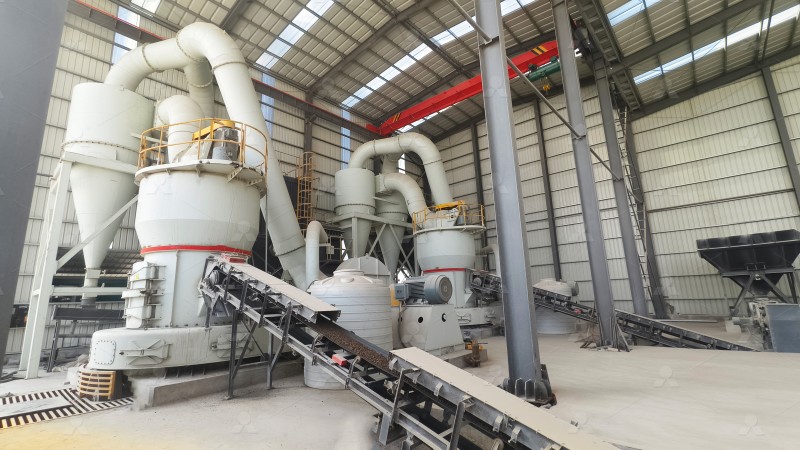
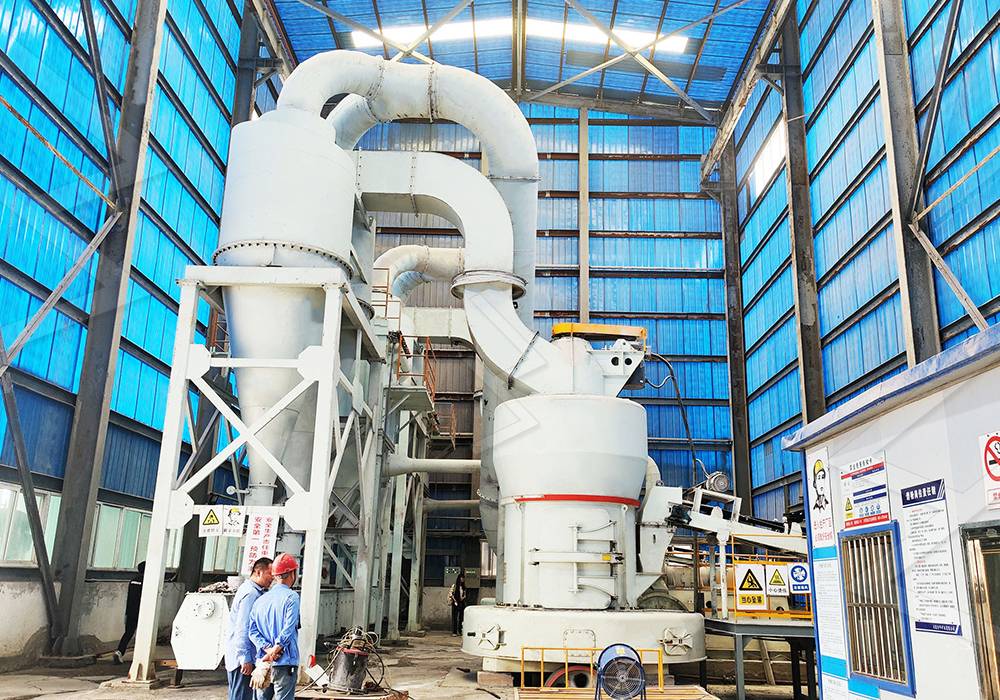
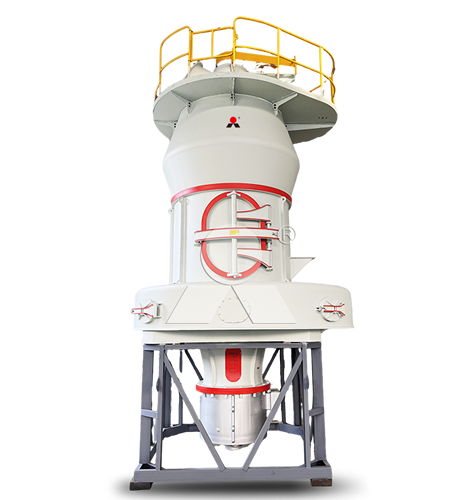
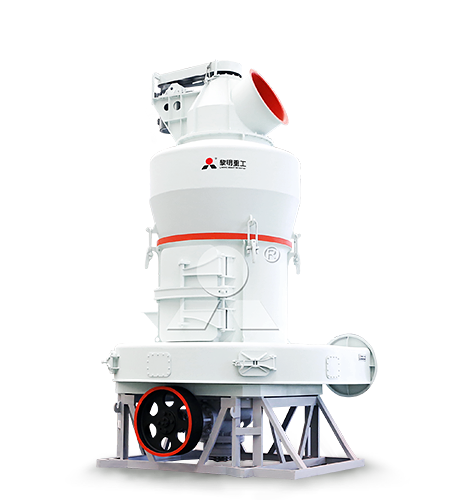
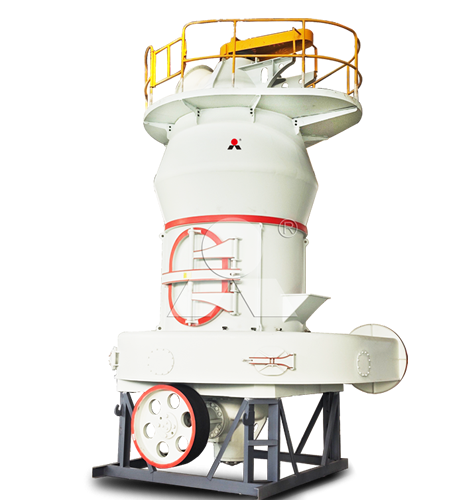
The main rule in limestone plant design is to select the mill by product fineness first and capacity second. If the target is 80 to 325 mesh, the usual industrial options are MTW European Type Raymond Mill and LM Vertical Roller Mill. MTW is commonly chosen for medium-capacity dry powder lines because its roller-ring grinding structure, classifier, and compact layout are well suited to standard calcium carbonate and desulfurization grades. Its industrial capacity range of about 3 to 55 t/h covers a large share of commercial limestone powder projects.
_1767929649018.jpg)
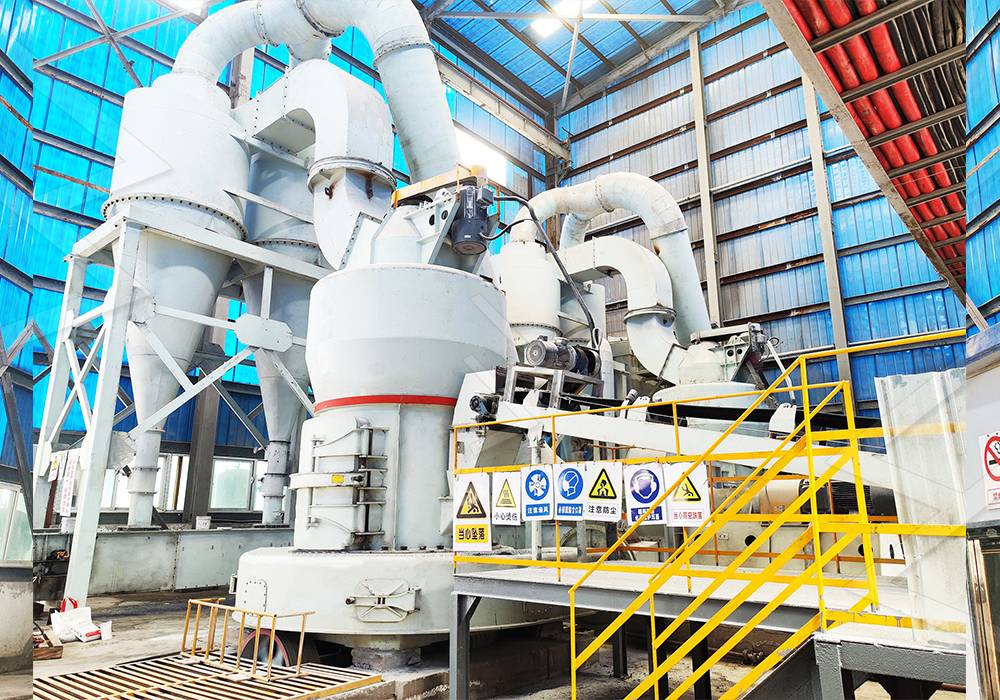
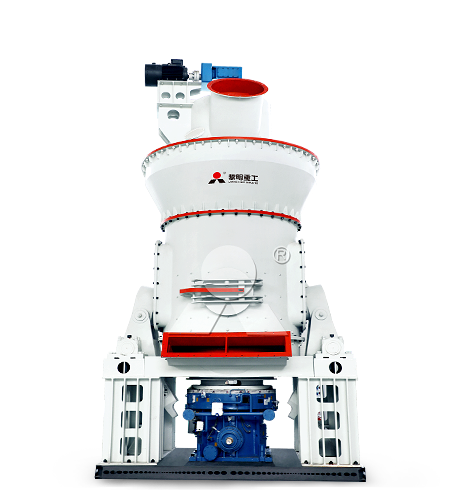
LM Vertical Roller Mill is selected when the plant needs higher throughput, integrated drying, or more continuous heavy-duty operation. Its typical range of about 7 to 340 t/h makes it suitable for larger centralized grinding stations. For drier, simpler products at moderate scale, MTW is usually enough. For plants handling variable moisture or looking for fewer grinding lines at higher total output, LM is usually more practical.
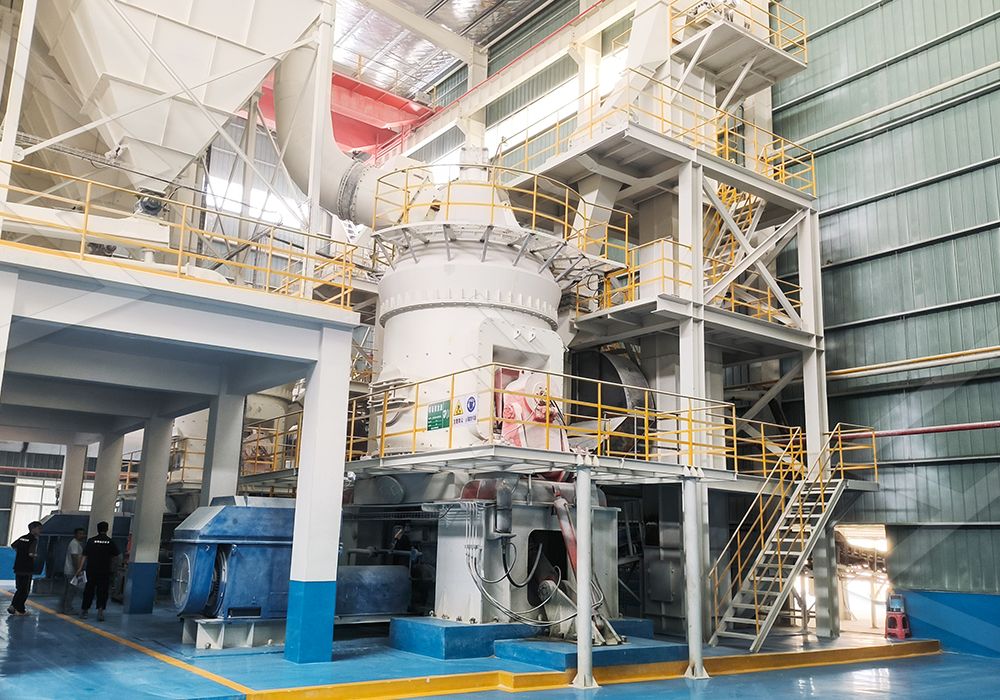
If the required fineness is above 400 mesh, standard fine grinding equipment is no longer the best match. In that case, Liming Heavy Industry typically applies LUM Ultrafine Vertical Mill or MW Micro Powder Mill. LUM generally fits the 5 to 18 t/h range with stable ultrafine classification, while MW covers roughly 0.5 to 25 t/h depending on model and product. A well-designed plant can also combine equipment, for example using LM or MTW for ordinary grades and a separate ultrafine line for high-value products.
Particle Size Analysis
Plant efficiency depends on understanding what the customer actually means by fineness. Many projects are specified only by mesh number, but design decisions should be based on particle size distribution, not on mesh alone. For example, 200 mesh, 250 mesh, and 325 mesh products are often accepted by sieve residue, while fine filler products may be defined by D90 or D97. If the plant is designed only around average size, the product may still fail because the coarse tail is too high or the PSD is too broad.
Limestone is brittle and easy to fracture, so producing fine particles is not the main difficulty. The challenge is making qualified powder efficiently without excessive overgrinding. For standard filler and building material products, the important balance is throughput versus residue. For higher-value grades, the separator cut becomes more critical. That is why the classifier is often the real control point in plant design.
From an engineering standpoint, the designer should define at least four fineness items before freezing the flow sheet: nominal mesh target, allowable oversize, preferred PSD indicator such as D90 or D97, and downstream sensitivity to ultrafines. A plant designed for 250 mesh desulfurization powder is not optimized the same way as a plant designed for 325 mesh filler powder, even if both use limestone. Correct fineness definition avoids oversizing the mill, undersizing the fan, or choosing the wrong classifier arrangement.
Typical Plant Process Flow
A dry limestone grinding plant usually starts with raw stone receiving, primary crushing, storage, metered feeding, grinding, dynamic classification, dust collection, finished product storage, and packing or bulk loading. If quarry stone arrives with large lumps, a jaw crusher is normally installed first. Depending on feed size and mill requirements, a secondary crusher may be added. The target is to provide a stable top size to the grinding section. For MTW lines, feed is commonly reduced to below about 30 mm. For LM systems, feed can typically be somewhat larger, often up to 40 to 50 mm. Ultrafine systems usually need finer feed, often below 10 to 20 mm.
After crushing, a buffer bin is used to isolate upstream fluctuations from the grinding circuit. A weigh feeder, belt feeder, or screw feeder then meters a stable feed to the mill. This is more important than many project owners expect. If feed rate fluctuates, fineness and energy consumption fluctuate with it. Inside the grinding section, the material is ground, lifted by airflow, and classified. Qualified powder moves to the dust collector and then to product silos. Oversize returns for further grinding.
When moisture is above the acceptable level, a hot air source or pre-drying stage must be included. Limestone is usually best processed below about 6 percent moisture for Raymond systems, while vertical roller systems can handle somewhat higher moisture with hot gas assistance. The process line should also be laid out for short duct runs, low pressure loss, and easy maintenance access.
Auxiliary Equipment Integration
Many limestone grinding plants underperform not because of the mill but because the auxiliary equipment is poorly matched. An efficient plant is a system, not a single machine. The crusher must supply the correct top size. The feeder must hold a stable rate. The fan must provide enough air volume to lift fines without carrying excessive coarse particles. The dust collector must handle the gas load without high resistance. Bucket elevators, screw conveyors, rotary valves, and airlocks must all be sized for actual mass flow rather than nameplate assumptions.
Air sealing deserves special attention. False air entering through worn valves, inspection doors, flange joints, or product discharge points changes the internal pressure distribution and reduces classifier stability. The result is often blamed on the mill, but the real cause is air leakage. Dust collection design also affects product recovery. An undersized bag filter increases pressure drop and may limit output. A poorly insulated duct can lead to condensation in humid climates, especially when hot gas is used.
Magnetic separation should also be considered, particularly if the final powder is for filler or whiteness-sensitive applications. Tramp metal from upstream crushing can damage internal parts and contaminate the product. In larger plants, automation for feeder control, fan load, and separator speed is not a luxury. It is part of keeping product quality and energy use consistent over full shifts. Properly integrated auxiliaries often determine whether the plant reaches design tonnage in real operation.
Process Optimization / Operating Parameters
Once the basic equipment is selected, efficiency comes from operating the plant inside a stable process window. The first priority is constant feed. Limestone hardness may not vary much, but feed size distribution, bulk density, and moisture often do. These changes directly affect classifier loading and product fineness. A variable-speed metering feeder with a proper buffer bin usually gives better results than a simple uncontrolled feed arrangement.
The second priority is air balance. In dry powder systems, airflow controls both transport and separation. If airflow is too low, fine particles remain in the grinding zone too long, which increases overgrinding and lowers throughput. If airflow is too high, coarse particles are carried forward, widening the PSD and increasing dust collector load. Operators should monitor fan current, baghouse differential pressure, separator setting, and finished powder residue together rather than one by one.
_1767930326612.jpg)
Grinding pressure or grinding load must also match the target product. Pushing the mill harder is not always more efficient. For many limestone grades, especially 200 to 325 mesh, the best operating point is where residue is stable and the system avoids internal overload. For LM systems, bed stability is critical. For MTW systems, roller-ring condition and classifier performance are more directly visible. If the product range changes frequently, the plant should include operating recipes for feeder rate, separator speed, and fan setting to reduce trial-and-error adjustments.
Energy Consumption Analysis
Limestone is not difficult to grind, so high energy consumption usually points to a design or operating problem rather than to the material itself. In standard fine powder production, specific energy commonly falls in the range of about 18 to 35 kWh per ton, depending on fineness, mill type, feed size, and system resistance. Once the product moves toward higher mesh or tighter PSD, power consumption rises because the classifier cut becomes finer and the internal circulation increases.
MTW Raymond Mill is generally competitive for medium-capacity plants producing common fineness grades such as 200 mesh or 325 mesh. LM Vertical Roller Mill often shows better overall economics at larger scale because one machine can handle higher throughput with integrated drying and fewer parallel lines. However, the actual plant power bill depends heavily on fan efficiency, duct layout, separator condition, and whether the system is running close to design load. A half-loaded plant is rarely an efficient plant.
From field experience, the biggest avoidable energy losses come from three causes: coarse feed entering the mill, excessive air leakage, and operating too fine relative to the sales specification. A good design therefore includes proper crushing, sealed material flow, and a classifier chosen for the actual PSD target. When these are correct, the plant can usually improve both kWh per ton and finished product stability without changing the mill itself.
_1767930568574.jpg)
FAQ
Q1: What is the first step in designing a limestone grinding plant?
A: Define the product clearly, including target fineness, PSD requirement, moisture condition, and hourly capacity. Mill selection should not start before these are fixed.
Q2: Which mill is usually used for 200 to 325 mesh limestone?
A: MTW Raymond Mill and LM Vertical Roller Mill are the main industrial choices. MTW is common for medium-capacity lines, while LM is preferred for larger throughput or integrated drying.
Q3: When should an ultrafine mill be selected?
A: When the limestone product is finer than 400 mesh or the customer specifies tight D90 or D97 control. In that case, LUM Ultrafine Vertical Mill or MW Micro Powder Mill is more suitable.
Q4: What feed size should be prepared before grinding?
A: Typically below 30 mm for MTW, below 40 to 50 mm for LM, and below 10 to 20 mm for ultrafine mills. Stable top size improves capacity and fineness control.
Q5: How much does moisture affect limestone grinding?
A: It has a strong effect on output and classification. Raymond systems usually prefer moisture below about 6 percent, while LM systems can handle somewhat higher moisture with hot gas.
Q6: What is the most common reason a grinding plant misses its design output?
A: In many cases it is not the mill size. It is unstable feed, poor auxiliary matching, high system resistance, or false air leakage reducing classifier efficiency.
Q7: How can a plant reduce energy cost per ton?
A: Use proper pre-crushing, maintain stable feed, control air leakage, avoid overgrinding beyond the sales specification, and keep separator and bag filter performance stable.
Q8: Is a ball mill a good choice for limestone powder?
A: It can be used, but for many dry limestone powder applications it is less attractive than Raymond or vertical roller systems because energy use and footprint are often higher.
Q9: Why is the classifier so important in plant design?
A: Because limestone is easy to break, but efficient production depends on separating qualified fines from coarse particles without excessive recirculation or a broad PSD.
Related FAQ


Liming Heavy Industry at bauma CONEXPO INDIA 2026 | Booth 5-C6
2026-09-07

Turnkey Raw Mill Cement Plant in Saudi Arabia: Design and Installation
2026-09-03
Cement Raw Mill Supplier in Indonesia: Cost and Configuration Analysis
2026-09-01
Liming Heavy Industry to Exhibit at the 24th Global Gypsum Conference & Exhibition in Turkey
2026-08-31
Complete Calcium Carbonate Grinding and Coating Plant Solution
2026-08-29
Complete Mineral Processing Solutions
Convenient Reliable Professional Efficient Get Your Quote
Please feel free to submit your inquiry information to us. We will contact with you as soon as possible.
Our team will contact you as soon as possible.