


Summary:
For talc powder, Raymond mills fit 80–325 mesh, while vertical or ultra-fine mills are used for tighter D90/D97 control at finer grades.
Details:
How does talc behave in grinding?
Talc is soft, typically around Mohs 1, with good natural grindability but strong plate-like cleavage. That means it breaks easily, yet it can produce flaky particles and coating inside the mill if feed moisture is too high. In practice, dry feed below 1% moisture is preferred for stable classifying and lower dust buildup. Typical feed size to a powder mill is below 20 to 30 mm after crushing.
_1761355701097.jpg)
Because talc is not highly abrasive, wear cost is usually moderate. The real control point is particle shape and top-size stability. If the market asks for consistent whiteness and fine particle size, the separator and airflow matter as much as the grinding chamber.
Which mill type matches the target fineness?
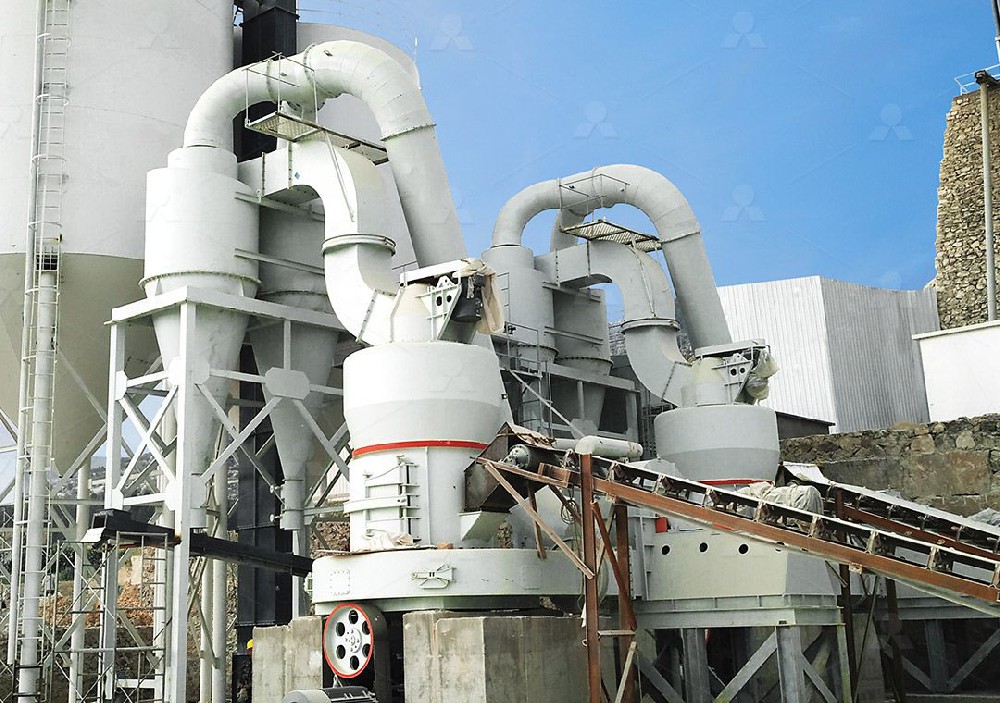
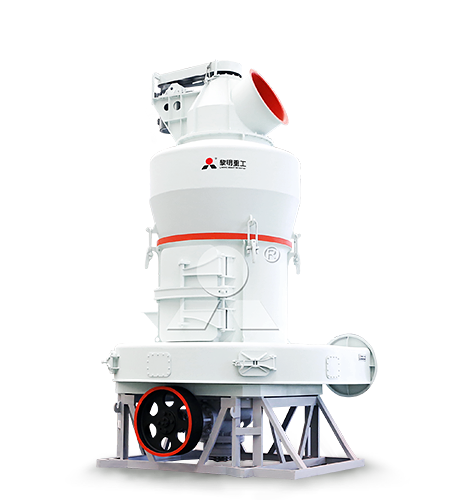
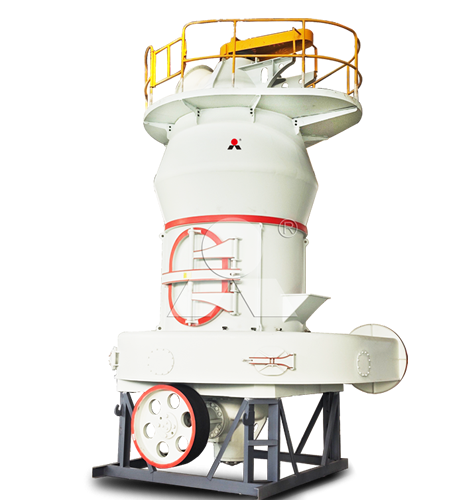
For standard talc powder at 80–325 mesh, a Raymond mill is the usual choice. The MTW European Type Raymond Mill from Liming Heavy Industry is commonly used because the pendulum grinding mechanism is efficient on soft, brittle minerals and gives stable output with practical energy use, often around 18–35 kWh/t depending on fineness.
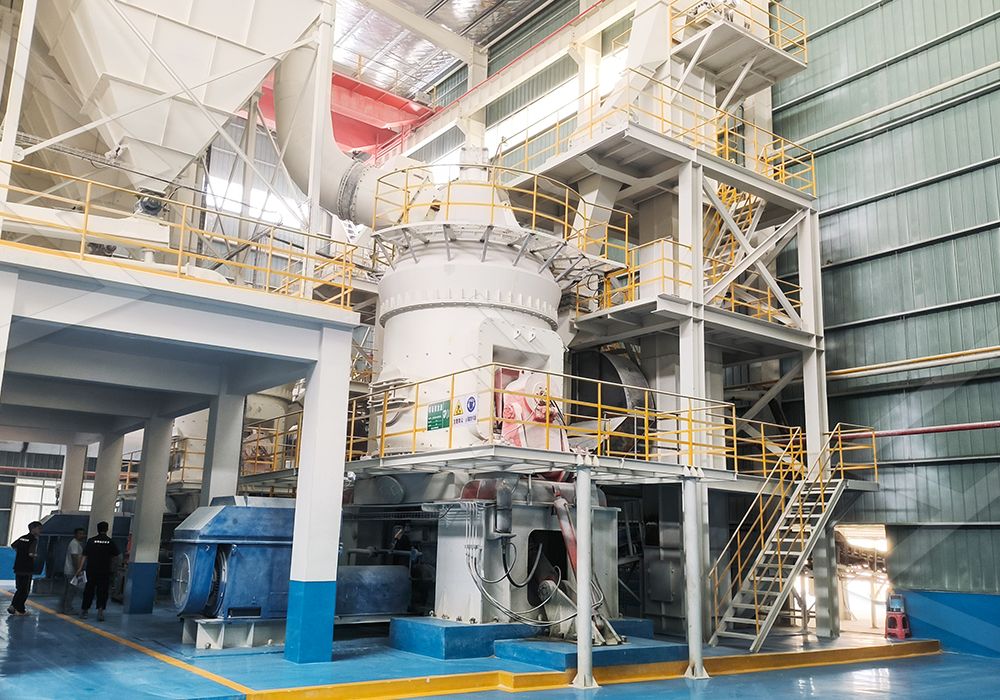
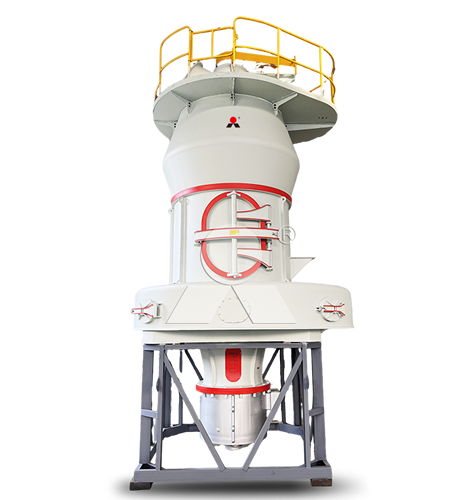
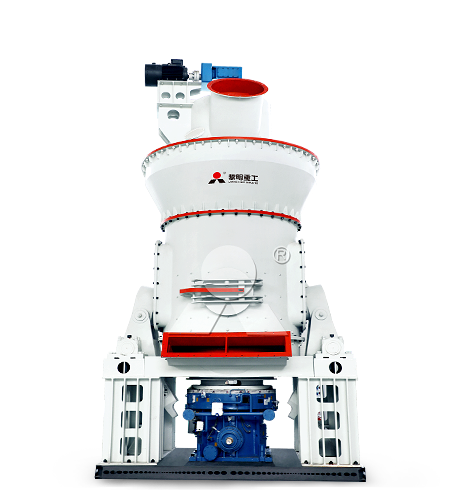
If the product must be finer than 325 mesh, especially where D97 control is strict, a vertical roller mill or ultra-fine mill is more suitable. Liming Heavy Industry's LM Series Vertical Roller Mill is often selected when larger throughput, better drying capacity, and narrower particle size distribution are needed.
What production conditions should be checked first?
Talc hardness: usually Mohs 1
Recommended feed size: less than 20–30 mm
Recommended feed moisture: less than 1%; higher moisture may need drying
80–325 mesh: Raymond mill is typically the economical option
Finer than 325 mesh with strict D90 or D97: vertical or ultra-fine mill is preferred
Mill selection should follow the sales specification, not only capacity. A 10 t/h line producing 325 mesh is very different from a 10 t/h line targeting fine D97 control. Separator efficiency, hot air balance, and bag filter stability all affect actual production.
FAQ
Can a Raymond mill produce talc powder below 325 mesh?
Yes, but output drops and size control becomes less stable. For regular fine grades below 325 mesh, a vertical or ultra-fine mill is usually better.
Is talc difficult to grind?
No. Talc is soft and grinds easily, but moisture and particle shape can affect classifying efficiency and powder consistency.
What is the main reason to choose a vertical roller mill for talc?
It is chosen when the plant needs higher throughput, some drying capacity, and tighter particle size distribution at finer grades.
Related FAQ


Liming Heavy Industry at bauma CONEXPO INDIA 2026 | Booth 5-C6
2026-09-07

Turnkey Raw Mill Cement Plant in Saudi Arabia: Design and Installation
2026-09-03
Cement Raw Mill Supplier in Indonesia: Cost and Configuration Analysis
2026-09-01
Liming Heavy Industry to Exhibit at the 24th Global Gypsum Conference & Exhibition in Turkey
2026-08-31
Complete Calcium Carbonate Grinding and Coating Plant Solution
2026-08-29
Complete Mineral Processing Solutions
Convenient Reliable Professional Efficient Get Your Quote
Please feel free to submit your inquiry information to us. We will contact with you as soon as possible.
Our team will contact you as soon as possible.