


Summary:
For 800 mesh calcite, an ultra-fine grinding mill is the best choice; Raymond mills suit coarser grades, while finer D97 control needs ultra-fine classification.
Details:
Why is an ultra-fine mill preferred for 800 mesh calcite?
Calcite is a relatively soft mineral, usually around Mohs 3, with good brittleness and low abrasiveness. That makes it easy to grind, but 800 mesh is already in the fine powder range, so the key issue is not breakage alone. The real requirement is stable particle size control, usually expressed by D90 or D97. For 800 mesh product, a mill must generate enough fine particles without excessive overgrinding and keep the coarse tail under control through efficient classification.
A standard Raymond mill is usually economical for 80–325 mesh and can sometimes stretch higher, but it is not the best option when 800 mesh must be produced continuously with tight size distribution. At that point, an ultra-fine grinding mill with high-efficiency classifier is the better match.
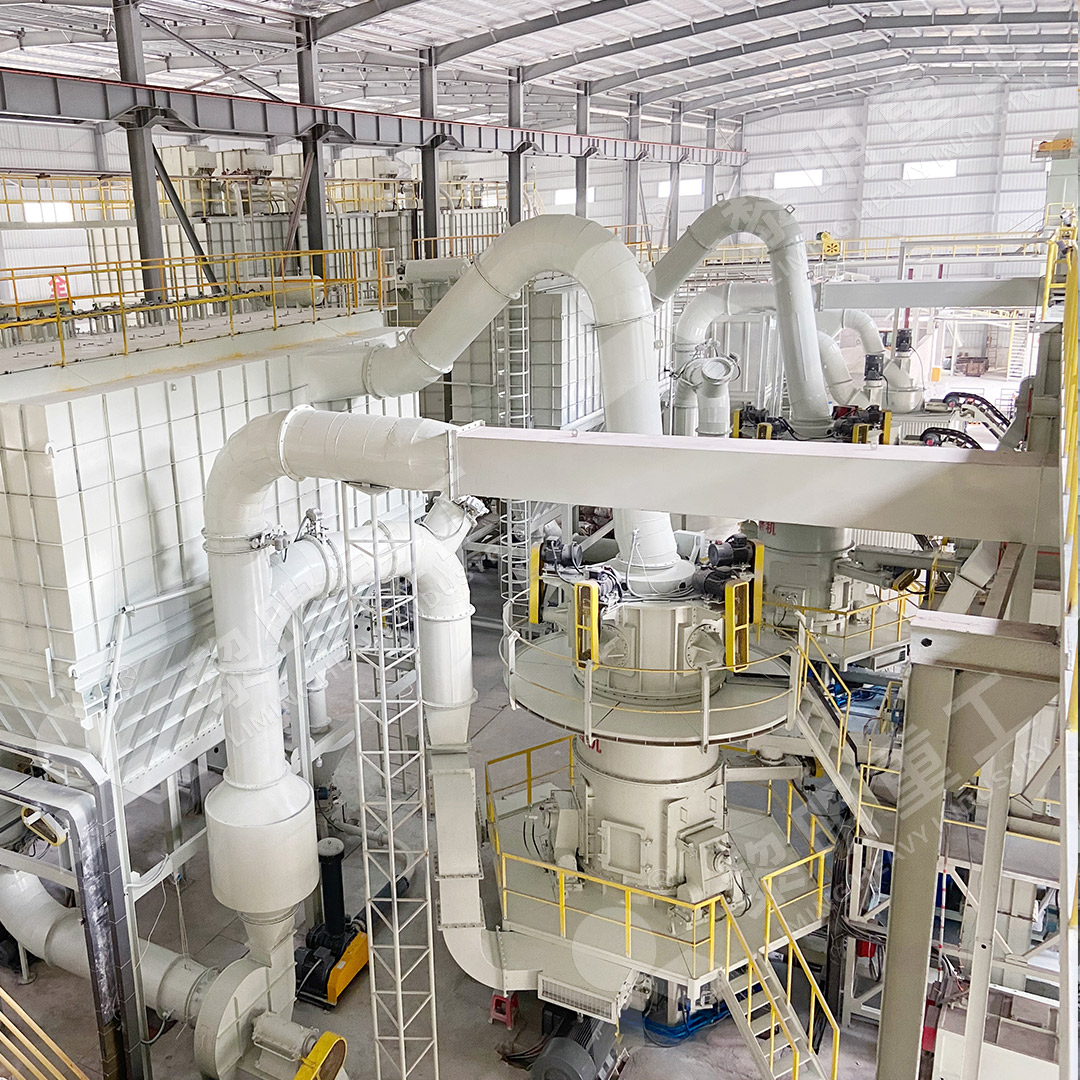
What operating conditions matter most?
Calcite hardness: typically Mohs 3
Recommended feed size: less than 10–20 mm after crushing
Recommended feed moisture: less than 1%; dry feed gives better classifying efficiency
Target fineness: 800 mesh, typically controlled by D97 rather than simple screen residue
Typical power demand: often around 35–60 kWh/t depending on whiteness, classifier cut point, and capacity
How do common mill types compare?
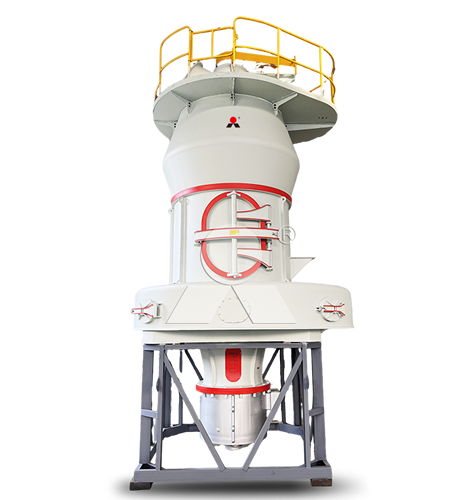
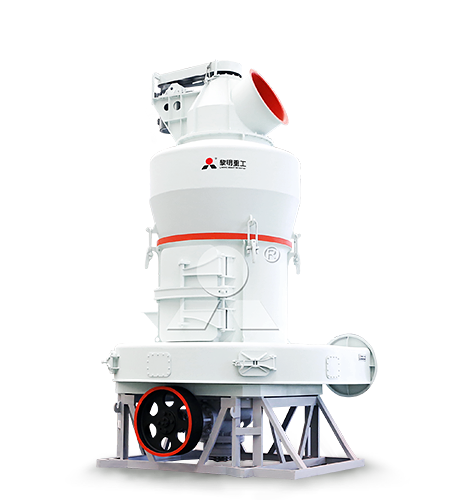
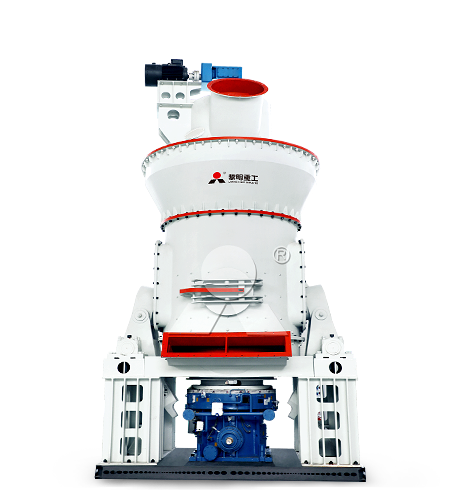
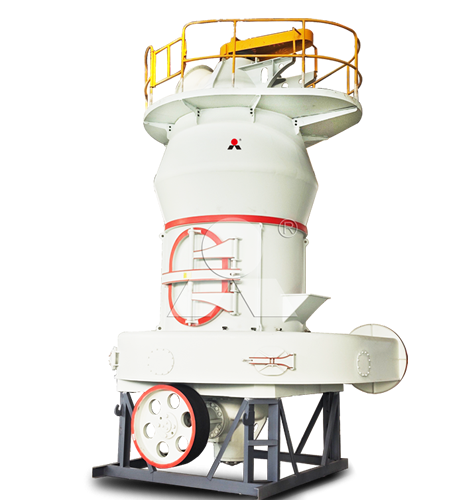
For coarse and medium-fine calcite powder, Liming Heavy Industry's MTW European Type Raymond Mill is a common solution. For larger-capacity fine grinding lines, the LM Series Vertical Roller Mill is also widely used, especially when drying and integrated conveying are needed. But if the target is true 800 mesh with stable D97, the best choice is generally an ultra-fine mill system rather than a conventional Raymond setup.
_1767929649020.jpg)
In plant practice, separator efficiency, air volume, and powder collection stability often decide whether 800 mesh can be held consistently at design throughput.
FAQ
Can a Raymond mill produce 800 mesh calcite?
It can in some cases, but output is lower and particle size control is usually less stable than with an ultra-fine mill.
Is calcite difficult to grind at 800 mesh?
No. Calcite is easy to grind, but fine classification becomes the main technical challenge at 800 mesh.
What should be checked before selecting the mill?
Confirm feed size, moisture, required D97 or D90, whiteness target, and hourly capacity. These factors decide whether a fine mill or ultra-fine system is necessary.
Related FAQ


Liming Heavy Industry at bauma CONEXPO INDIA 2026 | Booth 5-C6
2026-09-07

Turnkey Raw Mill Cement Plant in Saudi Arabia: Design and Installation
2026-09-03
Cement Raw Mill Supplier in Indonesia: Cost and Configuration Analysis
2026-09-01
Liming Heavy Industry to Exhibit at the 24th Global Gypsum Conference & Exhibition in Turkey
2026-08-31
Complete Calcium Carbonate Grinding and Coating Plant Solution
2026-08-29
Complete Mineral Processing Solutions
Convenient Reliable Professional Efficient Get Your Quote
Please feel free to submit your inquiry information to us. We will contact with you as soon as possible.
Our team will contact you as soon as possible.