


A complete calcium carbonate grinding and coating plant converts limestone or calcite into controlled GCC powder through crushing, grinding, air classification, collection, surface treatment, storage, and packing. The right plant configuration depends on the required product grades, target D50 and D97, raw material quality, capacity, end-use market, and whether the final powder will be sold as uncoated GCC or stearic-acid-coated calcium carbonate.
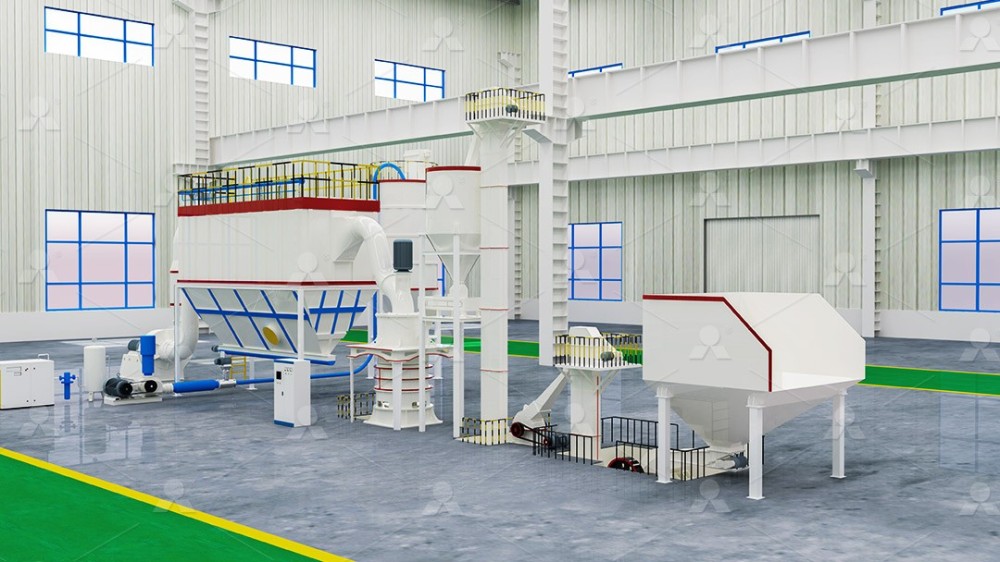
For producers serving plastics, filler masterbatch, PVC, cable compounds, rubber, paint, paper, ceramics, glass, dry mortar, or wall putty, a grinding mill alone is not a complete solution. The finished powder quality is determined by the entire process: raw material selection, feed preparation, mill performance, air classification, dust control, moisture management, coating consistency, final storage, and packaging.
What Is a Complete Calcium Carbonate Plant?
A complete calcium carbonate plant is an integrated processing system designed to transform natural calcium carbonate minerals into marketable powder products. The mineral source is typically limestone, calcite, marble, or chalk. In GCC production, the mineral is physically crushed, ground, classified, collected, and packed. If the target product is coated calcium carbonate, the plant also includes a surface-treatment section using stearic acid or another suitable modifier.
A complete plant is normally designed around the final customer specification. The producer should define the intended applications before selecting the equipment because a GCC plant for 45 μm wall putty filler is fundamentally different from a plant for 5 μm coated powder used in PE/PP filler masterbatch, PVC, cable compounds, or rubber.
| Plant Type | Final Product | Typical Markets | Core Process Requirement |
|---|---|---|---|
| General GCC plant | Uncoated medium-fine calcium carbonate powder | Putty, dry mortar, construction materials, ceramics, general filler | Stable crushing, grinding, collection, and packing |
| Fine GCC plant | Fine uncoated powder with controlled particle-size distribution | Paint, paper, rubber, PVC, selected plastics, glass | Accurate grinding and air classification |
| Ultrafine GCC plant | Fine or ultrafine powder with tight D50 and D97 control | Premium coatings, plastics, masterbatch, cable compounds, specialty fillers | Ultrafine grinding, high-efficiency classification, strict quality control |
| Coated GCC plant | Stearic-acid-coated calcium carbonate powder | PE/PP masterbatch, PVC, cable, rubber, sealants, plastic compounds | Fine powder preparation plus precise surface treatment and cooling |
Quick Answer: What Equipment Is Needed?
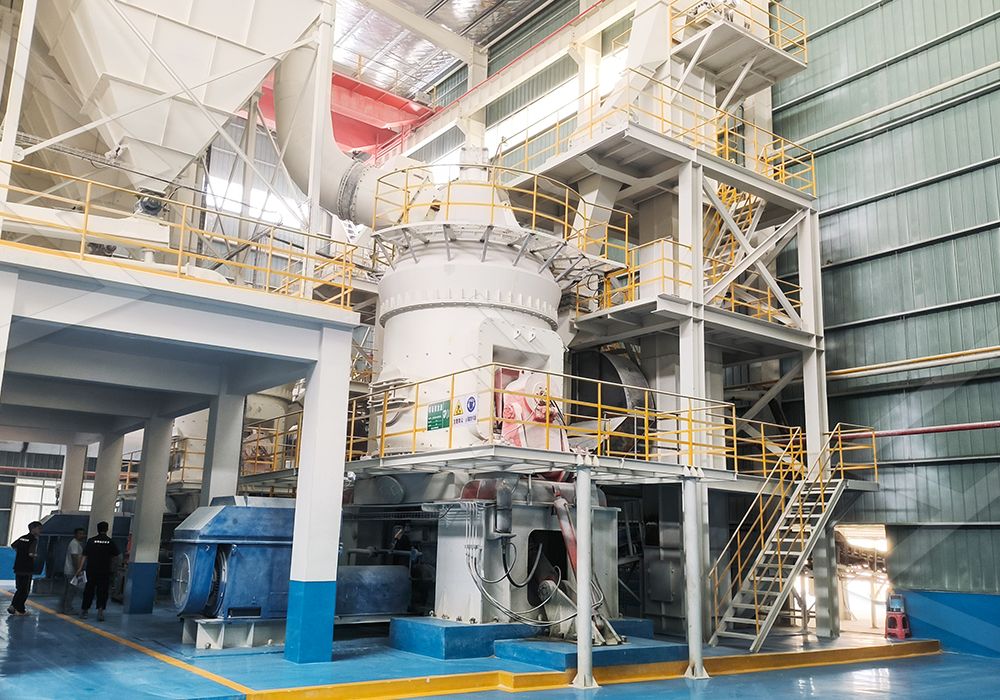
A complete calcium carbonate grinding and coating line typically includes raw material handling, crushing, feeding, grinding, classification, powder collection, conveying, storage, optional coating, final cooling, and packaging. The number of stages and equipment capacity depend on the raw material and final product.
Raw limestone or calcite receiving and storage
Primary and secondary crushing, if required
Feeding and buffer silo system
Grinding mill
Dynamic air classification system
Fan, cyclone, and pulse-jet dust collection system
Powder conveying and finished-product silo
Stearic acid storage, melting, and metering system for coated GCC
High-intensity coating or surface-modification equipment
Cooling, final classification, and anti-agglomeration control
Automatic bagging, jumbo bag filling, palletizing, or bulk loading
Electrical control, automation, laboratory testing, and environmental protection equipment
The central section is the grinding and classification system, but the complete plant must be balanced. A mill with insufficient classification, collection, storage, coating, or packing capacity cannot deliver stable final product quality or continuous output.
Calcium Carbonate Plant Process Flow
The dry-process route is widely used for ground calcium carbonate. The core production path is straightforward, but each step must be engineered according to the required product specification.
Typical process flow:
Raw limestone or calcite → Crushing → Storage and controlled feeding → Grinding → Air classification → Powder collection → Finished powder silo → Optional stearic acid coating → Cooling and final classification → Packaging or bulk loading
1. Raw Material Selection and Testing
Plant design starts with the mineral. Limestone, calcite, marble, and chalk can all be used for GCC, but their chemical composition, whiteness, hardness, moisture, impurity level, and grindability may differ. For high-value fine and coated grades, raw material consistency is essential.
Before selecting equipment, test:
CaCO3 content and mineralogical composition
Whiteness, brightness, and color stability
Fe2O3, SiO2, MgCO3, Al2O3, and other impurities
Mohs hardness and abrasiveness
Natural moisture and moisture variation by season
Maximum rock size and feed-size variation
Availability and consistency of quarry supply
A mill can reduce particle size, but it cannot fully correct unstable whiteness, excessive iron, high silica, or inconsistent mineral quality. For this reason, raw material evaluation is the first investment decision in any calcium carbonate project.
2. Crushing and Feed Preparation
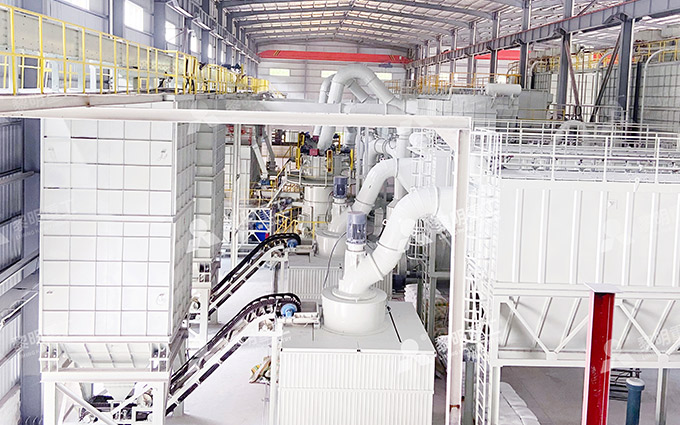
Large limestone or calcite rocks are reduced to a controlled feed size before entering the grinding system. Stable feed size protects the mill, improves throughput, and supports consistent final powder quality.
A feed-preparation section may include primary crushing, secondary crushing, screening, magnetic separation, belt conveying, a buffer silo, and a vibrating or belt feeder. The feeder should deliver material continuously and uniformly. Unstable feeding can cause fluctuations in grinding pressure, classifier performance, product fineness, power consumption, and plant output.
3. Grinding and Powder Generation
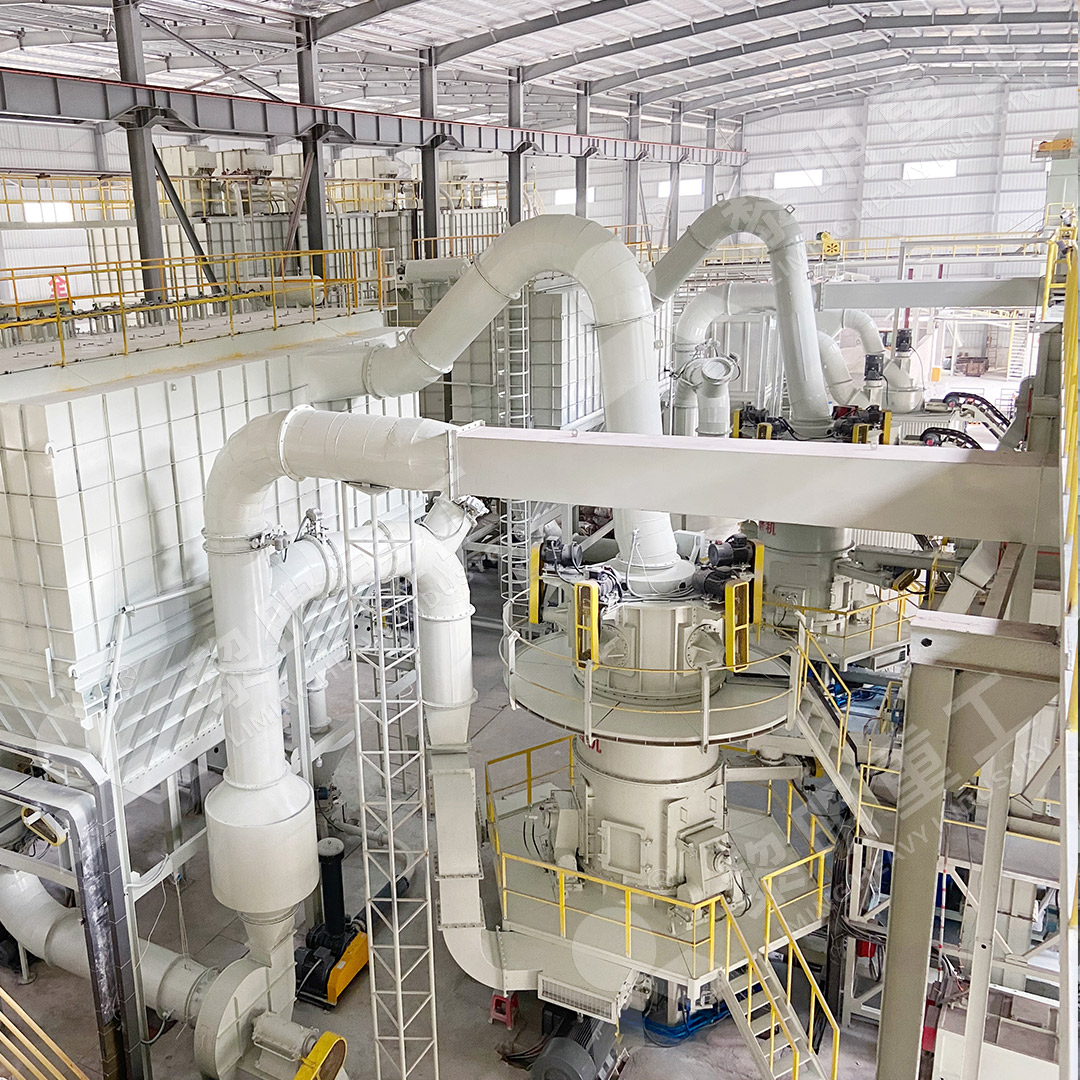
The grinding mill transforms crushed mineral feed into GCC powder. Mill selection is determined by the target particle-size range, required capacity, raw material properties, and product portfolio. Medium-fine GCC and ultrafine GCC are not produced under the same conditions and may require different equipment configurations.
4. Air Classification and Coarse-Particle Control
After grinding, airflow carries the powder into a classifier. Fine particles that meet the target specification are collected as finished product, while oversized particles are returned to the grinding zone. Classification is essential because customers usually require a controlled particle-size distribution rather than only an approximate mesh value.
5. Powder Collection, Conveying, and Storage
Qualified powder is separated from the airflow through cyclones, collectors, and pulse-jet bag filters. It is then transferred to finished-product silos or coating feed silos. The collection and conveying system should minimize powder loss, contamination, moisture pickup, and segregation of particle sizes.
6. Surface Treatment for Coated Calcium Carbonate
For coated GCC, fine calcium carbonate powder is treated with stearic acid or another suitable modifier. The coating process generally includes additive storage, controlled melting or heating, accurate dosing, high-intensity mixing, sufficient residence time, cooling, and final product handling.
7. Packaging and Dispatch
Finished GCC may be packed in valve bags, PP-PE bags, paper bags, jumbo bags, or loaded in bulk, depending on customer requirements. A complete packing section should provide accurate weighing, dust-controlled filling, traceability, and packaging that protects the powder during transport and storage.
Grinding Mill Selection for a GCC Plant
Different GCC grades require different grinding strategies. A suitable mill should be selected by the final application, required D50 and D97, capacity, raw material, and the producer’s future product plan. The right choice is not always the mill with the highest output; it is the mill that can consistently produce the required grade at a competitive operating cost.
| Grinding Solution | Best-Fit Project Direction | Typical Plant Priority | Key Selection Inputs |
|---|---|---|---|
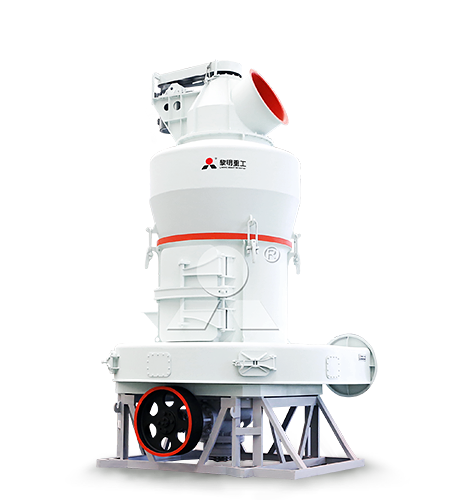
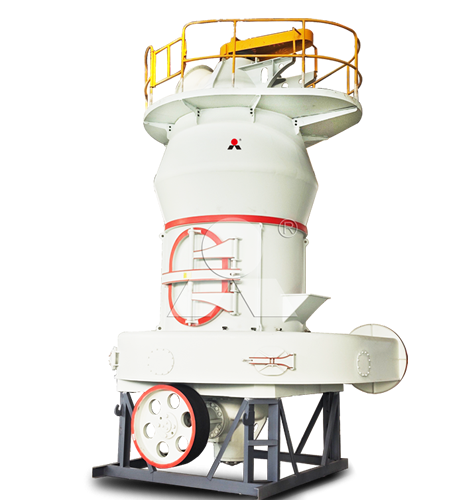
| MTW Raymond Mill | Medium-fine GCC and general calcium carbonate powder | Stable output, cost efficiency, practical dry grinding | Feed size, desired fineness, capacity, general industrial application |
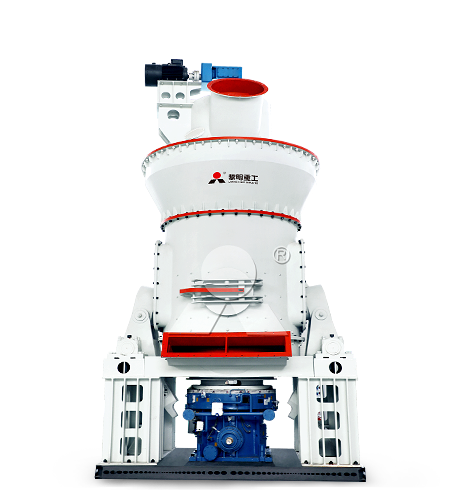
| LM Vertical Roller Mill | Large-scale continuous GCC production | Centralized operation, higher throughput, integrated grinding and classification | Annual tonnage, site layout, raw material moisture, product portfolio |
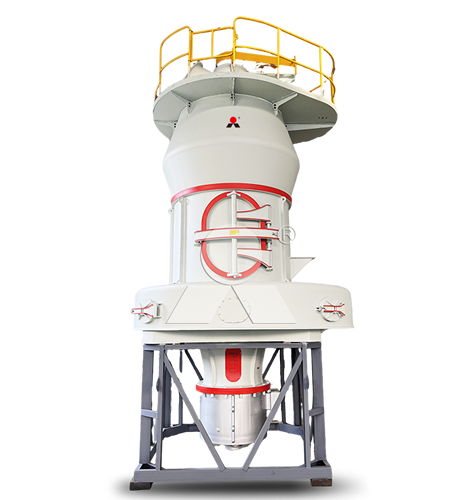
| LUM Ultrafine Mill | Fine and ultrafine GCC for higher-value applications | Tighter particle-size distribution and controlled fine powder | D50, D97, specific surface area, end-use quality requirements |
| MW Micro Powder Mill | Ultrafine GCC and specialized fine mineral powder | Fine powder quality, accurate classification, controlled collection | Ultrafine target, capacity, coating requirement, product consistency |
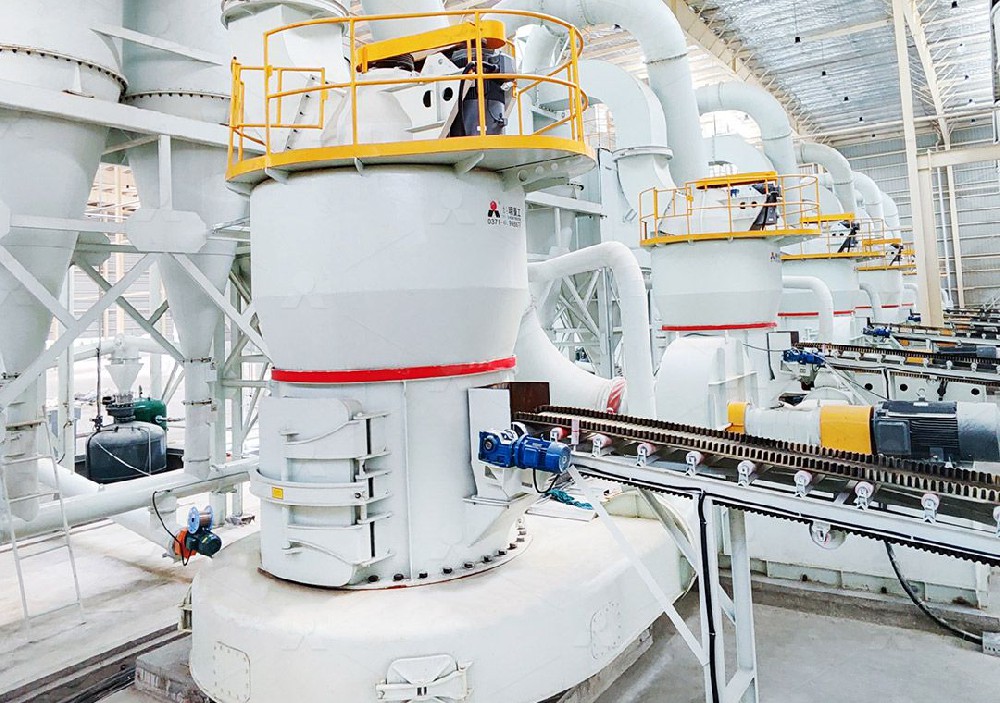
Liming Heavy Industry provides non-metallic mineral grinding solutions for limestone and calcite powder projects. Depending on the project requirements, a complete plant can be configured with an MTW Raymond Mill, LM Vertical Roller Mill, LUM Ultrafine Mill, or MW Micro Powder Mill, together with crushing, air classification, dust collection, conveying, storage, packing, and optional surface-treatment equipment.
The final configuration should be based on engineering data. For example, a 20–45 μm GCC line for construction filler may prioritize throughput and operating stability, while a 5–10 μm coated GCC line for masterbatch may prioritize low moisture, strict D97 control, high powder cleanliness, stearic acid dosing accuracy, and coating consistency.
Why D50 and D97 Matter in Plant Design
Particle-size distribution is one of the most important quality indicators for GCC. Buyers often ask for mesh, but modern calcium carbonate applications are better specified using D50, D97, specific surface area, sieve residue, and application performance.
| Parameter | Definition | Effect on Product Performance | Relevant Plant Section |
|---|---|---|---|
| D50 | Median particle size | Affects average fineness, surface area, oil absorption, and formulation behavior | Grinding and classification |
| D97 | Approximate upper particle-size limit for 97% of the distribution | Controls coarse particles that may create defects in plastic, paint, and cable products | Classification and recirculation |
| Specific surface area | Available powder surface per unit mass | Influences coating demand, binder demand, dispersion, and rheology | Grinding, classification, and powder morphology |
| Sieve residue | Oversize material retained on a specified sieve | Indicates coarse particles, incomplete grinding, or agglomeration | Classifier performance and final product finishing |
| Moisture | Water content of finished powder | Affects storage, flow, polymer processing, and coating uniformity | Raw material handling, thermal control, collection, and packing |
A producer should not assume that two powders with the same D50 are equivalent. One powder may have a much broader distribution and a larger D97, producing more coarse particles. For thin plastic film, PVC profile, cable insulation, high-gloss coating, or fine extrusion applications, those coarse particles may affect surface appearance and process stability.
Coated Calcium Carbonate Plant Configuration
A coated GCC plant includes all core dry grinding sections plus a surface-treatment system. The purpose of coating is to improve calcium carbonate compatibility with organic materials such as PE, PP, PVC, EVA, rubber, sealants, and certain adhesives.
Stearic acid is commonly used as the coating agent because it changes the outer surface of calcium carbonate particles. A well-treated powder can become more hydrophobic, easier to disperse in compatible polymer systems, and more stable in high-filler compounding processes.
A complete coated calcium carbonate production line may include:
Fine GCC powder silo or buffer storage
Stearic acid receiving, storage, and heating system
Stearic acid melting tank or controlled preparation unit
Precision metering pump or dosing equipment
High-intensity mixer or coating machine
Powder heating or thermal conditioning section where required
Mixing and residence-time control
Cooling system to stabilize the finished powder
Final classification or deagglomeration section where required
Finished-product collection and sealed conveying
Coated product silo and automatic packing system
Coating quality depends on more than stearic acid dosage. The process must control the powder surface area, feed rate, moisture, temperature, mixing intensity, residence time, additive distribution, cooling performance, and final flowability. A coating system should be designed according to the actual GCC grade and its final plastic or rubber application.
Coated vs. Uncoated GCC: Which Plant Should You Build?
The decision to build an uncoated GCC plant, a coated GCC plant, or a flexible line capable of producing both should be based on the local market, customer requirements, available raw material, and investment plan.
| Decision Factor | Uncoated GCC | Coated GCC |
|---|---|---|
| Main surface condition | Natural mineral surface | Surface treated, often with stearic acid |
| Typical applications | Paint, putty, paper, ceramics, glass, construction materials | PE/PP masterbatch, PVC, cable, rubber, sealants, polymer compounds |
| Plant complexity | Crushing, grinding, classification, collection, packing | All uncoated steps plus additive handling, coating, cooling, and more process control |
| Quality focus | Particle size, whiteness, chemical purity, moisture, residue | All uncoated parameters plus coating level, hydrophobicity, activation, dispersion, and flowability |
| Investment direction | Generally simpler process and lower equipment scope | Higher process complexity but potential access to higher-value polymer filler markets |
A flexible plant can be attractive when a producer wants to serve both paint and plastic markets. However, the layout must include proper product separation, cleaning procedures, silo management, and operating controls to prevent cross-contamination between uncoated and coated grades.
Key Quality-Control Points
High-quality GCC production requires a quality-control system that begins with incoming mineral and continues through finished-product release. The plant should establish test methods, sampling points, target ranges, and corrective actions for each key parameter.
| Quality Parameter | Why It Matters | Typical Control Point |
|---|---|---|
| Raw material chemistry | Determines purity and impurity risk | Quarry, stockpile, and incoming material inspection |
| Whiteness and brightness | Affects appearance in paint, paper, plastic, and ceramics | Raw mineral and finished-powder laboratory testing |
| D50 and D97 | Defines powder fineness and coarse-particle control | Grinding circuit and finished-product particle-size analysis |
| Specific surface area | Relates to fine powder behavior and coating demand | Finished-product testing for selected grades |
| Moisture | Affects storage, flow, coating, and plastic processing | Pre-coating, final collection, and packing checks |
| Oil absorption | Relevant to paint, plastic, rubber, and binder demand | Finished-product testing under a consistent method |
| Stearic acid content | Confirms coating dosage | Coating process and final-product verification |
| Activation or hydrophobicity | Indicates treatment effectiveness for coated GCC | Finished-product coating quality test |
| Sieve residue | Detects oversize particles and agglomerates | Classifier and final product inspection |
For export-grade powder, it is also useful to maintain production batch records, raw-material traceability, calibrated laboratory instruments, retention samples, packaging inspection records, and customer application feedback. These practices support consistent quality and reduce the risk of shipment disputes.
_1761355701097.jpg)
Common Problems and Practical Solutions
| Problem | Likely Process Cause | Recommended Action |
|---|---|---|
| Finished powder is too coarse | Low grinding intensity, incorrect classifier settings, unstable feed, worn parts | Check mill loading, classifier speed, airflow, feed rate, and component wear |
| D50 is correct but D97 is too high | Inadequate air classification or oversized particle bypass | Optimize classifier settings, circulation load, airflow, and sealing |
| Output drops at target fineness | Target is too fine for the selected process, wet feed, poor airflow, or high circulation load | Review actual raw material, fineness target, classifier capacity, and system balance |
| Powder has high moisture or cakes in bags | Wet raw material, condensation, poor cooling, or inadequate packaging protection | Improve feed preparation, thermal control, silo management, and packing conditions |
| Coated GCC disperses poorly in plastic | Insufficient or uneven surface treatment, wrong powder specification, moisture issue | Verify particle distribution, stearic acid dosage, coating temperature, mixing intensity, and customer formulation trials |
| Whiteness varies between batches | Raw material variability or contamination in the process | Improve raw material blending, stockpile management, magnetic separation, and cleaning procedures |
| Dust loss or poor working environment | Incomplete sealing, undersized filtration, poor transfer-point design | Review enclosure, fan balance, pulse-jet filter capacity, and maintenance procedures |
How to Plan a New Calcium Carbonate Project
A successful project begins with the market, then defines the powder, and finally selects the equipment. Avoid selecting a mill first and searching for a market later. The highest-value configuration is the one that matches local raw material resources with real customer demand.
Study the local market: Identify demand from paint, putty, paper, plastic, masterbatch, PVC, cable, rubber, ceramic, glass, and construction customers.
Test the mineral: Confirm chemistry, whiteness, hardness, moisture, impurity level, and supply consistency.
Define product grades: Set target D50, D97, whiteness, moisture, oil absorption, coating status, and packaging for each intended grade.
Estimate realistic capacity: Match tons per hour and annual output to market demand, logistics, and operating time.
Select the process route: Decide whether to produce uncoated GCC, coated GCC, or both.
Choose the grinding system: Match the mill and classifier to the actual required fineness and capacity.
Design the auxiliary systems: Include crushing, conveying, dust collection, storage, coating, cooling, packaging, and laboratory equipment.
Plan installation and operation: Confirm power supply, site layout, civil works, labor, maintenance access, spare parts, automation, and environmental requirements.
Validate with trials: Test representative powder samples in target customer applications before finalizing commercial product claims.
Information Needed for a Plant Proposal
To prepare an accurate calcium carbonate grinding and coating plant solution, an equipment supplier should receive the following information:
_1767930326611.jpg)
Raw material type: limestone, calcite, marble, chalk, or another calcium carbonate source
Raw material chemical analysis and whiteness report
Mohs hardness, moisture, maximum feed size, and expected annual raw material supply
Required finished product grades and applications
Target D50, D97, mesh, specific surface area, sieve residue, and moisture limits
Whether the final product is uncoated GCC, stearic-acid-coated GCC, or both
Target annual capacity and required tons per hour for each grade
Final customer industries: paint, putty, paper, PE/PP masterbatch, PVC, cable, rubber, ceramics, glass, or others
Site location, available voltage and frequency, altitude, climate, and environmental standards
Packaging and shipping requirements: bags, jumbo bags, bulk loading, pallets, or container export
Required automation level, laboratory scope, and future expansion plan
With this information, Liming Heavy Industry can evaluate the appropriate process route and configure a complete solution around an MTW Raymond Mill, LM Vertical Roller Mill, LUM Ultrafine Mill, or MW Micro Powder Mill, supported by crushing, classification, collection, conveying, coating, and packing equipment.
Frequently Asked Questions
What is the difference between a calcium carbonate grinding plant and a coating plant?
A grinding plant produces uncoated GCC through crushing, grinding, classification, collection, and packing. A coating plant adds surface-treatment equipment, usually involving stearic acid handling, dosing, mixing, cooling, and coated-product storage to improve compatibility with plastics, PVC, rubber, and other organic systems.
Can one plant produce both coated and uncoated calcium carbonate?
Yes. A plant can be designed to produce both product types, but it needs proper product routing, silo separation, cleaning procedures, operating controls, and packaging management to avoid contamination between uncoated and coated grades.
What is GCC?
GCC stands for ground calcium carbonate. It is made by mechanically grinding natural calcium carbonate minerals such as limestone, calcite, marble, or chalk into powder with a controlled particle-size distribution.
Why are D50 and D97 important?
D50 indicates the median particle size, while D97 helps control the coarse-particle tail. Both are important because two powders with the same D50 can have different coarse-particle levels and therefore perform differently in paint, plastic, cable, PVC, and paper applications.
_1767930568573.jpg)
Which grinding mill is suitable for medium-fine GCC?
An MTW Raymond Mill can be considered for many medium-fine GCC projects. The correct system configuration depends on the raw material, target fineness, capacity, quality requirements, and final application.
Which mill can be used for ultrafine calcium carbonate powder?
LUM Ultrafine Mill and MW Micro Powder Mill solutions can be evaluated for fine and ultrafine calcium carbonate projects. Final selection should be based on D50, D97, capacity, material characteristics, and whether the powder will be coated.
Why does coated GCC need low moisture?
High moisture can reduce coating consistency, increase powder agglomeration, make conveying more difficult, and affect performance in polymer processing. Low and stable moisture is therefore important before coating and before final packing.
What is stearic acid used for in coated calcium carbonate?
Stearic acid is commonly used to modify the calcium carbonate surface. It can improve hydrophobicity and compatibility with many organic polymer systems, including PE, PP, PVC, EVA, rubber, sealants, and selected adhesive formulations.
What quality tests are needed for GCC powder?
Typical tests include CaCO3 content, whiteness, D50, D97, specific surface area, moisture, sieve residue, oil absorption, and impurity analysis. Coated grades may additionally require stearic acid content and activation or hydrophobicity testing.
What should be prepared before requesting a calcium carbonate plant quotation?
Prepare raw material data, final powder specifications, target capacity, intended applications, coating requirements, site information, available power, environmental requirements, and packaging needs. This information allows the supplier to design a more accurate and practical plant solution.
Conclusion
A complete calcium carbonate grinding and coating plant is an integrated solution, not only a mill. It begins with reliable limestone or calcite, then combines crushing, controlled feeding, grinding, air classification, powder collection, storage, surface treatment where required, cooling, packing, and quality control.
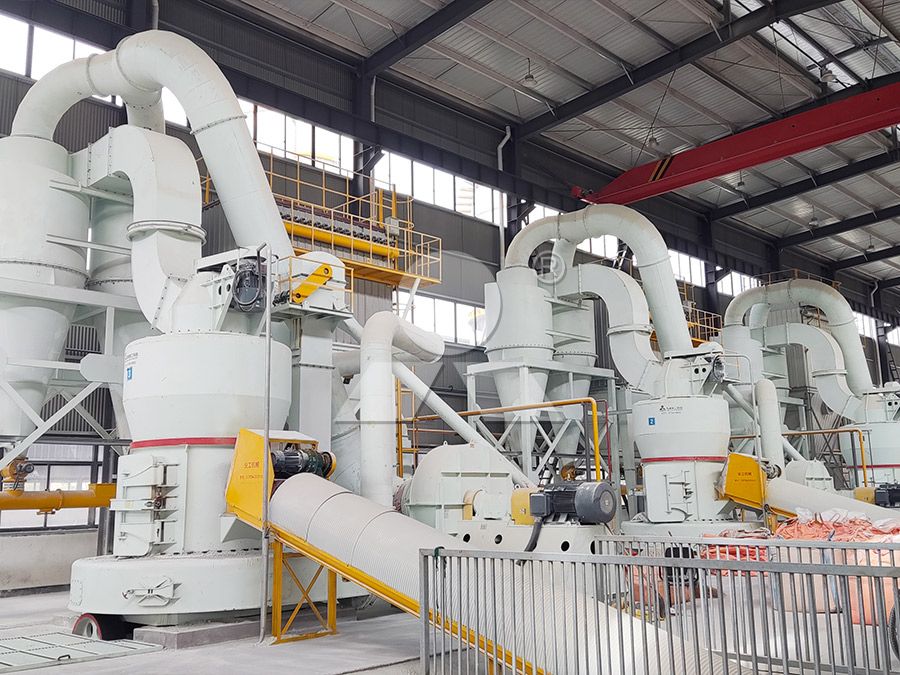
The correct plant design depends on the final GCC product. Medium-fine powder for construction materials, fine powder for paint and paper, ultrafine powder for specialty fillers, and coated GCC for plastics or cable compounds all require different priorities. Defining the market, D50, D97, capacity, raw material quality, and coating requirement before equipment selection is the most effective way to reduce project risk.
Liming Heavy Industry provides calcium carbonate grinding equipment and integrated process solutions for limestone and calcite powder production. By matching an MTW Raymond Mill, LM Vertical Roller Mill, LUM Ultrafine Mill, or MW Micro Powder Mill with appropriate classification, collection, coating, conveying, storage, and packaging systems, producers can build a reliable GCC plant for their target market.
Related Industry News


Meet Liming Heavy Industry at the 140th Canton Fair 2026
2026-10-13

Liming Heavy Industry to Attend the 140th Canton Fair
2026-09-25
Liming Heavy Industry at bauma CONEXPO INDIA 2026 | Booth 5-C6
2026-09-07
Turnkey Raw Mill Cement Plant in Saudi Arabia: Design and Installation
2026-09-03
Cement Raw Mill Supplier in Indonesia: Cost and Configuration Analysis
2026-09-01
Complete Mineral Processing Solutions
Convenient Reliable Professional Efficient Get Your Quote
Please feel free to submit your inquiry information to us. We will contact with you as soon as possible.
Our team will contact you as soon as possible.