


As global infrastructure development, mineral processing, green building materials, new materials, and industrial waste recycling continue to expand, the grinding mill industry is undergoing a significant transformation.
Grinding mills are no longer viewed simply as size-reduction equipment. Increasingly, they are becoming an essential part of energy-efficient powder processing systems and complete mineral grinding solutions.
In 2026, global demand for grinding equipment is being driven by different factors across different regions. Emerging markets in Asia, Africa, the Middle East, and Latin America are investing in infrastructure, cement, lime, and mineral processing capacity. Meanwhile, mature markets in Europe and North America are placing greater emphasis on equipment modernization, energy efficiency, automation, environmental compliance, and replacement of aging equipment.
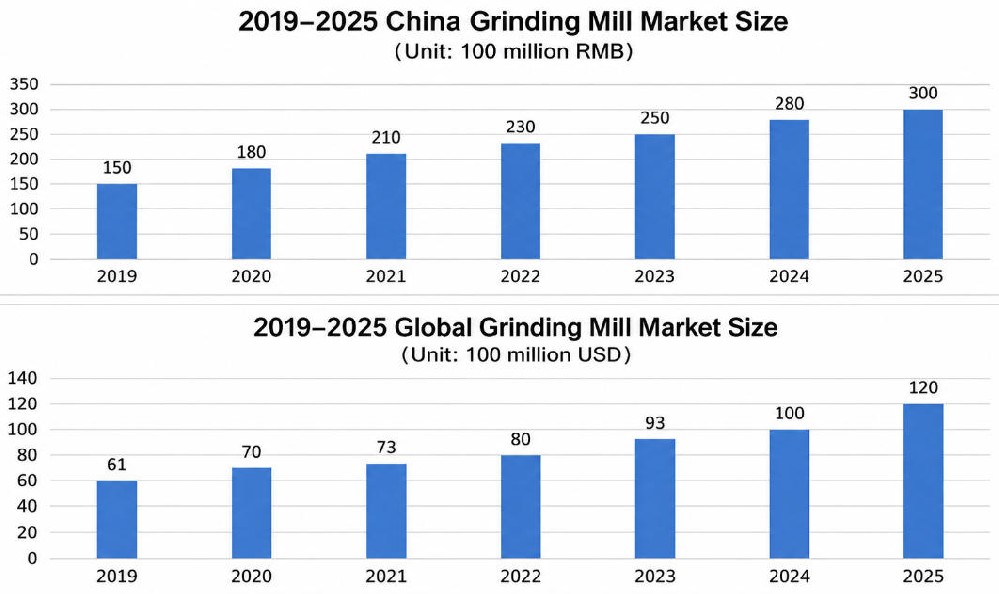
As a result, competition in the grinding mill industry is shifting from equipment price and nominal capacity toward energy consumption, product quality, automation, environmental performance, process design, and lifecycle service.
1. Global Grinding Mill Market: Demand Is Becoming More Diverse
Grinding mills are widely used in mining, construction materials, chemicals, power generation, metallurgy, agriculture, ceramics, and advanced materials.
Depending on the raw material and required product specifications, grinding systems may process limestone, calcite, calcium carbonate, barite, dolomite, gypsum, kaolin, talc, bentonite, phosphate rock, coal, slag, and many other minerals.
Global demand is mainly supported by three major factors.
1.1 Industrialization and Infrastructure Development in Emerging Markets
Asia, Africa, the Middle East, and Latin America remain important growth regions for industrial and infrastructure investment.
The expansion of cement, lime, construction materials, mineral processing, and chemical projects is creating demand for medium- and large-capacity grinding mills and complete powder processing plants.
In many mineral-rich countries, increasing local processing capacity is also becoming an important way to improve the value of domestic mineral resources.
For example:
Limestone can be processed into construction-grade limestone powder, desulfurization materials, and higher-value calcium carbonate products.
Gypsum can be processed for construction gypsum and other building material applications.
Phosphate rock can be further processed for fertilizer production and related industries.
Barite is widely used in oil and gas drilling and chemical applications.
Kaolin, talc, and calcite can be finely processed for ceramics, paper, plastics, coatings, and other industries.
Consequently, many customers are moving from simply purchasing a single grinding mill toward building a complete and reliable powder production system.
1.2 Equipment Upgrades in Mature Markets
In Europe, North America, Japan, South Korea, and other mature industrial markets, demand is increasingly associated with equipment modernization rather than completely new production capacity.
Older grinding systems may consume more energy, require more maintenance, and provide limited automation. Replacing or upgrading these systems can improve production efficiency while reducing operating costs.
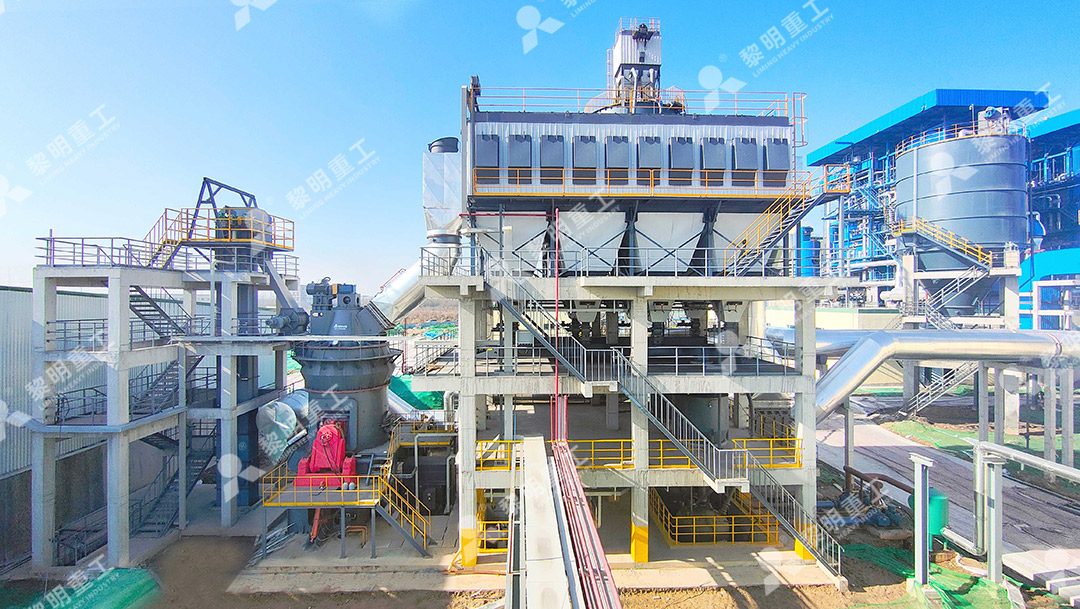
This trend is particularly relevant to energy-intensive applications such as cement raw materials, slag, limestone, and other industrial minerals.
Modern vertical mills, European-type grinding mills, and advanced classification systems can provide advantages in areas such as energy efficiency, process control, footprint, and product consistency.
1.3 Mineral Resources Are Moving Toward Higher-Value Processing
Another important global trend is the transition from selling raw minerals toward producing higher-value processed mineral products.
Instead of exporting or selling relatively coarse raw materials, mineral producers are increasingly investing in crushing, grinding, classification, drying, and other processing technologies.
This creates opportunities for grinding equipment suppliers that can provide not only individual machines but also complete mineral processing solutions tailored to specific raw materials and applications.
2. Four Major Drivers of Global Grinding Mill Demand
2.1 Cement, Lime, and Construction Materials
Cement and lime remain among the most important application areas for industrial grinding equipment.
Growing construction activity in developing economies continues to support demand for:
Cement raw material grinding
Cement clinker grinding
Limestone grinding
Quicklime and hydrated lime processing
Gypsum grinding
Mineral additives
Slag grinding
Other supplementary cementitious materials
At the same time, cement producers are under increasing pressure to reduce energy consumption and carbon emissions. This is encouraging the adoption of more efficient grinding technologies and process optimization.
2.2 Non-Metallic Mineral Processing
Non-metallic minerals represent one of the most diverse application areas for grinding mills.
Materials such as calcium carbonate, limestone, barite, dolomite, kaolin, talc, bentonite, gypsum, and phosphate require different grinding technologies depending on their hardness, feed size, required capacity, and final particle size.
The market is therefore moving toward application-specific grinding solutions rather than one-size-fits-all equipment.
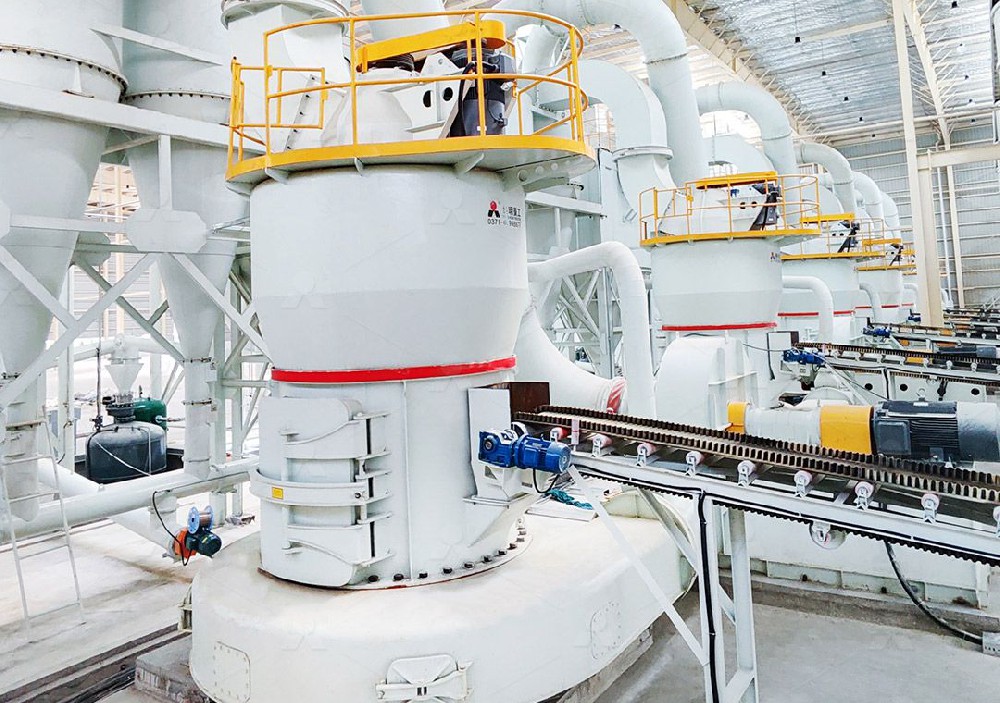
For example, conventional industrial applications may require products in the range of approximately 80–400 mesh, while high-value mineral applications can require several hundred to several thousand mesh, depending on the material and end use.
2.3 Advanced Materials and Fine Powder Applications
Demand for fine and ultrafine mineral powders is increasing in applications including coatings, plastics, ceramics, paper, chemical products, and advanced materials.
Calcium carbonate, kaolin, talc, graphite, and other minerals may require substantially finer particle sizes than conventional construction-material applications.
This is creating demand for technologies such as:
Ultrafine vertical mills
Micro powder mills
Ring roller mills
High-efficiency classifiers
Integrated grinding and classification systems
The key challenge is not simply achieving a finer product, but maintaining stable particle-size distribution, high throughput, low energy consumption, and reliable long-term operation.
2.4 Industrial Waste Recycling and Low-Carbon Processing
Industrial waste utilization is becoming another important application area.
Materials such as blast furnace slag, steel slag, fly ash, coal gangue, and other industrial by-products can potentially be processed into useful mineral powders.
Grinding plays a critical role in improving the reactivity and application value of these materials.
This trend is particularly important for cement and building-material industries seeking to reduce the use of conventional clinker and improve resource efficiency.
3. Major Grinding Mill Segments in 2026
The global grinding equipment market includes several major technology categories, each targeting different processing requirements.
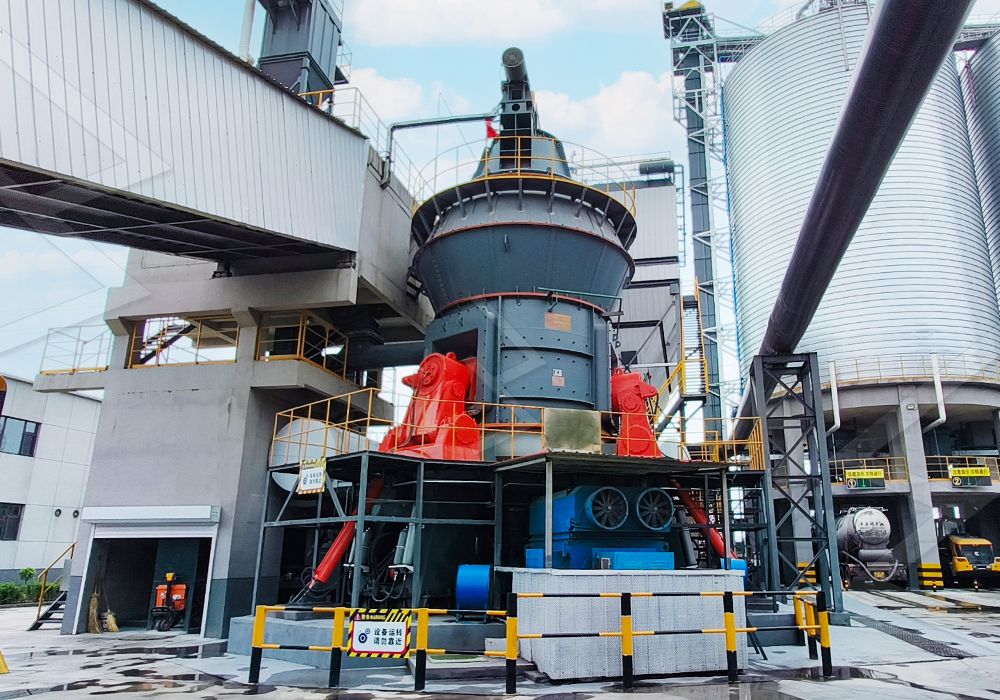
3.1 Vertical Roller Mills
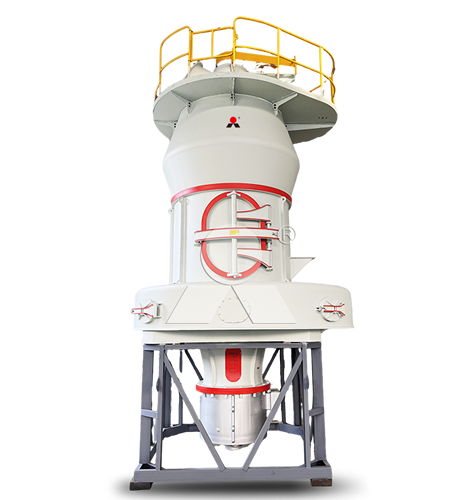
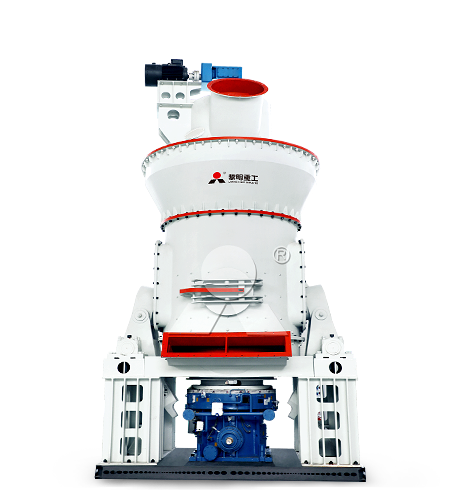
Vertical roller mills are increasingly used in high-capacity industrial applications where energy efficiency, large throughput, and process integration are important.
Typical applications include:
Cement raw materials
Cement clinker
Slag
Limestone
Coal
Other bulk mineral materials
Their major advantages include high capacity, relatively compact layouts, integrated grinding and classification, and the ability to operate with efficient process control.
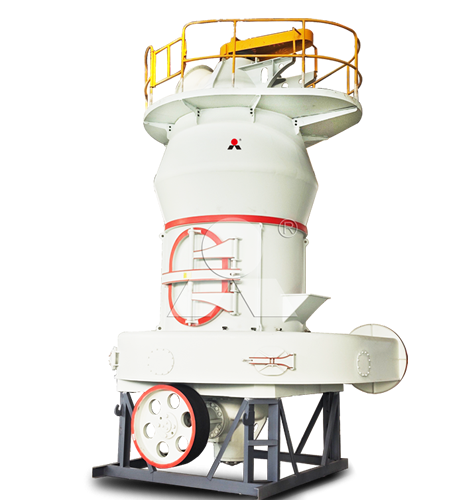
3.2 European-Type Grinding Mills
European-type grinding mills are widely used for medium-capacity mineral powder production.
They are particularly suitable for applications involving limestone, calcium carbonate, barite, dolomite, gypsum, bentonite, and other non-metallic minerals.
For many industrial powder applications, these mills offer a balance between investment cost, energy efficiency, product fineness, and maintenance requirements.
3.3 Ultrafine Grinding Mills
Ultrafine grinding represents a higher-value segment of the mineral processing market.
Applications can include:
Ultrafine calcium carbonate
Talc
Kaolin
Graphite
Barite
Other specialty mineral powders
Depending on the material, equipment configuration, and classification technology, ultrafine systems can produce powders in the micron or even sub-micron range.
However, finer particle sizes generally require more sophisticated grinding and classification technologies, and the appropriate equipment should be selected according to the actual material and target product specification.
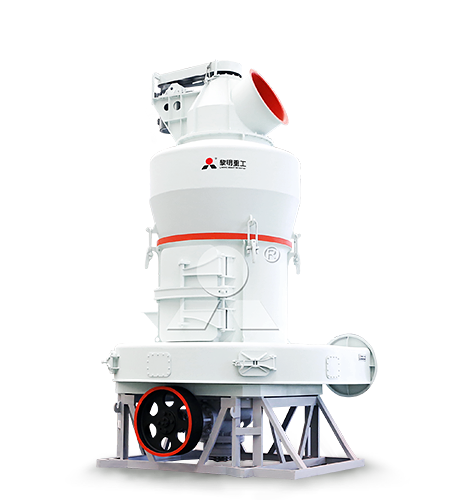
3.4 Raymond and Conventional Pendulum Mills
Raymond mills remain important for conventional mineral powder applications.
Their relatively simple structure, established operating principles, and suitability for a wide range of non-metallic minerals make them a practical option for many small- and medium-capacity projects.
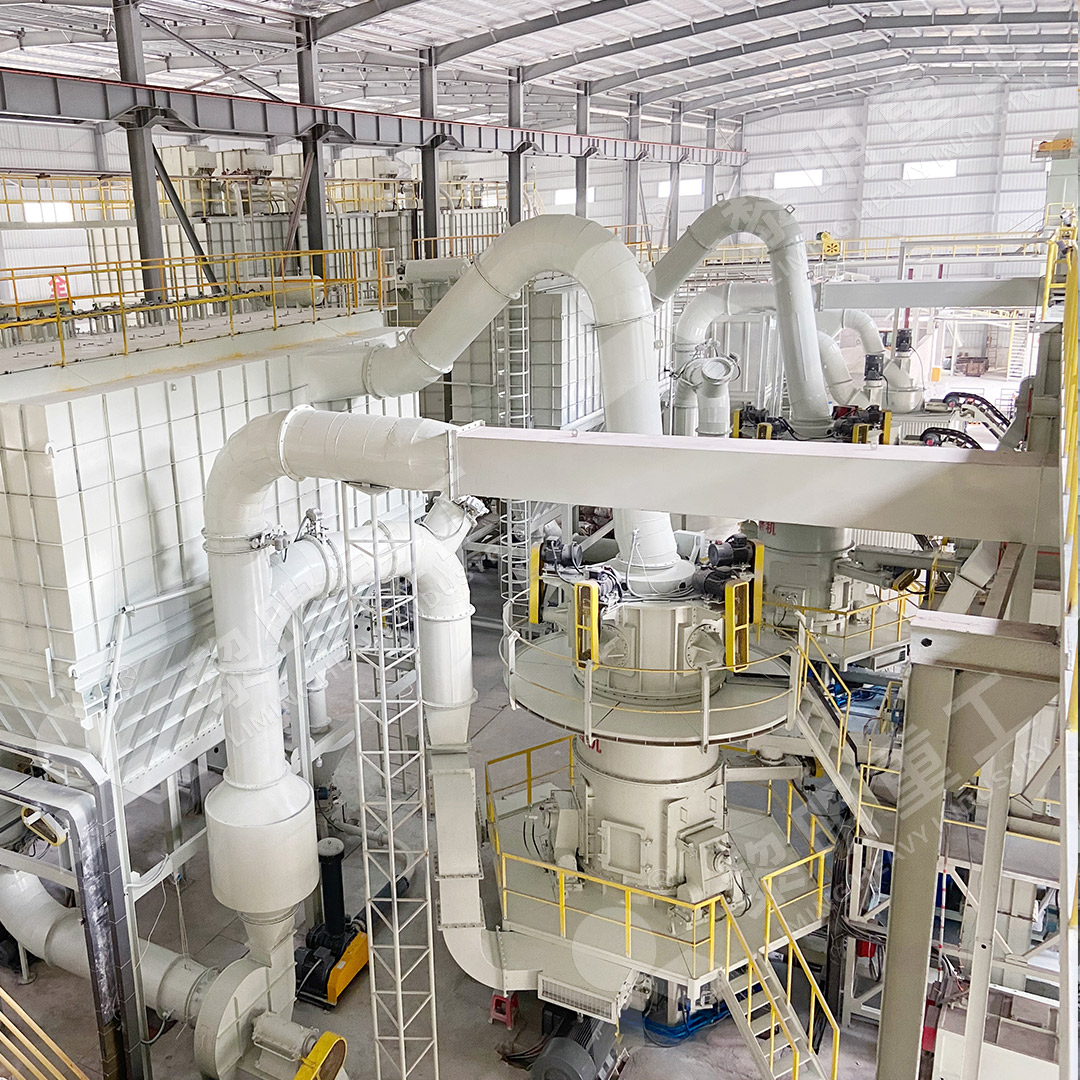
4. From Single-Machine Sales to Complete Grinding Solutions
One of the most important changes in the global grinding mill industry is the shift from equipment-centered sales to solution-centered services.
Customers increasingly expect suppliers to understand the entire production process, including:
Raw Material → Crushing → Drying When Required → Grinding → Classification → Dust Collection → Conveying → Storage → Packaging
The appropriate grinding system depends on several parameters, including:
Raw material type
Mohs hardness
Feed particle size
Required capacity
Final fineness
Product application
Production process
Layout requirements
Environmental requirements
For example, limestone grinding for construction materials may require a completely different system from ultrafine calcium carbonate production.
This means that equipment selection should begin with the process requirements, rather than simply selecting a mill based on its nominal capacity.
5. Global Competition Is Shifting Toward Engineering Capability
The competitive landscape of the grinding mill industry is becoming increasingly global.
Manufacturers are no longer competing only on machine specifications. Customers are paying greater attention to:
Equipment Performance × Process Design × Project Delivery × Automation × After-Sales Service
For international projects, additional factors are becoming increasingly important, including:
International technical standards
Electrical and control-system compatibility
Environmental regulations
Spare-parts availability
Remote technical support
Installation and commissioning
Local service capability
Long-term operating costs
For this reason, grinding mill manufacturers with international project experience and complete engineering capabilities have an advantage when serving overseas customers.
6. Three Major Global Grinding Mill Trends in 2026
6.1 Energy Efficiency and Lower Operating Costs
Energy consumption is one of the most important factors affecting the economics of grinding plants.
As electricity and fuel costs remain important considerations for mineral-processing companies, customers are increasingly evaluating mills based on total cost of ownership, rather than purchase price alone.
_1761355927035.jpg)
High-efficiency grinding systems, optimized classification, improved transmission systems, and intelligent process control can help reduce unnecessary energy consumption.
The focus is gradually shifting from:
“How much does the mill cost?”
to:
“How much does it cost to produce one ton of qualified powder?”
6.2 Intelligent and Automated Grinding Plants
Automation is becoming an increasingly important part of modern grinding systems.
Sensors, PLC control systems, online monitoring, automatic feeding, intelligent classification, and remote monitoring can improve process stability and reduce the need for manual intervention.
For large industrial projects, automated systems can also help operators monitor key parameters such as:
Mill operating conditions
Grinding pressure
Motor load
Product fineness
Feed rate
Temperature
System pressure
Dust collection performance
The long-term direction is toward more connected and data-driven powder processing plants.
6.3 Globalization and Localization of Services
Grinding mill manufacturers are expanding beyond equipment exports toward complete international project services.
Demand for turnkey and EPC solutions is increasing in regions such as Southeast Asia, Africa, the Middle East, Central Asia, and Latin America.
At the same time, international customers increasingly expect faster technical communication, spare-parts support, installation assistance, commissioning services, and remote troubleshooting.
Therefore, the future global competition will not simply be between machines. It will increasingly be between complete industrial solutions and service capabilities.
7. What Will Define the Grinding Mill Industry in the Future?
Looking ahead, several characteristics are likely to define successful grinding equipment and powder processing projects:
Higher efficiency – reducing energy consumption per ton of finished product.
Higher automation – improving production stability and reducing dependence on manual operation.
Higher product value – processing minerals into finer and higher-value products instead of selling raw materials.
Stronger environmental performance – improving dust collection, emissions control, and overall plant efficiency.
Greater process integration – combining crushing, drying, grinding, classification, conveying, and dust collection into optimized production systems.
Better lifecycle service – supporting customers from equipment selection and plant design to installation, commissioning, spare parts, maintenance, and technical upgrades.
_1761355701097.jpg)
Conclusion
The global grinding mill industry is entering a new stage of development in 2026.
Growth is no longer driven solely by the number of machines sold. Demand is increasingly connected with mineral resource utilization, industrial modernization, energy efficiency, environmental requirements, powder quality, and higher-value mineral processing.
Emerging markets will continue to create opportunities for new grinding and mineral processing projects, while mature markets will generate demand for equipment replacement, energy-saving upgrades, automation, and process optimization.
For grinding mill manufacturers, the long-term opportunity lies in moving beyond the traditional role of equipment supplier and becoming a complete powder processing solution provider.
For customers, the most important decision is not simply choosing a grinding mill with sufficient capacity. It is selecting a grinding system that matches the raw material, required fineness, production capacity, application, energy requirements, environmental standards, and long-term operating conditions.
With the right process design and equipment configuration, modern grinding technology can help mineral producers achieve higher productivity, more consistent powder quality, lower operating costs, and greater value from their raw materials.
Related Industry News


Liming Heavy Industry to Attend the 140th Canton Fair
2026-09-25

Liming Heavy Industry at bauma CONEXPO INDIA 2026 | Booth 5-C6
2026-09-07
Turnkey Raw Mill Cement Plant in Saudi Arabia: Design and Installation
2026-09-03
Cement Raw Mill Supplier in Indonesia: Cost and Configuration Analysis
2026-09-01
Liming Heavy Industry to Exhibit at the 24th Global Gypsum Conference & Exhibition in Turkey
2026-08-31
Complete Mineral Processing Solutions
Convenient Reliable Professional Efficient Get Your Quote
Please feel free to submit your inquiry information to us. We will contact with you as soon as possible.
Our team will contact you as soon as possible.