


Talc is one of the most versatile and widely used industrial minerals in the world. Although many people associate talc with personal care products such as baby powder, its importance extends far beyond cosmetics. Thanks to its unique physical and chemical properties, talc has become an essential functional filler and performance-enhancing additive across numerous industries, including plastics, coatings, paper, ceramics, rubber, pharmaceuticals, food processing, and construction materials.
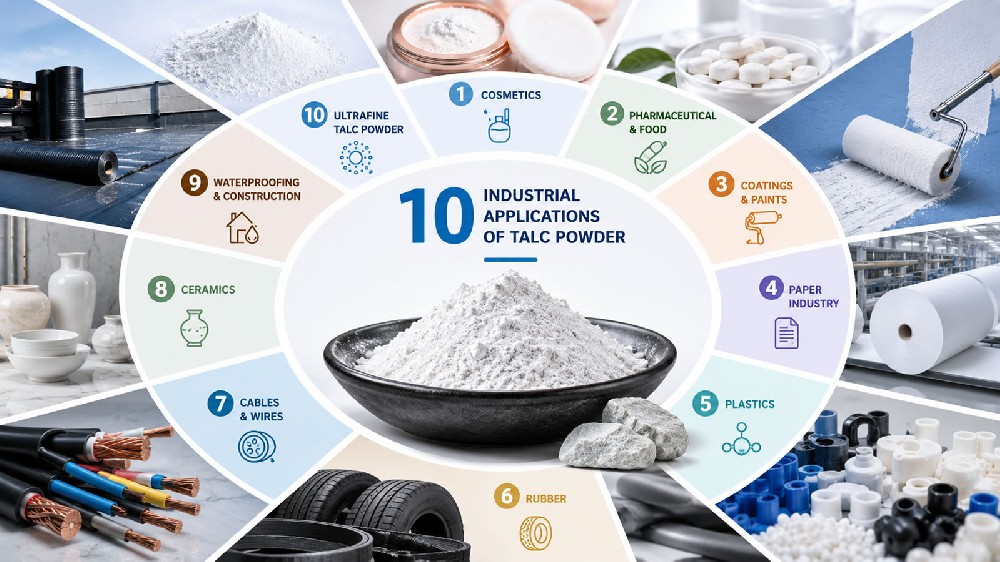
As global manufacturing increasingly focuses on improving product performance while reducing production costs, industrial talc continues to play a crucial role in modern supply chains. Understanding where and how talc is used can help manufacturers select the appropriate grade and maximize product value.
What Is Talc?
Talc is a naturally occurring hydrated magnesium silicate mineral with the chemical formula Mg₃Si₄O₁₀(OH)₂. It is the softest known mineral on the Mohs hardness scale, with a hardness of only 1. Pure talc is typically white to light gray and exhibits a characteristic greasy or soapy feel. Its crystal structure consists of stacked layers of magnesium hydroxide and silica sheets, giving talc its unique plate-like morphology.
This layered structure provides several valuable industrial properties:
Excellent lubricity and slip performance
Chemical inertness
High thermal stability
Good electrical insulation
Low abrasiveness
High whiteness and brightness
Strong adsorption capability
Reinforcing and dimensional stabilization effects
Excellent dispersion in polymers and coatings
Because of these characteristics, talc is widely used as a multifunctional mineral filler that can improve product performance while reducing formulation costs.
1. Cosmetic Grade Talc
Cosmetic-grade talc is one of the highest-purity talc products available. It is used in face powders, body powders, baby powders, foundations, skin-care formulations, and personal hygiene products.
For cosmetic applications, talc must meet strict requirements regarding purity, whiteness, particle size distribution, and contaminant control. Manufacturers carefully monitor heavy metal levels and ensure compliance with international cosmetic regulations.
The plate-like structure of talc provides a silky texture, excellent spreadability, moisture absorption, and a smooth skin feel, making it an ideal ingredient in premium cosmetic products.
2. Pharmaceutical and Food Grade Talc
Pharmaceutical and food-grade talc require exceptionally high purity and strict quality control.
Pharmaceutical Applications
In the pharmaceutical industry, talc is commonly used as a tablet lubricant, glidant, anti-caking agent, coating component, and excipient in solid dosage formulations. Talc improves powder flowability during manufacturing and helps ensure consistent tablet production.
Food Applications
In food processing, approved talc grades may be used as anti-caking agents, processing aids, separation agents, and surface treatment additives. These products must comply with relevant pharmacopeia and food safety regulations.
3. Coatings and Paint Industry
The global coatings industry is one of the largest consumers of industrial talc.
Talc functions as a performance-enhancing extender pigment in architectural paints, industrial coatings, marine coatings, protective coatings, automotive coatings, and powder coatings.
Key benefits include:
Improved suspension stability
Enhanced crack resistance
Better weatherability
Improved corrosion protection
Reduced shrinkage
Better scrub resistance
Cost reduction through partial replacement of expensive pigments
The platelet structure of talc creates a barrier effect within coating films, helping improve moisture resistance and extending coating lifespan.
4. Paper Industry
Talc has been used in papermaking for decades and remains an important mineral additive.
Applications include paper fillers, coating pigments, pitch control agents, and process additives.
Benefits include:
Improved paper smoothness
Enhanced opacity
Better printability
Increased brightness
Improved ink absorption
Reduced resin deposits during production
In high-quality coated papers, talc contributes to superior surface properties and improved printing performance.
5. Plastics Industry
The plastics sector represents one of the fastest-growing markets for talc consumption worldwide.
Talc is widely used in polypropylene (PP), polyethylene (PE), polyvinyl chloride (PVC), polystyrene (PS), polyamide (PA), polyester compounds, and engineering plastics.
Advantages of talc in plastics include:
Increased stiffness
Improved heat resistance
Enhanced dimensional stability
Reduced warpage
Lower shrinkage
Better impact performance
Improved processability
Reduced resin consumption
Automotive manufacturers increasingly use talc-filled polypropylene compounds in interior and exterior components due to their excellent balance of strength, weight, and cost.
As electric vehicle production continues to grow globally, demand for high-performance talc-reinforced plastics is expected to increase significantly.
6. Rubber Industry
In rubber manufacturing, talc serves as both a reinforcing filler and a processing aid.
Typical applications include tires, industrial rubber products, rubber hoses, conveyor belts, rubber sheets, and molded rubber components.
Benefits include:
Reduced production costs
Improved processing efficiency
Better dimensional stability
Enhanced surface finish
Reduced tackiness during manufacturing
Improved extrusion performance
Talc is also commonly used as a dusting agent to prevent rubber surfaces from sticking together during storage and transportation.
7. Cable and Wire Compounds
The electrical and cable industries use specialized talc grades in insulation and sheath compounds.
Applications include power cables, communication cables, industrial wiring, and specialty cable compounds.
Key benefits include:
Improved dielectric properties
Enhanced thermal resistance
Better aging resistance
Improved processability
Reduced compound costs
Low-iron talc grades are particularly valued because they help maintain excellent electrical insulation performance.
As global infrastructure investment and renewable energy projects expand, demand for high-performance cable materials continues to grow, creating new opportunities for talc consumption.
8. Ceramics Industry
Talc has long been a critical raw material in ceramic manufacturing.
It is widely used in electrical porcelain, technical ceramics, wall and floor tiles, sanitary ware, tableware, and ceramic glazes.
Talc contributes several important functions:
Fluxing action during firing
Improved thermal shock resistance
Reduced firing temperature
Enhanced mechanical strength
Reduced cracking and deformation
Improved whiteness and appearance
In advanced ceramics, talc serves as an important source of magnesium oxide, helping manufacturers achieve specific material properties required for industrial applications.
9. Waterproofing and Construction Materials
The construction industry increasingly utilizes talc in various waterproofing and building products.
Applications include modified bitumen membranes, waterproof coatings, sealants, roofing materials, and asphalt-based products.
Benefits include:
Improved UV resistance
Enhanced thermal stability
Better weather resistance
Reduced creep deformation
Improved durability
Longer service life
As sustainable infrastructure development expands worldwide, high-performance mineral additives such as talc are becoming increasingly important in construction material formulations.
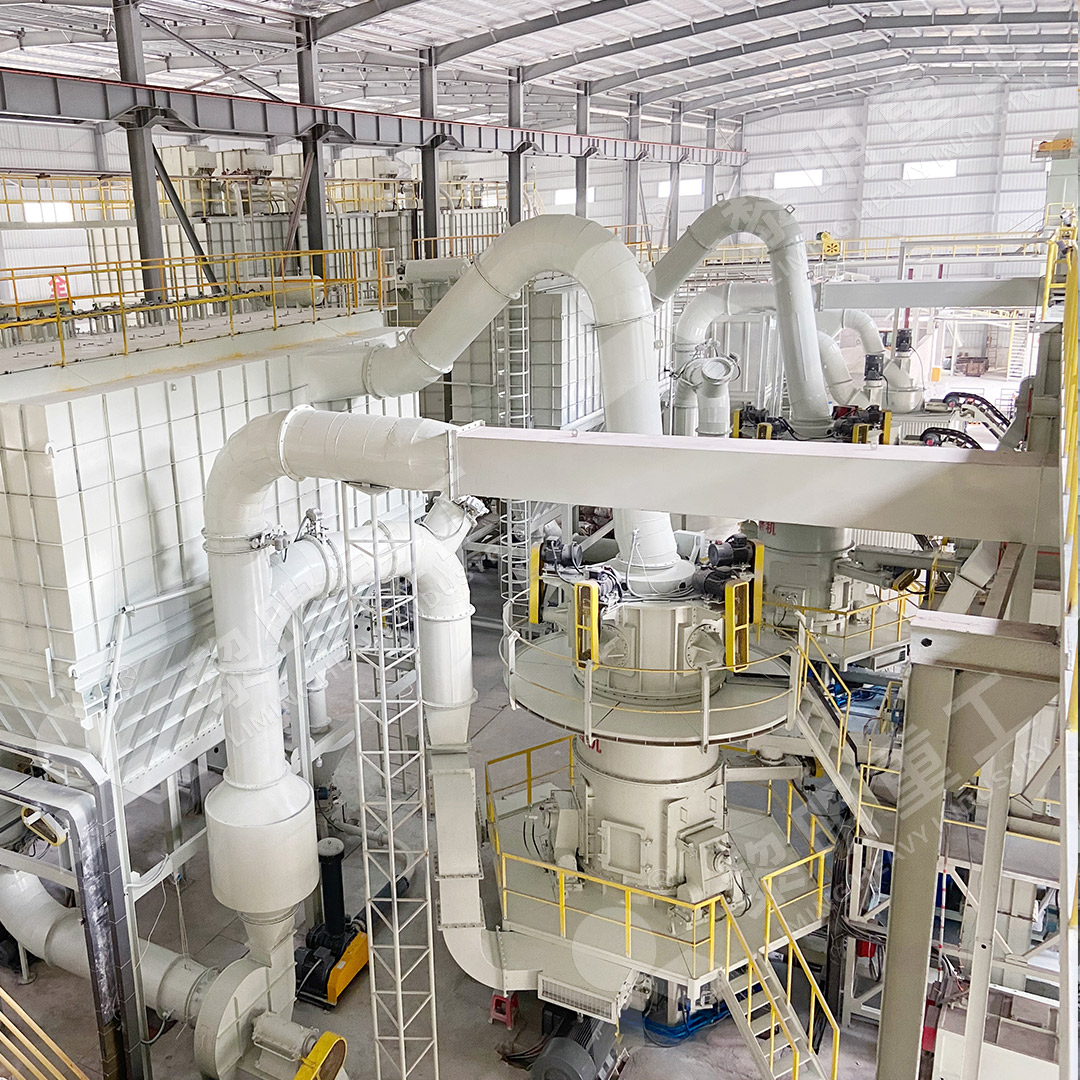
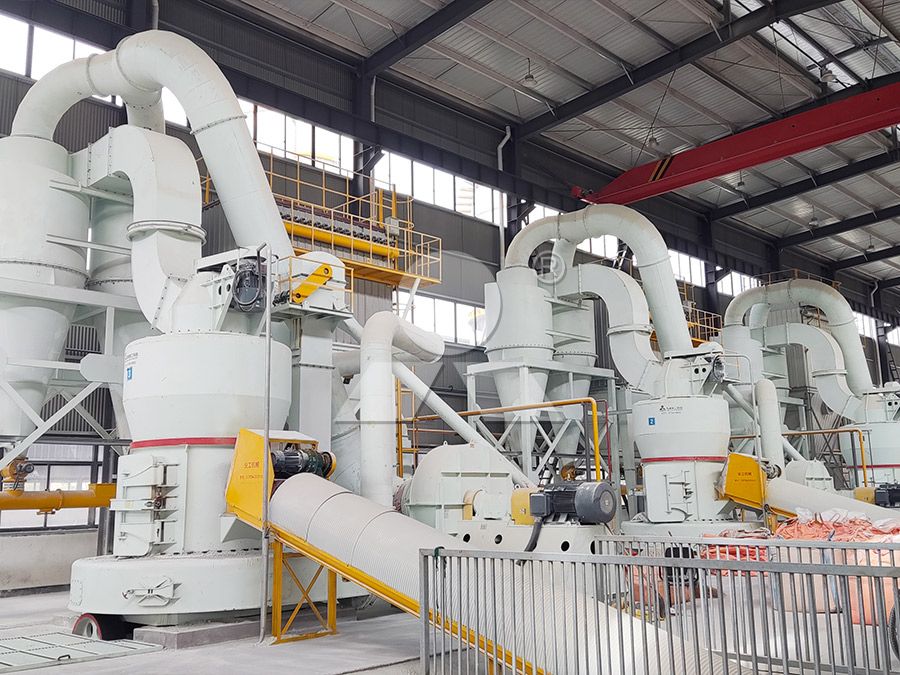
10. Ultrafine Talc Powder
Ultrafine talc represents one of the highest-value segments of the talc industry.
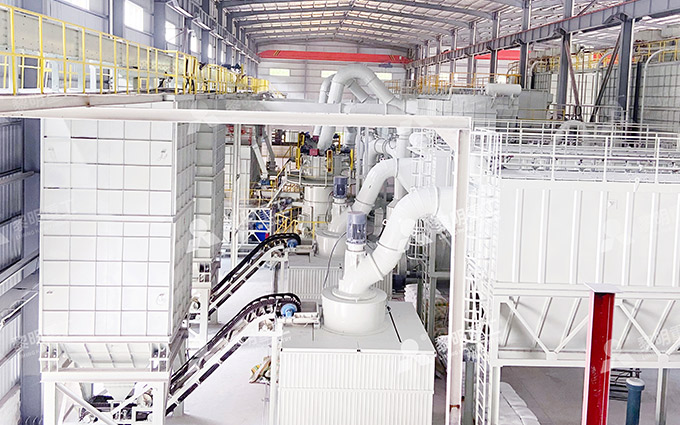
Produced through advanced grinding and classification technologies, ultrafine talc powders typically feature particle sizes in the micron or submicron range.
Major applications include:
High-performance coatings
Engineering plastics
Premium rubber compounds
Advanced cable materials
Cosmetic formulations
Paper coatings
Textile lubricants
Specialty composites
The extremely fine particle size and high aspect ratio of ultrafine talc provide:
Superior reinforcement effects
Improved barrier properties
Better surface finish
Enhanced dispersion
Improved mechanical performance
As manufacturers seek higher-value products with superior performance characteristics, demand for ultrafine and surface-modified talc grades continues to rise globally.
Future Outlook for the Global Talc Industry
The worldwide talc market is being driven by several long-term trends:
Growth of engineering plastics
Expansion of electric vehicle production
Increasing demand for lightweight materials
Rising infrastructure investment
Growth in high-performance coatings
Development of advanced polymer composites
Expansion of specialty mineral applications
In particular, plastics, automotive components, electrical materials, and advanced construction products are expected to remain the strongest growth sectors for industrial talc consumption over the coming decade.
Conclusion
Talc may appear to be a simple mineral, but its unique combination of layered crystal structure, chemical inertness, high whiteness, thermal stability, and reinforcing capability makes it one of the most important functional industrial minerals in modern manufacturing.
From cosmetics and pharmaceuticals to plastics, coatings, paper, ceramics, cables, rubber products, and construction materials, talc has become deeply integrated into global industrial value chains. Different industries require specific talc grades based on parameters such as whiteness, particle size distribution, loss on ignition, oil absorption, iron content, and contaminant levels.
Selecting the appropriate talc grade is essential for achieving optimal product performance, improving manufacturing efficiency, and reducing overall production costs. As industries continue to pursue higher-performance and more sustainable materials, talc will remain a strategic mineral resource supporting advanced manufacturing around the world.
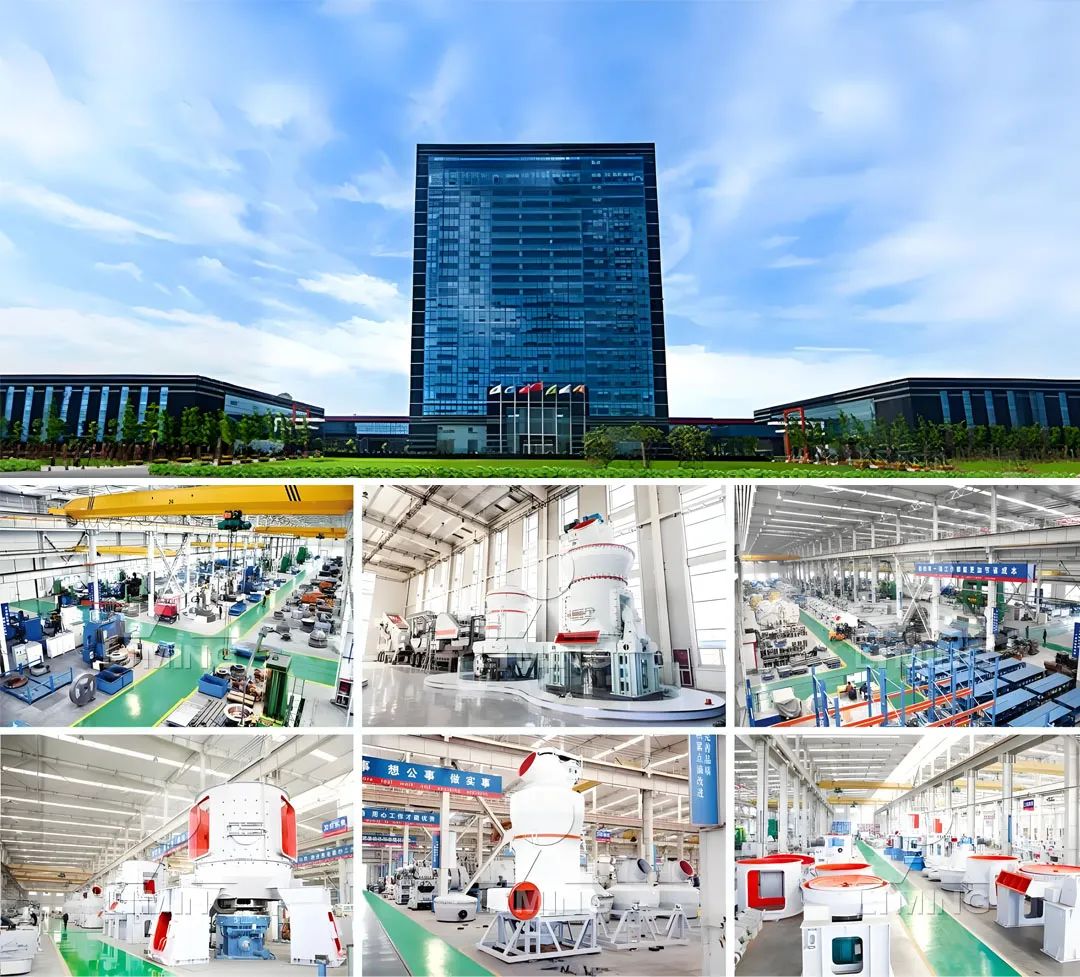
About Liming Heavy Industry
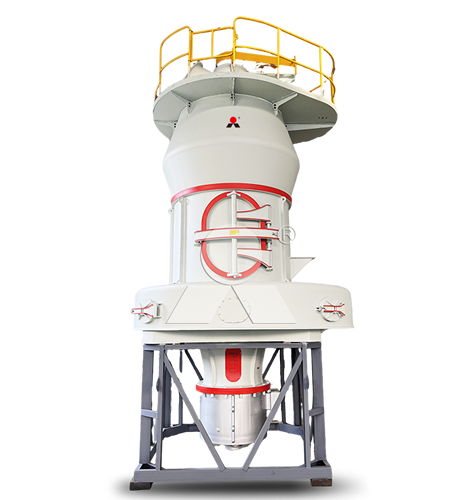
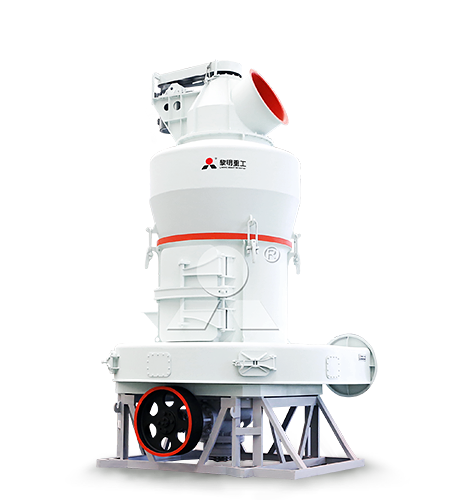
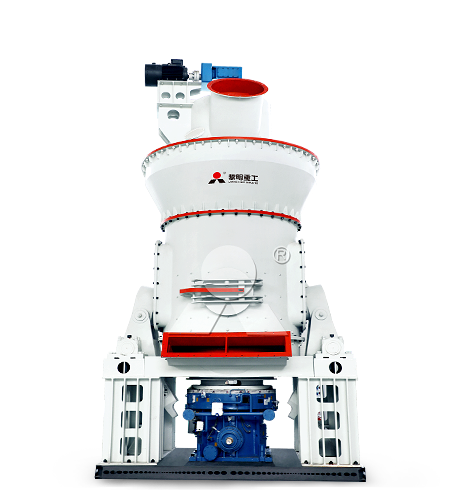
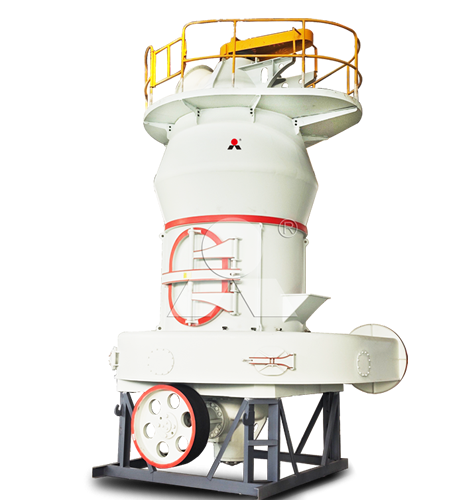
Liming Heavy Industry is a leading global manufacturer of industrial grinding equipment and complete powder processing solutions. The company provides advanced grinding mills, classification systems, and turnkey mineral processing plants for talc, calcium carbonate, limestone, dolomite, barite, gypsum, kaolin, and many other non-metallic minerals. With extensive experience serving customers across Asia, Europe, Africa, the Middle East, and the Americas, Liming Heavy Industry delivers reliable, energy-efficient solutions for producing high-quality mineral powders ranging from coarse to ultrafine grades.
Related Industry News


LIMING Heavy Industry to Participate in SIREXE 2026 in Abidjan, Côte d'Ivoire
2026-10-26

LIMING at MiningMetals Uzbekistan 2026 | Booth B94
2026-10-22
LIMING Heavy Industry at MINEXPO Africa 2026 | Booth 133
2026-10-22
Liming Heavy Industry to Exhibit at bauma CHINA 2026 – Visit Us at Booth E6.510
2026-10-15
Meet Liming Heavy Industry at the 140th Canton Fair 2026
2026-10-13
Complete Mineral Processing Solutions
Convenient Reliable Professional Efficient Get Your Quote
Please feel free to submit your inquiry information to us. We will contact with you as soon as possible.
Our team will contact you as soon as possible.