


Calcium carbonate (CaCO₃) is one of the most widely used industrial minerals in the world. Often referred to as the "universal industrial filler," it combines excellent cost-effectiveness, high whiteness, chemical stability, and outstanding versatility across numerous manufacturing sectors.
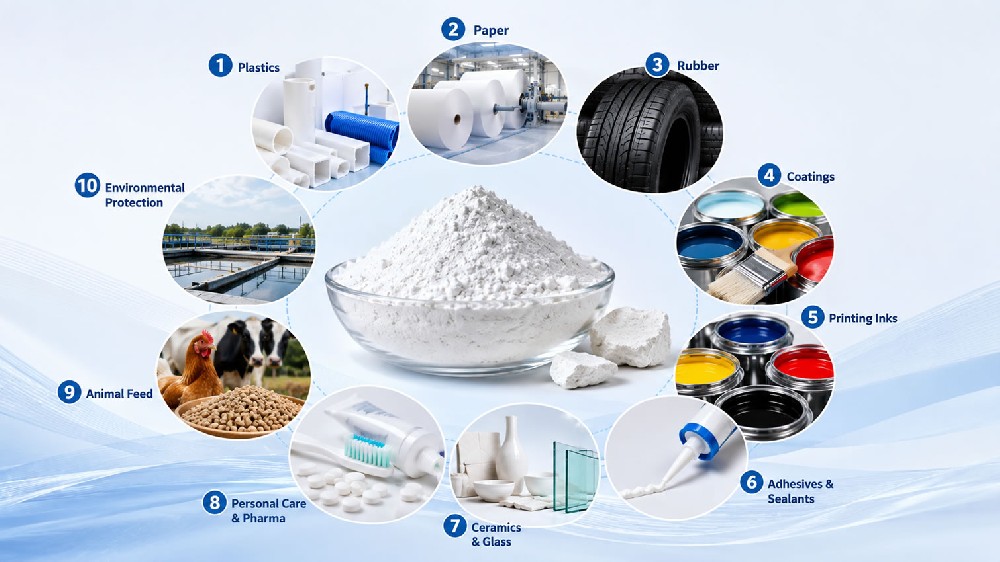
From plastics and paper to coatings, rubber, adhesives, pharmaceuticals, animal nutrition, and environmental protection, calcium carbonate plays a critical role in improving product performance while reducing production costs. As industries increasingly focus on lightweight materials, sustainable manufacturing, and high-performance composites, demand for advanced calcium carbonate products continues to grow worldwide.
Today, industrial calcium carbonate is generally classified into three major categories:
Ground Calcium Carbonate (GCC)
Precipitated Calcium Carbonate (PCC)
Nano Calcium Carbonate (Nano CaCO₃)
Each type offers distinct particle characteristics and performance advantages, making calcium carbonate one of the most adaptable mineral fillers available.
Why Calcium Carbonate Is Essential in Modern Manufacturing
Several properties make calcium carbonate indispensable across global industries:
High whiteness and brightness
Excellent chemical stability
Low abrasiveness
Good dispersion properties
Adjustable particle size distribution
Surface modification compatibility
Low production cost
Environmentally friendly composition
Wide availability of raw materials
Through ultrafine grinding and surface treatment technologies, calcium carbonate can be tailored to meet the requirements of increasingly sophisticated industrial applications.
1. Plastics Industry: The Largest Market for Calcium Carbonate
The plastics industry represents the largest global consumer of calcium carbonate.
It is widely used in:
Polyvinyl chloride (PVC)
Polypropylene (PP)
Polyethylene (PE)
Acrylonitrile Butadiene Styrene (ABS)
Engineering plastics
Composite materials
Major applications include:
Pipes and fittings
Profiles and window frames
Plastic sheets
Household appliance housings
Packaging films
Automotive components
Benefits in Plastics
Reduces resin consumption
Lowers production costs
Improves stiffness
Increases dimensional stability
Enhances heat resistance
Improves impact strength
Reduces shrinkage and warpage
Today, surface-treated ultrafine and nano calcium carbonate grades allow manufacturers to achieve higher filler loading while maintaining excellent mechanical performance. As lightweight plastics continue to replace metal components in automotive and consumer products, calcium carbonate demand is expected to grow steadily.
_1761355701097.jpg)
2. Paper Industry
The paper industry is another major consumer of calcium carbonate, particularly PCC and fine GCC grades.
Calcium carbonate serves as both a paper filler and a coating pigment.
Applications include:
Coated paper
Whiteboard paper
Printing paper
Writing paper
Packaging paper
Key Advantages
Improves paper brightness
Increases opacity
Enhances smoothness
Improves printability
Optimizes ink absorption
Enhances surface quality
Compared with traditional fillers, calcium carbonate often provides superior optical properties while supporting more sustainable papermaking processes.
3. Rubber Industry
Calcium carbonate is widely used in both natural and synthetic rubber products.
Common applications include:
Tires
Conveyor belts
Rubber hoses
Sealing strips
Industrial rubber components
Footwear products
Benefits in Rubber Compounds
Calcium carbonate functions as a semi-reinforcing filler that:
Reduces rubber consumption
Lowers production costs
Improves hardness
Enhances tensile strength
Increases wear resistance
Improves aging resistance
Enhances processing performance
Surface-treated calcium carbonate grades are increasingly used in premium rubber formulations where stronger filler-rubber interaction is required.
4. Paints and Coatings Industry
The coatings industry relies heavily on calcium carbonate as a functional extender pigment.
Applications include:
Interior wall paints
Exterior wall coatings
Industrial coatings
Anti-corrosion coatings
Wood coatings
Powder coatings
Performance Benefits
Improves rheology control
Enhances leveling properties
Increases film hardness
Improves adhesion
Increases scrub resistance
Enhances weather resistance
In many formulations, calcium carbonate can partially replace more expensive titanium dioxide, significantly reducing formulation costs while maintaining product quality.
5. Printing Ink Industry
Calcium carbonate is widely used in:
Offset printing inks
Gravure inks
Flexographic inks
Screen printing inks
Key Functions
Maintains stable viscosity
Controls rheology
Improves color distribution
Enhances opacity
Improves print quality
Reduces sedimentation during storage
Its controlled particle size and oil absorption characteristics make it an important component in modern printing formulations.
6. Adhesives and Sealants
The global adhesive and sealant industry has become an increasingly important market for calcium carbonate.
Applications include:
Silicone sealants
MS polymer sealants
Polyurethane adhesives
Construction adhesives
Industrial bonding materials
Benefits
Adjusts viscosity
Improves mechanical strength
Enhances sag resistance
Increases weather resistance
Improves durability
Reduces formulation costs
Nano calcium carbonate is particularly valued for its reinforcing effects in high-performance sealant systems.
7. Ceramics and Glass Industry
Calcium carbonate serves as an important raw material in both ceramic and glass production.
Ceramic Applications
In ceramics, calcium carbonate is used in:
Ceramic bodies
Ceramic glazes
Sanitary ware
Wall and floor tiles
Tableware
Benefits include:
Reduced firing temperature
Improved whiteness
Enhanced density
Reduced cracking and deformation
Glass Applications
In glass manufacturing, calcium carbonate contributes to:
Improved melting behavior
Better transparency
Enhanced surface gloss
Increased product consistency
8. Personal Care and Pharmaceutical Industry
High-purity calcium carbonate grades are widely used in personal care and pharmaceutical products.
Personal Care Applications
Toothpaste abrasives
Cosmetic fillers
Body powders
Skin care products
Its gentle abrasive properties make calcium carbonate highly suitable for oral care formulations.
Pharmaceutical Applications
Calcium supplement ingredient
Tablet filler
Capsule excipient
Antacid ingredient
Pharmaceutical-grade calcium carbonate must meet strict purity and regulatory requirements.
9. Animal Feed Industry
Calcium carbonate is one of the most important mineral supplements used in animal nutrition.
Applications include:
Poultry feed
Livestock feed
Aquaculture feed
Pet food formulations
Benefits
Provides essential calcium nutrition
Supports bone development
Improves eggshell quality
Enhances metabolic performance
Improves feed efficiency
As global demand for animal protein continues to rise, calcium carbonate remains a key component of modern feed formulations.
10. Environmental Protection Industry
Environmental applications are among the fastest-growing markets for calcium carbonate products.
Wastewater Treatment
pH adjustment
Acid neutralization
Heavy metal stabilization
Sludge treatment
Flue Gas Desulfurization
Power plants and industrial facilities use calcium carbonate in wet and semi-dry desulfurization systems to remove sulfur dioxide emissions.
Soil Remediation
Corrects acidic soils
Stabilizes contaminated land
Improves agricultural productivity
As governments worldwide continue to tighten environmental regulations, demand for calcium-based environmental solutions is expected to increase significantly.
Emerging Trends in the Global Calcium Carbonate Market
The calcium carbonate industry is undergoing rapid technological transformation.
Ultrafine Grinding Technologies
Advanced grinding systems now produce calcium carbonate powders with micron and submicron particle sizes, enabling higher-value applications.
Surface Modification Technologies
Coupling agents and surface treatments improve compatibility between calcium carbonate and polymer matrices, allowing higher filler loading and better performance.
Nano Calcium Carbonate Expansion
Nano calcium carbonate is gaining market share in:
Automotive materials
Engineering plastics
High-performance adhesives
Advanced coatings
Specialty rubber products
Sustainable Manufacturing
As industries seek lower-carbon and more sustainable production methods, calcium carbonate's abundance, recyclability, and environmental compatibility make it increasingly attractive compared with synthetic alternatives.
Conclusion
Calcium carbonate is far more than simply ground limestone. It has become one of the most important functional mineral fillers in modern manufacturing, supporting industries ranging from plastics and paper to coatings, rubber, pharmaceuticals, animal nutrition, and environmental protection.
The ongoing development of ultrafine grinding, surface modification, and nano-calcium carbonate technologies is transforming calcium carbonate into a high-performance material capable of meeting the demands of advanced manufacturing. As global industries continue pursuing higher performance, lower costs, and more sustainable production, calcium carbonate will remain a strategic industrial mineral at the center of modern material innovation.
About Liming Heavy Industry
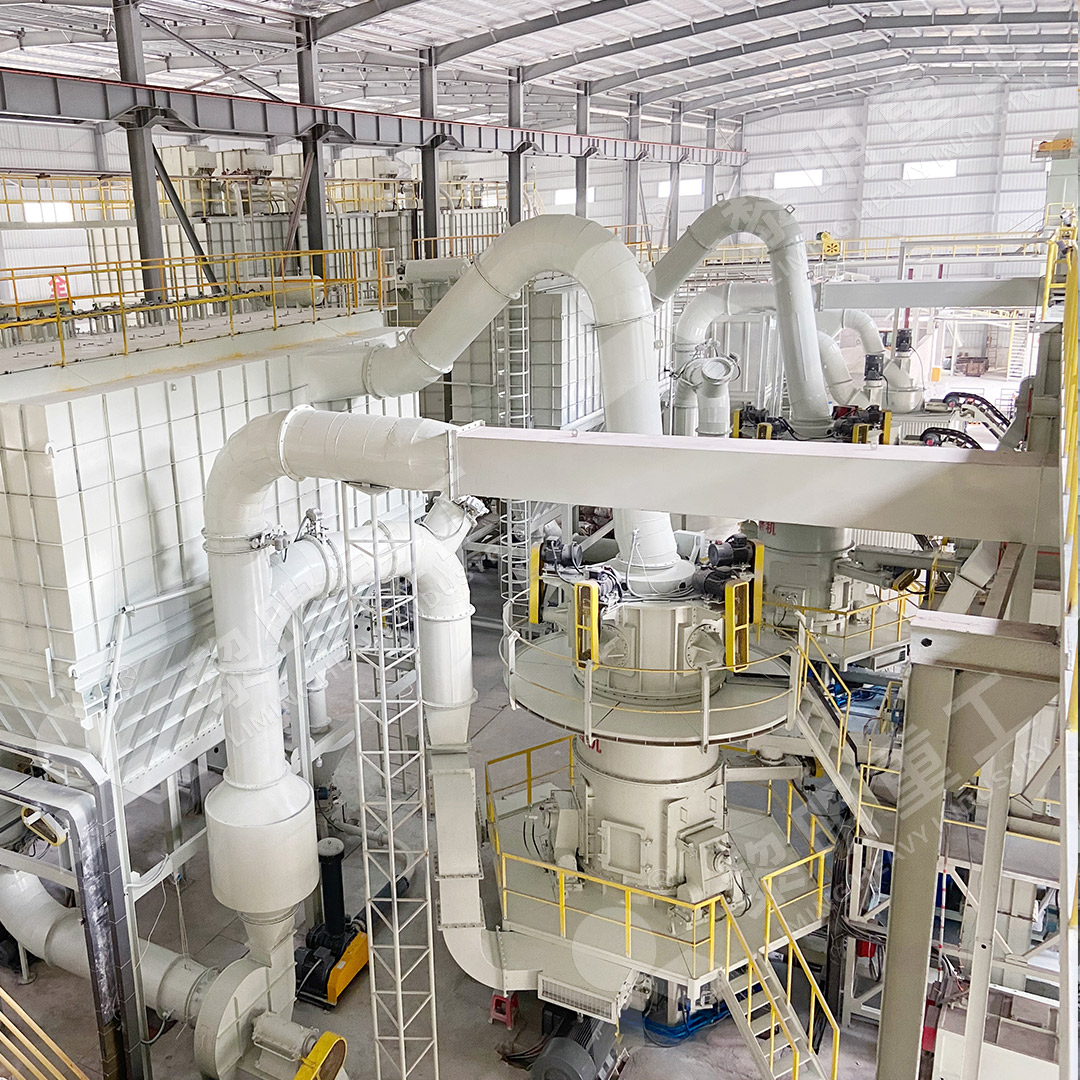
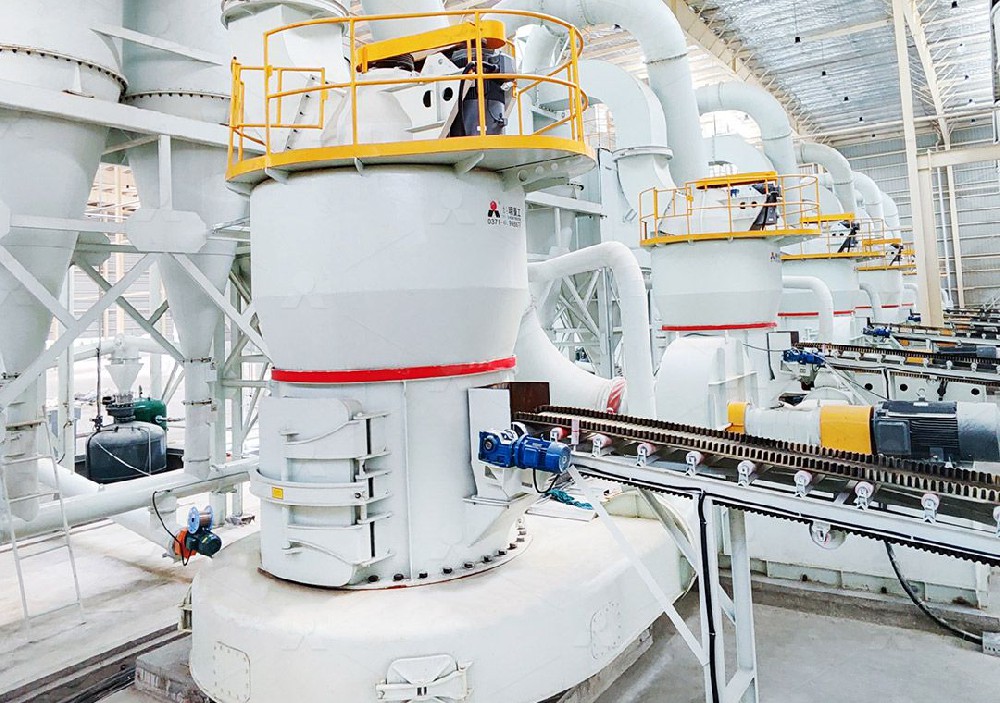
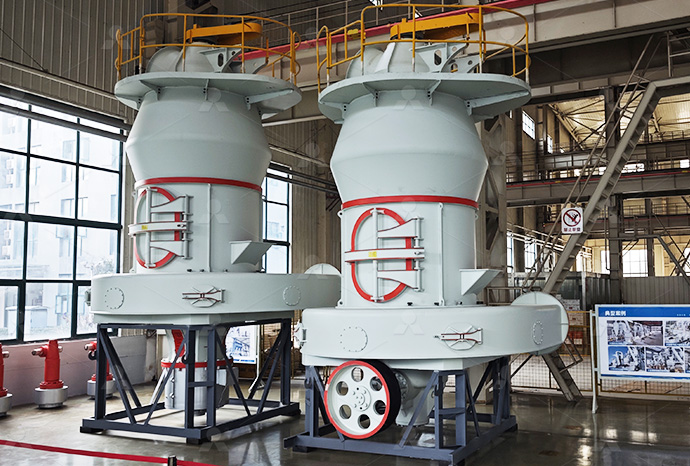
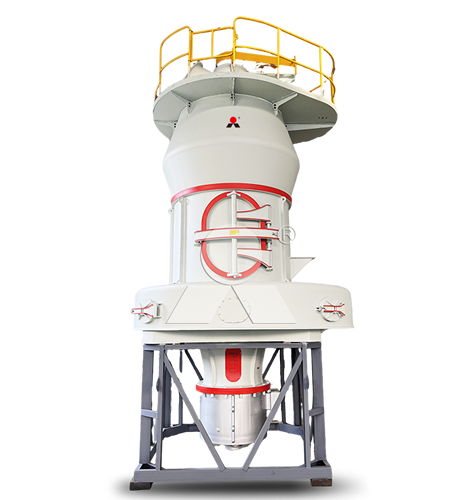
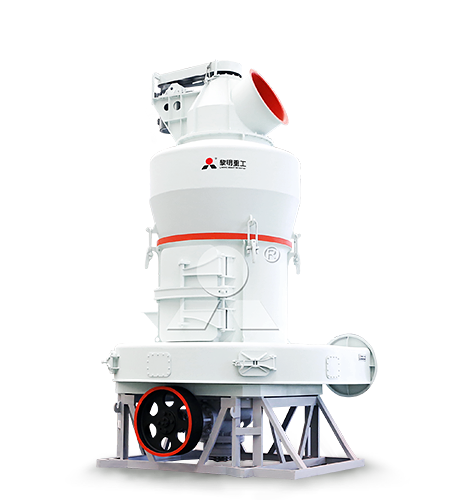
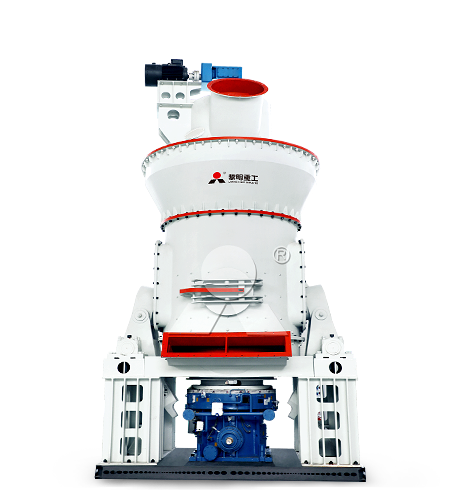
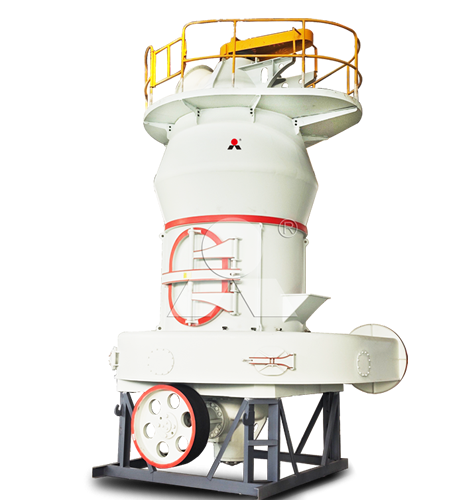
Liming Heavy Industry is a leading global manufacturer of grinding mills and complete powder processing solutions. The company provides advanced equipment for producing ground calcium carbonate (GCC), ultrafine calcium carbonate, and other non-metallic mineral powders. Its product portfolio includes Raymond mills, MTW European Type Grinding Mills, LM Vertical Roller Mills, LUM Ultrafine Vertical Mills, classifiers, and complete turnkey powder production lines, helping customers worldwide produce high-quality calcium carbonate products for diverse industrial applications.
Related Industry News


Liming Heavy Industry at bauma CONEXPO INDIA 2026 | Booth 5-C6
2026-09-07

Turnkey Raw Mill Cement Plant in Saudi Arabia: Design and Installation
2026-09-03
Cement Raw Mill Supplier in Indonesia: Cost and Configuration Analysis
2026-09-01
Liming Heavy Industry to Exhibit at the 24th Global Gypsum Conference & Exhibition in Turkey
2026-08-31
Complete Calcium Carbonate Grinding and Coating Plant Solution
2026-08-29
Complete Mineral Processing Solutions
Convenient Reliable Professional Efficient Get Your Quote
Please feel free to submit your inquiry information to us. We will contact with you as soon as possible.
Our team will contact you as soon as possible.