


After more than two decades in the mineral grinding and powder processing industry, one of the most regrettable realities I have witnessed is seeing high-quality calcium carbonate ore reduced to low-value commodity powder sold for only a few hundred dollars per ton. For years, because of its naturally hydrophilic and oleophobic surface properties, calcium carbonate was treated by downstream plastic and rubber manufacturers as little more than a cheap "space-filling additive."
But the industry landscape is changing rapidly.
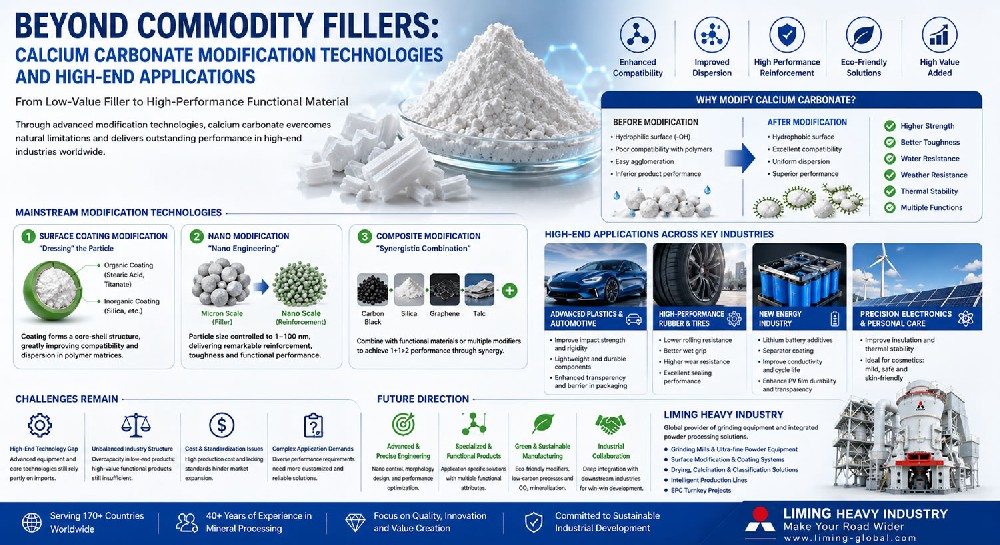
The traditional weaknesses of calcium carbonate — hydrophilicity, poor dispersion, and limited compatibility with organic polymers — are now being systematically overcome through advanced modification technologies. Today, calcium carbonate is no longer a low-end filler used merely to increase volume. It is evolving into a multifunctional high-performance material with applications across advanced manufacturing, new energy, automotive engineering, electronics, and sustainable materials.
1. Why Modification Is Essential: Turning "Defects" into Functional Advantages
Conventional calcium carbonate (CaCO₃) naturally possesses a polar, hydrophilic surface due to hydroxyl (-OH) groups. In non-polar organic matrices such as plastics and rubber, this creates severe compatibility problems. Particles tend to agglomerate easily, resulting in poor dispersion and reduced product performance.
The core purpose of modification is to fundamentally alter the surface characteristics of calcium carbonate through physical and chemical engineering methods.
However, modern modification is no longer simply about improving compatibility. It is about transforming calcium carbonate into a functional material capable of reinforcement, toughening, water resistance, weather resistance, thermal stability, conductivity, flame retardancy, and other advanced properties.
In other words, modification technologies are enabling low-cost mineral resources to become high-value engineered materials.
2. Mainstream Global Modification Technologies
Surface Coating Modification: "Dressing" the Particle
This remains the most mature and widely adopted industrial technology.
The principle is straightforward: organic modifiers such as stearic acid and titanate coupling agents, or inorganic materials such as silica, are coated onto the calcium carbonate surface through physical adsorption or chemical bonding, forming a core-shell structure.
This process dramatically improves compatibility with polymers, allowing calcium carbonate to disperse more uniformly within plastics, rubber, coatings, and adhesives.
For many manufacturers worldwide, surface coating modification represents the foundational step in upgrading from low-end commodity powder to mid- and high-end functional filler systems.
Nano Modification: The Core of High-End Transformation
Nano-calcium carbonate represents one of the most important directions for the future of advanced functional materials.
Through ultrafine grinding, precision classification, and controlled crystallization technologies such as carbonation synthesis, particle sizes can be reduced into the 1–100 nm range.
At the nanoscale, calcium carbonate exhibits strong surface effects and size effects that significantly improve:
Mechanical reinforcement
Impact resistance
Toughness
Thermal stability
Barrier properties
Interfacial bonding
Traditional micron-scale calcium carbonate primarily acts as a filler. Nano-calcium carbonate functions as a true reinforcing material.
Composite Modification: Achieving Synergistic Performance
As application requirements become increasingly complex, single modification technologies are often insufficient.
Composite modification combines calcium carbonate with other functional materials such as:
Carbon black
Silica
Graphene
Talc
Flame retardants
Antibacterial additives
By leveraging synergistic effects, composite systems can achieve performance levels far beyond what individual materials can provide alone.
For example, combining ultrafine grinding with coupling-agent surface treatment simultaneously improves dispersion, compatibility, and mechanical strength.
3. High-End Applications: Calcium Carbonate Enters Advanced Industries
Advanced Plastics and Automotive Lightweighting
In engineering plastics such as PA, PC, ABS, and PP, modified calcium carbonate significantly enhances impact resistance, tensile strength, rigidity, and dimensional stability.
Under the global trend toward automotive lightweighting and electric vehicle development, nano and composite modified calcium carbonate are increasingly used in:
Automotive bumpers
Interior components
Dashboard systems
Structural plastic parts
Battery housing materials
These materials help reduce vehicle weight while improving wear resistance, stiffness, and thermal performance.
Even in food-grade packaging applications, modified calcium carbonate can improve transparency, gas barrier properties, and shelf-life performance.
High-Performance Rubber and Green Tires
Electric vehicle tires require extremely low rolling resistance while maintaining high wet-grip and wear resistance.
Nano-modified calcium carbonate working together with silica and carbon black can:
Reduce rolling resistance
Improve energy efficiency
Enhance abrasion resistance
Improve wet traction
Increase durability
In aerospace sealing systems, industrial hoses, and high-pressure rubber components, composite modified calcium carbonate also improves hardness, sealing performance, and thermal resistance.
The "Invisible Contributor" in the New Energy Industry
One of the fastest-growing application sectors for modified calcium carbonate is the new energy industry.
In lithium batteries, nano-calcium carbonate can function as:
Cathode additives
Separator coating materials
Pore-forming agents
Interface optimization materials
These functions help improve conductivity, cycle life, and reduce interface resistance.
In photovoltaic applications, modified calcium carbonate improves EVA encapsulation film performance by enhancing:
Weather resistance
Transparency
Adhesion strength
Long-term durability
In wind power systems, composite calcium carbonate materials improve blade wear resistance and anti-aging performance.
Precision Electronics and Personal Care Products
In semiconductor packaging materials, nano-calcium carbonate enhances insulation and thermal resistance.
In premium cosmetics and skincare products, modified calcium carbonate serves as a mild oil-absorbing and whitening agent that improves texture and user experience.
4. Remaining Challenges: How Far Are We from True High-End Development?
Despite significant progress, several major industry challenges remain.
First, key high-end technologies — especially advanced nano-engineering processes and specialized equipment — are still partially dependent on imported technologies in many regions.
Second, industry structure remains unbalanced. A large number of manufacturers continue competing aggressively in low-end surface coating markets with severe product homogenization, while truly high-value products remain in limited supply.
Third, cost and standardization issues continue to restrict market expansion.
High-end modification technologies require substantial investment, which increases product costs. At the same time, inconsistent industry standards and testing systems make it difficult for downstream customers to evaluate material quality accurately.
5. The Future Direction: Green, Specialized, and Collaborative Development
The future evolution path of calcium carbonate modification technologies is becoming increasingly clear.
Advanced Precision Engineering
The industry will continue moving toward more precise control of:
Particle size distribution
Crystal morphology
Surface interface structures
Nano-scale functionalization
Reducing the performance gap between domestic and internationally leading products remains a key objective.
Specialized Functional Products
The era of "universal powders" is ending.
Future products will increasingly become application-specific materials such as:
Lithium battery-grade calcium carbonate
Photovoltaic EVA film-grade calcium carbonate
Automotive PP-specific calcium carbonate
Flame-retardant functional calcium carbonate
Conductive composite calcium carbonate
Customization and multifunctionality will define future competitiveness.
Green Manufacturing and Carbon Utilization
Environmental sustainability is becoming central to the industry's future.
Key development directions include:
Phosphorus-free modifiers
Heavy-metal-free surface treatments
Lower energy consumption processes
CO₂ mineralization technologies using flue gas
Circular economy integration
These technologies align closely with global carbon neutrality and sustainable manufacturing goals.
Industrial Collaboration Across the Supply Chain
Powder manufacturers can no longer operate in isolation.
Future success will require deep collaboration with:
Plastic manufacturers
Battery producers
Automotive companies
Coating manufacturers
Electronic material suppliers
Integrated "powder-to-product" collaborative development will become increasingly important.
Conclusion
The transformation of calcium carbonate from a low-end filler into a high-end functional material is being driven by modification technology.
For industry professionals, the era of simply selling "mesh size" and "whiteness" is rapidly coming to an end.
The future belongs to companies capable of delivering:
Stable dispersion performance
Precise surface interface engineering
Application-oriented material design
Customized functional solutions
Long-term technical service capabilities
By understanding the core logic of modification technologies and deeply exploring specialized application scenarios, this once ordinary mineral can truly become a high-value advanced material for the future global industry.
About Liming Heavy Industry
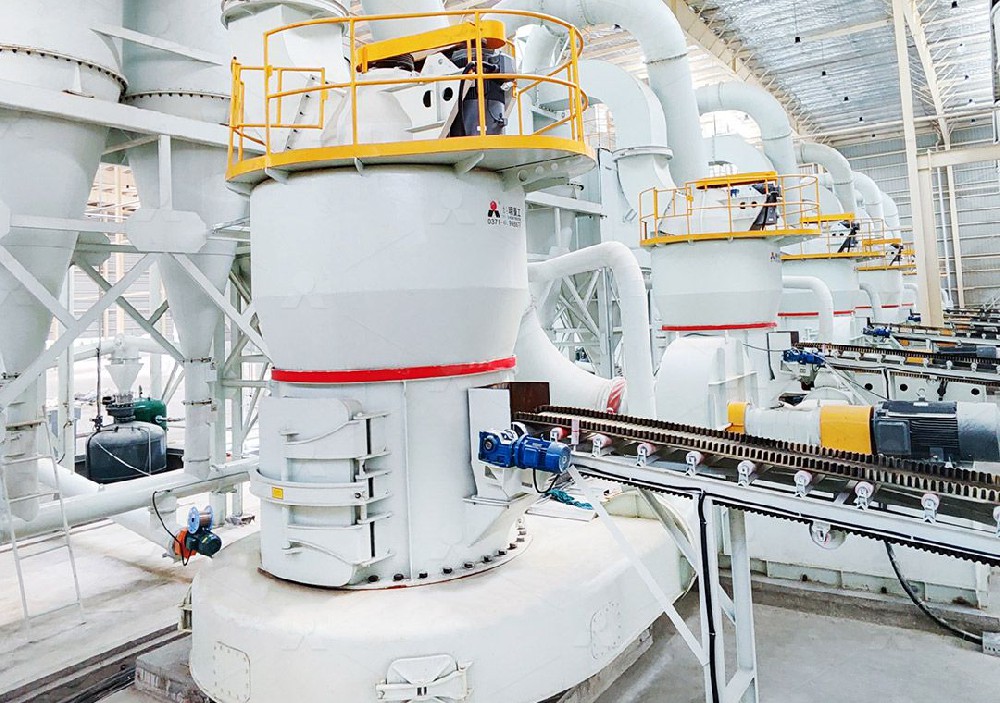
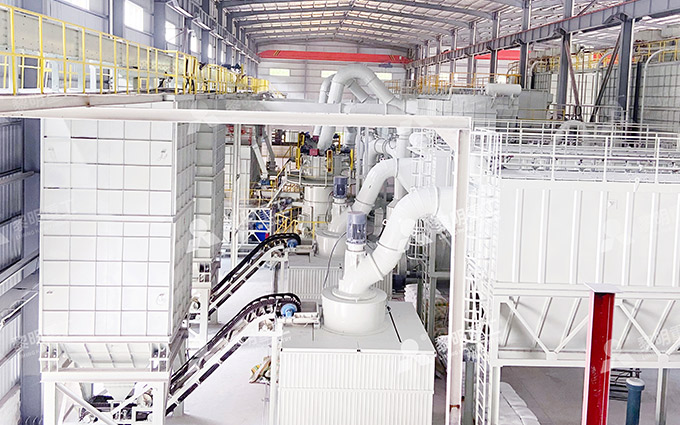
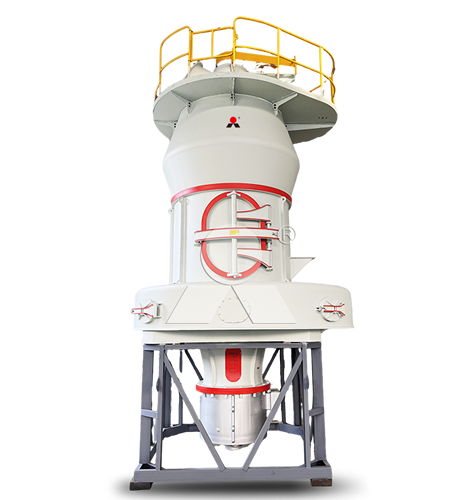
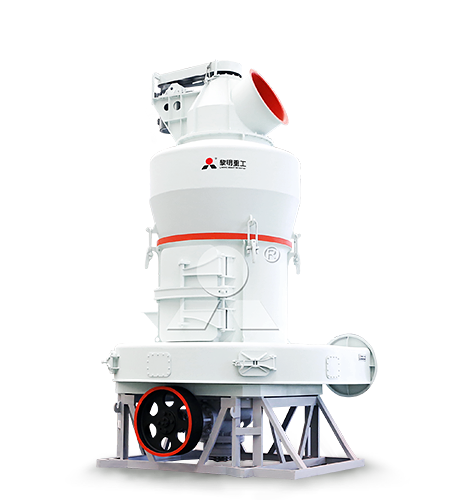
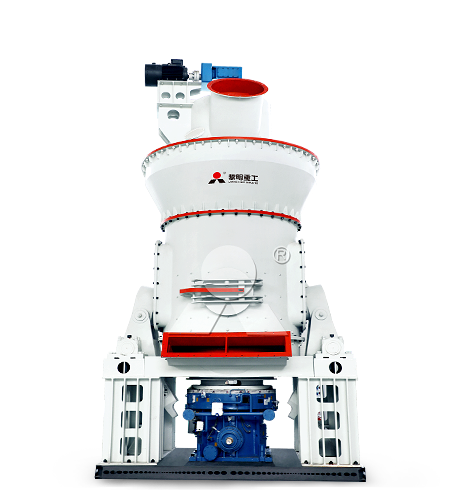
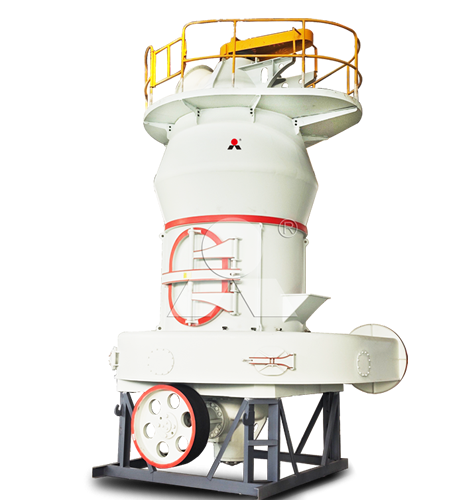
Liming Heavy Industry is a global supplier of grinding equipment and integrated powder processing solutions for non-metallic minerals, industrial solid waste recycling, new materials, and advanced manufacturing industries.
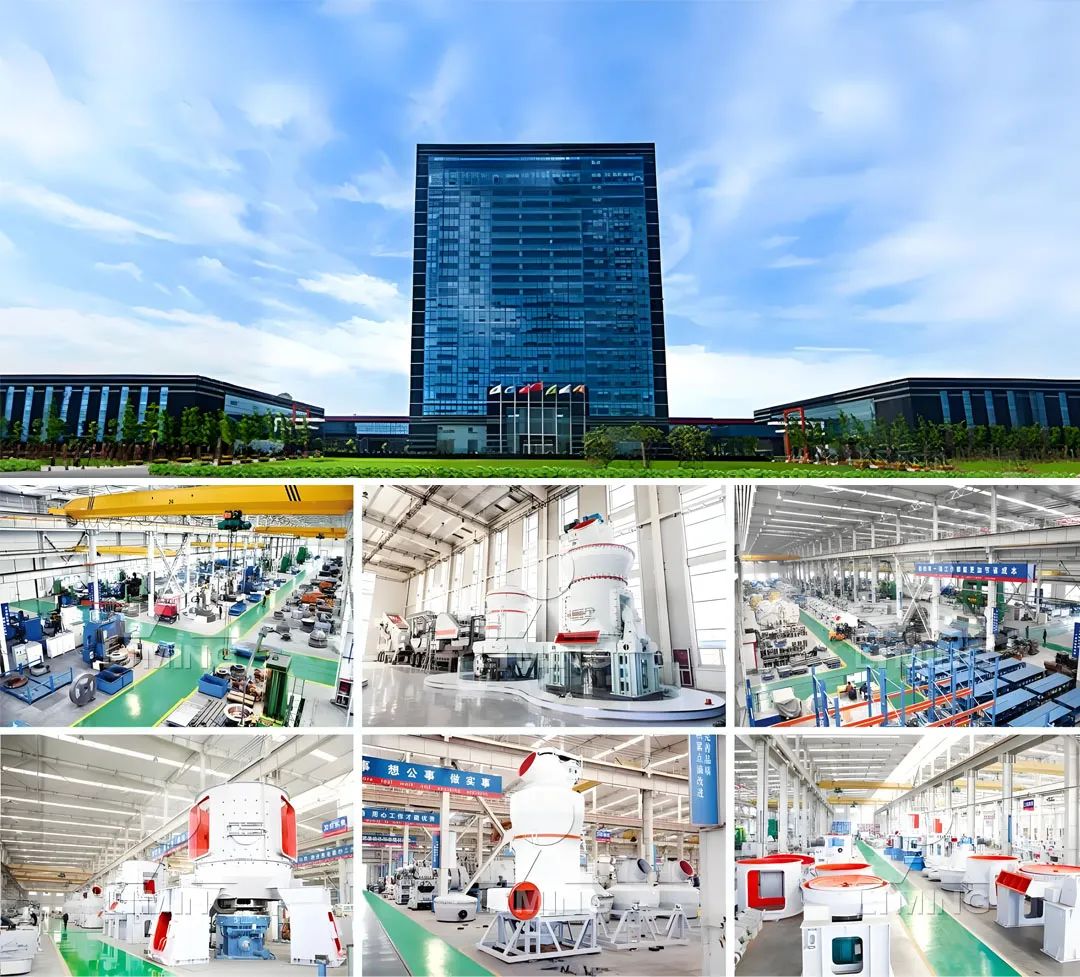
The company specializes in:
Grinding mills for calcium carbonate, limestone, gypsum, dolomite, bentonite, and other minerals
Ultra-fine powder processing systems
Intelligent grinding production lines
Surface modification and coating systems
Drying, calcination, and classification technologies
Turnkey EPC solutions for mineral powder projects
With customers across Asia, Europe, the Middle East, Africa, and Latin America, Liming Heavy Industry is committed to supporting the global transition toward high-value functional mineral materials and sustainable powder processing technologies.
Related Industry News


Liming Heavy Industry to Attend the 140th Canton Fair
2026-09-25

Liming Heavy Industry at bauma CONEXPO INDIA 2026 | Booth 5-C6
2026-09-07
Turnkey Raw Mill Cement Plant in Saudi Arabia: Design and Installation
2026-09-03
Cement Raw Mill Supplier in Indonesia: Cost and Configuration Analysis
2026-09-01
Liming Heavy Industry to Exhibit at the 24th Global Gypsum Conference & Exhibition in Turkey
2026-08-31
Complete Mineral Processing Solutions
Convenient Reliable Professional Efficient Get Your Quote
Please feel free to submit your inquiry information to us. We will contact with you as soon as possible.
Our team will contact you as soon as possible.