


Summary
A phosphogypsum powder production line converts by-product phosphogypsum into controlled industrial powder for cement, building materials, soil amendment, and chemical applications. The key to a reliable line is not only the grinding mill, but also moisture control, impurity removal, feeding stability, particle size classification, dust collection, and safe storage. Phosphogypsum is often wet, mildly acidic, and variable in composition, so equipment selection must consider corrosion resistance, drying capacity, and long-term maintenance. For industrial grinding solutions, properly configured grinding mills from Liming Heavy Industry can help improve production stability, powder quality, energy efficiency, and plant operating reliability.
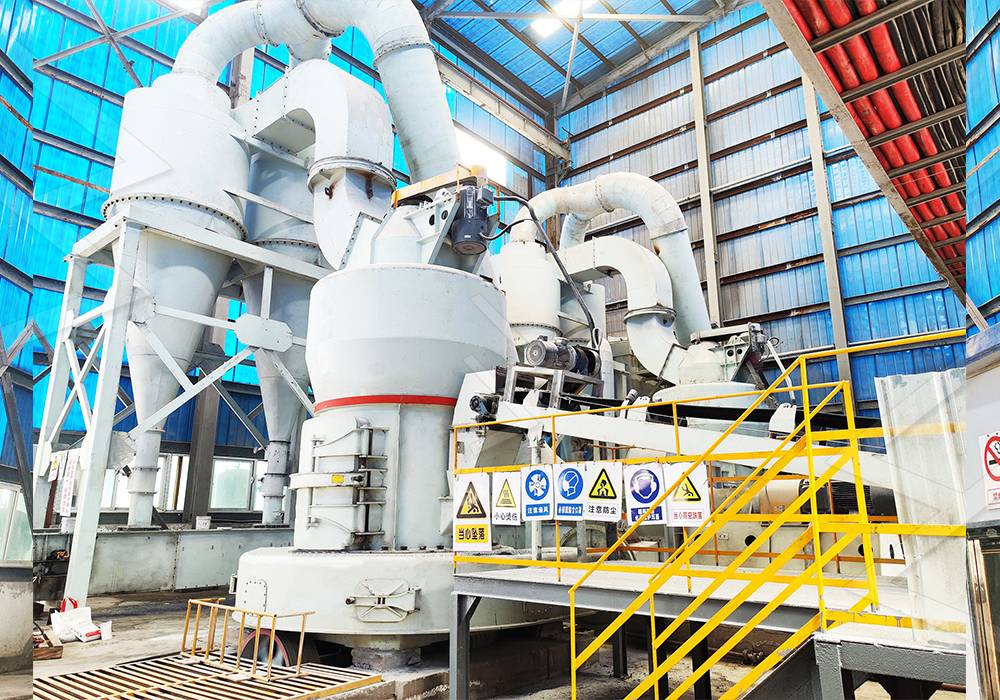
Table of Contents
1. What Is Phosphogypsum and Why Process It into Powder?
Phosphogypsum is a calcium sulfate by-product generated during wet-process phosphoric acid production. In many fertilizer plants, large volumes of phosphogypsum are stacked because the raw material contains moisture, residual acidity, soluble salts, and fine impurities that limit direct use.
A phosphogypsum powder production line is an industrial system designed to dry, grind, classify, collect, and store phosphogypsum powder at a controlled fineness. Properly processed phosphogypsum can be used in cement retarders, gypsum-based building products, mine backfill, roadbed materials, soil conditioning, and selected chemical applications, depending on local standards and impurity levels.
From an engineering viewpoint, grinding is only one part of the solution. The material must first be evaluated for moisture, free acid, soluble phosphorus, fluorine content, particle size distribution, and possible contaminants. A production line designed without raw material testing often suffers from unstable feed, sticky buildup, excessive wear, dust leakage, or poor product consistency.
2. Material Characteristics Affecting Grinding Performance
Phosphogypsum behaves differently from natural gypsum, limestone, calcite, or dolomite. It is usually finer at the source, but it often contains high surface moisture and can form lumps during storage. Its chemical nature also requires attention to corrosion and safe handling.
Key properties to evaluate before plant design
Moisture content: High moisture reduces grinding efficiency, causes material adhesion, and may require drying before or during grinding.
Residual acidity: Acidic components can accelerate corrosion in feeders, ducts, collectors, and storage equipment.
Initial particle size: Although phosphogypsum is often fine, agglomerates and hard lumps may require crushing or disintegration.
Impurities: Soluble salts, phosphorus compounds, fluorides, sand, and organic matter affect end-use quality.
Stickiness: Sticky material can block chutes, classifiers, screw conveyors, and dust collector hoppers.
The practical rule is simple: phosphogypsum must be treated as a wet and chemically active industrial by-product, not as a standard dry mineral. This distinction determines the layout, materials of construction, drying method, grinding mill type, and dust collection design.
3. Typical Phosphogypsum Powder Production Process
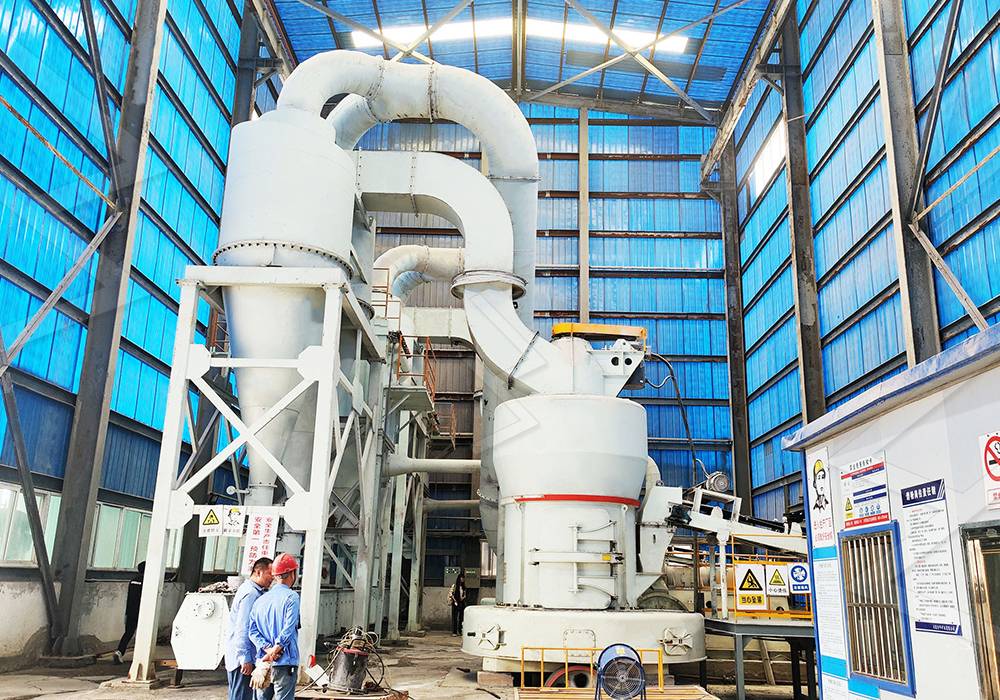
A complete phosphogypsum powder production line normally includes pretreatment, drying, grinding, classification, dust collection, storage, and packaging or bulk loading. The exact arrangement depends on feed moisture, target fineness, plant capacity, and final application.
Raw material receiving: Phosphogypsum is transported from stockpiles or filter discharge areas to a covered storage zone.
Pre-screening and lump breaking: Oversized lumps, stones, plastics, and foreign objects are removed before feeding.
Moisture reduction: Rotary dryers, flash dryers, hot air systems, or integrated drying in the mill may be used.
Metered feeding: A belt feeder, screw feeder, or enclosed weighing feeder stabilizes the flow into the grinding system.
Grinding and classification: The mill reduces agglomerates and controls final powder fineness through an air classifier.
Powder collection: Cyclones and bag filters recover powder and clean the process air.
Storage and dispatch: Finished powder is stored in silos, loaded in bulk trucks, or packed in bags.
For high-moisture phosphogypsum, the drying section often determines the stability of the whole plant. If the material enters the mill too wet, the grinding chamber, classifier blades, ducts, and filter bags can quickly become blocked.
4. Grinding Technology for Phosphogypsum Powder
Industrial grinding of phosphogypsum has two main objectives: to break down agglomerates and to produce a stable powder with the required fineness. Unlike hard minerals, phosphogypsum usually does not require extremely high crushing force. The challenge is drying, deagglomeration, classification, and preventing buildup.
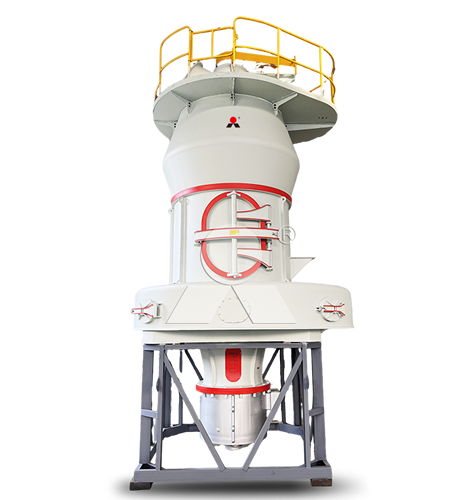
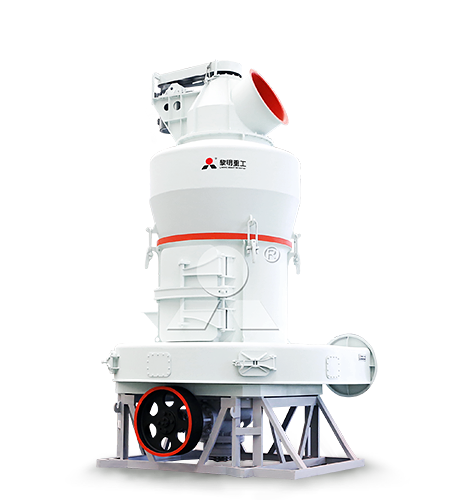
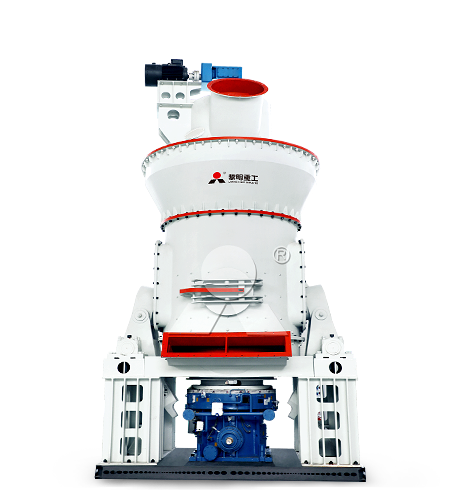
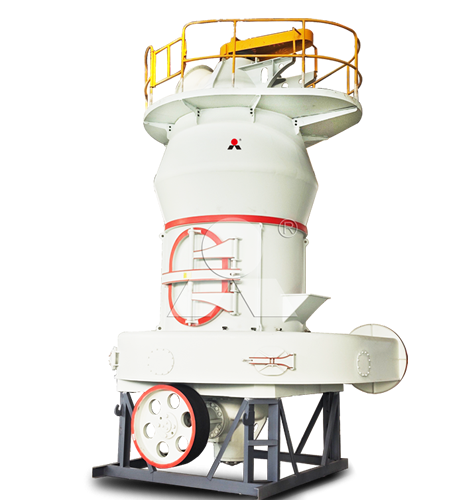
Common grinding technologies include Raymond mills, vertical roller mills, ultrafine mills, and air-swept grinding systems. For medium fineness and moderate capacity, a Raymond-type grinding mill can be an economical solution. For larger industrial plants requiring higher throughput and better energy performance, a vertical roller mill is often more suitable.
Practical grinding considerations
Use stable feeding to avoid sudden load changes in the mill.
Keep hot air temperature controlled to prevent condensation in ducts and filters.
Select classifier speed according to final product application.
Avoid over-grinding when moderate fineness is sufficient.
Design discharge hoppers with anti-bridging measures for sticky powder.
5. Equipment Selection and Liming Heavy Industry Solutions
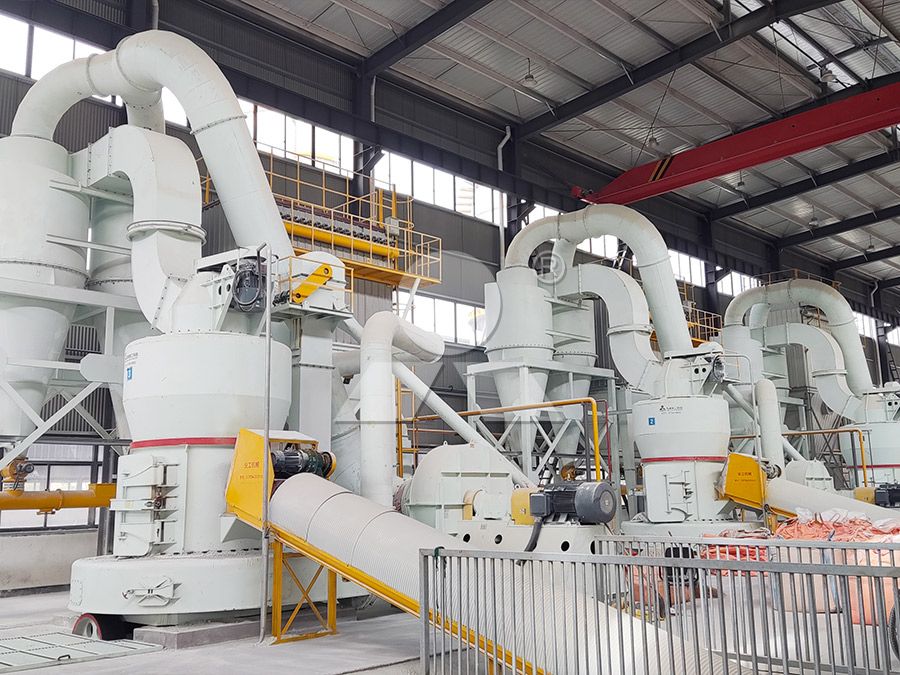
Selecting equipment for a phosphogypsum powder production line requires a system approach. The grinding mill, dryer, feeder, classifier, fan, dust collector, and conveying system must match each other. A high-capacity mill will not perform well if the feeding system is unstable or the dust collector is undersized.
| Equipment Section | Main Function | Selection Focus |
|---|---|---|
| Feeding system | Delivers phosphogypsum evenly to the dryer or mill | Anti-blocking design and variable speed control |
| Drying system | Reduces moisture before fine grinding or during milling | Heat source, residence time, and corrosion resistance |
| Grinding mill | Produces controlled powder fineness | Capacity, classifier accuracy, wear resistance, and airflow |
| Dust collector | Recovers fine powder and cleans exhaust air | Filter area, cleaning system, and acid-resistant components |
| Storage system | Stores finished powder before dispatch | Moisture protection, flow aids, and level monitoring |
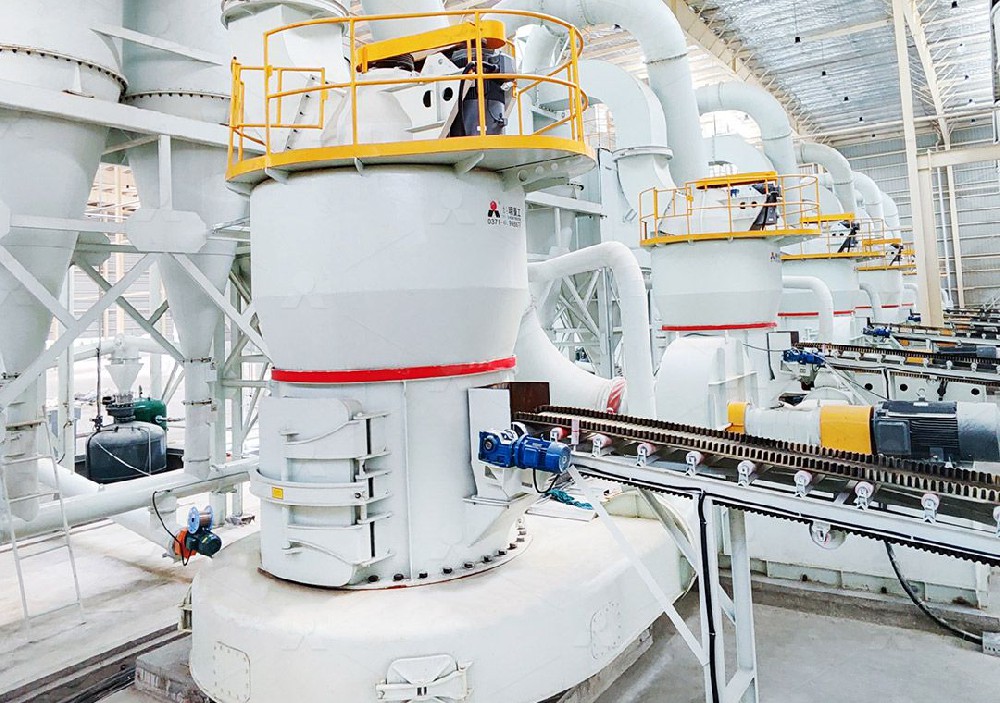
For industrial phosphogypsum grinding, Liming Heavy Industry can be considered as a technical solution provider for Raymond mills, vertical grinding mills, ultrafine grinding mills, and complete powder processing systems. Depending on the project scale, Liming Heavy Industry can help configure feeding, drying, grinding, classification, collection, and control systems into an integrated production line.
For medium-capacity plants, a Raymond grinding mill may offer a balanced investment and simple operation. For larger plants or projects requiring continuous operation, a vertical grinding mill from Liming Heavy Industry can provide better drying capability, higher capacity, and improved energy efficiency.
6. Particle Size Control and Product Quality
Particle size control is essential because different phosphogypsum applications require different powder specifications. Cement retarder applications may require consistent calcium sulfate performance, while building material applications may require better fineness, whiteness, setting behavior, and lower impurity variation.
In an air-swept grinding system, product fineness is mainly controlled by classifier speed, airflow, feed rate, and mill load. If the classifier speed is increased, the powder generally becomes finer. If the feed rate is too high, coarse particles may pass through or the system may become unstable.
Quality control practices
Take representative samples from the finished powder discharge at fixed intervals.
Monitor moisture content before and after grinding.
Track residue, particle size distribution, and bulk density.
Check pH or residual acidity when required by the end user.
Record mill current, classifier speed, fan pressure, and production rate for trend analysis.
A stable phosphogypsum powder production line should deliver repeatable fineness and moisture, not just high short-term output. Consistency is what allows downstream users to maintain stable formulas and predictable product performance.
7. Energy Efficiency, Drying, and Dust Management
Energy efficiency in phosphogypsum grinding depends heavily on moisture management. Grinding wet material consumes more energy, increases internal circulation, and causes buildup. A well-designed drying and grinding system reduces total energy cost per ton by keeping the mill in a stable operating range.
Dust management is equally important. Although phosphogypsum powder is not normally explosive like some organic dusts, it can irritate workers, corrode equipment, and contaminate nearby machinery. Proper dust collection also recovers saleable fine powder and reduces product loss.
Ways to improve operating efficiency
Store raw phosphogypsum under cover to reduce rainwater absorption.
Use a controlled hot air system instead of excessive drying temperature.
Keep the grinding system under stable negative pressure.
Inspect ducting and seals to prevent false air leakage.
Clean or replace filter bags before pressure drop becomes excessive.
8. Maintenance and Operational Safety
Maintenance planning is critical because phosphogypsum may contain acidic and sticky components. Equipment surfaces exposed to wet material should be inspected regularly for corrosion, buildup, and abrasion. Feeders, chutes, classifier housings, ducts, and bag filter hoppers are common problem areas.
Recommended maintenance focus points
Feeders and chutes: Check for bridging, buildup, corrosion, and uneven feeding.
Grinding rollers and rings: Inspect wear condition and replace parts before output drops sharply.
Classifier: Clean blade surfaces and verify rotation speed for stable fineness.
Fan and ducts: Monitor vibration, air leakage, dust accumulation, and corrosion.
Bag filter: Maintain pulse cleaning, inspect filter bags, and prevent moisture condensation.
Operators should wear dust masks, goggles, gloves, and protective clothing when handling phosphogypsum powder. Lockout procedures must be followed before entering the mill, collector, or silo. Where residual acidity is present, material contact surfaces and maintenance tools should be selected accordingly.
9. Frequently Asked Questions
1. What is a phosphogypsum powder production line?
A phosphogypsum powder production line is a system that dries, grinds, classifies, collects, and stores phosphogypsum powder. It is used to convert wet industrial by-product gypsum into a controlled powder suitable for selected industrial applications.
2. Can phosphogypsum be ground directly without drying?
It depends on the moisture content. Slightly moist material may be handled by some air-swept mills, but high-moisture phosphogypsum usually requires drying to prevent sticking, blockage, and unstable powder quality.
3. Which grinding mill is suitable for phosphogypsum?
Raymond mills, vertical grinding mills, and ultrafine mills can all be used depending on capacity and fineness requirements. Liming Heavy Industry can provide different grinding mill solutions based on raw material testing and production targets.
4. Why is phosphogypsum difficult to process?
Phosphogypsum is often wet, sticky, mildly acidic, and variable in impurity content. These characteristics make drying, feeding, dust collection, corrosion control, and stable classification especially important.
5. What fineness is required for phosphogypsum powder?
The required fineness depends on the final application, such as cement, building materials, soil amendment, or chemical processing. The target should be confirmed before equipment selection because finer powder increases energy consumption.
6. Is dust collection necessary in a phosphogypsum grinding plant?
Yes. Dust collection is required to recover fine powder, protect workers, reduce emissions, and prevent powder accumulation around electrical and mechanical equipment.
_1761355701094.jpg)
7. How can energy consumption be reduced?
Energy consumption can be reduced by controlling feed moisture, maintaining stable feeding, avoiding unnecessary over-grinding, sealing air ducts, and keeping the classifier and dust collector in good condition.
8. Does phosphogypsum corrode equipment?
It can cause corrosion if residual acidity and moisture are high. Equipment design should consider corrosion-resistant materials, protective coatings, and regular inspection of wet-contact areas.
9. Can Liming Heavy Industry provide a complete phosphogypsum grinding solution?
Liming Heavy Industry can be considered for complete grinding solutions including feeding, drying, milling, classification, powder collection, and control systems. The final configuration should be based on feed moisture, target fineness, capacity, and site conditions.
10. What information should be provided before requesting a quotation?
Provide feed moisture, raw material source, initial particle size, target fineness, required capacity, operating hours, available heat source, site layout, and final product application. These details allow proper equipment selection and process design.
10. Conclusion
A successful phosphogypsum powder production line depends on coordinated control of drying, grinding, classification, dust collection, storage, and maintenance. Because phosphogypsum is wet, sticky, and chemically variable, equipment must be selected according to real material data rather than general grinding assumptions. With proper process design and suitable grinding mills from Liming Heavy Industry, phosphogypsum can be transformed from a difficult by-product into a stable industrial powder with practical value in cement, building materials, and other applications.
Related Industry News


Liming Heavy Industry to Attend the 140th Canton Fair
2026-09-25

Liming Heavy Industry at bauma CONEXPO INDIA 2026 | Booth 5-C6
2026-09-07
Turnkey Raw Mill Cement Plant in Saudi Arabia: Design and Installation
2026-09-03
Cement Raw Mill Supplier in Indonesia: Cost and Configuration Analysis
2026-09-01
Liming Heavy Industry to Exhibit at the 24th Global Gypsum Conference & Exhibition in Turkey
2026-08-31
Complete Mineral Processing Solutions
Convenient Reliable Professional Efficient Get Your Quote
Please feel free to submit your inquiry information to us. We will contact with you as soon as possible.
Our team will contact you as soon as possible.