


Abstract: Calcite (Calcium Carbonate) is the backbone of the modern paper industry, serving as both a vital filler and a coating pigment to enhance brightness and printability. For investors in the Philippines, South Africa, or Southeast Asia, selecting the right grinding technology is the most critical factor in determining long-term ROI. This article breaks down the economic and technical benefits of investing in traditional R-Series Raymond Mills versus the advanced MTW European Type Trapezium Mills. We analyze how these machines meet the stringent fineness requirements of paper mills while keeping operational overheads low through superior energy efficiency and wear-resistance.
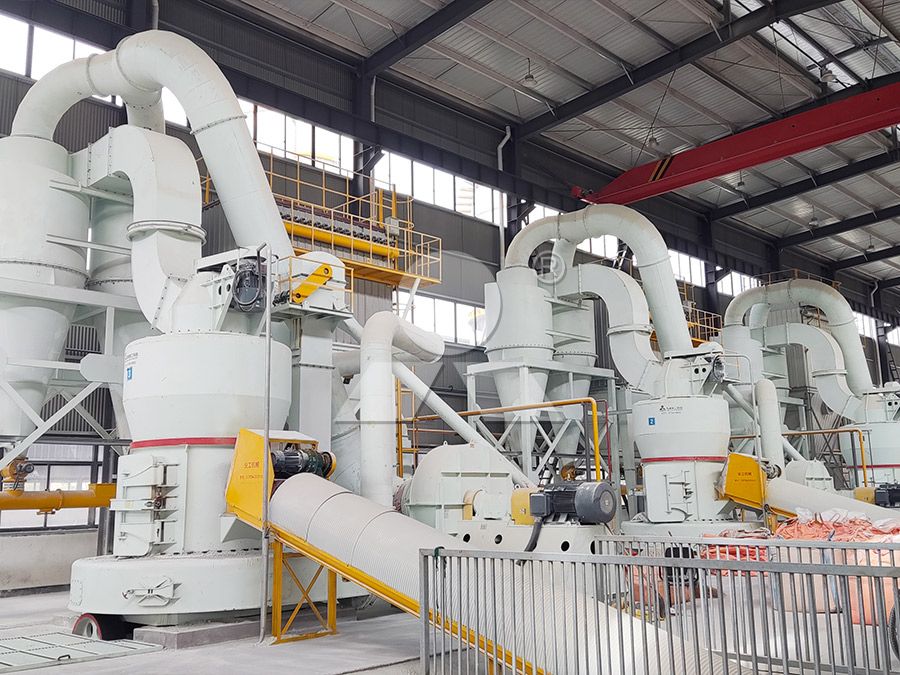
Table of Contents
3. The MTW Series: High-Efficiency Evolution for Premium Grinding
4. Critical Investment Factors: Fineness, Power, and Maintenance
1. Calcite: The Strategic Mineral in Paper Manufacturing
In the competitive world of paper production, cost reduction is the name of the game. Calcite (CaCO3) has effectively replaced expensive wood pulp and synthetic pigments in many applications. When ground to the correct specifications—typically between 325 mesh and 1250 mesh—calcite provides the opacity, smoothness, and ink absorption that high-quality office paper and packaging board require.
For an investor, the goal isn't just to produce powder; it's to produce "specification-grade" powder consistently. If your particle size distribution is irregular, the paper mill will reject the batch. This is why the heart of your investment lies in the grinding mill. You need a system that offers precision control over the internal classifier to ensure that the "top cut" of your powder meets the client's laboratory standards every single time.
2. The Traditional R-Series: A Reliable Entry Point
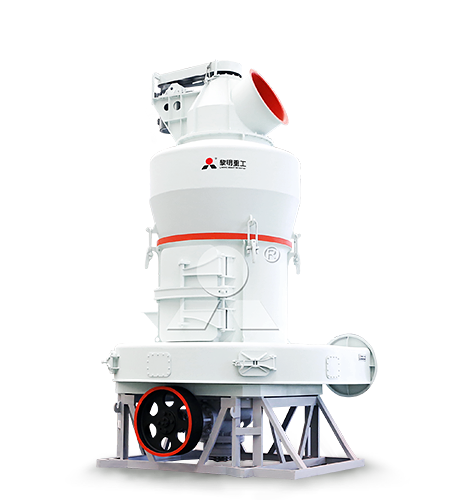
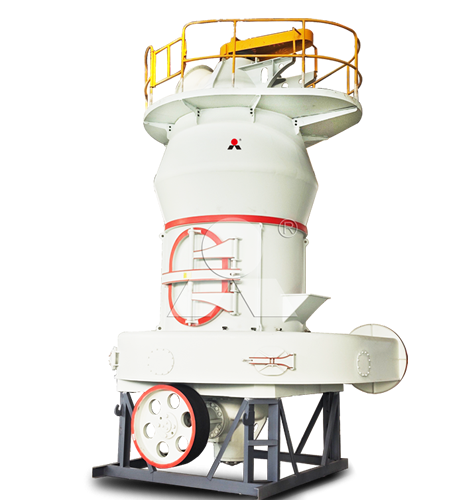
The R-Series Raymond Mill is the legendary "workhorse" of the non-metallic mineral industry. For decades, it has been the go-to solution for processing calcite due to its simple mechanical structure and ease of operation. If you are a startup or an investor looking to test the waters with a lower initial capital expenditure (CAPEX), the R-Series is an excellent starting point.
Liming's R-Series mills have been refined over generations. They feature a vertical structure that occupies a small footprint compared to ball mills. While it is a "traditional" design, its ability to produce 80-325 mesh calcite powder at a stable rate makes it ideal for producing standard paper fillers. It is a rugged machine that local mechanics can easily maintain, which is a significant advantage in remote mining regions.
3. The MTW Series: High-Efficiency Evolution for Premium Grinding
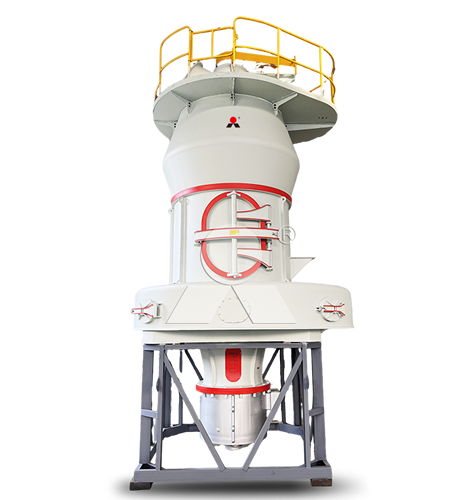
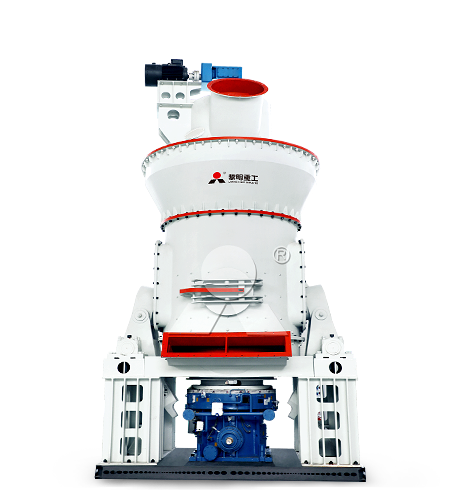
If you are aiming for the "Premium" segment of the paper market—such as coated art paper or high-brightness bond paper—the MTW European Type Trapezium Mill is the superior choice. This machine represents the pinnacle of Raymond mill evolution. It was designed specifically to address the limitations of traditional mills: energy waste and lower capacity.
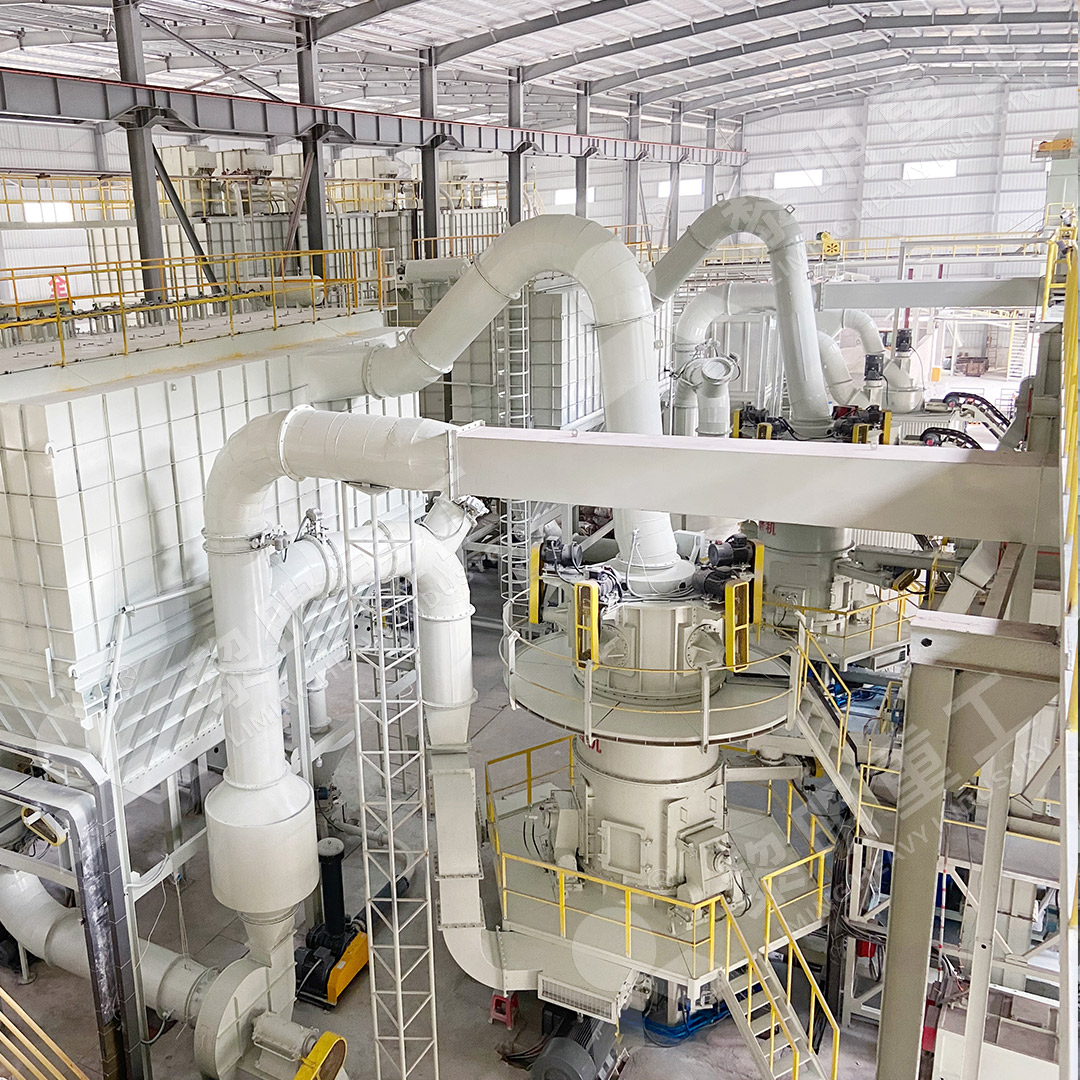
The MTW mill utilizes a unique trapezium-shaped grinding roller and ring, which increases the crushing area and improves grinding efficiency. Furthermore, it replaces the old-fashioned belt drive with an integral bevel gear transmission, providing a much higher torque and smoother power delivery. When processing calcite, the MTW can reach the same fineness as a traditional mill but with significantly higher throughput and lower electricity consumption per ton. From an investment perspective, the slightly higher initial cost of the MTW is usually recouped within 12 to 18 months through energy savings alone.
4. Critical Investment Factors: Fineness, Power, and Maintenance
When I sit down with investors to look at a pro-forma invoice, we focus on three "Profit Levers":
Energy Efficiency: In regions where industrial electricity is expensive, the aerodynamic design of the MTW's curved air duct reduces pressure loss, meaning you aren't paying for "wasted air."
Product Purity: For paper manufacturing, the whiteness of the calcite is paramount. Liming mills are designed with high-quality, high-chromium wear-resistant materials to minimize iron contamination that can "grey" the powder.
Internal Classification: Our classifiers are fully adjustable, allowing you to fine-tune the "passing rate" of the powder. This gives you the flexibility to produce different grades for different paper customers from the same machine.
5. Why Liming Heavy Industry is the Investor's Choice
Partnering with Liming Heavy Industry isn't just about purchasing hardware; it's about securing an engineering solution. We provide the complete "Quarry-to-Paper" workflow. This includes the initial primary crusher, the feed conveyor, the elevator, the storage silo, the mill, and the bagging station.
Our expertise in the Philippine, African, and Southeast Asian markets means we understand the logistical and electrical challenges you face. We offer on-site commissioning and comprehensive operator training, which is critical for maintaining your machine's health. In the world of industrial investment, downtime is your greatest enemy. By choosing Liming's R-Series or MTW Series mills, you are investing in a proven platform with a global reputation for uptime and efficiency.
6. Frequently Asked Questions (FAQ)
1. What is the typical fineness of calcite required for paper production?
Standard filler grades are typically 325-400 mesh. Coating grades often require 800-1250 mesh, which can be achieved through fine-tuning the MTW mill's classifier.
2. Why should I choose the MTW Series over a traditional ball mill?
The MTW mill is far more compact, consumes significantly less electricity for the same output, and integrates the classifier into the machine, saving you the cost of a separate classification system.
3. How long do the grinding rollers and rings typically last when grinding calcite?
Calcite is relatively soft (Mohs 3). Depending on the purity and abrasive silica content, rollers and rings on Liming mills can last anywhere from 8,000 to 12,000 working hours.
4. Is the R-Series Raymond mill still relevant for new investments?
Yes. If your budget is tight and your production targets are modest, the R-Series is an exceptionally cost-effective and reliable entry-level machine.
5. Can the MTW mill be upgraded later to produce finer powder?
Yes, by adjusting the rotor speed and air flow through the control panel, you can shift from 200 mesh to 600 mesh within minutes to meet different customer orders.
6. What kind of power supply is required for a mid-sized MTW138 mill?
Most of our industrial mills require a 380V/50Hz or 440V/60Hz three-phase power supply, which is standard in most industrial zones.
7. How does the MTW Series control dust pollution in the plant?
The MTW uses a negative-pressure, closed-circuit system with a high-efficiency pulse dust collector, ensuring that 99.9% of the powder stays inside the system and out of the atmosphere.
8. Does Liming provide the foundation drawings for the installation?
Absolutely. We provide comprehensive mechanical and civil engineering drawings to ensure your foundation is prepared correctly before the equipment arrives on site.
9. What is the production capacity range of these mills?
Depending on the model and required fineness, the R-Series and MTW Series can produce anywhere from 1 ton per hour to over 30 tons per hour.
10. Can these machines grind other paper minerals like talc or gypsum?
Yes, both the R-Series and MTW mills are highly versatile and can be used for over 280 different types of non-metallic minerals.
11. Why is the bevel gear transmission on the MTW better than the belt drive?
The bevel gear provides higher efficiency (up to 96%) and requires less maintenance than belts, which can slip or break under heavy industrial loads.
12. What is the lead time for shipping to the Philippines or South Africa?
Generally, once an order is placed, manufacturing and shipping take between 45 and 60 days, depending on current inventory and shipping schedules.
Related Industry News


Liming Heavy Industry to Attend the 140th Canton Fair
2026-09-25

Liming Heavy Industry at bauma CONEXPO INDIA 2026 | Booth 5-C6
2026-09-07
Turnkey Raw Mill Cement Plant in Saudi Arabia: Design and Installation
2026-09-03
Cement Raw Mill Supplier in Indonesia: Cost and Configuration Analysis
2026-09-01
Liming Heavy Industry to Exhibit at the 24th Global Gypsum Conference & Exhibition in Turkey
2026-08-31
Complete Mineral Processing Solutions
Convenient Reliable Professional Efficient Get Your Quote
Please feel free to submit your inquiry information to us. We will contact with you as soon as possible.
Our team will contact you as soon as possible.