


For decades, the global calcium carbonate industry has been trapped in a traditional perception: calcium carbonate was merely regarded as a low-cost filler. Whether in plastics, rubber, paper, or conventional coatings, its primary role was often limited to reducing production costs rather than creating functional value.
However, with the rapid advancement of nanotechnology, surface modification science, and sustainable material engineering, calcium carbonate is undergoing a major transformation. It is gradually moving beyond the label of "cheap filler" and entering high-value sectors such as superhydrophobic coatings, self-cleaning surfaces, anti-corrosion systems, functional textiles, and durable construction materials.
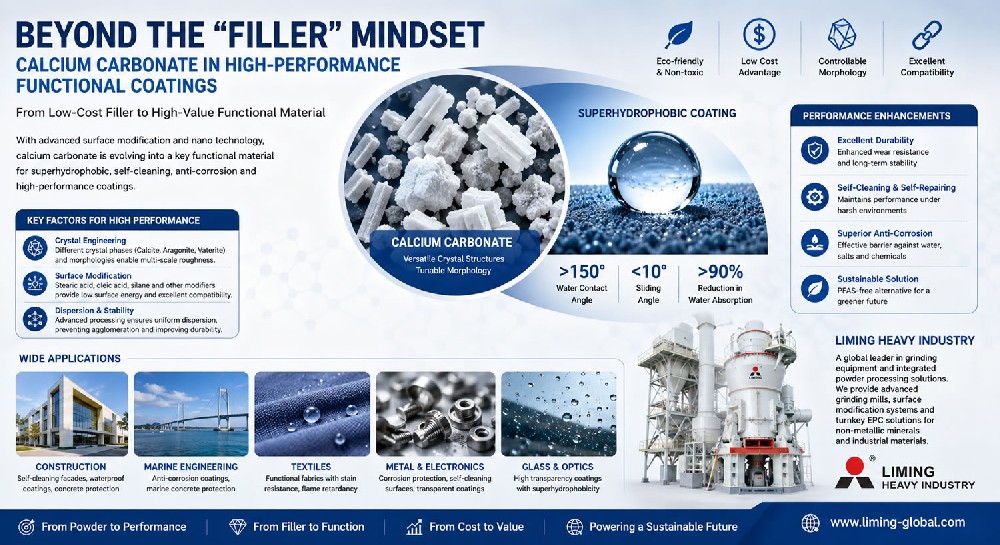
From Europe's advanced architectural protection market to East Asia's functional materials sector, and from marine engineering projects in the Middle East to environmentally friendly coating applications in North America, global demand for low-cost, environmentally friendly, and scalable functional mineral materials is rising rapidly. Calcium carbonate, with its controllable crystal structures, tunable morphology, excellent dispersibility, and mature supply chain, is becoming one of the key beneficiaries of this transformation.
1. The Upgrading of the Global Functional Coatings Industry Is Redefining the Value of Calcium Carbonate
The development direction of the global functional coatings industry has become increasingly clear:
Lower VOC emissions
Higher weather resistance
Enhanced self-cleaning performance
Improved corrosion resistance
Environmentally sustainable material systems
Lower total manufacturing costs
Traditional superhydrophobic systems have long relied on fluorinated compounds. Although these materials deliver excellent performance, they also face growing environmental and regulatory pressures. Under tightening global PFAS restrictions and environmental regulations such as the EU REACH framework, the market is actively seeking safer and more sustainable alternatives.
This is where calcium carbonate demonstrates significant advantages:
Abundant natural mineral resources
Well-established global supply chains
Non-toxic and environmentally friendly
Much lower cost than many nano-functional materials
Customizable performance through crystal engineering and surface modification
As a result, calcium carbonate is no longer simply a cost-reduction additive. It is increasingly becoming a critical functional substrate for constructing micro/nano structures, regulating surface energy, and improving coating durability.
2. The Micro/Nano Structure Revolution: Why Calcium Carbonate Is Ideal for Superhydrophobic Coatings
From a material science perspective, superhydrophobic surfaces rely on two key principles:
The creation of micro/nano-scale rough structures
The introduction of low surface energy interfaces
Historically, silica-based materials and fluorinated chemicals were widely used to create these structures. However, such systems often suffer from high costs, complex processing, and environmental concerns.
Calcium carbonate offers a unique advantage due to its highly tunable morphology and crystal structure:
Calcite provides stable and dense structural frameworks
Aragonite forms needle-like and fibrous morphologies suitable for hierarchical roughness
Vaterite exhibits unique nano-particle characteristics
Calcium carbonate whiskers can act as reinforcement skeletons
Through nanoscale control, crystal engineering, and surface modification, calcium carbonate can form stable dual-scale micro/nano structures, which are essential for achieving superhydrophobicity.
Recent international studies have demonstrated that calcium carbonate modified with stearic acid, oleic acid, silane coupling agents, and similar modifiers can achieve water contact angles above 150° in PDMS, silicone, and acrylic coating systems, while maintaining low production costs and excellent scalability.
_1761355701097.jpg)
For the grinding and mineral processing industry, this means future competition will no longer focus solely on producing finer powders. Instead, success will depend on:
Precise particle size distribution control
Stable crystal phase management
Uniform surface coating technologies
Advanced anti-agglomeration and dispersion capabilities
3. From Powder Supplier to Functional Solution Provider: The Global Supply Chain Is Changing
In advanced markets such as Europe, Japan, South Korea, and North America, calcium carbonate manufacturers are no longer simply selling powders. They are transforming into providers of integrated functional material solutions.
Traditionally, customers purchased products such as:
325 mesh calcium carbonate
1250 mesh ground calcium carbonate
Precipitated calcium carbonate powders
In the future, customers are increasingly looking for:
Pre-modified superhydrophobic calcium carbonate
Highly dispersed nano-calcium carbonate slurries
Whisker-reinforced anti-corrosion systems
Functional textile additive packages
Protective mineral systems for marine concrete
This shift reflects a fundamental change in industry profit models:
Traditional mineral powder businesses compete on production capacity. Functional material businesses compete on technological barriers and application expertise.
4. Durability, Self-Repair, and Long-Term Stability: The Real Challenges of High-End Applications
One of the biggest global challenges facing superhydrophobic coatings is durability. Many laboratory coatings can achieve contact angles above 150°, but quickly lose performance after abrasion, weathering, or mechanical damage.
The introduction of calcium carbonate whisker systems is helping solve this issue.
By combining whiskers with nano-calcium carbonate particles, coatings can simultaneously build rough surface structures and reinforce the coating matrix like steel fibers in concrete. This provides:
Improved mechanical strength
Enhanced wear resistance
Reduced cracking risk
Better cyclic stability
Improved erosion resistance
These advantages make calcium carbonate-based systems particularly attractive for marine engineering, bridges, cement-based infrastructure, and heavy-duty anti-corrosion applications.
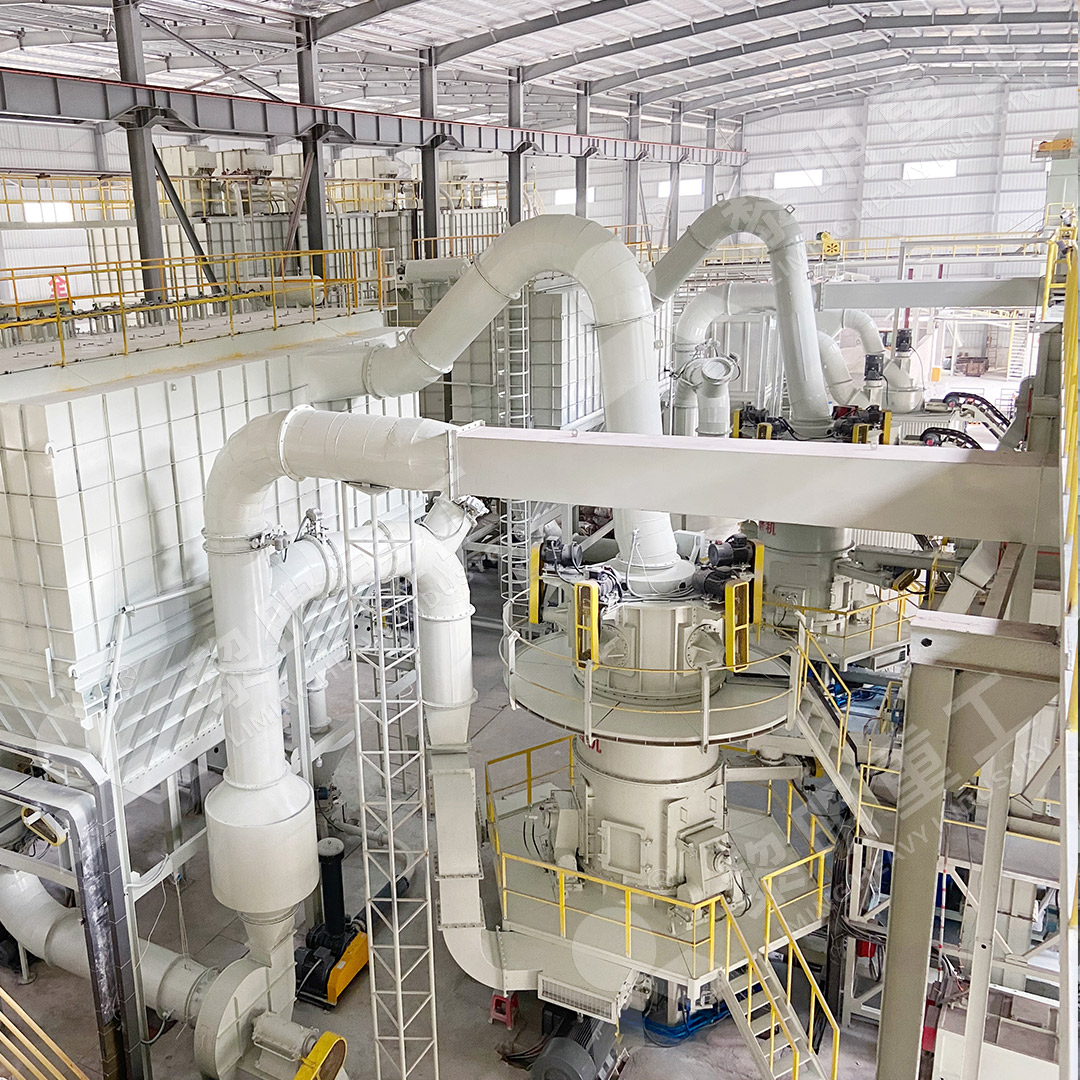
Future high-value calcium carbonate products will likely evolve from simple powders into integrated systems featuring pre-modification, composite engineering, and application-specific functionalization.
5. Rapid Expansion of Global Application Scenarios
1. Construction and Infrastructure
The global construction industry is accelerating toward greener, more durable, and self-cleaning building materials.
Calcium carbonate-based superhydrophobic coatings show strong potential in:
Marine concrete protection
Bridge anti-corrosion systems
Historic building preservation
Waterproof exterior walls
Low-maintenance architectural surfaces
Compared with traditional fluorinated systems, calcium carbonate-based technologies offer significantly lower costs and greater scalability for large infrastructure projects.
2. Functional Textiles and Flexible Materials
In the global textile industry, calcium carbonate is no longer limited to whitening and thickness enhancement. It is increasingly used for:
Flame retardancy
Ink absorption control
Surface stain resistance
Anti-static properties
Environmentally friendly material systems
Demand for low-cost functional mineral materials is growing rapidly, especially in textile manufacturing hubs across Southeast Asia and South Asia.
3. Metal and Electronic Protection
As electric vehicles, energy storage systems, and precision electronics continue to expand, lightweight metal materials require more advanced anti-corrosion and self-cleaning technologies.
Calcium carbonate composite coatings are showing increasing potential in:
Magnesium alloys
Aluminum alloys
Glass substrates
Transparent protective coatings
Electronic device housings
Calcium carbonate systems offer distinct advantages in balancing transparency, protection performance, and production cost.
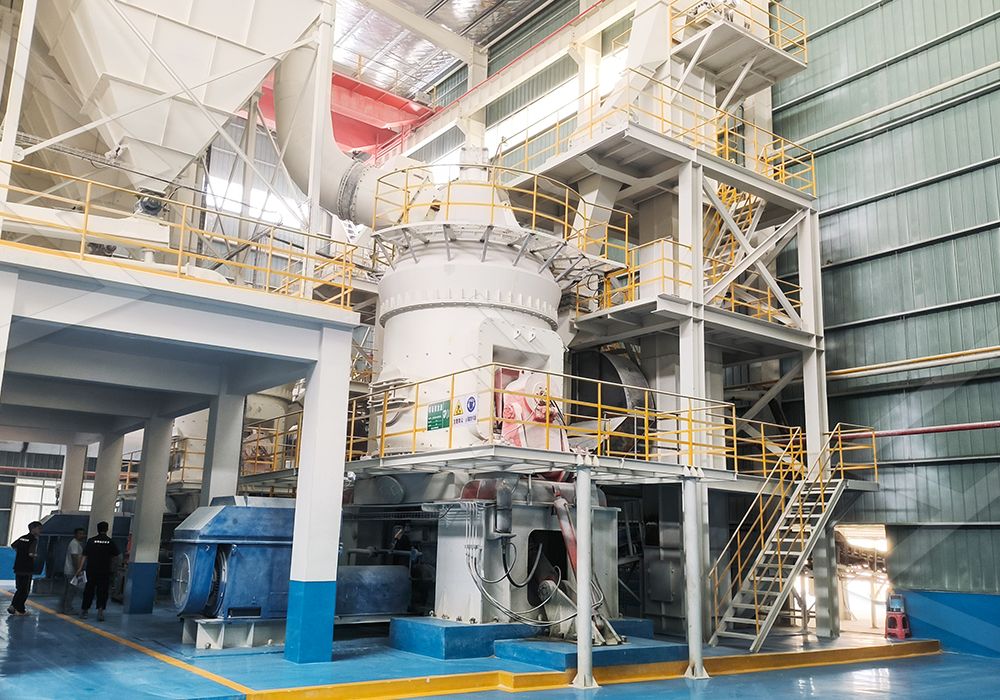
6. The Future of Grinding Industry Competition: Beyond Particle Size
For the global grinding and mineral processing industry, a major shift is already underway:
The future competitive advantage will no longer depend solely on how fine the powder can be ground, but on how effectively materials can be functionalized.
Future high-end calcium carbonate production lines will increasingly require:
Ultra-precise particle size control
Stable nano-scale classification systems
Integrated surface modification technologies
Low-agglomeration drying systems
High-uniformity coating processes
Functional composite engineering capabilities
As global manufacturing moves toward greener and more functional materials, relying purely on low-price competition in commodity powders will become increasingly unsustainable.
Truly competitive international companies will need to combine:
Mineral processing expertise
Advanced grinding technologies
Surface chemistry capabilities
Functional material engineering
Deep understanding of downstream applications
Conclusion: The Future of Calcium Carbonate Goes Far Beyond "Filling"
From a global industry perspective, calcium carbonate is undergoing a profound transformation from a bulk mineral commodity into a high-value functional material.
It can serve as:
The structural backbone of self-cleaning buildings
An anti-corrosion barrier for marine engineering
A performance modifier for functional textiles
The micro/nano structural foundation of superhydrophobic surfaces
A sustainable alternative material for environmentally friendly coatings
For the grinding and mineral processing industry, this is not merely a product upgrade — it is a transformation in industrial thinking.
Companies that move beyond the traditional "filler mindset" and embrace a "functional materials mindset" will be best positioned to capture future opportunities in the global high-performance materials market.
About Liming Heavy Industry
Liming Heavy Industry is a global provider of grinding equipment and integrated powder processing solutions for non-metallic minerals, industrial solid waste recycling, building materials, and advanced material industries.
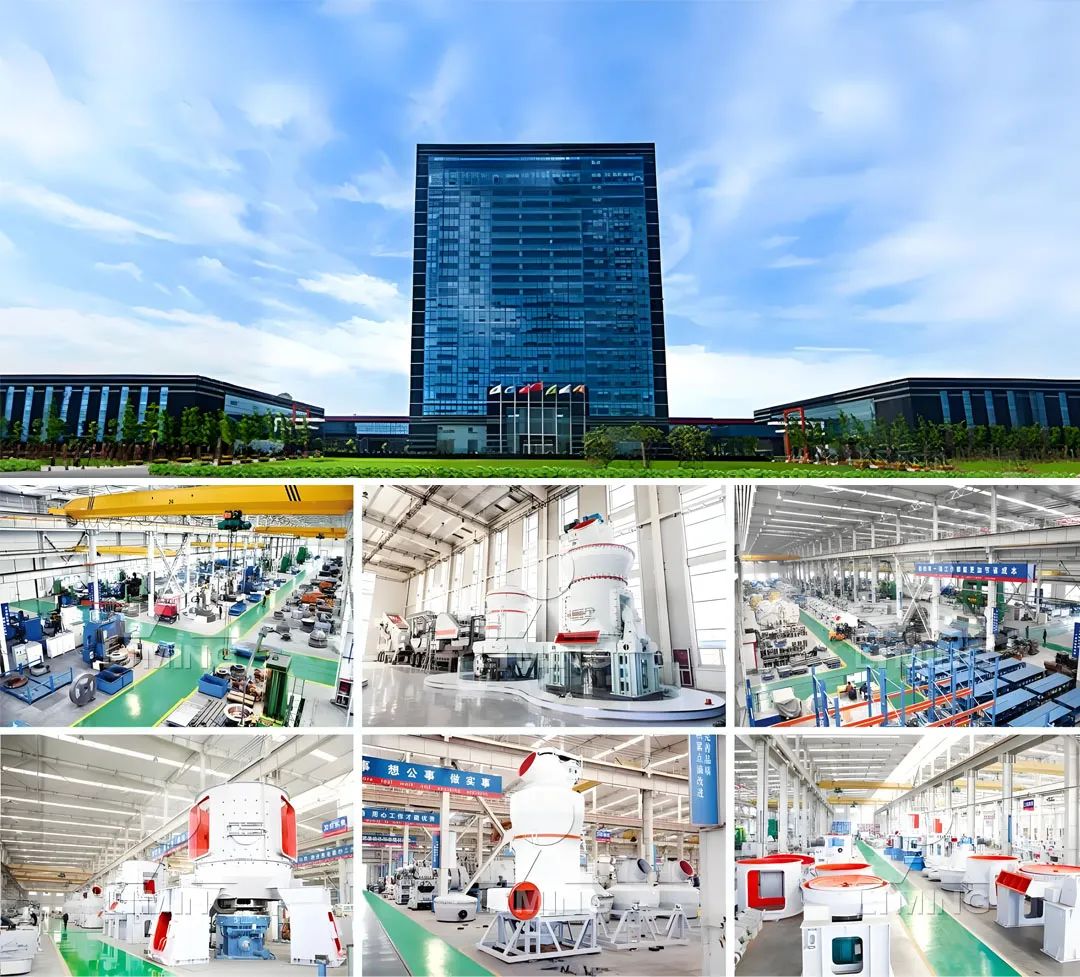
The company specializes in the research, development, manufacturing, and global supply of:
Grinding mills for calcium carbonate, limestone, gypsum, dolomite, and other minerals
Ultra-fine powder processing systems
Intelligent grinding production lines
Surface modification and coating systems
Industrial drying and calcination solutions
Turnkey EPC solutions for mineral powder projects
With extensive experience serving customers across Asia, Europe, the Middle East, Africa, and Latin America, Liming Heavy Industry continues to support the global transition toward high-value functional mineral materials and advanced powder processing technologies.
Official Website: www.liming-global.com
Related Industry News


Liming Heavy Industry to Attend the 140th Canton Fair
2026-09-25

Liming Heavy Industry at bauma CONEXPO INDIA 2026 | Booth 5-C6
2026-09-07
Turnkey Raw Mill Cement Plant in Saudi Arabia: Design and Installation
2026-09-03
Cement Raw Mill Supplier in Indonesia: Cost and Configuration Analysis
2026-09-01
Liming Heavy Industry to Exhibit at the 24th Global Gypsum Conference & Exhibition in Turkey
2026-08-31
Complete Mineral Processing Solutions
Convenient Reliable Professional Efficient Get Your Quote
Please feel free to submit your inquiry information to us. We will contact with you as soon as possible.
Our team will contact you as soon as possible.