


Summary:
Raw mill capacity in Saudi Arabia depends on clinker output and local limestone properties. The LM Vertical Roller Mill provides high-capacity compression grinding, making it optimal for large-scale operations over 200 t/h.
Details:
Material Behavior and Grinding Mechanisms in Arid Climates
In Saudi Arabia, cement plants process limestone that is highly brittle and exceptionally dry due to the arid desert environment. While managing high moisture is rarely a concern, the frequent presence of desert sand and silica inclusions can significantly increase the abrasiveness of the raw mix. Understanding the interaction between these local materials and specific grinding mechanisms is essential for determining the correct mill capacity and type:
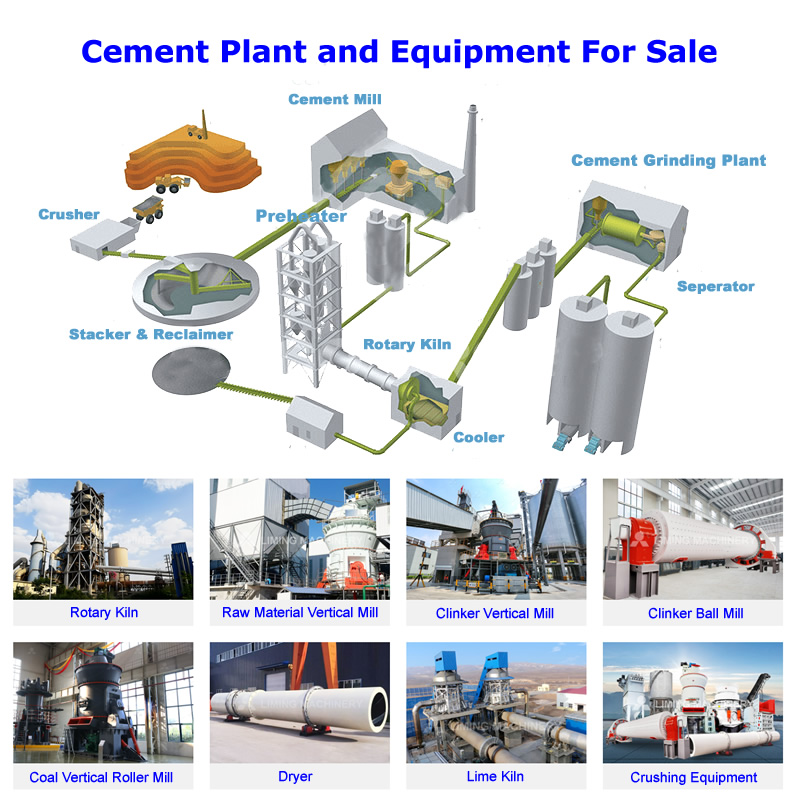
Bed Compression: Utilized by vertical roller mills, this mechanism applies intense pressure to a material bed. It is highly efficient for brittle Saudi limestone, offering maximum throughput and lower power consumption for high-capacity requirements.
Impact and Attrition: Used in advanced Raymond mills and trapezium mills, centrifugal force drives rollers against a grinding ring. This action is suitable for medium-hard materials and specialized additives that require precise particle sizing.
Impact and Tumbling: The standard mechanism for ball mills. The cascading action of heavy steel media is mandatory when processing highly abrasive, high-silica raw materials that would cause rapid and excessive wear on roller-based mechanisms.
Liming Heavy Industry Equipment Selection Matrix
Mill capacity must strictly align with the rotary kiln's daily clinker production. For example, a standard 5,000 t/d clinker line requires a continuous raw milling capacity of approximately 380 to 420 t/h. The following table compares suitable Liming Heavy Industry models based on capacity requirements and material scenarios:
| Equipment Model | Grinding Mechanism | Best Application Scenario | Production Advantage |
|---|---|---|---|
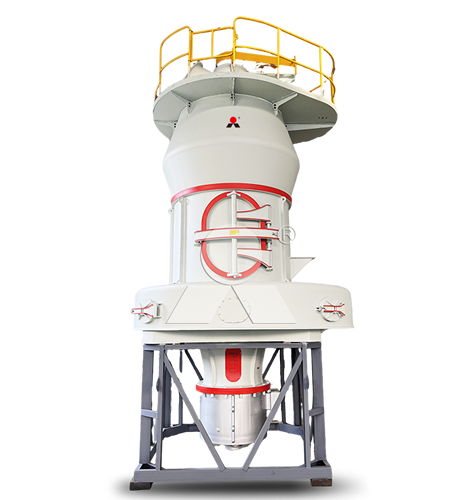
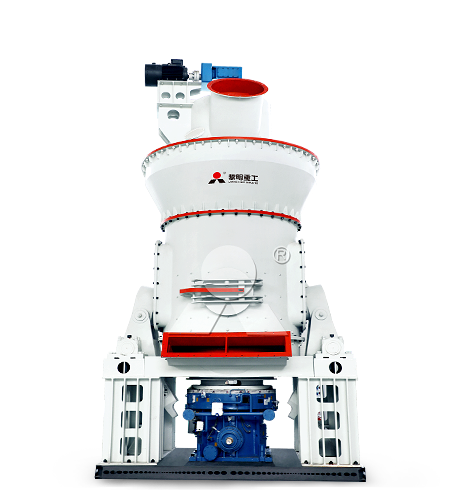
| LM220K Vertical Roller Mill | Bed compression | Large-scale cement raw meal (100-300 t/h) | High energy efficiency for high-capacity dry grinding |
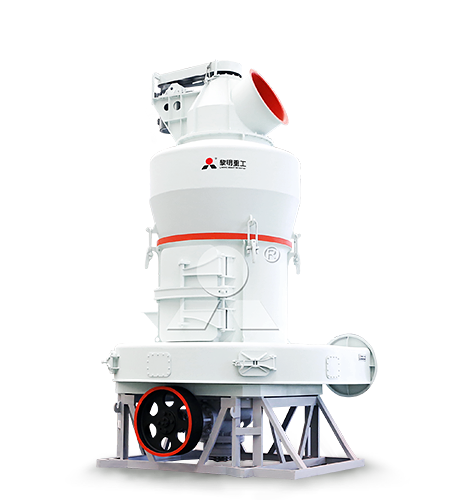
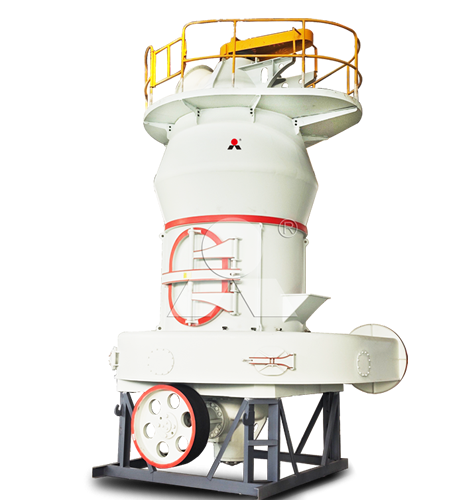
| MTW175 European Trapezium Mill | Roller pressure and impact | Medium-scale production or additive grinding | Precise fineness control; integrates well with 5R Raymond mills |
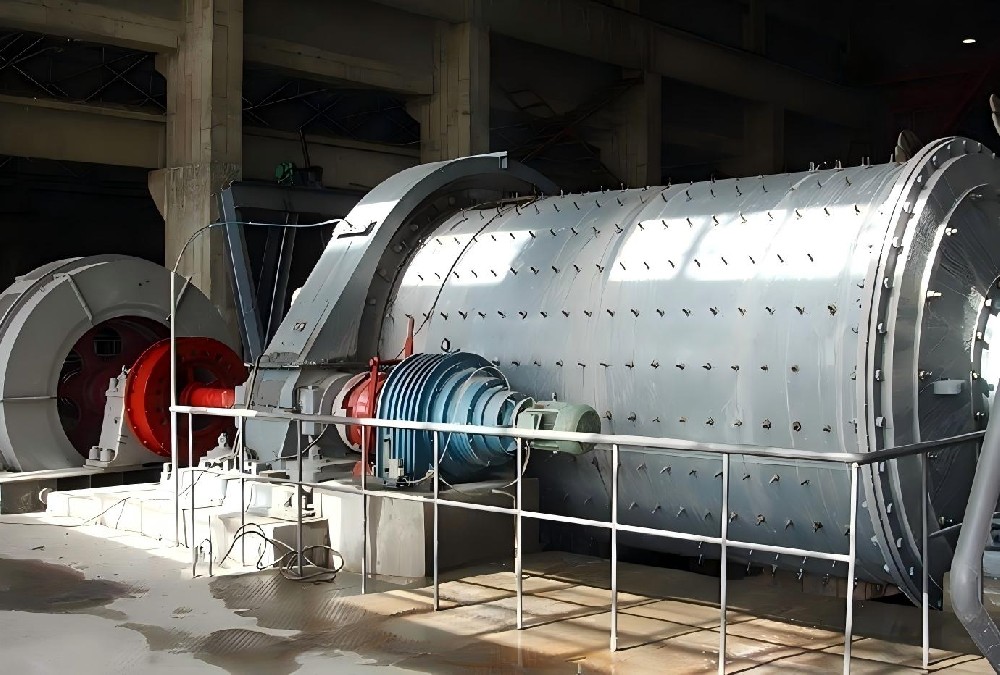
| Φ3.2×13m Energy-saving Ball Mill | Steel ball impact | Highly abrasive raw materials | Maximum durability for processing high-silica content ores |
Production Efficiency and Capacity Matching
Selecting the right capacity ensures production bottlenecks are avoided while minimizing operational expenditure. The LM Series Vertical Roller Mill is typically specified for primary raw meal production in Saudi Arabia because a single large-capacity unit can fulfill the demands of modern kilns while reducing specific power consumption by 30-40% compared to traditional circuits. However, when the quarry yields limestone heavily contaminated with abrasive silica, the Energy-saving Ball Mill becomes the required choice to maintain long-term production stability and reduce maintenance costs on wear parts. For plants running specialized medium-capacity lines, blending specific local additives, or processing pozzolans, the MTW Series European Trapezium Mill and our 5R Raymond mills deliver the precise fineness needed to ensure high clinker reactivity at a lower initial capital expenditure.
Frequently Asked Questions
What capacity cement raw mill is required for a 5,000 t/d clinker line?
A 5,000 tons per day clinker line generally requires a raw mill capacity of 380 to 420 tons per hour. The LM Series Vertical Roller Mills are sized specifically to meet this continuous high-volume demand efficiently.
Why use bed compression for Saudi Arabian limestone?
Saudi limestone is typically extremely dry and brittle, making it highly responsive to bed compression. This mechanism transfers energy directly into fracturing the rock rather than moving heavy steel media, resulting in superior energy efficiency.
How does high silica content alter equipment selection?
Silica significantly increases the Bond Abrasion Index (Ai) of the raw mix. For highly abrasive mixes, an Energy-saving Ball Mill is specified because replacing its steel grinding media and liners is much more economical than replacing roller tires on a vertical mill.
Are 5R Raymond mills suitable for modern cement operations?
Yes, 5R Raymond mills and MTW Series European Trapezium Mills are frequently deployed in modern plants for dedicated additive grinding, where specific capacities of 15 to 50 t/h are required for specialized blend components.
What is the energy consumption difference between these mills?
The LM Series Vertical Roller Mill typically consumes 12 to 15 kWh/t for raw meal grinding, whereas an Energy-saving Ball Mill circuit will consume 18 to 22 kWh/t for the same target fineness, making vertical mills the priority for non-abrasive materials.
Related FAQ


Liming Heavy Industry to Exhibit at bauma CHINA 2026 – Visit Us at Booth E6.510
2026-10-15

Meet Liming Heavy Industry at the 140th Canton Fair 2026
2026-10-13
Liming Heavy Industry to Attend the 140th Canton Fair
2026-09-25
Liming Heavy Industry at bauma CONEXPO INDIA 2026 | Booth 5-C6
2026-09-07
Turnkey Raw Mill Cement Plant in Saudi Arabia: Design and Installation
2026-09-03
Complete Mineral Processing Solutions
Convenient Reliable Professional Efficient Get Your Quote
Please feel free to submit your inquiry information to us. We will contact with you as soon as possible.
Our team will contact you as soon as possible.