


Summary:
For cement plants in Pakistan, a reliable raw mill supplier is a direct OEM that matches the mill to limestone, clay, moisture, and output targets and can provide commissioning, spare parts, and process support.
Details:
What Defines a Reliable Raw Mill Supplier in Pakistan?
In Pakistan, a cement raw mill supplier should be evaluated first on process fit, not on catalog size alone. Cement raw meal performance depends on how the mill handles local limestone, clay or shale, silica corrective materials, and seasonal moisture variation. A reliable supplier must be able to review the full raw mix and then recommend the correct grinding mechanism, separator arrangement, drying method, and wear solution.
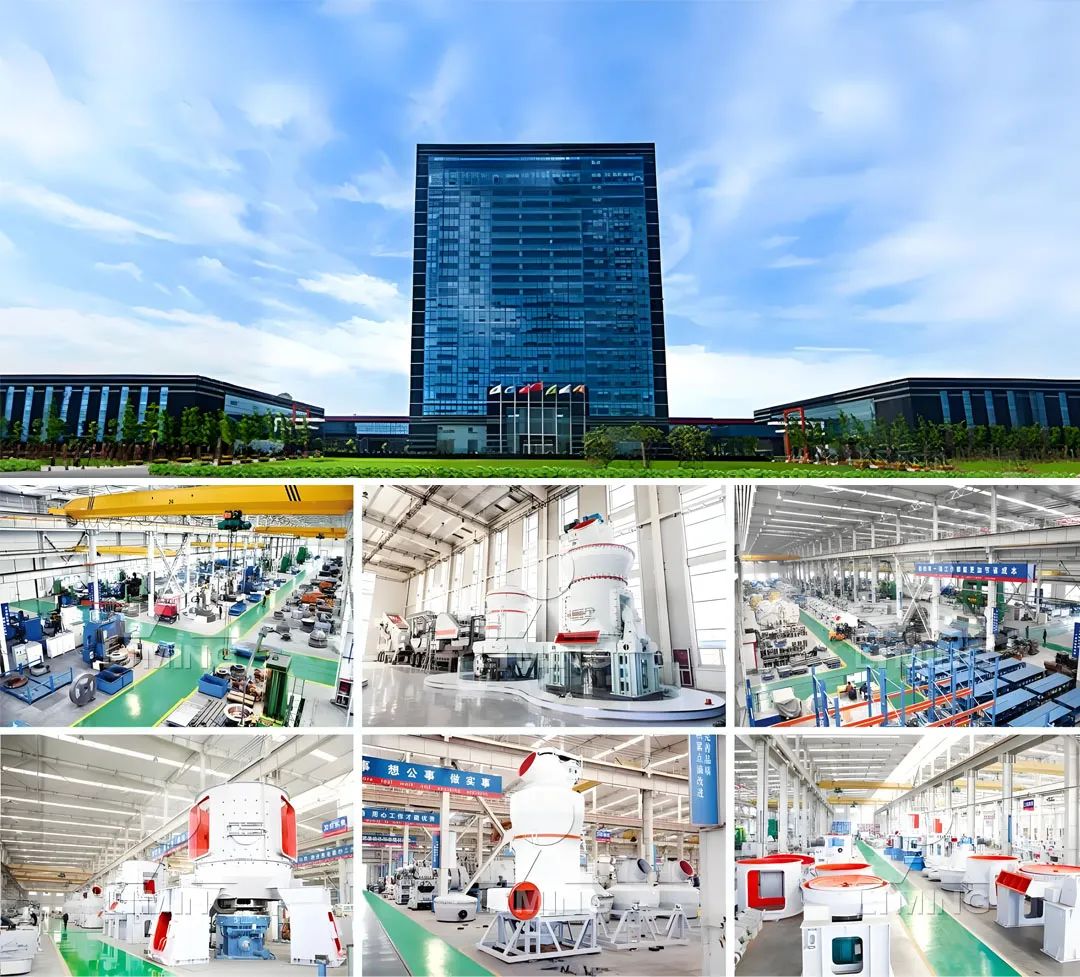
For most plant owners, the safest sourcing route is to work with a direct manufacturer rather than a trading company. A direct OEM can supply process design, mill sizing, installation guidance, start-up support, and long-term wear parts. For this reason, many Pakistan buyers start with direct contact to Liming Heavy Industry when comparing raw mill solutions for new lines or capacity upgrades.
It should review feed size, moisture, abrasiveness, and required raw meal fineness before quotation.
It should provide clear guarantees for throughput, residue, power consumption, and main wear parts.
It should have experience in cement raw meal systems, not only generic powder grinding.
It should support commissioning, operator training, and spare parts planning.
It should recommend different mill types for different duty conditions instead of pushing one machine for every plant.
How Do Grinding Mechanism and Material Behavior Affect Raw Mill Selection?
The main technical decision is the grinding mechanism. Compression grinding and impact grinding do not behave the same on cement raw materials.
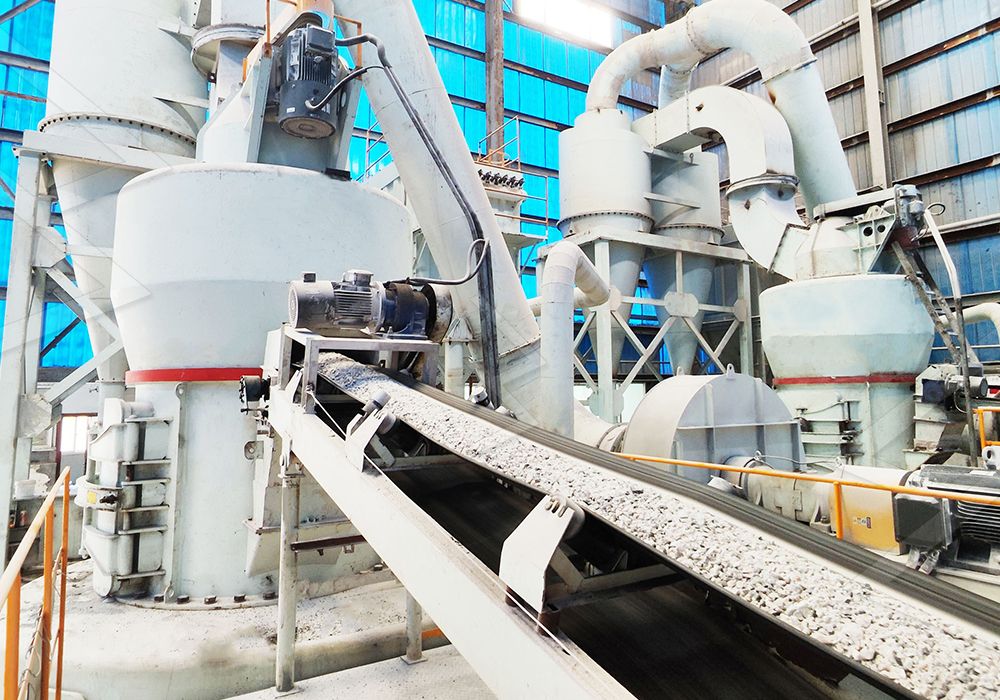
Compression and shear grinding, used mainly in vertical roller mills and trapezium mills, works well on brittle materials such as limestone. It usually gives lower specific energy use because the material bed absorbs the load efficiently. When the feed includes wet clay or shale, an integrated drying path becomes important. In that condition, a vertical roller mill has an advantage because hot gas can dry and grind in one system.
Impact and attrition grinding, typical in a ball mill, is slower in energy terms but remains useful when the feed is highly abrasive or when the plant requires very stable ultra-fine consistency. The ball charge, liner pattern, and residence time can be adjusted to keep product quality uniform even when the raw mix varies.
Material behavior is the second key variable.
Brittle and medium-hard limestone responds well to compression grinding.
High-moisture clay favors a mill with strong drying capacity and stable material transport.
High-silica or abrasive components increase wear and require a conservative liner and wear parts strategy.
If raw meal uniformity is more important than lowest power draw, a ball mill can still be the practical choice.
In Pakistan, where raw mix moisture can shift with weather and quarry conditions, the mill must be selected as part of the kiln feed system, not as a stand-alone grinder.
Which Liming Heavy Industry Mill Fits Each Cement Plant Scenario?
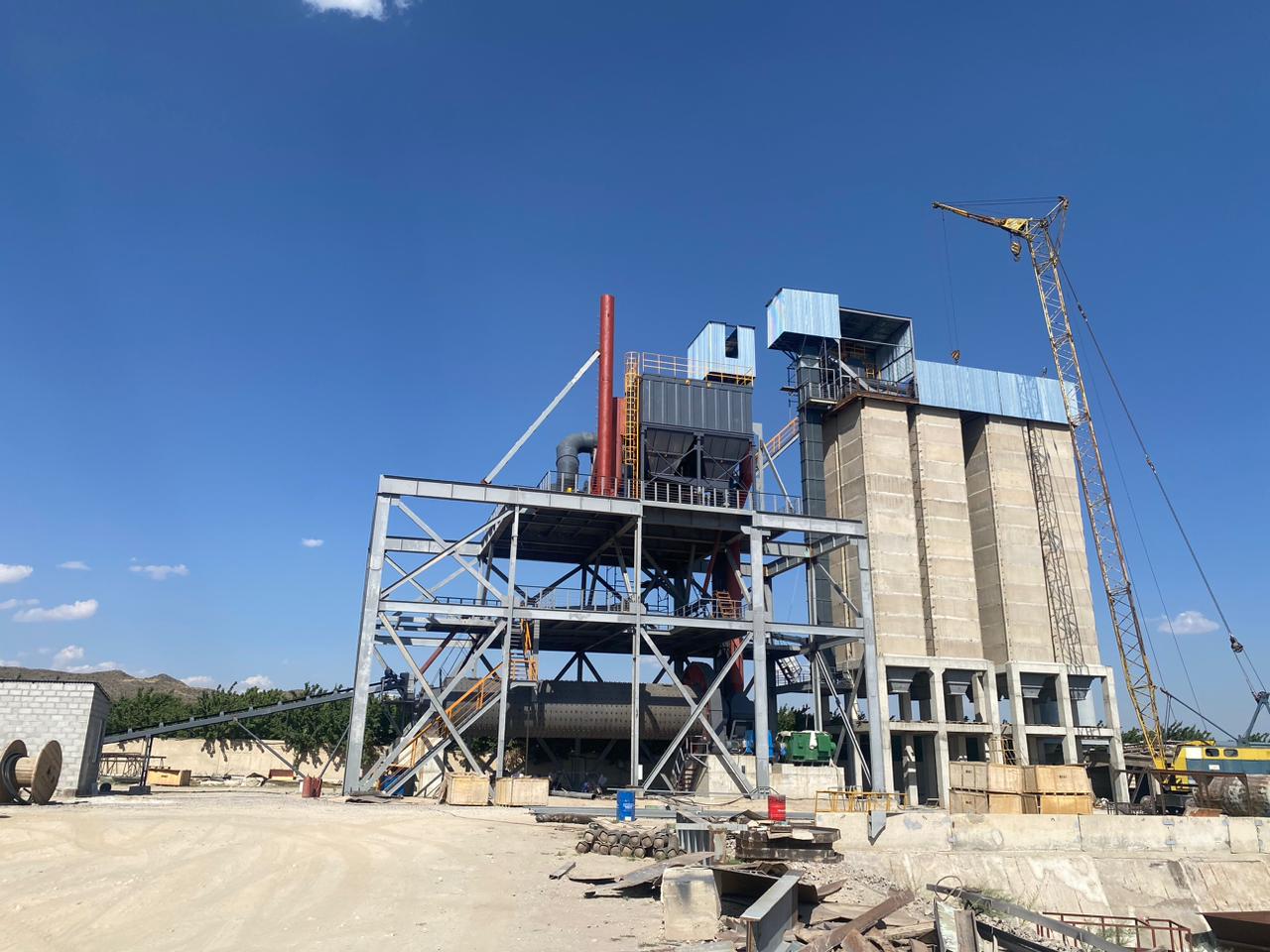
Liming Heavy Industry offers three practical routes for cement and related mineral grinding duties. The correct choice depends on plant scale, moisture, abrasiveness, and required product stability.
| Production scenario | Grinding mechanism | Material behavior | Production effect | Recommended model |
|---|---|---|---|---|
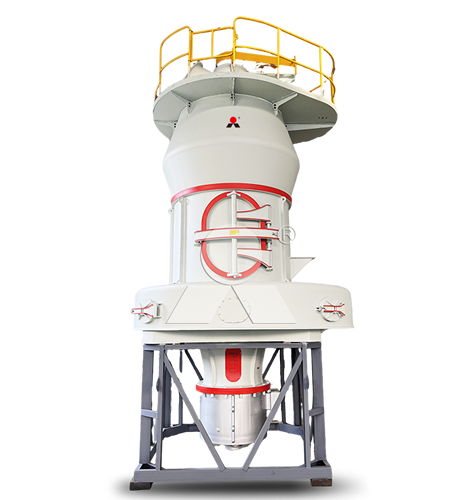
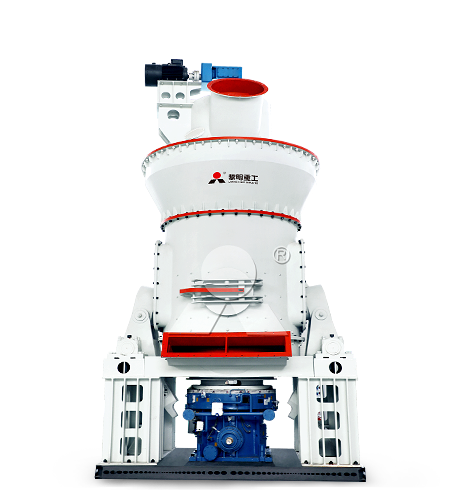
| Large-scale cement raw meal line with wet limestone and clay, high output demand, and pressure to reduce power consumption | Compression and shear in material bed | Best for brittle feed and higher moisture when hot gas drying is available | Lower energy use, integrated drying, stable continuous operation, suitable for kiln-feed preparation | LM190K Vertical Roller Mill |
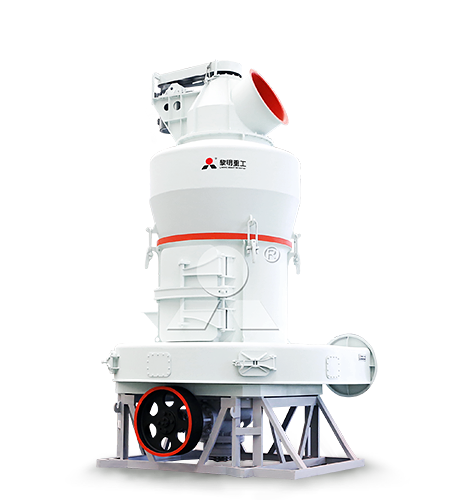
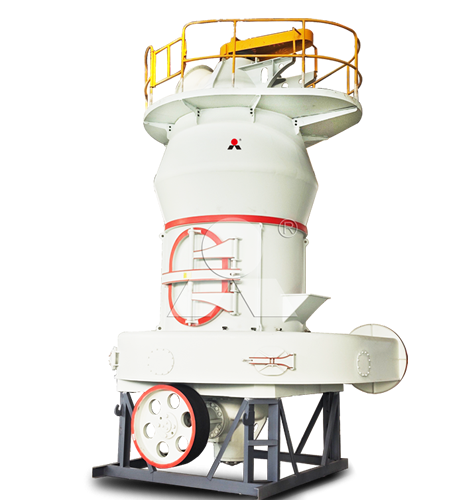
| Medium-scale production, plant expansion, or grinding of additives such as limestone powder, gypsum, or other corrective materials | Compression with ring roller and classifier | Suitable for medium hardness feed with controlled moisture | Flexible application, simpler layout than a full raw mill circuit, practical for moderate capacities | MTW175 European Trapezium Mill |
| Highly abrasive materials, silica-rich components, or cases where ultra-fine consistency is prioritized over minimum power draw | Impact and attrition by grinding media | Handles abrasive feed with predictable liner and media maintenance strategy | Stable fineness control, proven technology, useful when product uniformity is critical | 3.2×13m Energy-saving Ball Mill |
The selection logic is straightforward.
Choose LM Series Vertical Roller Mill when the plant is large, the raw mix contains moisture, and energy saving matters. This is the preferred route for most modern cement raw meal systems.
Choose MTW Series European Trapezium Mill when capacity is moderate or when the job is focused on additives, correction materials, or an auxiliary grinding duty rather than the main high-tonnage raw meal line.
Choose Energy-saving Ball Mill when the feed is highly abrasive or when the process requires very consistent ultra-fine grinding behavior and the plant is prepared for media and liner management.
What Checks Should Be Completed Before You Place an Order?
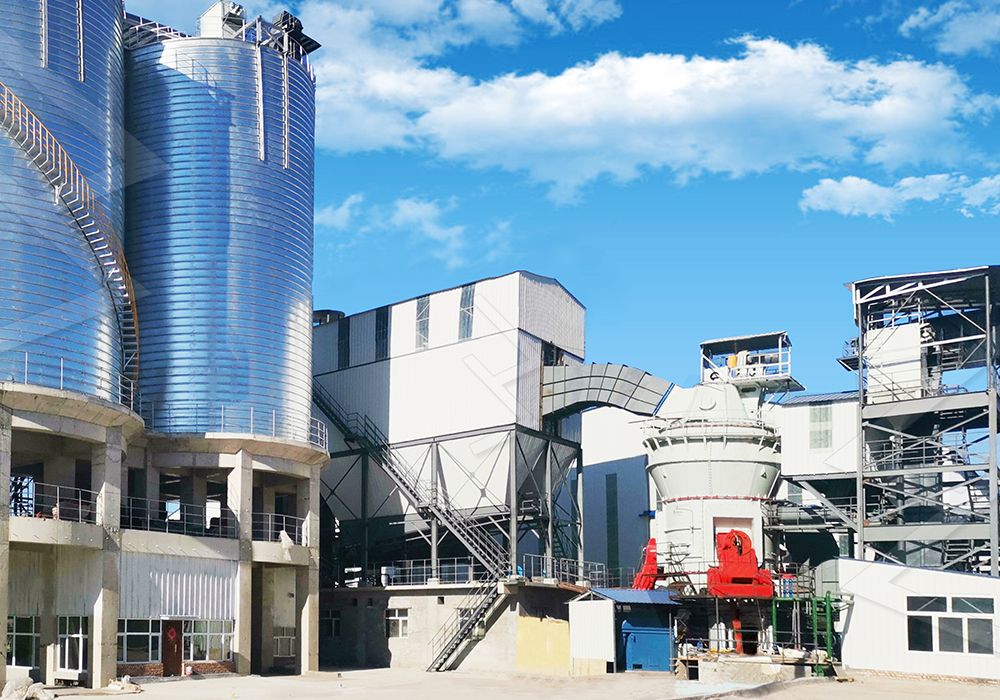
Before selecting a supplier, ask for a technical proposal based on your actual raw mix. A serious supplier should not finalize the mill model using only hourly capacity. The proposal should include the feed composition, feed moisture range, target residue, system fan requirement, drying method, and expected wear parts life.
Send the supplier your limestone, clay or shale, silica corrective, and iron corrective data.
Confirm whether the supplier is sizing the mill for average conditions or worst-case moisture conditions.
Ask for guaranteed output, residue, and power under stated feed conditions.
Check separator type, hot gas requirement, and dust collection arrangement.
Review the spare parts list for grinding rollers, liners, classifier parts, and drive components.
Request commissioning scope, training plan, and recommended preventive maintenance intervals.
If the supplier can clearly explain why an LM mill, an MTW mill, or a ball mill is the right choice for your raw mix, that is usually a strong sign of engineering reliability. If every project receives the same machine recommendation, the risk of mismatch is high.
FAQ
Is a vertical roller mill better than a ball mill for cement raw meal in Pakistan?
For most large cement raw meal lines, yes. A vertical roller mill is usually better when the feed has moisture and the plant wants lower power consumption. A ball mill remains useful for highly abrasive feed or when very stable ultra-fine consistency is required.
When should I select MTW Series European Trapezium Mill instead of a vertical roller mill?
Select MTW when production is medium scale, when the duty is additive grinding or correction material preparation, or when the project does not justify a large integrated raw mill system.
What data should I send to a raw mill supplier before asking for a quotation?
Send feed size, moisture range, material composition, hardness if available, required throughput, target raw meal fineness, and your heat source or hot gas conditions.
How can I verify that a supplier is reliable for a Pakistan cement project?
Check whether the supplier provides direct OEM support, process guarantees, commissioning service, spare parts planning, and case references in cement or mineral grinding applications.
Which Liming mill is the safest choice for high-moisture cement raw materials?
For high-moisture, large-scale cement raw meal, the safer choice is the LM Series Vertical Roller Mill because it combines drying and grinding and generally offers better production efficiency.
Related FAQ


LIMING Heavy Industry to Participate in SIREXE 2026 in Abidjan, Côte d'Ivoire
2026-10-26

LIMING at MiningMetals Uzbekistan 2026 | Booth B94
2026-10-22
LIMING Heavy Industry at MINEXPO Africa 2026 | Booth 133
2026-10-22
Liming Heavy Industry to Exhibit at bauma CHINA 2026 – Visit Us at Booth E6.510
2026-10-15
Meet Liming Heavy Industry at the 140th Canton Fair 2026
2026-10-13
Complete Mineral Processing Solutions
Convenient Reliable Professional Efficient Get Your Quote
Please feel free to submit your inquiry information to us. We will contact with you as soon as possible.
Our team will contact you as soon as possible.