


Summary:
Quicklime powder is commonly produced by grinding calcined limestone to specific fineness levels using industrial grinding mills. Selecting the right mill depends on capacity, fineness requirements, and process stability.
Details:
Grinding Characteristics of Quicklime
Quicklime (calcium oxide) is produced by calcining limestone and is widely used in metallurgy, environmental treatment, construction materials, and chemical industries. In powder processing plants, quicklime is typically ground to fineness levels ranging from 100 to 400 mesh depending on the application.
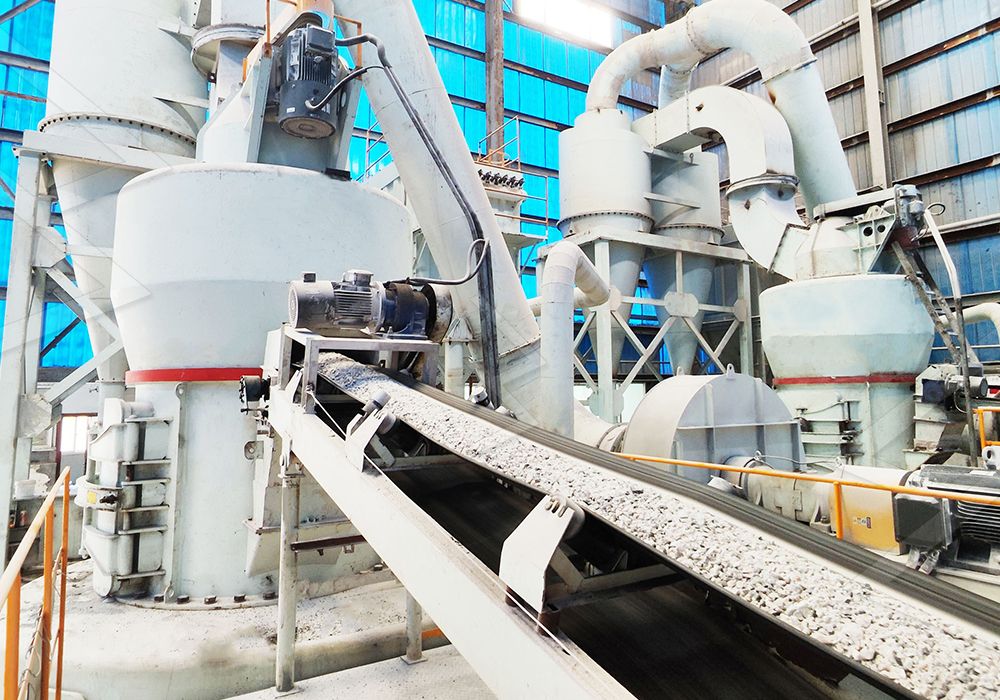
Compared with raw limestone, quicklime is relatively brittle but highly reactive with moisture. Therefore, grinding systems must maintain stable airflow, low humidity, and reliable dust collection to ensure safe and consistent production.
Common Mills Used for Quicklime Grinding
Several types of industrial grinding mills can be used to process quicklime powder. The choice usually depends on production scale and target fineness.
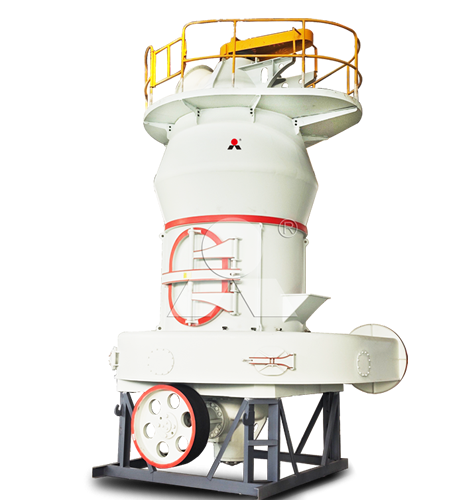
Raymond mills for medium-scale powder production
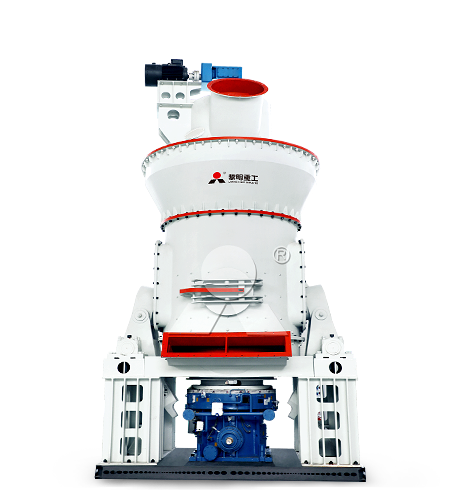
Vertical roller mills for large-capacity grinding lines
Ball mills for traditional grinding systems
Among these options, Raymond mills and vertical roller mills are commonly selected in modern quicklime powder plants due to their energy efficiency and stable particle size control.
_1761355927036.jpg)
Vertical Roller Mills for Large-Scale Production
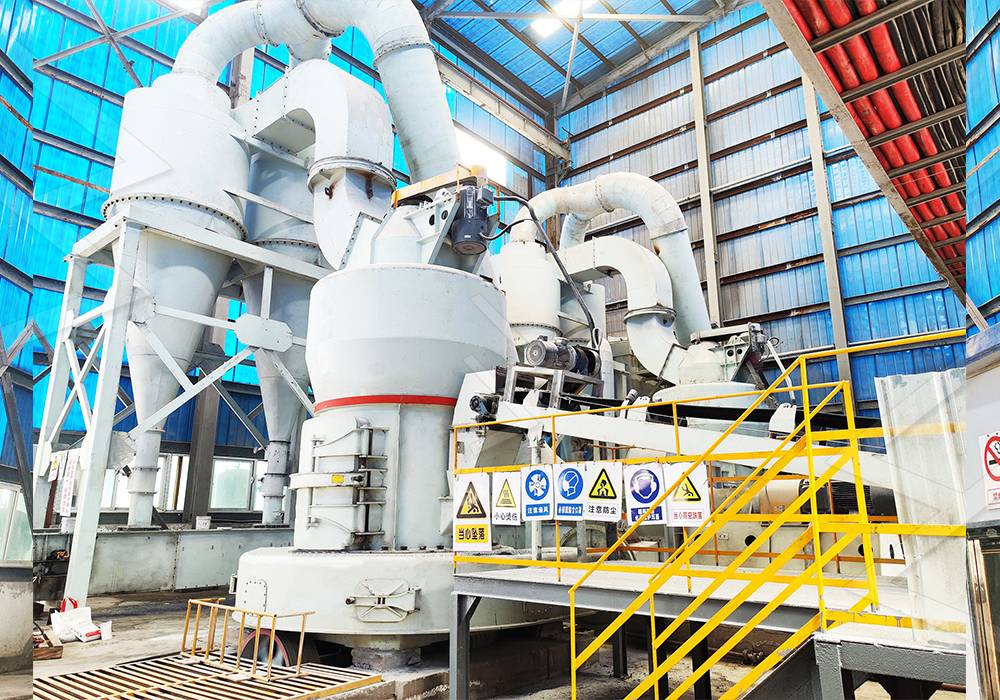
In high-capacity quicklime grinding lines, vertical roller mills are widely used because they integrate grinding, drying, and classification in one system. This design helps control moisture and improves overall plant efficiency.
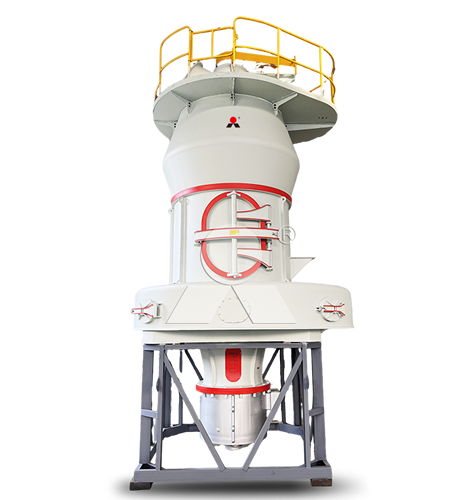
Liming Heavy Industry's vertical roller mills are often applied in mineral powder production lines where capacities range from tens to hundreds of tons per hour. They are suitable for producing quicklime powder in the 80–400 mesh range with stable operation.
Raymond Mills for Flexible Powder Processing
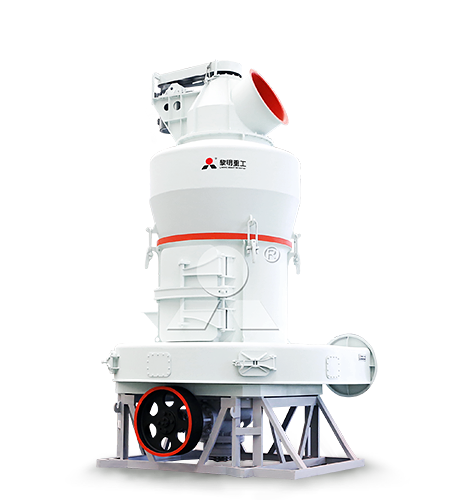
For small to medium quicklime powder plants, Raymond mills remain a practical solution. The equipment structure is relatively simple, easy to maintain, and capable of producing fine powder typically between 80 and 325 mesh.
In many mineral grinding projects, Liming Heavy Industry's Raymond mills are used for quicklime, limestone, and other non-metallic minerals due to their reliable operation and consistent powder fineness.
Key Factors When Selecting a Grinding Mill
In actual plant design, engineers usually evaluate several parameters before choosing a grinding mill:
Required powder fineness
Hourly production capacity
Moisture content of raw materials
Plant layout and energy consumption
By matching these factors with suitable equipment such as vertical roller mills or Raymond mills, quicklime powder production lines can achieve stable performance and efficient long-term operation.
Related FAQ


Liming Heavy Industry to Exhibit at bauma CHINA 2026 – Visit Us at Booth E6.510
2026-10-15

Meet Liming Heavy Industry at the 140th Canton Fair 2026
2026-10-13
Liming Heavy Industry to Attend the 140th Canton Fair
2026-09-25
Liming Heavy Industry at bauma CONEXPO INDIA 2026 | Booth 5-C6
2026-09-07
Turnkey Raw Mill Cement Plant in Saudi Arabia: Design and Installation
2026-09-03
Complete Mineral Processing Solutions
Convenient Reliable Professional Efficient Get Your Quote
Please feel free to submit your inquiry information to us. We will contact with you as soon as possible.
Our team will contact you as soon as possible.