


Summary:
Phosphate rock must be ground into fine powder before it can be used in fertilizer production or chemical processing. Choosing the right grinding mill ensures stable fineness, good capacity, and efficient operation.
Details:
Characteristics of Phosphate Rock for Grinding
Phosphate rock is an important raw material for producing phosphate fertilizers and various chemical products. Before further processing, the ore must be ground into fine powder to increase the reaction surface area. The hardness of phosphate rock is generally medium, but it can contain impurities such as silica or clay, which may affect grinding efficiency.
In industrial applications, the required fineness of phosphate rock powder usually ranges from about 100 mesh to 400 mesh, depending on the downstream process. Stable particle size distribution is essential for efficient chemical reactions and consistent product quality.
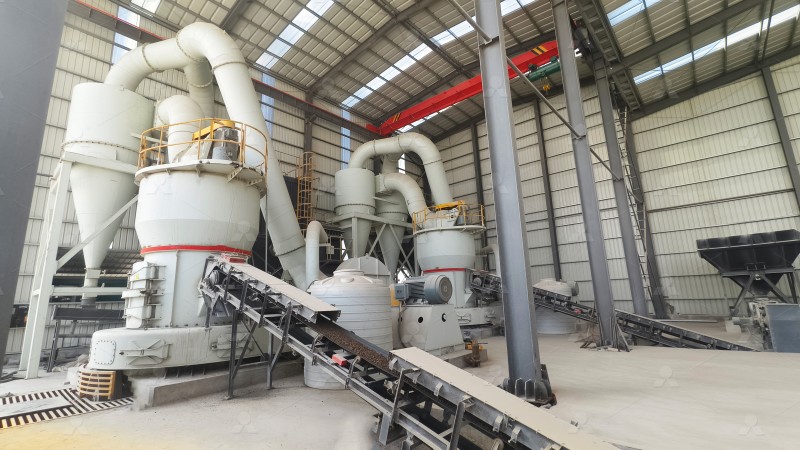
Raymond Mill for Medium-Fine Phosphate Powder
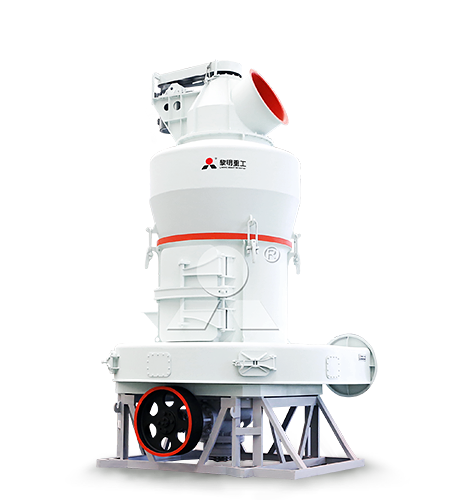
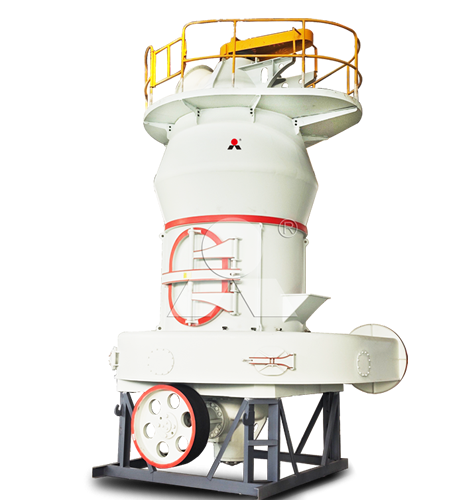
The Raymond grinding mill is one of the most widely used machines for processing phosphate rock powder. It is suitable for producing powder in the range commonly required for fertilizer production. The mill uses grinding rollers and a grinding ring to reduce the material size while an internal classifier controls the final fineness.
This type of mill is known for its stable operation, relatively low energy consumption, and compact layout, making it suitable for small and medium-sized phosphate grinding plants.
Vertical Roller Mill for Large-Scale Production
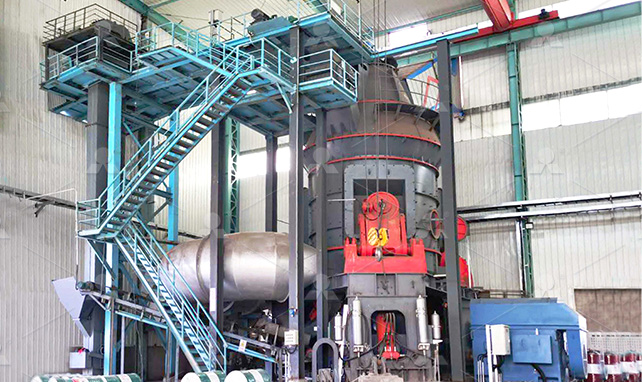
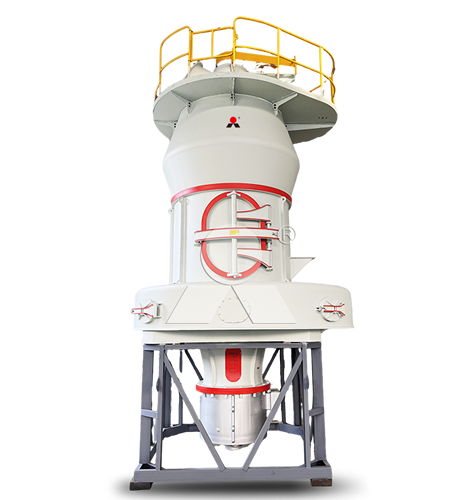
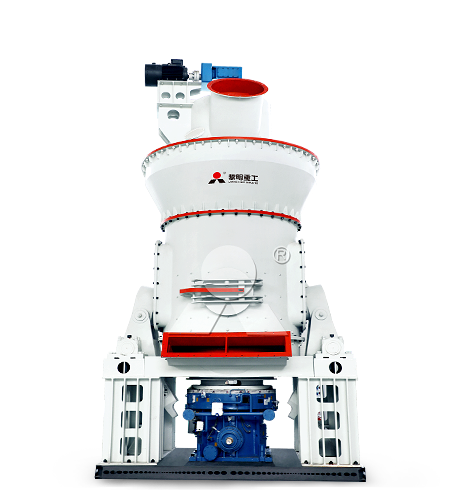
For larger phosphate processing plants, vertical roller mills are often used. These mills combine grinding, drying, and classification in a single unit. They can handle higher feed capacity and materials with certain moisture content.
Vertical roller mills are commonly selected when the production line requires higher output and more automated operation. They also offer good grinding efficiency and stable product quality.
Typical Phosphate Rock Grinding Process
A typical phosphate rock grinding system usually includes the following stages:
Primary crushing of raw phosphate rock
Storage and controlled feeding of material
Grinding in a Raymond mill or vertical roller mill
Classification of powder by a separator
Collection and storage of finished phosphate powder
Key Factors in Equipment Selection
When selecting a grinding mill for phosphate rock, engineers usually consider several factors, including required product fineness, production capacity, raw material moisture, and energy consumption. In many fertilizer plants, Raymond mills are preferred for medium-capacity production, while vertical roller mills are selected for large industrial grinding systems.
Related FAQ


Liming Heavy Industry to Exhibit at bauma CHINA 2026 – Visit Us at Booth E6.510
2026-10-15

Meet Liming Heavy Industry at the 140th Canton Fair 2026
2026-10-13
Liming Heavy Industry to Attend the 140th Canton Fair
2026-09-25
Liming Heavy Industry at bauma CONEXPO INDIA 2026 | Booth 5-C6
2026-09-07
Turnkey Raw Mill Cement Plant in Saudi Arabia: Design and Installation
2026-09-03
Complete Mineral Processing Solutions
Convenient Reliable Professional Efficient Get Your Quote
Please feel free to submit your inquiry information to us. We will contact with you as soon as possible.
Our team will contact you as soon as possible.