


Summary:
Fine limestone powder is widely used in flue gas desulfurization systems to remove sulfur dioxide from industrial emissions. Proper grinding equipment and process control ensure stable fineness and efficient desulfurization performance.
Details:
Role of Limestone Powder in Flue Gas Desulfurization
Flue gas desulfurization (FGD) systems are commonly used in power plants and industrial boilers to reduce sulfur dioxide emissions. In these systems, finely ground limestone powder reacts with sulfur dioxide in the flue gas and converts it into gypsum. The reaction efficiency depends greatly on the particle size and uniformity of the limestone powder.
In most FGD applications, limestone powder typically ranges from about 200 to 325 mesh. Proper fineness ensures a larger reaction surface area, which improves sulfur removal efficiency and reduces limestone consumption.
Raw Material Preparation
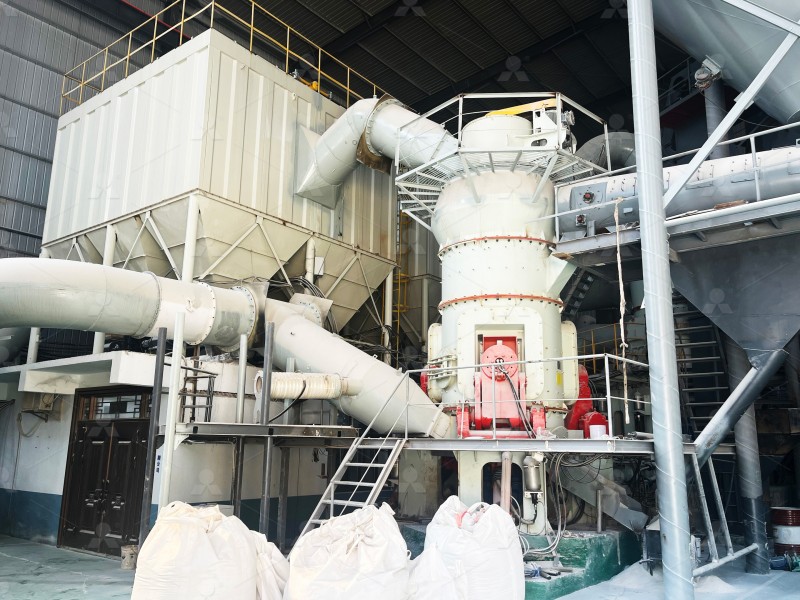
The production of fine limestone powder begins with selecting suitable raw limestone. The material is usually crushed to a smaller size before entering the grinding mill. Consistent feed size helps stabilize the grinding process and improves overall system efficiency.
After crushing, the limestone is conveyed to storage or a feeding system that supplies the grinding mill at a controlled rate.
Grinding Equipment for Limestone Powder
Several types of grinding mills can be used to produce limestone powder for flue gas treatment. Common equipment includes:
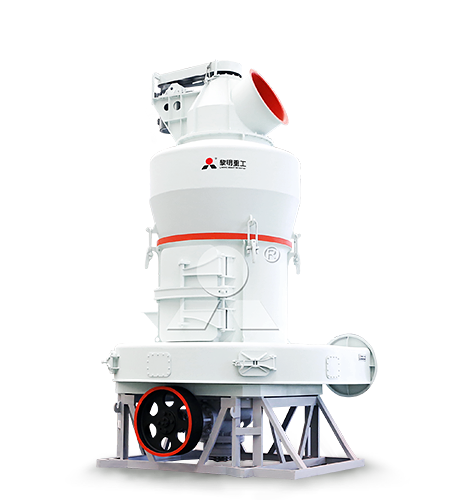
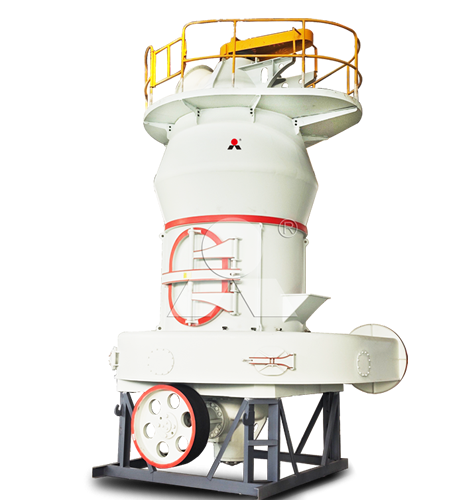
Raymond mill for medium-fine powder production
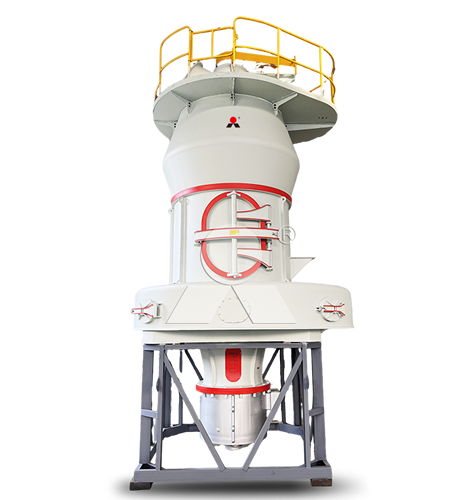
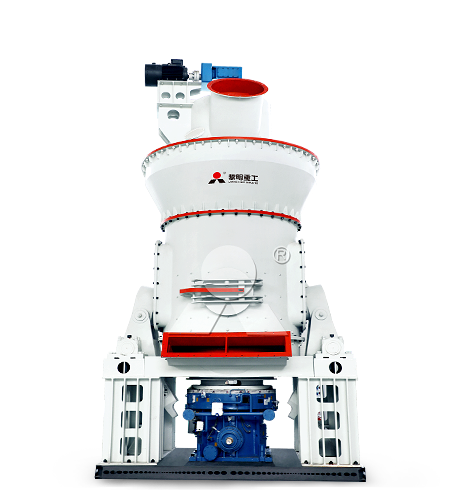
Vertical roller mill for large-capacity grinding plants
Ball mill combined with classifiers for traditional grinding systems
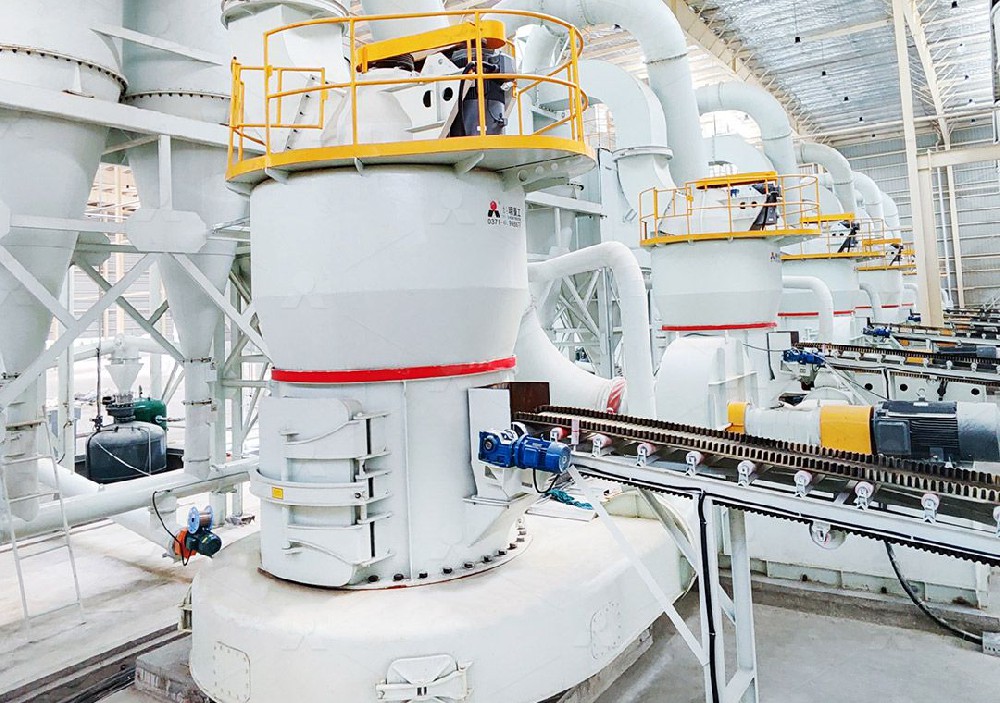
Among these options, vertical roller mills and modern Raymond mills are widely used because they provide stable fineness, high efficiency, and relatively low energy consumption.
Typical Limestone Grinding Process
A standard limestone powder production line usually includes several stages. First, raw limestone is crushed into smaller particles. The material is then fed into the grinding mill, where it is ground into fine powder. A classifier separates qualified particles from coarse material, which is returned to the mill for further grinding.
The final limestone powder is collected by dust collectors and transported to storage silos before being used in the FGD system.
Key Factors for Stable Powder Production
To ensure stable limestone powder quality for flue gas treatment, several factors must be considered. These include the hardness and moisture of the limestone, the grinding mill capacity, and the control of product fineness. Proper maintenance of grinding rollers, liners, and classifiers also helps maintain consistent production performance.
Related FAQ


Liming Heavy Industry to Exhibit at bauma CHINA 2026 – Visit Us at Booth E6.510
2026-10-15

Meet Liming Heavy Industry at the 140th Canton Fair 2026
2026-10-13
Liming Heavy Industry to Attend the 140th Canton Fair
2026-09-25
Liming Heavy Industry at bauma CONEXPO INDIA 2026 | Booth 5-C6
2026-09-07
Turnkey Raw Mill Cement Plant in Saudi Arabia: Design and Installation
2026-09-03
Complete Mineral Processing Solutions
Convenient Reliable Professional Efficient Get Your Quote
Please feel free to submit your inquiry information to us. We will contact with you as soon as possible.
Our team will contact you as soon as possible.