


Summary:
Cement raw materials such as limestone, clay, and shale must be ground into fine powder before entering the kiln. Vertical roller mills and ball mills are the most common grinding solutions used in modern cement plants.
Details:
Why Raw Material Grinding Is Important in Cement Production
In cement manufacturing, raw material preparation is one of the most critical steps. Materials such as limestone, clay, sandstone, and iron ore must be ground into a fine and uniform powder known as raw meal. Proper grinding improves the chemical uniformity of the mix and ensures stable operation in the rotary kiln. The grinding system must also be capable of handling large capacities while maintaining consistent fineness.
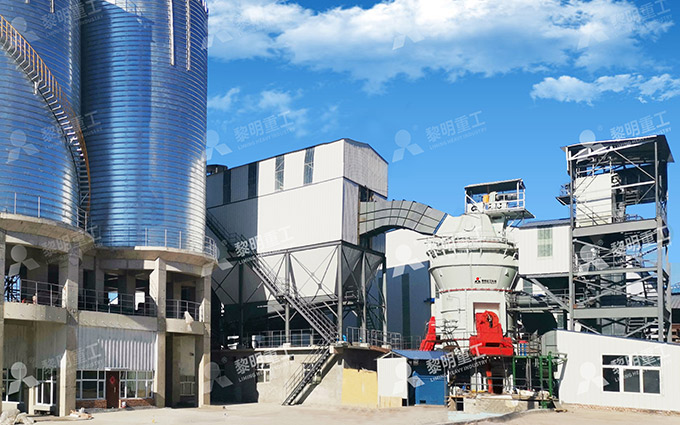
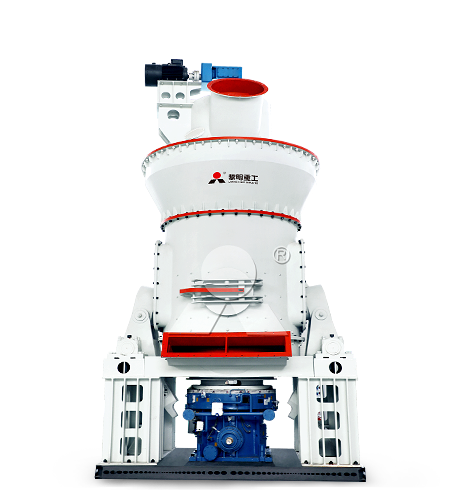
Vertical Roller Mill for Cement Raw Materials
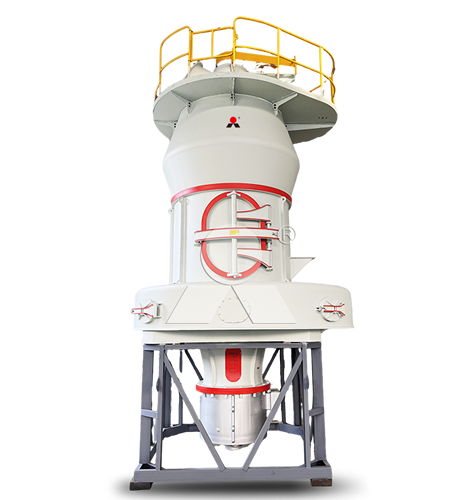
The vertical roller mill is widely used in modern cement plants for raw material grinding. This type of mill integrates crushing, grinding, drying, and classification in one system. Hot gas from the kiln or hot air furnace can be introduced into the mill to dry materials with higher moisture content.
Vertical roller mills are known for their high efficiency and relatively low power consumption. They are suitable for large-scale production lines and can handle a wide range of raw materials with different hardness levels.
Ball Mill Grinding Systems
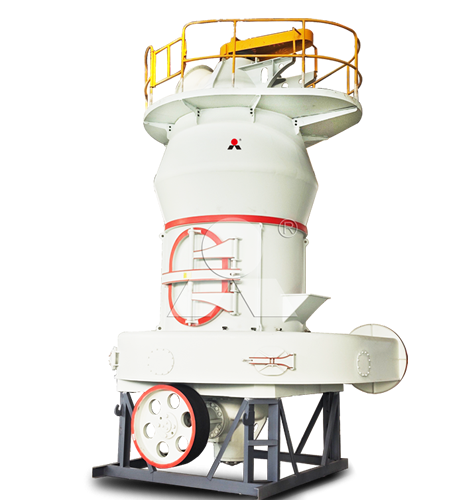
Ball mills have been used in the cement industry for many decades and are still applied in some plants. A ball mill uses steel balls as grinding media to reduce the size of raw materials inside a rotating cylindrical shell. The ground material is then separated by a classifier to control the final product fineness.
Although ball mills are reliable and simple in structure, they generally consume more energy compared with vertical roller mills. However, they can still be suitable for certain small or medium-scale grinding systems.
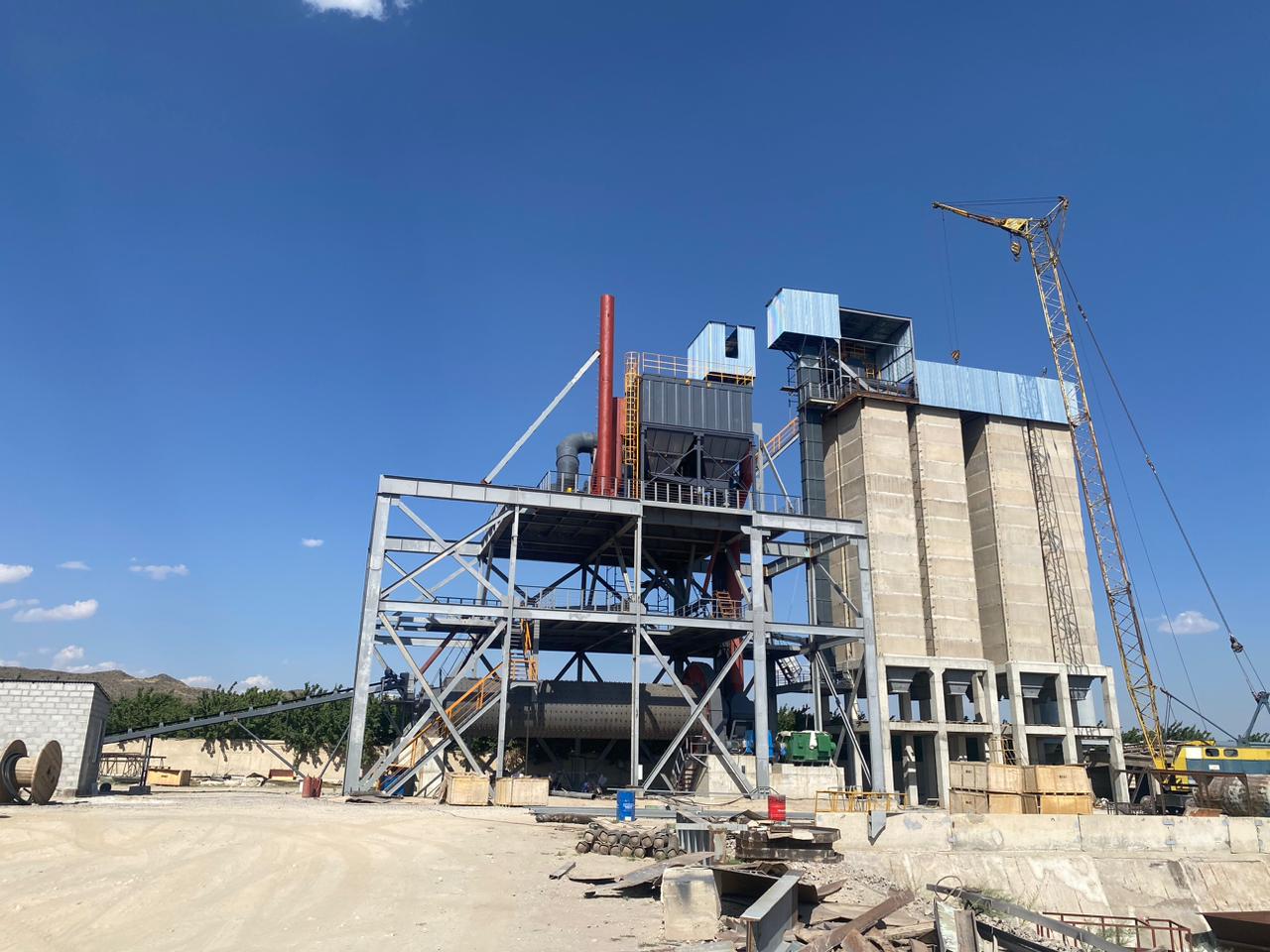
Typical Raw Material Grinding Process
A typical cement raw material grinding system includes several main stages:
Raw material crushing and storage
Feeding and proportioning of different materials
Grinding in a vertical roller mill or ball mill
Classification and collection of fine powder
Homogenization of the raw meal before kiln feeding
Choosing the Right Grinding Mill
The selection of a grinding mill depends on several factors, including plant capacity, raw material properties, moisture content, and energy consumption requirements. In most modern cement plants, vertical roller mills have become the preferred solution because they provide efficient grinding, integrated drying, and stable product quality.
Related FAQ


Liming Heavy Industry to Exhibit at bauma CHINA 2026 – Visit Us at Booth E6.510
2026-10-15

Meet Liming Heavy Industry at the 140th Canton Fair 2026
2026-10-13
Liming Heavy Industry to Attend the 140th Canton Fair
2026-09-25
Liming Heavy Industry at bauma CONEXPO INDIA 2026 | Booth 5-C6
2026-09-07
Turnkey Raw Mill Cement Plant in Saudi Arabia: Design and Installation
2026-09-03
Complete Mineral Processing Solutions
Convenient Reliable Professional Efficient Get Your Quote
Please feel free to submit your inquiry information to us. We will contact with you as soon as possible.
Our team will contact you as soon as possible.