Calcium Carbonate
For filler applications requiring controlled fineness, whiteness and particle-size distribution.


Grinding solutions for calcium carbonate, talc, kaolin and other mineral fillers — from conventional fine powder to ultrafine processing.
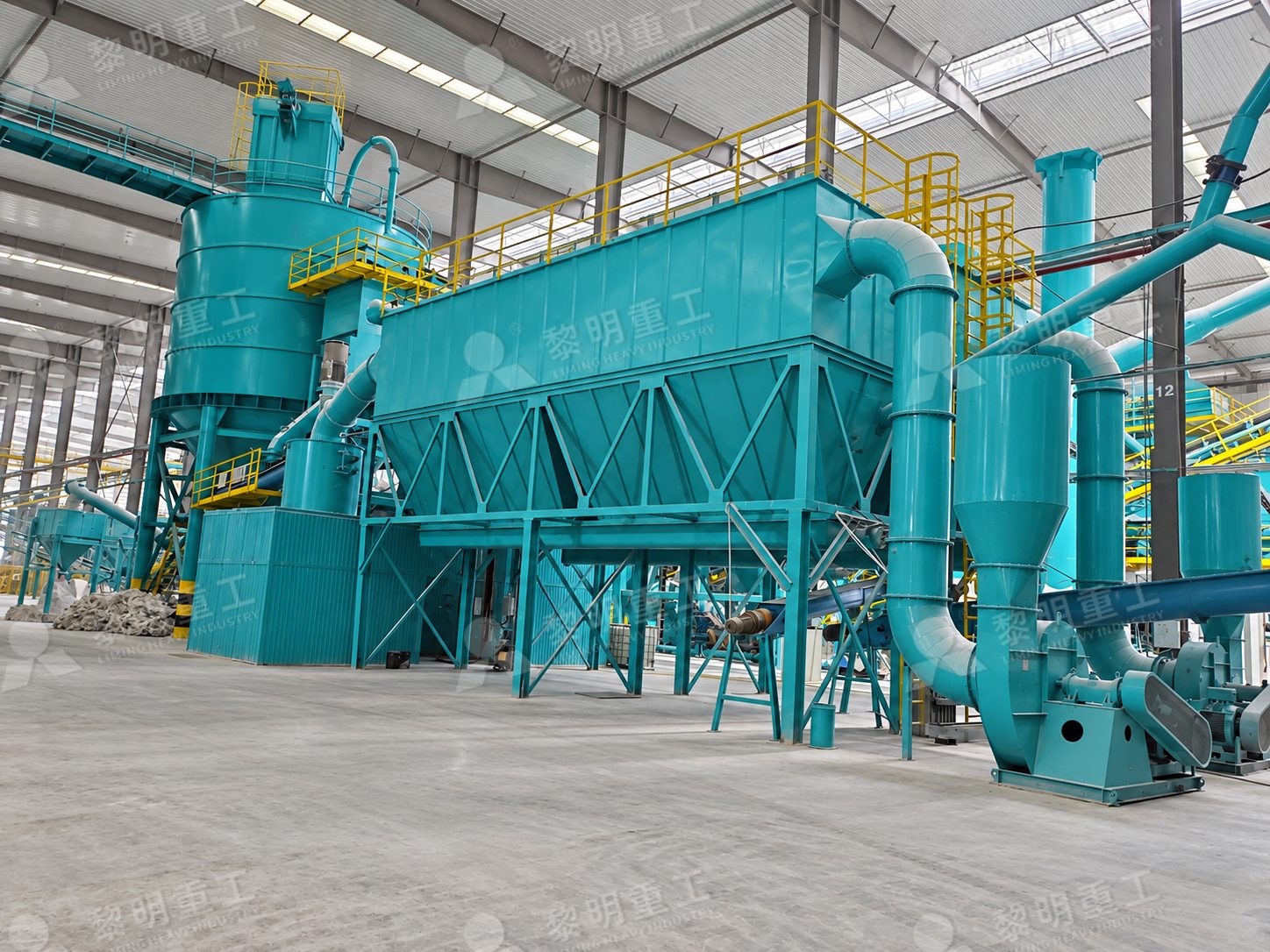
Different minerals require different grinding conditions and finished powder specifications.
For filler applications requiring controlled fineness, whiteness and particle-size distribution.
Grinding solutions selected according to material properties and coating formulation needs.
Powder processing where product consistency and relevant quality requirements matter.
Mineral powder production for suitable industrial and protective coating applications.
Hard mineral processing requiring evaluation of wear, feed size and target particle size.
Equipment and process selection based on actual raw material and final product requirements.
A typical system combines feed preparation, grinding, classification and powder collection.
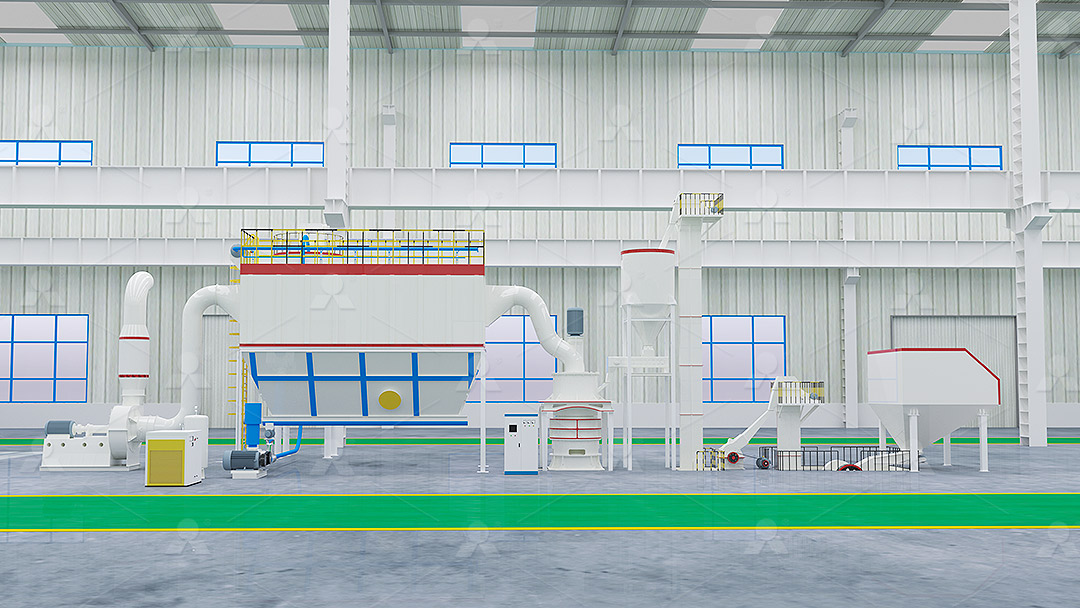
From conventional fine grinding to ultrafine powder processing, choose equipment according to the material, fineness and required capacity.
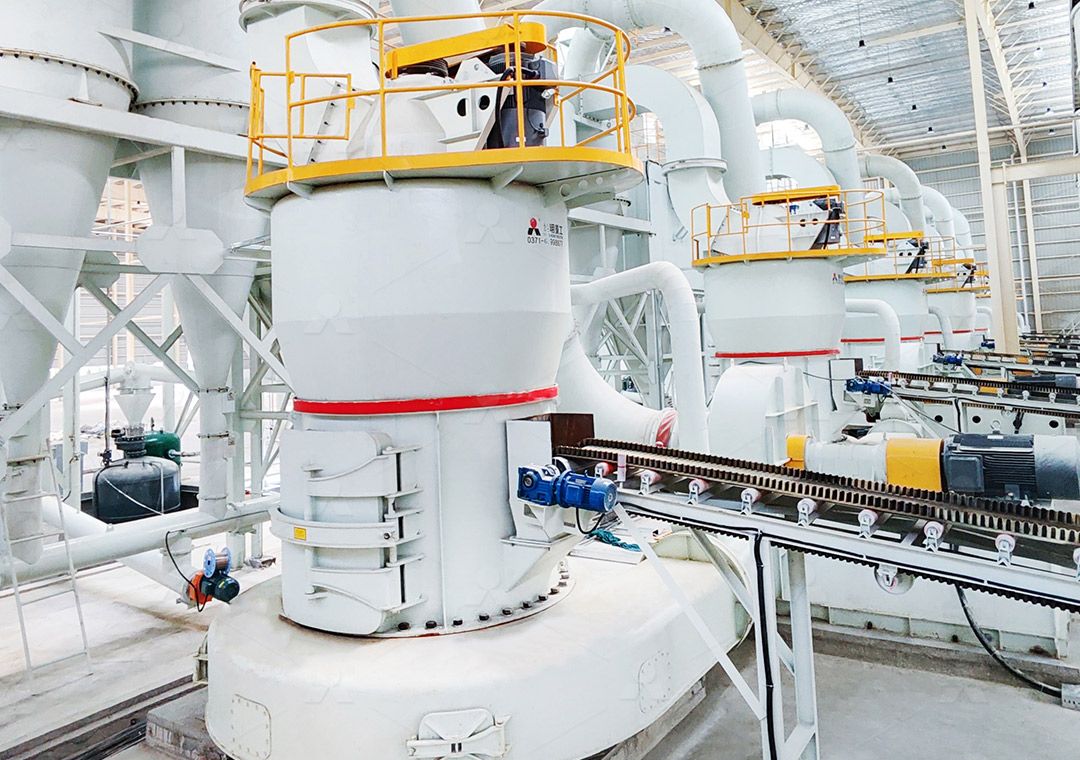
For suitable non-metallic minerals requiring conventional fine powder processing.
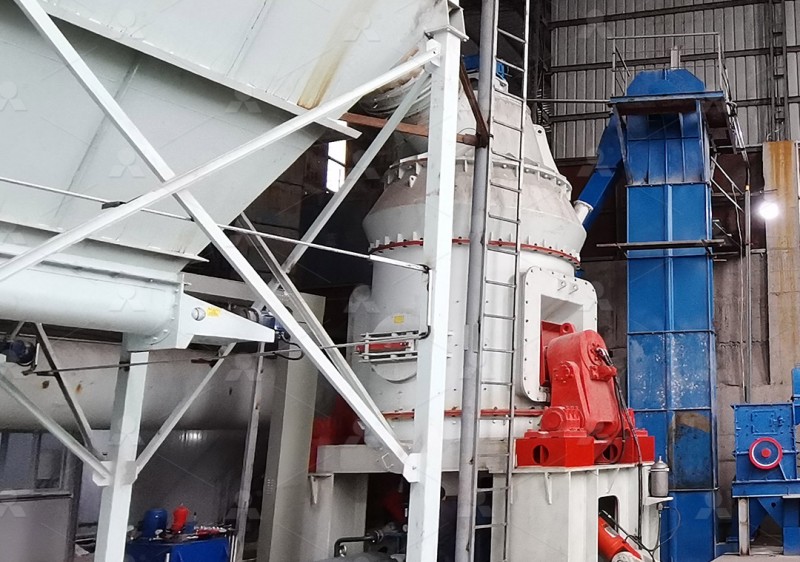
For suitable mineral grinding projects requiring an integrated vertical grinding system.
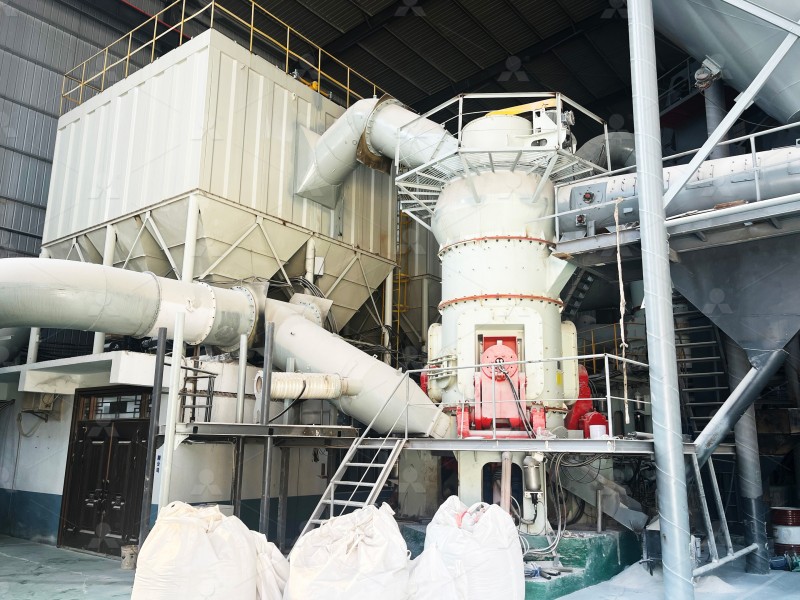
For suitable applications requiring ultrafine mineral powder and fine particle control.
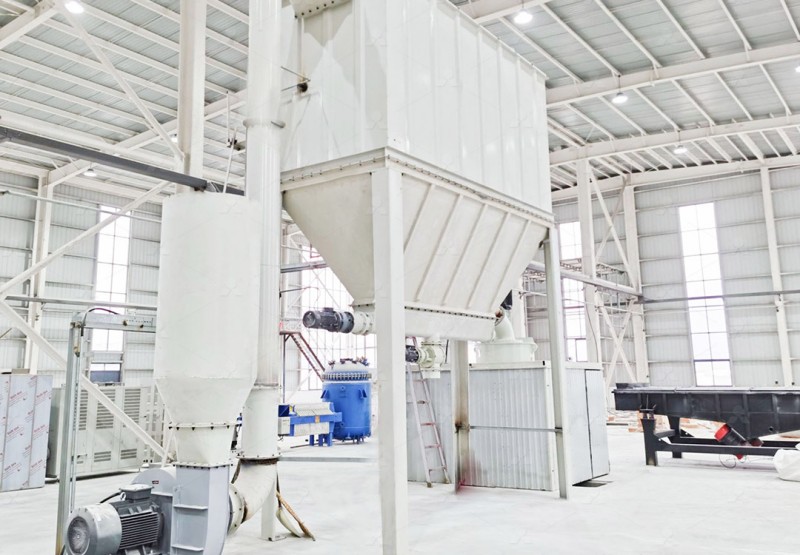
For suitable non-metallic minerals requiring fine or ultrafine powder production.
Reference ranges are not a guarantee for every material or operating condition. Confirm particle-size definition, feed characteristics and required throughput during equipment selection.
Grinding requirements vary with mineral properties, coating formulation and finished powder specifications. The following examples illustrate how to approach three common mineral filler processing projects.
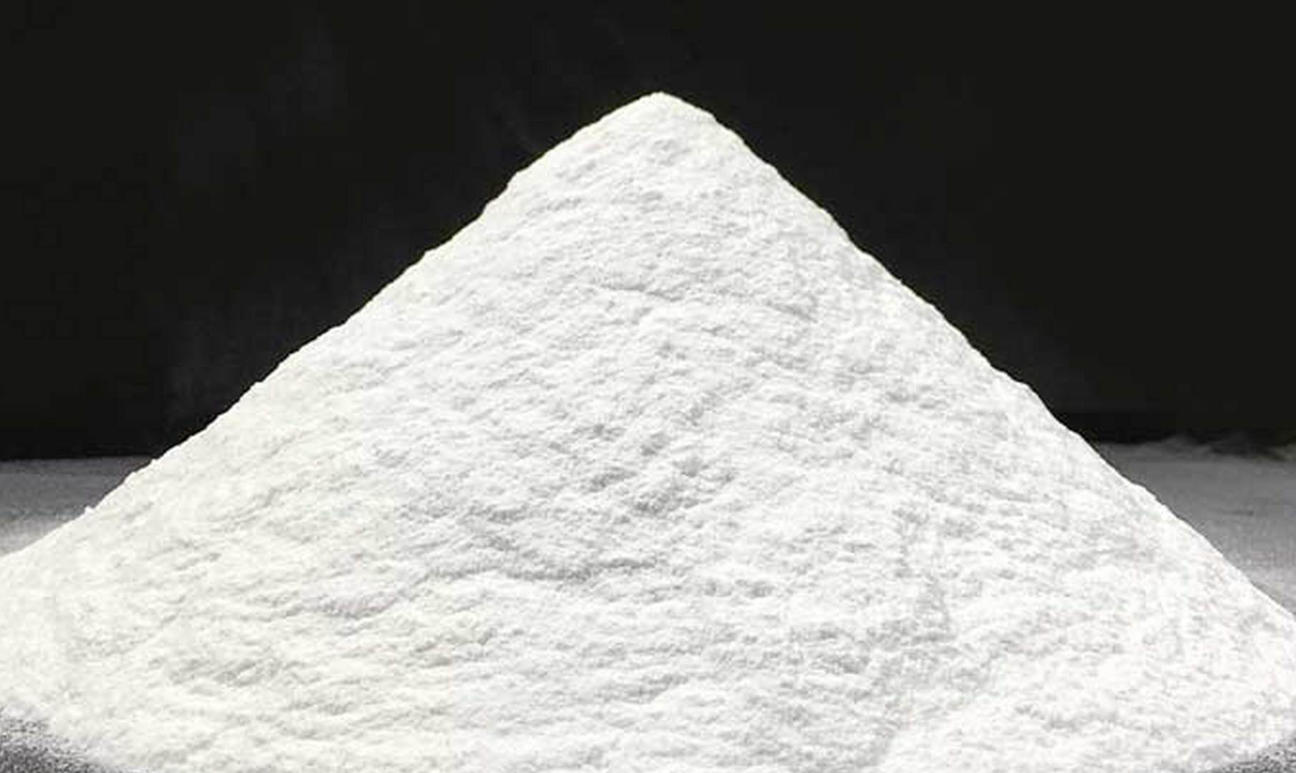
Calcium carbonate is used in many coating formulations as a mineral filler. The processing objective may include achieving a specified fineness, maintaining consistent powder quality and supplying the required production volume.
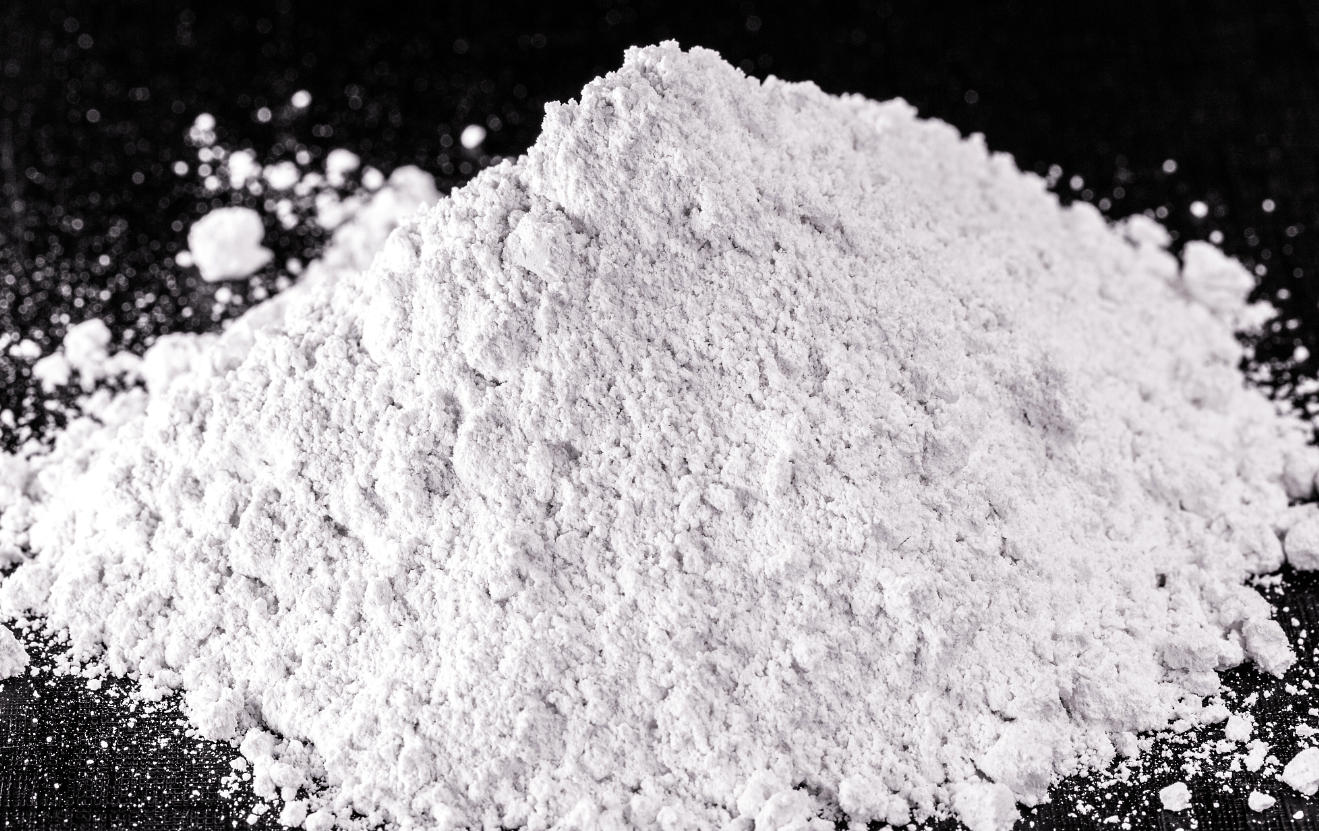
Talc processing requires consideration of the raw material's physical characteristics and the requirements of the intended coating product. A target mesh size alone may not fully describe the required finished powder.
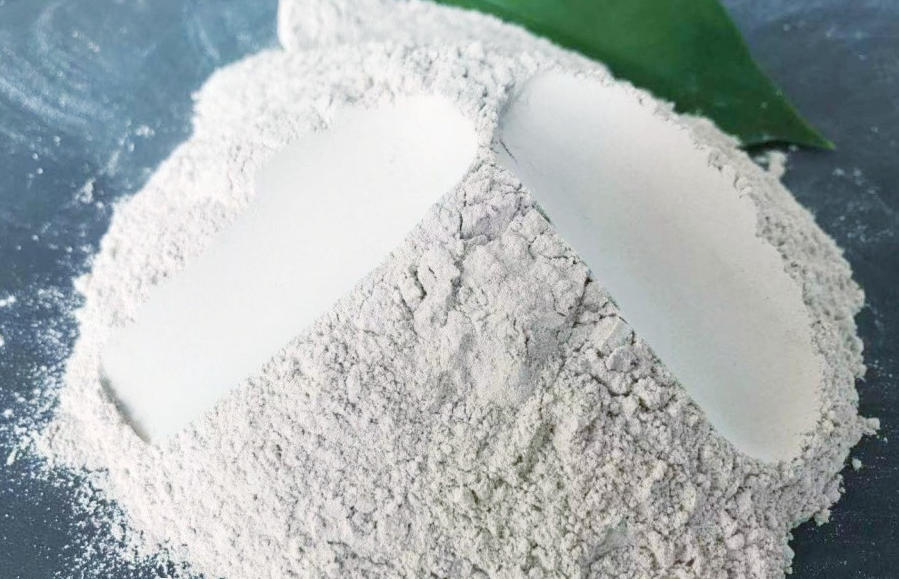
Kaolin powder processing may involve specific requirements for fineness, color and consistency. The grinding process should account for the properties of the feed material and the specifications expected by the downstream user.
These are typical application examples, not claims about specific completed customer projects. Actual equipment configuration, fineness and capacity must be confirmed against the project requirements.
Nominal mesh size alone may not fully describe the powder needed for a coating formulation.
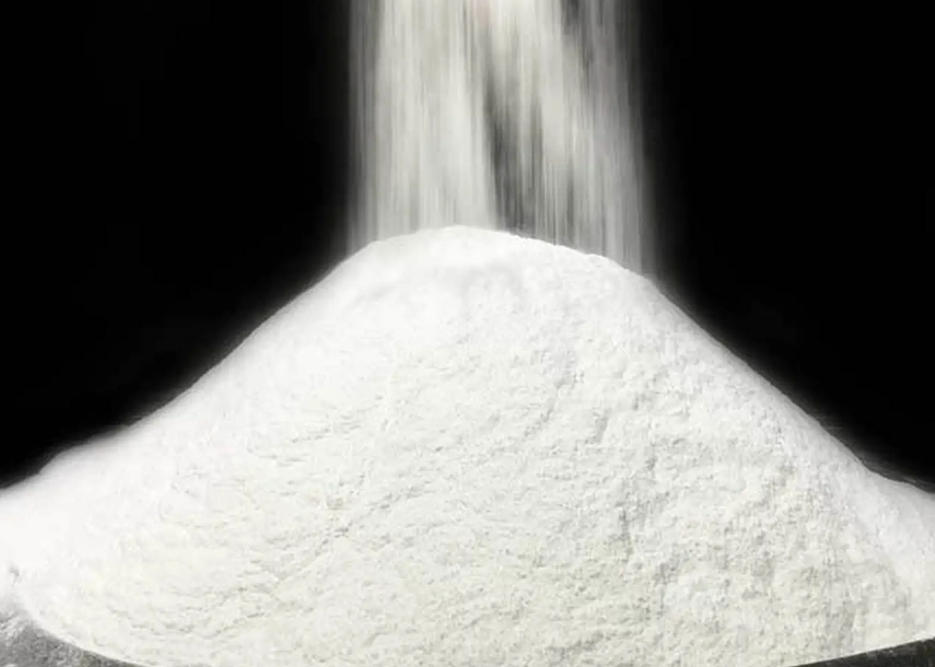
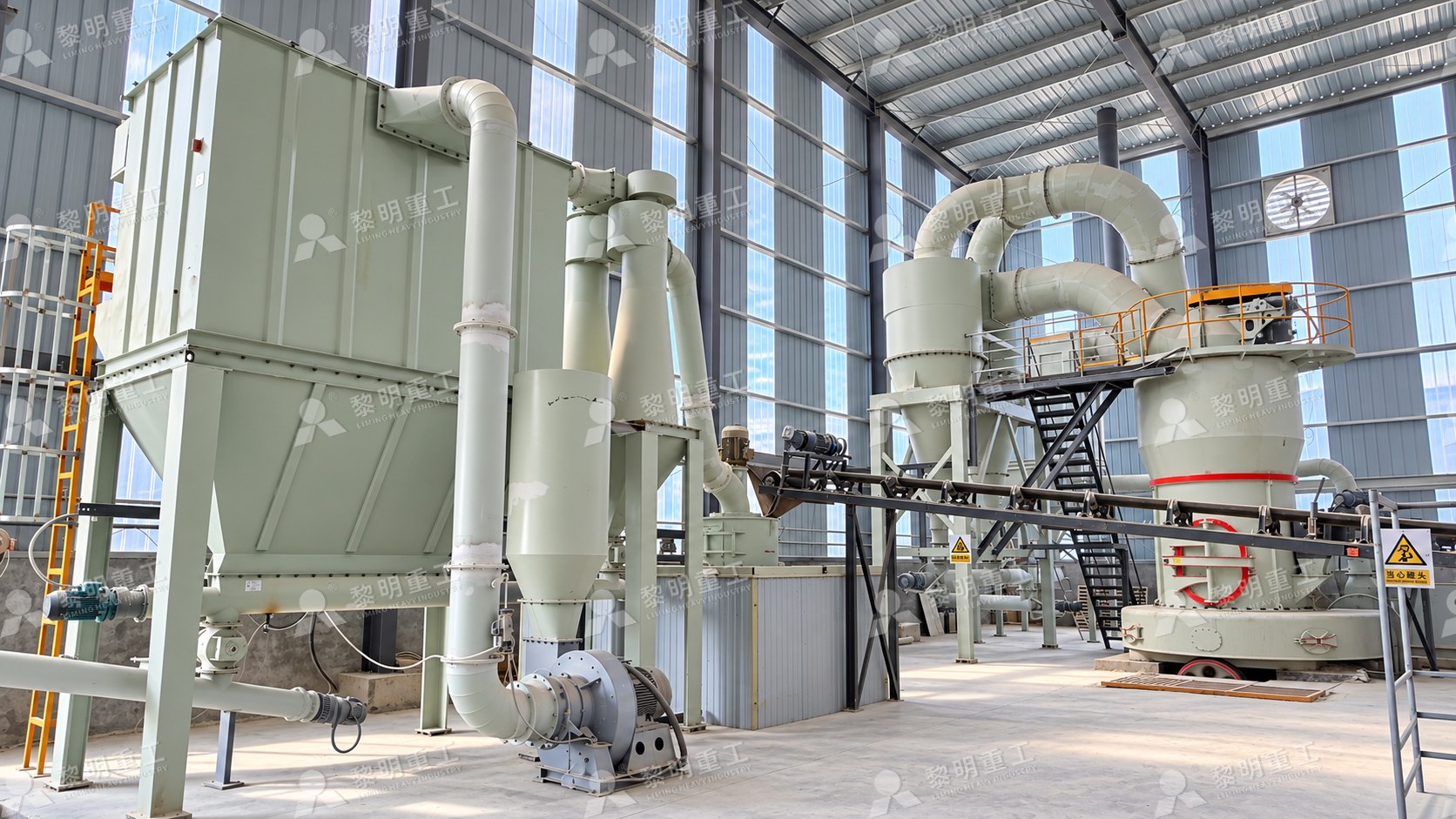
Configure the grinding plant around the feed material, final product and site requirements.
Practical information about mineral fillers, grinding fineness and mill selection.
Find answers about mineral filler selection, grinding fineness, equipment configuration and production plant planning.
Calcium carbonate, talc, kaolin and barite are examples of mineral fillers used in different coating formulations. The appropriate material depends on the formulation, required product properties, raw material quality and intended application. Each material should be evaluated according to its own processing characteristics.
Start by confirming the raw material, feed size, moisture, target fineness and required hourly output. The required particle-size distribution and finished powder quality are also important. MTW, LM, LUM and MW mills cover different processing needs, so the suitable model should be selected against the actual operating conditions rather than by material name alone.
Mesh describes a particle-size classification associated with a sieve, while microns express particle size as a physical dimension. The relationship is not always a direct one-to-one conversion because standards and measurement methods can differ. When specifying fine or ultrafine powder, confirm the required particle-size distribution and the relevant measurement indicator.
LUM Ultrafine Vertical Mill and MW Micro-Powder Mill are options to evaluate for suitable ultrafine mineral powder applications. Selection depends on the material, target particle size, required throughput and product specification. Very fine powder requirements should be defined using appropriate particle-size indicators rather than mesh size alone.
A plant may be configured to produce different grades, but the practical flexibility depends on the mill, classifier, material properties and required production conditions. Switching between grades may require operating adjustments or changes to the classification settings. The expected product range should be discussed during system design.
Capacity depends on the material's grindability, feed size, moisture, target fineness, equipment configuration and operating conditions. Finer products can affect achievable throughput, so capacity figures should always be linked to a defined material and finished product specification.
Consistency starts with stable raw material conditions and a clearly defined finished product specification. Feed preparation, grinding operation, classification and routine quality checks all contribute. For coating-grade mineral fillers, particle-size distribution, whiteness and other relevant product requirements should be identified before equipment selection.
Dust collection is an important part of many dry powder production systems. The required configuration depends on the process layout, material properties, conveying method and applicable site requirements. The collection and conveying arrangements should be considered together with the grinding and classification equipment.
A project can be evaluated as an integrated system that may include feeding, grinding, classification, powder collection, conveying, storage and packaging. The final scope depends on the customer's existing facilities, required output, site conditions and automation requirements.
Prepare the material name and source, feed size, moisture if known, target fineness, required production capacity, intended application and any special product quality requirements. It is also helpful to clarify whether you need the grinding equipment only or a complete production line. This information helps the technical team assess a suitable configuration.
Share your material, target fineness and required capacity to start a project discussion with Liming Heavy Industry.
Contact Our Team [email protected]