Limestone
The raw material is crushed and screened to a controlled size before entering the calcination process.


Limestone Calcination and Lime Processing
Complete limestone calcination plants for producing quicklime, quicklime powder and hydrated lime—from crushing and screening to kiln calcination, cooling, grinding, hydration, collection and packing.
Complete Plant Scope
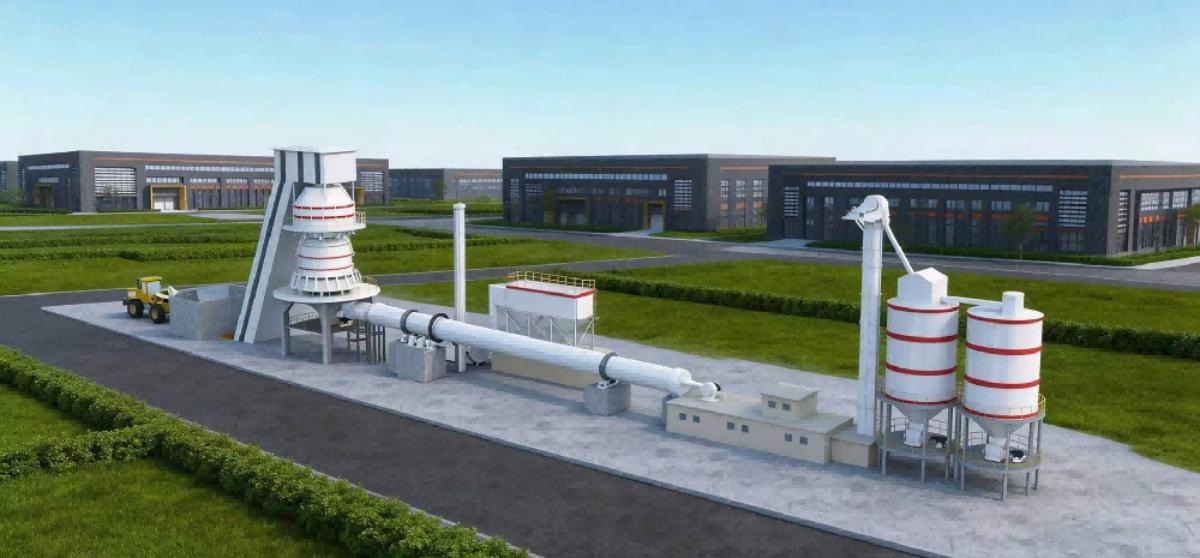
A lime production line transforms limestone through controlled calcination. The plant can be configured for quicklime lump, quicklime powder or hydrated lime production according to the intended industry, capacity, fuel availability and finished-product requirements.
The raw material is crushed and screened to a controlled size before entering the calcination process.
Calcined limestone is cooled, screened, stored or further processed into quicklime powder.
Quicklime can be hydrated, aged and classified to produce hydrated lime for application-specific use.
Calcination Principle
During calcination, limestone is heated under controlled conditions in the kiln. Carbon dioxide is released and the limestone is converted into quicklime, which can then be cooled, stored, ground or hydrated according to the final-product route.
Process Flow
The process is configured around the limestone properties, required product type, fuel conditions and capacity target. Each stage contributes to product consistency, stable kiln operation and efficient finished-product handling.
Material composition, lump size, moisture and impurity profile are reviewed before plant design.
Large limestone is reduced to a controlled size suitable for screening and kiln feeding.
Qualified stone fractions are prepared and buffered for stable kiln feed.
Material is heated before entering the calcination zone where the process requires it.
Controlled thermal processing converts limestone into quicklime.
Quicklime is cooled before screening, storage or downstream processing.
Produce quicklime powder or hydrated lime through grinding or controlled hydration.
Finished Product Routes
The calcination system can lead to different finished-product branches. The correct configuration depends on whether the project will deliver lump quicklime, quicklime powder or hydrated lime.
Produce cooled quicklime for direct storage, bulk delivery or further downstream use.
Further process cooled quicklime through enclosed conveying, grinding, collection and finished-product storage.
Convert quicklime into hydrated lime through controlled hydration, aging, classification and finished-product handling.
Core Plant Systems
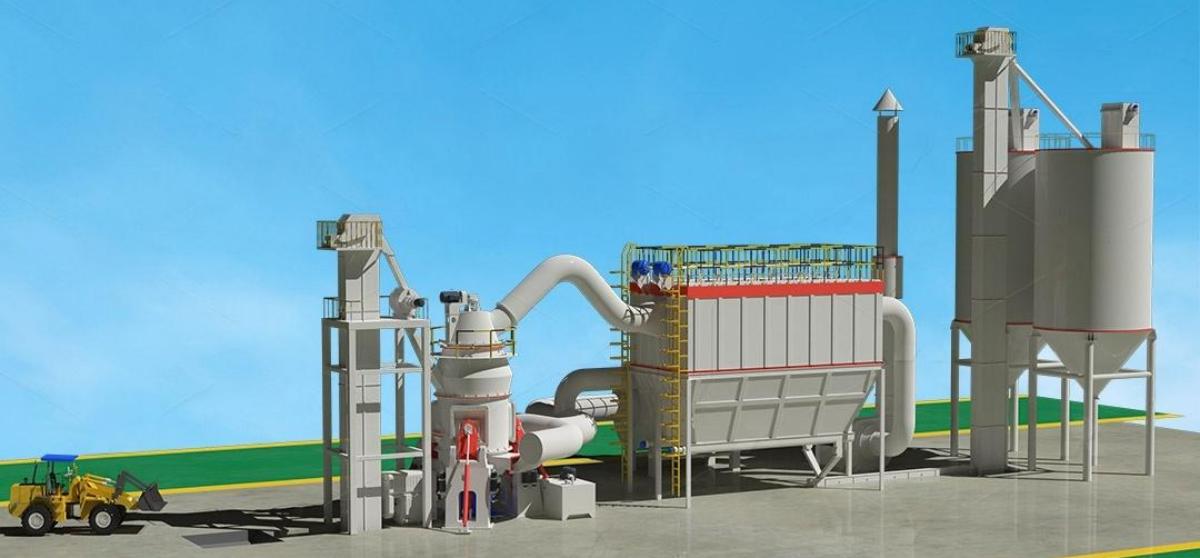
Reliable lime production depends on coordinated raw-material preparation, kiln operation, cooling, material handling, emissions control and finished-product processing.
Prepare limestone in suitable size fractions and support stable material flow into the kiln system.
Provide controlled calcination around the selected capacity, raw material and available fuel conditions.
Coordinate thermal treatment before and after calcination to support stable processing and product handling.
Configure fuel supply, combustion control and related systems according to project conditions.
Integrate dust collection and gas-treatment equipment around key process and transfer points.
Use suitable silos, conveyors, bulk loading and packing systems for the selected lime product.
Equipment Configuration
The product route determines the downstream system. A quicklime lump project emphasizes calcination, cooling and storage, while quicklime powder and hydrated lime projects require additional processing sections.
| Product Direction | Primary Process | Key Equipment Scope | Configuration Focus |
|---|---|---|---|
| Quicklime Lump | Crushing, screening, calcination, cooling and storage | Crusher, screening equipment, lime kiln, cooling and storage system | Raw-stone size control, thermal processing, cooling and bulk dispatch |
| Quicklime Powder | Calcination followed by cooling, enclosed grinding and collection | Lime kiln, cooling system, MTW European Mill, LM Vertical Mill or R Raymond Mill, collection and storage | Quicklime cooling, enclosed handling, powder production and finished-product storage |
| Hydrated Lime | Calcination followed by controlled hydration, aging and classification | Lime kiln, cooling system, hydration equipment, classification, collection and packing | Hydration control, product consistency, classification and delivery method |
| Fine or Ultrafine Lime Products | Application-specific downstream fine processing | MW Micro Powder Mill or LUM Ultrafine Vertical Mill with appropriate upstream conditioning | Fine powder target, controlled classification and enclosed collection |
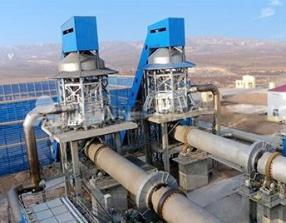
The core thermal-processing system for converting screened limestone into quicklime under controlled operating conditions.
Discuss a Lime Kiln Project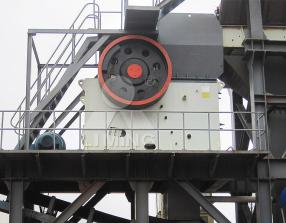
Prepare raw limestone at controlled size fractions before it enters the calcination section.
Discuss Raw Material Preparation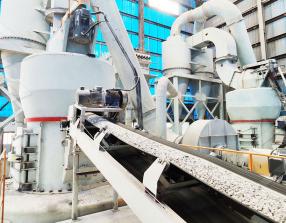
Process cooled quicklime into powder with equipment selected for the target product grade and capacity.
Discuss Quicklime Powder Processing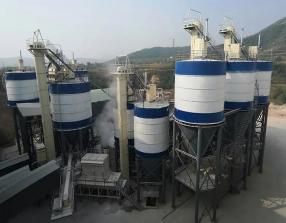
Convert quicklime into hydrated lime through controlled hydration, classification and finished-product handling.
Discuss Hydrated Lime ProcessingLime Applications
The final product form—lump quicklime, quicklime powder or hydrated lime—should be selected according to the downstream process and required material properties.
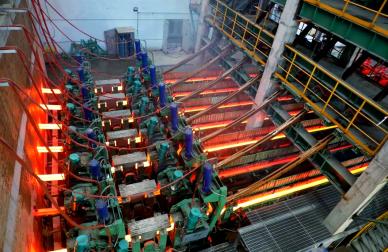
Quicklime is used in metallurgical processes where reactive lime products are required.
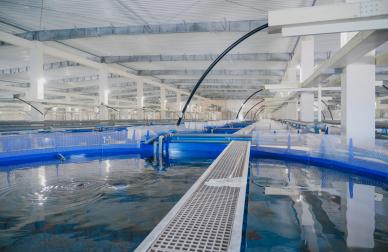
Hydrated lime can be used in water-treatment and pH-adjustment-related processes.

Lime products can be used in industrial gas-treatment and neutralization applications.
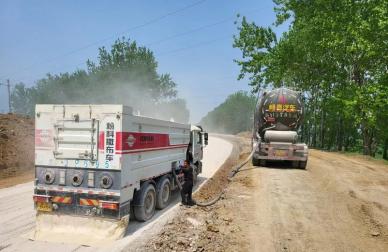
Quicklime and hydrated lime are used in construction-related materials and soil-treatment applications.
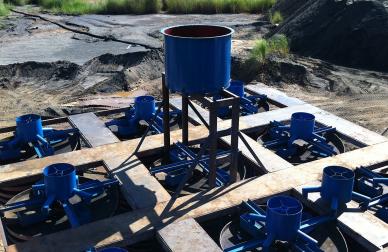
Lime products can serve as process materials in chemical and mineral-processing operations.
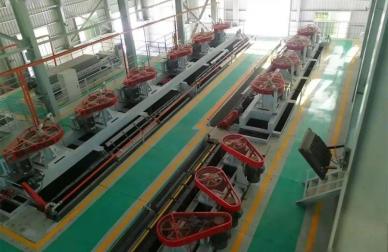
Lime can be used in mineral processing, neutralization and related industrial treatment processes.
Project References
The examples below show common project directions. Replace each card with confirmed public project data, authentic site images and verified operating information when available.
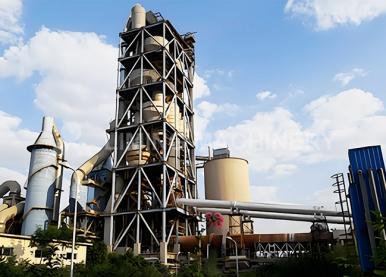 Quicklime Line
A complete configuration covering raw limestone preparation, controlled kiln calcination, cooling, product storage and dispatch for quicklime production.
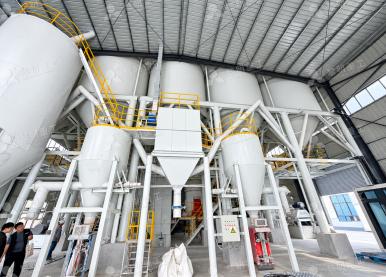 Powder Processing
A downstream processing configuration for cooled quicklime, combining controlled conveying, powder grinding, collection, storage and packing.
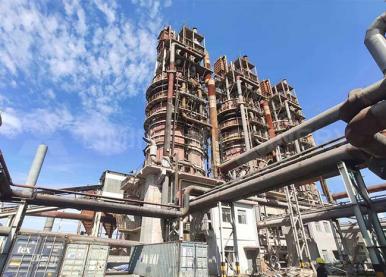 Hydrated Lime
A process route that transforms quicklime into hydrated lime through controlled hydration, aging, classification and finished-product handling.
Plant Planning
Confirm whether the project will produce quicklime lump, quicklime powder, hydrated lime or more than one finished product.
Review limestone composition, stone size, moisture, impurity profile, available fuel and applicable operating conditions.
Design the raw-material, calcination, cooling, deep-processing, collection, storage and dispatch sections around the actual production target.
Lime Production Articles
The following article pages are planned as supporting resources for limestone calcination, kiln selection, quicklime processing, hydrated lime production and plant operation.
Related Processing Routes
FAQ
Start Your Project
Send your limestone information, target lime product, capacity and fuel conditions by WhatsApp. Our engineers can recommend a suitable process route, lime kiln system and downstream quicklime or hydrated lime configuration.