


Choose a lime kiln by working backward from the quicklime you need to sell and the limestone your quarry can consistently supply. Capacity and fuel cost matter, but neither can compensate for a kiln that cannot accept the available stone sizes or produce the required lime quality. Rotary kilns, conventional shaft kilns and twin-shaft regenerative kilns each suit different operating conditions.
First, define the saleable quicklime
Before comparing kiln quotations, specify where the lime will be used and how it will be delivered. A steel plant buying sized lump quicklime may have different requirements from a customer using reactive lime for water treatment. Ask prospective customers or your process team to define acceptable composition, reactivity, residual carbonate, lump size and fines content. These are product targets that the kiln must meet—not details to decide after installation.
Also distinguish the kiln product from any downstream product. If the plant will sell ground quicklime, the kiln still has to produce suitable quicklime; a mill can reduce its particle size but cannot correct poor calcination. If the plant will sell hydrated lime, hydration requires a separate controlled process.
Measure what the quarry actually yields
Test representative limestone samples for chemical composition and physical behavior, then establish the size distribution after crushing and screening. The important question is not just whether the quarry contains enough limestone. It is how much of that limestone can become acceptable kiln feed without excessive recirculation, fines generation or waste. Softer stone and smaller fragments can narrow the practical options for some shaft-kiln designs.
Published feed ranges illustrate why sizing matters, but they are not universal guarantees. Rotary kilns are commonly associated with smaller stone; shaft kilns generally require larger, more uniform pieces. The European Lime Association describes typical rotary-kiln feed at 15–40 mm and twin-shaft regenerative kiln feed at 90–125 mm. Confirm the allowable range with the supplier for the exact kiln design and limestone being proposed.
Compare the kiln families
| Decision point | Rotary kiln | Conventional shaft kiln | Twin-shaft regenerative kiln |
|---|---|---|---|
| Stone feed | Typically accommodates smaller, prepared stone. | Generally relies on suitably sized, consistent lump stone. | Requires controlled, relatively large stone sizing. |
| Fuel and operation | Can be configured for a range of fuels, subject to burner and process design. | Fuel options depend on the specific shaft-kiln design. | Uses alternating shafts to recover heat effectively; fuel compatibility must be checked by design. |
| Product fit | Worth evaluating when smaller feed, fuel flexibility or particular lime-burning conditions are important. | Worth evaluating when the quarry provides suitable lump stone and the required lime quality matches the design. | Worth evaluating when suitable large stone and the specified high-reactivity product support the investment. |
| Key trade-off | Usually higher heat demand than efficient regenerative shaft systems. | Performance and product quality vary substantially by configuration. | Strong heat recovery, but tighter feed requirements can affect usable quarry yield. |
Do not select a regenerative kiln solely because its quoted fuel consumption is low, or a rotary kiln solely because it accepts smaller stone. Compare the full plant balance: usable feed from the quarry, required crushing and screening, fuel supply, target lime quality, expected operating hours and the value of each saleable size fraction.
Check the equipment around the kiln
A kiln quotation should make clear what is included upstream and downstream. Review the feed bins and dosing system, preheater if specified, combustion equipment, cooler, dust collection, exhaust-gas handling, product screening and storage. Cooler performance affects both safe product handling and opportunities to reuse heat in the process. Allow for maintenance access and local permitting requirements when comparing layouts.
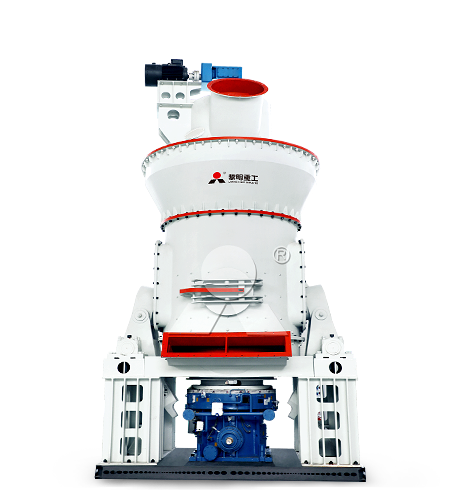
If the business plan includes quicklime powder, design that section around the specified powder output rather than assuming all kiln production will enter a mill. Liming Heavy Industry's LM Series Vertical Mill can be evaluated as a downstream grinding and classification option. Keep the cooled quicklime feed, target fineness, throughput, collection system and moisture protection in the same equipment discussion. Kiln capacity and mill capacity must be reconciled at the whole-line level.
What to request from kiln suppliers
Send each supplier the same project brief: representative limestone analyses; post-crushing size distribution and fines yield; required daily and annual quicklime output; target product properties; available fuels and their specifications; site conditions; and the intended split between lump lime, powder and any hydrated-lime production. Request a proposed feed-size window, expected product-quality range, fuel and power assumptions, equipment scope, and the basis for performance guarantees.
The best kiln is the one that can reliably turn your available limestone into your required quicklime at an acceptable total operating cost. Make the final decision only after comparing supplier proposals against the same raw-material tests, product targets and complete plant boundaries.
Related Lime Production Line


Liming Heavy Industry to Attend the 140th Canton Fair
2026-09-25

Liming Heavy Industry at bauma CONEXPO INDIA 2026 | Booth 5-C6
2026-09-07
Turnkey Raw Mill Cement Plant in Saudi Arabia: Design and Installation
2026-09-03
Cement Raw Mill Supplier in Indonesia: Cost and Configuration Analysis
2026-09-01
Liming Heavy Industry to Exhibit at the 24th Global Gypsum Conference & Exhibition in Turkey
2026-08-31
Complete Mineral Processing Solutions
Convenient Reliable Professional Efficient Get Your Quote
Please feel free to submit your inquiry information to us. We will contact with you as soon as possible.
Our team will contact you as soon as possible.